1
232
CHAPTER 9. PNEUMATIC INSTRUMENTATION
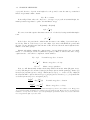
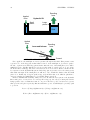
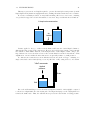
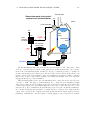
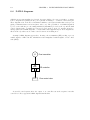
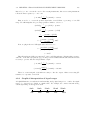
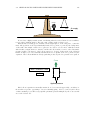
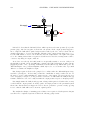
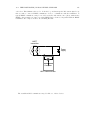
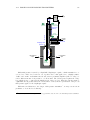
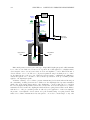
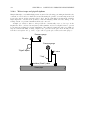
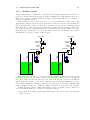
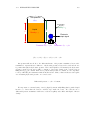
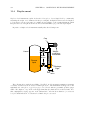
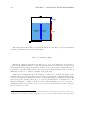
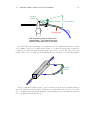
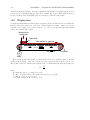
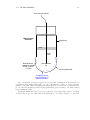
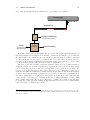
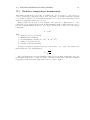
Pout
Air supply
Pout
Pin
Feedback
bellows
Input
bellows
Pivot
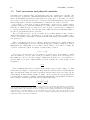
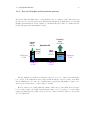
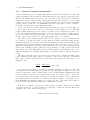
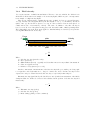
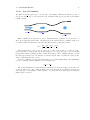
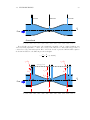
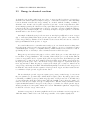
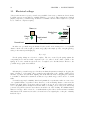
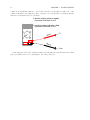
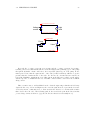
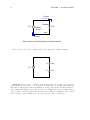
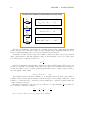
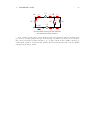
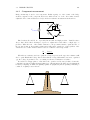
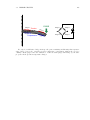
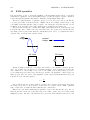
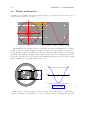
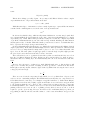
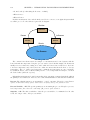
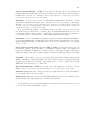
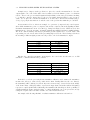
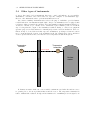
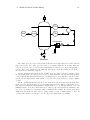
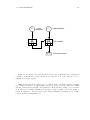
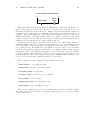
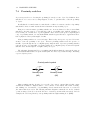
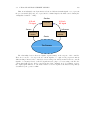
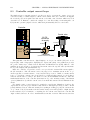
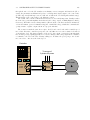
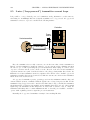
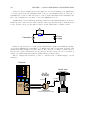
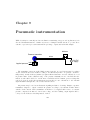
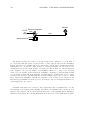
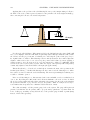
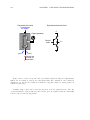
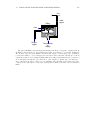
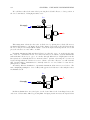
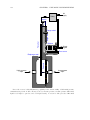
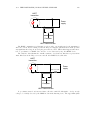
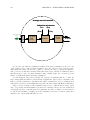
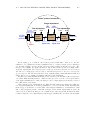
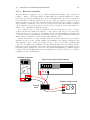
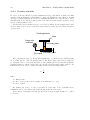
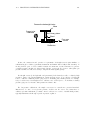
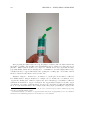
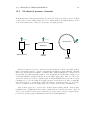
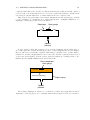
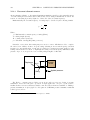
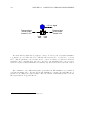
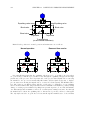
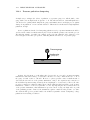
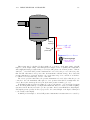
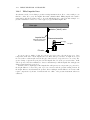
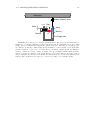
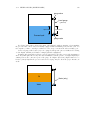
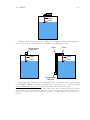
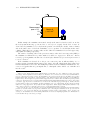
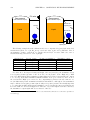
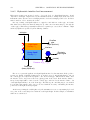
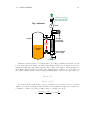
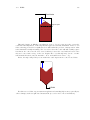
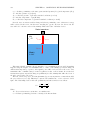
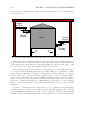
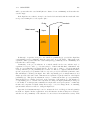
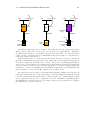
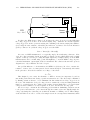
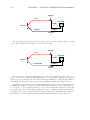
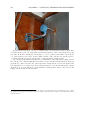
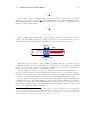
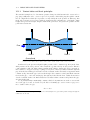
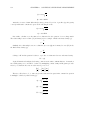
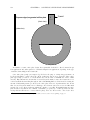
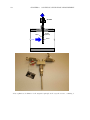
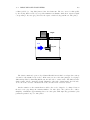
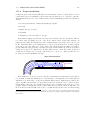
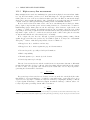
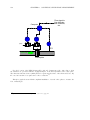
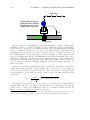
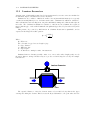
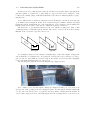
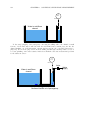
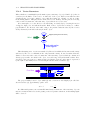
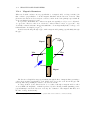
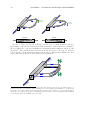
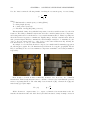
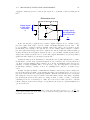
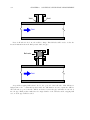
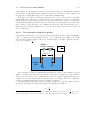
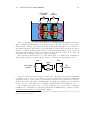
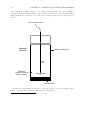
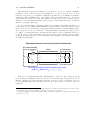
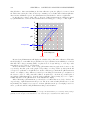
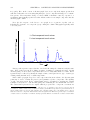
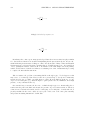
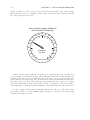
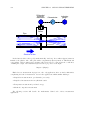
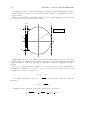
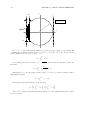
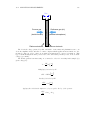
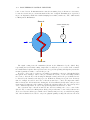
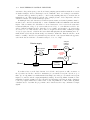
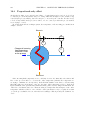
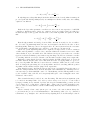
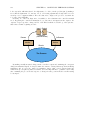
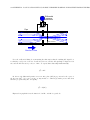
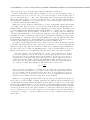
It should be clear that the left-hand bellows, which experiences the same pressure (P out ) as the
pressure gauge, introduces negative feedback into the system. If the output pressure happens to
rise too high, the baffle will be pushed away from the nozzle by the force of the feedback bellows,
causing backpressure to decrease and stabilize. Likewise, if the output pressure happens to go too
low, the baffle will move closer to the nozzle and cause the backpressure to rise again. Once again
we see the defining characteristic of negative feedback in action: its self-correcting nature works to
counteract any change in output conditions.
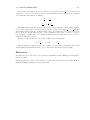
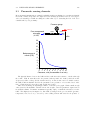
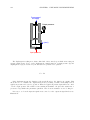
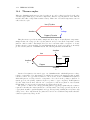
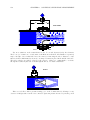
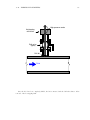
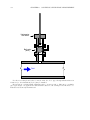
As we have seen already, the baffle/nozzle is exceptionally sensitive to motion. Only a few
thousandths of an inch of motion is sufficient to saturate the nozzle backpressure at either extreme
(supply air pressure or zero, depending on which direction the baffle moves). This is analogous to the
differential inputs of an operational amplifier, which only need to see a few microvolts of potential
difference to saturate the amplifier’s output.
Introducing negative feedback to the opamp led to a condition where the differential input voltage
was held to (nearly) zero. In fact, this potential is so small that we safely considered it zero for
the purpose of more easily analyzing the output response of the system. We may make the exact
same “simplifying assumption” for the pneumatic mechanism: we will assume the baffle/nozzle gap
remains constant in order to more easily determine the output pressure response to an input pressure.
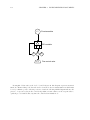
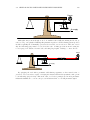
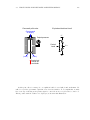
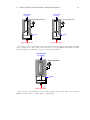
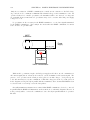
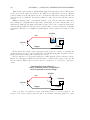
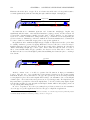
If we simply assume the baffle/nozzle gap cannot change with negative feedback in effect, we may
conclude that the output pressure is exactly equal to the input pressure for the pneumatic system
shown, since that is what must happen in order for the two pressures to generate exactly opposing
forces so that the baffle will not move from its original position.
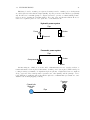
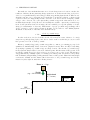
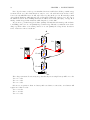
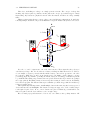
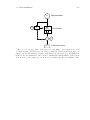
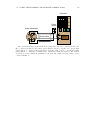
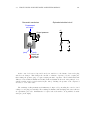
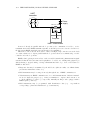
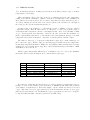
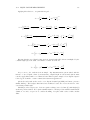
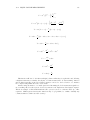
The analytical technique of assuming perfect balance in a negative feedback system works just
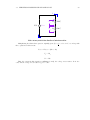
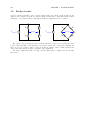
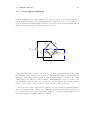
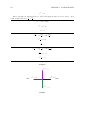
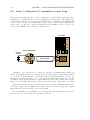
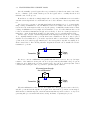
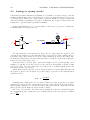
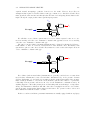
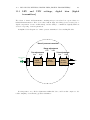
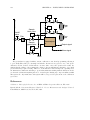
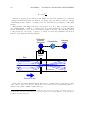
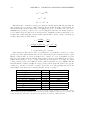
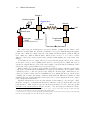
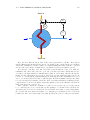
as well for more complicated systems. Consider the following opamp circuit: