1
Safety Requirements
• Because the environment and individuals circumstances surrounding a spa’s use and
operation may vary, this Owners’ Manual is intended to provide certain guidelines for
the safe and enjoyable use, operation and maintenance of your spa. The spa’s components and water chemistry are the the sole responsibility of the owner. Neither
ThermoSpas, Inc., its representatives or distributors shall be liable for any injury, loss
or damage of any kind or nature resulting from deficient or improper maintenance
of the spa, its components or water chemistry.
Ne pas placer d’apparell électrique (lumiaire, telephone, radio, téléviseur, etc) á amoins de
1.5 m de cette cuve de relaxation
Maintain water chemistry in accordance with manufacturer’s instruction.
La teneur de l’eau en matiéres dissoutes doit étre conforme aux directives du fabricant.
Failure to provide a dedicated circuit can cause equipment damage and invalidate
your warranty.
The continuous service GROUND wire is located in the line cord supplied. Do not modify
this cord in any way. Tampering with the GROUND wire or using an adapter which would
render the built-in grounding device ineffective would cause electric shock. Such modification nullifies your warranty.
Chemical Safety Requirements
Improper use of chemicals can be dangerous and possibly damage your spa, which would
not be covered by your warranty. It is extremely important to take the necessary
precautions when using these chemicals.
You should avoid using any biguanide or copper-based algaecides with your spa. Use
of these products or any other products not recommended by ThermoSpas may void
your warranty.
As a spa owner, it is important for you to know that you may be legally responsible for
the safety of all persons who use it. Be sure to update your insurance policy to include
ownership of your spa.
Safety for Pregnant Women, Infants, and People
with Health Conditions
• Elderly people, pregnant or possibly pregnant woman, obese individuals, or anyone
with a history of heart disease, low or high blood pressure, circulatory problems, or
diabetes must consult with a physician before using a spa.
• Infants must never be in a spa with a temperature of over 100ºF (38ºC).
• Lower water temperatures are recommended for extended use exceeding 10-15
minutes for young children, pregnant women, women who may be pregnant. High water
temperature can cause fetal damage during the first few months of pregnancy.
Proper Handling of Chemicals
Safety Requirements
Spa and Water Maintenance
Do not permit electric appliances (such as a light, telephone, radio, or television) within 5 ft
(1.5 m) of this spa or hot tub.
1.
2.
3.
4.
5.
6.
Keep all chemicals out of reach of children.
Always keep lids on chemicals when not in use and store them in a cool, dry location away from direct sunlight.
Do not store chemicals within the interior of the spa’s cabinet.
Do not interchange caps or measuring scoops for different types of chemicals.
Do not smoke around chemicals. Some can emit fumes that can be highly flammable.
In case of contact or if a chemical is swallowed, call a doctor or local Poison Control Center. If a doctor
IS required, bring the chemical container with you so the doctor can determine the appropriate treatment.
7. If you have questions regarding chemical care call Customer Care. The staff is there to help you with
guidelines and best practices.
8. MSDS sheets are available upon request.
Be Aware of the Risk of Fatal Hyperthermia
The use of alcohol, drugs, or medications can greatly increase the risk of fatal hyperthermia. Hyperthermia occurs when the internal body temperature reaches a level
several degrees above normal body temperature (98.6ºF). The symptoms of hyperthermia include dizziness, fainting, drowsiness, lethargy, and an increase in the body’s
internal temperature.
The effects of hyperthermia include:
• Failure to perceive heat
• Physical inability to exit the spa
• Unconsciousness and danger of drowning
• Failure to recognize impending hazard
• Failure to recognize the need to exit the spa
• Fetal damage in pregnant women
Proper Use of Chemicals
1.
2.
3.
4.
5.
6.
Always make certain the filtration pump (pump 1) or circulation pump is turned on when adding chemicals.
Add only one chemical at a time to the water.
Never use swimming pool chemicals in your spa, they may void your warranty.
After adding any chemical, wait at least 10 minutes before adding the next chemical.
Never mix chemicals or chemical solutions directly with each other.
Always add chemicals to water when mixing them. Never add water to chemicals.
Spas with Audio/Video Components or Refrigerator
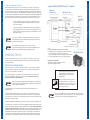
Risk of Electric Shock - Do not leave compartment door open.
Risk of Electric Shock - Replace components with only identical components.
For All Indoor Hot Tub Installations
Prevent Electrocution - Do not connect any auxiliary components to the system.
• All indoor hot tubs must be installed in rooms with proper ventilation.
• Keep the hot tub *completely covered and locked when the spa is not in use.
• IMPORTANT: It is the owner’s responsibility to keep water properly sanitized at all times.
• Install indoor hot tubs on non-porous flooring with adequate drainage.
It is critical to complete all of these above steps in order to prevent bacteria-ridden
water from becoming bacteria-ridden vapor in the hot tub room. If the room is poorly
ventilated, this vapor can fill the enclosed air space creating a health hazard. The
breathing in of this vapor may cause lung infections.
4
* ThermoSpas, Inc. is not responsible for any damage to flooring, carpeting, ceiling, furniture, personal items or walls due to
malfunctioning or Leaking of hot tub.
Important Hot Tub Reminders
4
4
4
4
Make certain to sanitize your hot tub water and maintain correct water chemistry.
Keep the hot tub cover on and locked at all times whenever you are not using the hot tub.
Regularly clean your filter cartridge(s) using ThermoSpas’ Filter Cleaner.
Follow the recommended maintenance procedures and schedules.
5