1
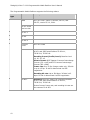
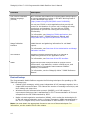
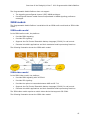
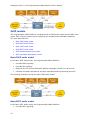
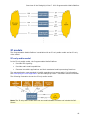
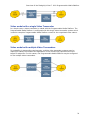
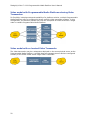
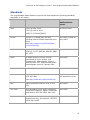
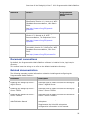
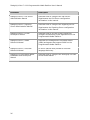
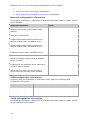
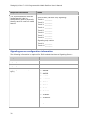
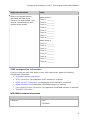
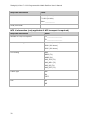
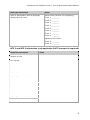
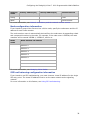
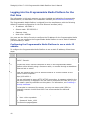
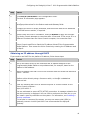
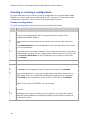
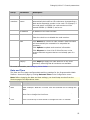
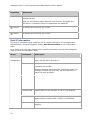
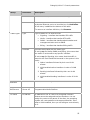
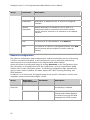
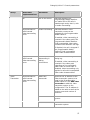
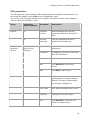
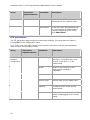
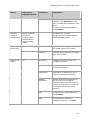
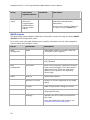
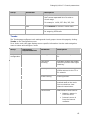
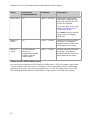
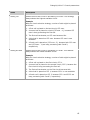
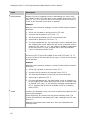
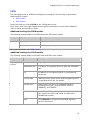
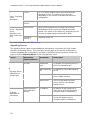
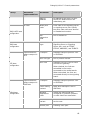
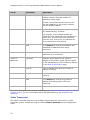
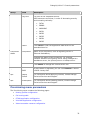
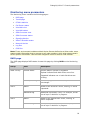
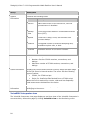
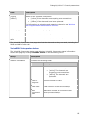
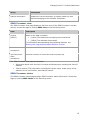
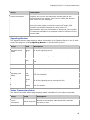
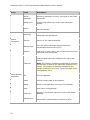
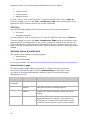
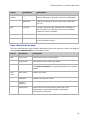
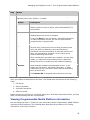
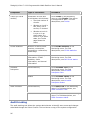
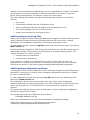
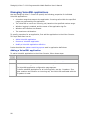
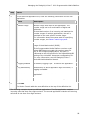
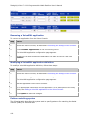
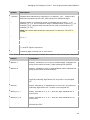
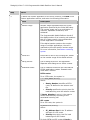
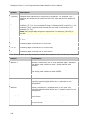
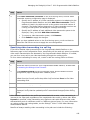
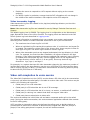
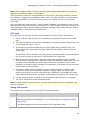
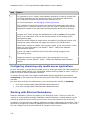
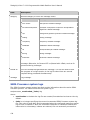
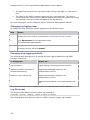
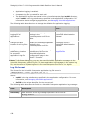
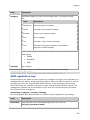
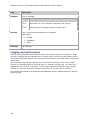
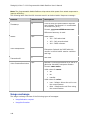
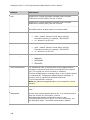
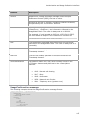
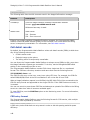
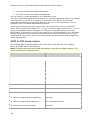
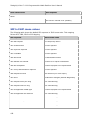
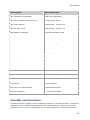
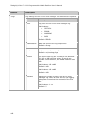
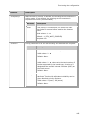
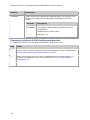
Managing the Dialogic® Vision™ 1000 Programmable Media Platform SIP RTP Circuit-switched signaling NbUP Billing OA&M Redundant circuit-switched signaling You can configure a different IP address for SIP, RTP, and so on. In order to properly separate the traffic, you need to assign each predefined IP network to a specific traffic type. Since the Vision Server has a limited number of network interfaces, it is also possible to enable VLAN tagging on the server’s configured network interfaces to provide proper network isolation. Ethernet redundancy is configurable through the Dialogic® Vision™ Console. You can configure Ethernet bonding; create interface aliases; enable on-host and on-board VLAN tagging; and assign traffic types to configured interfaces. The following topics provide more information about Ethernet redundancy: Ethernet redundancy concepts Configuring the SIP network Configuring the RTP network Configuring the Circuit-Switched Signaling network Configuring the NbUP network Configuring the Billing network Configuring the OA&M network Configuring the Signaling Redundant network See Network redundancy and the network monitor service for related information. Ethernet redundancy concepts Ethernet bonding is used to link two physical Ethernet ports on the host in a redundant manner. The Vision Server implements bonding in an active-backup configuration. Only one port in the bond is the active port; the other port serves as a backup if the active port fails. Bonding is enabled by assigning a bond interface to two physical interfaces. An interface alias is used to link multiple IP addresses to a single physical network interface. This is also known as multi-homing. An interface alias is enabled by assigning multiple IP addresses to a single interface. Up to 16 aliases are supported per interface. A virtual LAN, or VLAN, is a group of hosts with a common set of requirements that communicate as if they were attached to the same broadcast domain regardless of their physical location. VLAN is used to enable network splitting or network isolation. Assigning a VLAN ID (also called VLAN tagging) to each virtual interface allows each interface to be isolated. The Vision Server follows the IEEE 802.1Q standard for VLAN tagging. 113