1
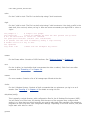
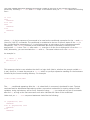
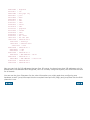
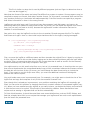
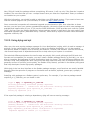
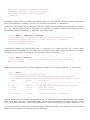
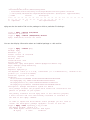
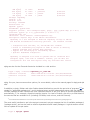
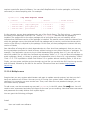
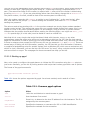
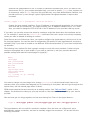
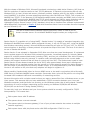
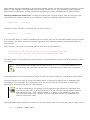
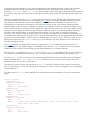
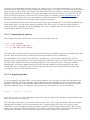
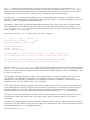
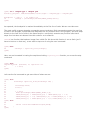
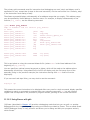
address is 207.25.97.154.
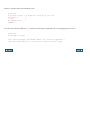
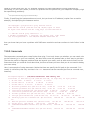
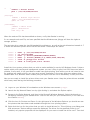
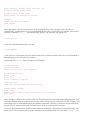
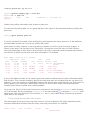
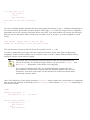
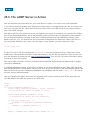
If you wish to be notified when the PPP connection is established (the ppp-on script returns
immediately), add the following line to /etc/ppp/ip-up:
/usr/bin/wall "PPP is up!"
/etc/ppp/ip-up is executed when PPP establishes an IP connection, so you can use this script to trigger
the wall command when the connection is complete.
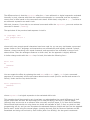
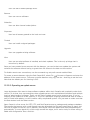
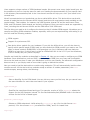
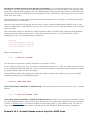
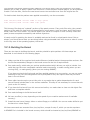
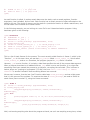
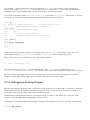
Another simple shell script can be used to kill the PPP session. Edit the file /etc/ppp/ppp-off as follows:
#!/bin/sh
# A simple ppp-off script
kill `cat /var/run/ppp0.pid`
Running /etc/ppp/ppp-off now kills the PPP daemon and shuts down the modem connection.
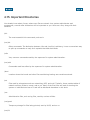
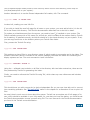
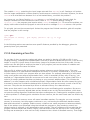
13.2.1.6. Configuring DNS
By itself, use of pppd along with chat only establishes a PPP connection and assigns you an IP address;
in order to use domain names, you need to configure the system to be aware of the domain nameserver
provided by your ISP. You do this by editing /etc/resolv.conf. The manpage for resolver describes this
file in detail. However, for most purposes it suffices to simply include lines of two forms: one that
specifies the list of domains to search whenever a domain name is used, and another that specifies the
address of a DNS server.
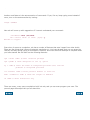
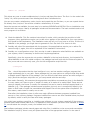
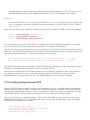
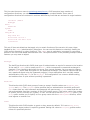
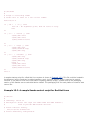
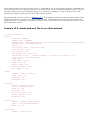
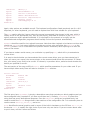
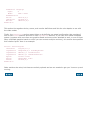
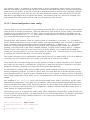
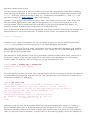
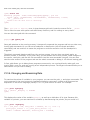
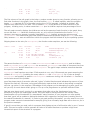
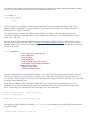
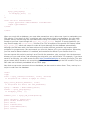
A sample /etc/resolv.conf file might look like this:
# Sample /etc/resolv.conf
search cs.nowhere.edu nowhere.edu
nameserver 207.25.97.8
nameserver 204.148.41.1
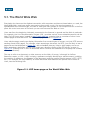
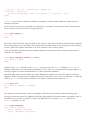
The first line indicates that every time a domain name is used (such as orange or papaya), it should be
searched for in the list of specified domains. In this case, resolver software would first expand a name
like papaya to papaya.cs.nowhere.edu and try to find a system by that name, then expand it to
papaya.nowhere.edu if necessary and try again.
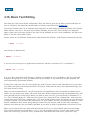
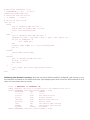
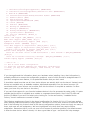
The lines beginning with nameserver specify the IP address of domain nameservers (which should be
provided by your ISP) that your system contacts to resolve domain names. If you specify more than one
nameserver line, the given DNS servers will be contacted in order, until one returns a match; in this
way, one DNS server is treated as a primary and the others as backups.
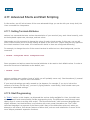
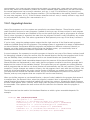
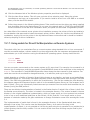
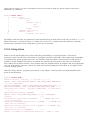
13.2.1.7. Troubleshooting PPP configuration