1
Chapter 8: Generic I/O
41
8 Generic I/O
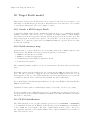
8.1 About Generic I/O
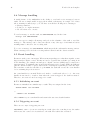
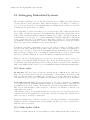
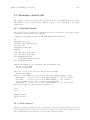
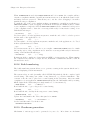
Generic I/O allows the Forth words KEY, KEY?, EMIT, TYPE and CR to use any I/O device.
The user variables IPVEC and OPVEC each contain the address of a structure for a device.
This structure contains a list of Forth words used for the words above.
By using different devices for input and output, input can be from a serial channel and output can be to an LCD screen. The selection can be changed at any time by the application.
Because IPVEC and OPVEC are USER variables, i.e. are specific to each task, different tasks
may have different I/O devices.
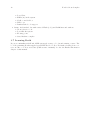
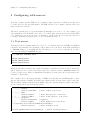
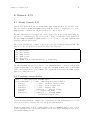
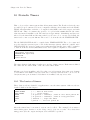
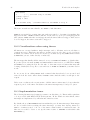
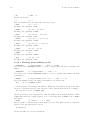
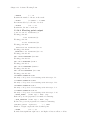
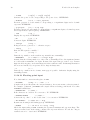
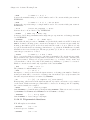
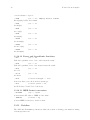
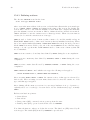
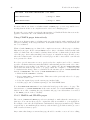
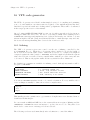
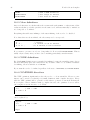
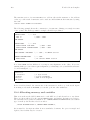
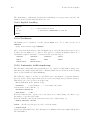
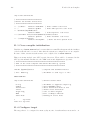
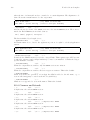
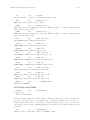
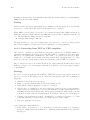
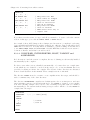
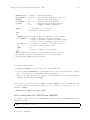
The generic I/O structure consists of any array of five (six for Harvard targets) XTs. The
XTs are for the words that perform the following basic functions.
cell
cell
cell
cell
cell
cell
KEY action
KEY? Action
EMIT action
TYPE action
CR action
TYPEC action; Harvard CPUs (e.g. 8051) only
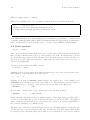
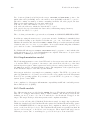
The CR and TYPE actions are provided to ease implementations of devices such as LCD
output in which CR does not naturally correspond to 13 EMIT 10 EMIT, and for which TYPE
will be much faster than repeated EMITs. The output functions update the USER variable
OUT before calling the action.
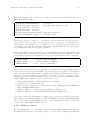
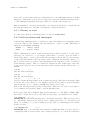
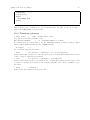
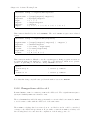
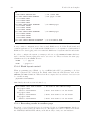
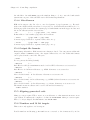
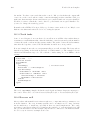
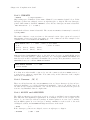
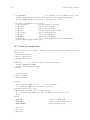
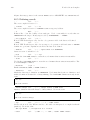
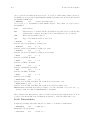
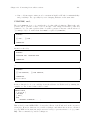
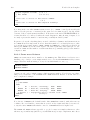
8.2 Creating a new device
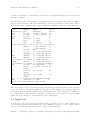
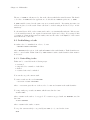
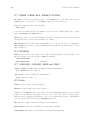
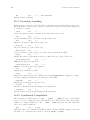
cdata
\ this table goes in CODE space
create SerConsole \ -- addr ; OUT managed by upper driver
’ (serkey) ,
\ -- char ; schedule, receive char
’ (serkey?) ,
\ -- flag ; check receive char
’ (seremit) ,
\ -- char ; display char
’ (sertype) ,
\ caddr len -- ; display string
’ (sercr) ,
\ -- ; display new line
’ (sertypec) ,
\ caddr len -- ; display CDATA
\
for Harvard targets only
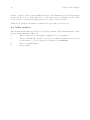
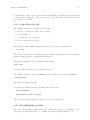
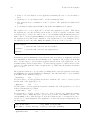
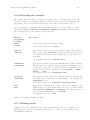
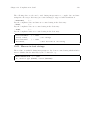
Generic I/O handles all use of OUT for the output functions. OUT is manipulated before the
action is performed so that special cases can update OUT themselves.
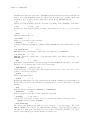
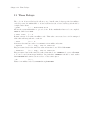
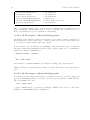
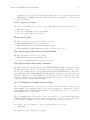
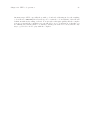
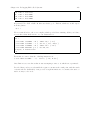
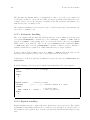
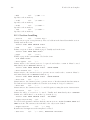
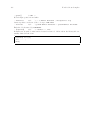
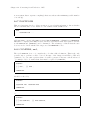
When the multi-tasker is used, a multi-tasking version of (SERKEY) must be used. Conditional compilation can be used in the primitive words. The equate Tasking? is set non-zero
when multi-tasking is in use.