1
54
Hans Hagen
MAPS 41
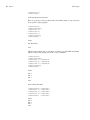
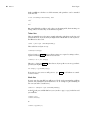
So, the direct function is basically a no-op and results in nothing by itself. Only
arguments are passed. Equivalent, but a bit more ugly looking, is:
context.startcombination()
context(false,"one","two")
context(false,"one","two")
context.stopcombination()
Catcodes
If you are familiar with TEX’s inner working, you will know that characters can have
special meanings. This meaning is determined by the characters catcode.
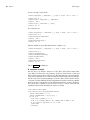
context("$x=1$")
This gives: x = 1 because the dollar tokens trigger inline math mode. If you think
that this is annoying, you can do the following:
context.pushcatcodes("text")
context("$x=1$")
context.popcatcodes()
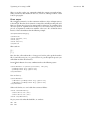
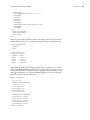
Now we get: $x=1$. There are several catcode regimes of which only a few make
sense in the perspective of the cld interface.
ctx,
prt,
tex,
txt,
vrb,
xml,
ctxcatcodes,
prtcatcodes,
texcatcodes,
txtcatcodes,
vrbcatcodes,
xmlcatcodes
context
protect
plain
text
verbatim
the normal ConTEXt catcode regime
the ConTEXt protected regime, used for modules
the traditional (plain) TEX regime
the ConTEXt regime but with less special characters
a regime specially meant for verbatim
a regime specially meant for xml processing
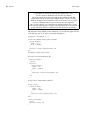
In the second case you can still get math:
context.pushcatcodes("text")
context.mathematics("x=1")
context.popcatcodes()
When entering a lot of math you can also consider this:
context.startimath()
context("x")
context("=")
context("1")
context.stopimath()
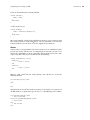
Module writers of course can use unprotect and protect as they do at the TEX end.
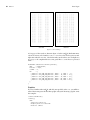
As we’ve seen, a function call to context acts like a print, as in:
context("test ")
context.bold("me")
context(" first")
test me first