1
122
CHAPTER 16. COMPILING ASL TO AN ABSTRACT MACHINE CODE
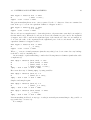
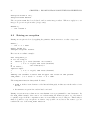
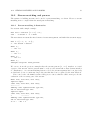
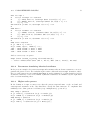
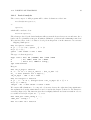
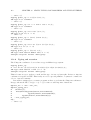
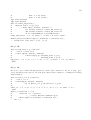
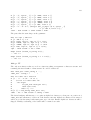
#end;;
Toplevel input:
>
with [Clos(C)] -> Closure(Address(C), Environment [])
>
^
Warning: the variable C starts with an upper case letter in this pattern.
- : unit = ()
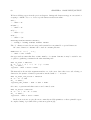
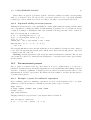
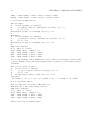
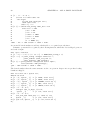
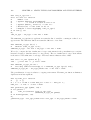
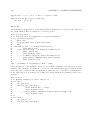
#run (parse_top
#
"let fact be fix (\\f.(\\n. if = n 0 then 1
#
else * n (f (- n 1))
#
fi));");;
ASL Type of fact is (Number -> Number)
<funval>
- : unit = ()
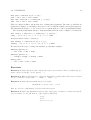
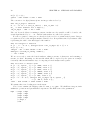
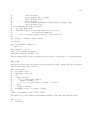
#run (parse_top
# "let fib be fix (\\f.(\\n. if = n 1 then 1
#
else if = n 2 then 1
#
else + (f(- n 1)) (f(- n 2))
#
fi
#
fi));");;
ASL Type of fib is (Number -> Number)
<funval>
- : unit = ()
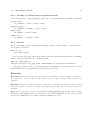
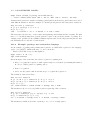
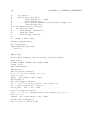
#run (parse_top "fact 8;");;
ASL Type of it is Number
40320
- : unit = ()
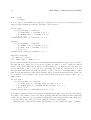
#run (parse_top "fib 9;");;
ASL Type of it is Number
34
- : unit = ()
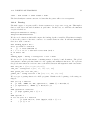
It is of course possible (and desirable) to introduce recursion by using a specific syntactic
construct, special instructions and a dedicated case to the compiling function. See [25] for efficient
compilation of recursion, data structures etc.
Exercise 16.1 Interesting exercises for which we won’t give solutions consist in enriching according
to your taste the ASL language. Also, building a standalone ASL interpreter is a good exercise in
modular programming.