1
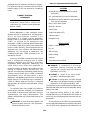
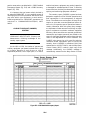
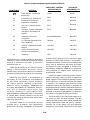
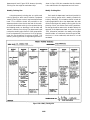
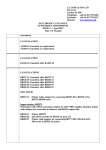
Table 13-3.—Ordnance Management Cognizant Symbols and Materials
COGNIZANCE
INVENTORY CONTROL
RESPONSIBILITY
MATERIAL
TECHNICAL
RESPONSIBILITY
USMC-Owned Conventional
Ammunition
USMC
USMC
2E
Conventional Air Ammunition
SPCC
NAVAIR
2T
Conventional Surface and
Underwater Ammunition
SPCC
NAVSEA
4E
ALM (Air Launched Missile)
Material
SPCC
NAVAIR
4T
Torpedoes, Torpedo Components,
and ASROC (Antisubmarine
Rockets)
SPCC
NAVSEA
6T
Underwater Mines and
Components
NAVMINENGRFAC
NAVSEA
8E
Air Launched Guided Missiles
and Components
NAVAIR
NAVAIR
8S
SUBROC (Submarine Rocket)
Material
NAVSEA
NAVSEA
8T
Surface Launched Guided
Missiles and Components
NAVSEA
NAVSEA
8U
Sonobuoys
SPCC
NAVAIR
available to them. If a ship anywhere in the world is
ordered on a mission, CAIMS can be queried by remote
terminal to determine the status of the ship’s
ammunition load out.
CAIMS data distribution is not limited to activities
having a CAIMS terminal. Hard-cover listings,
computer tapes, and microfiche reports are furnished to
hundreds of activities having a need for this information.
Reporting into CAIMS is accomplished by
two means: (1) TIR (Transaction Item Reporting)
by AUTODIN (Automatic Digital Network)
for CONUS activities according to SPCCINST
P8010.12, Policy, Procedures, Responsibilities
for Supply Management of Conventional Ammunition; and (2) message reporting for fleet
activities according to CINCLANTFLTINST
8010.4/COMNAVLOGPACINST 8015.1. The validity
of CAIMS data is directly related to the care and
accuracy with which the various ships and activities
report their data to SPCC.
SPCCINST P8010.12, as inferred by the title,
provides policy, procedural, and responsibility
guidelines for the supply management of conventional
ordnance. While portions of this instruction apply
primarily to CONUS shore activities, it also provides a
considerable amount of information valuable to fleet
users, such as ammunition definitions and codes,
procedures for fleet retrograde of ammunition,
requisitioning procedures, allowance list information,
and procedures for manual stock recording for
nonautomated activities.
Ammunition support received by the fleet is directly
related to the Navy’s ability to justify its ammunition
budget requests. Since CAIMS data provides the basis
for this justification, it should be noted that fleet support
is related to the timeliness and accuracy of fleet
transactions reported into the CAIMS. It should also be
emphasized that the need for coordination and close
cooperation between weapons and supply department
personnel in ammunition management is a necessity if
the CAIMS is to operate efficiently and correctly.
Activities report in the fleet format report on an
“as occurring” basis via naval message. The data
reported includes receipts, issues, combat expenditures,
training expenditures, losses and gains by inventory,
transfers out of the system, test and evaluation
expenditures, and disposal. These activities also report
13-15