1
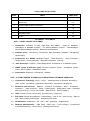
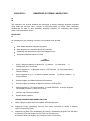
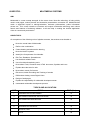
UNIT I WIRELESS COMMUNICATION FUNDAMENTALS
1.1
Introduction: History of cellular mobile communication – Important terminologies –
Mobile computing Environment – Architecture of mobile computing – Functions of mobile
computing – Mobile and wireless devices.
1.2
Multiplexing: Space division multiplexing – Frequency division multiplexing – Time
division multiplexing – Code division multiplexing.
1.3
Medium Access Control: SDMA – FDMA - TDMA – CDMA – features – comparison of
SDMA, FDMA, TDMA and CDMA techniques.
1.4
Telecommunication Systems : GSM – Mobile services – System Architecture – GPRS
– architecture
1.5
Cellular Wireless Networks : Overview of cellular system – operation of cellular system
– Adjacent Channel Interference – Methods of reducing ACI – Frequency reuse concept
– Diversity technique – Improving coverage and capacity in cellular systems.
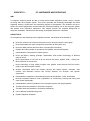
UNIT II
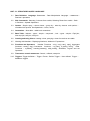
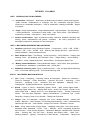
2.1
WIRELESS LOCAL AREA NETWORK
Wireless network: Definition – Advantages and Disadvantages of LAN - Applications of
WLAN – infrared versus radio transmission – WLAN technologies - examples.
2.2
IEEE 802.11: Introduction – Comparison of IEEE 802 and OSI model – System
Architecture – Protocol Architecture – Physical Layer – MAC frames – MAC
Management: Synchronization – power management – Roaming.
2.3
HIPERLAN: Introduction – Protocol Architecture.
UNIT III
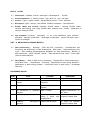
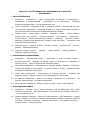
BLUETOOTH TECHNOLOGY
3.1
Bluetooth: Introduction – Bluetooth Radio: Vertical Antenna – Dipole Antenna – Antenna
parameters – Ad hoc network – Bluetooth device address – Bluetooth connection mode
relationship.
3.2
Bluetooth Protocol Architecture: Blue tooth protocol stack - Bluetooth Core Protocols Cable replacement protocols - Adopted protocols - Usage models and profiles.
3.3
Bluetooth Security : Link-level security - Architecture Overview - Security level of
Services - Security Manager - Advantages of Bluetooth – Comparison of wireless LAN
and Bluetooth technology.
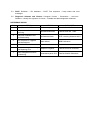
UNIT IV
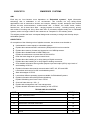
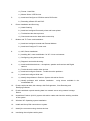
MOBILE NETWORK LAYER
4.1
Mobile IP – Overview – Terminologies related to Mobile IP – IP packet delivery – Agent
advertisement and solicitation – Registration – Tunneling and Encapsulation –
Optimizations – Reverse Tunneling – Ipv6.
4.2
Dynamic Host Configuration protocol: History – Applications of DHCP – DHCP
Protocol : Significance and importance of DHCP
4.3
Routing : Introduction – Routing types: Least cost – Adaptive – Non Adaptive routing –
DSDV and DSR protocols
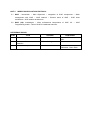
4.4
Transport Layer : Traditional TCP - Congestion control – Slow start – Fast
retransmit/fast recovery – Classical TCP improvements: Indirect TCP – Snooping TCP –
Mobile TCP