1
Traffic Management
ACP/ACS Traffic Management
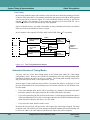
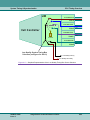
Input Controller
high
low
high
low
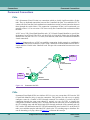
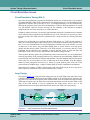
Ingress Buffers
HOL
HOL
HOL
HOL
HOL
HOL
HOL
HOL
HOL
HOL
HOL
HOL
HOL
HOL
HOL
HOL
HOL
HOL
HOL
HOL
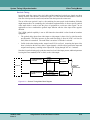
Output Controller
high
low
high
low
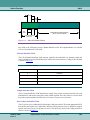
ATM Switch Fabric
Switch Fabric
HOL Buffers
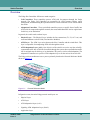
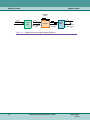
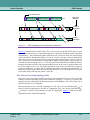
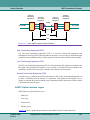
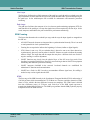
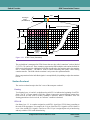
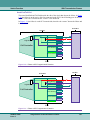
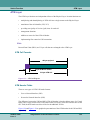
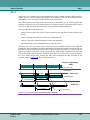
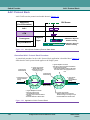
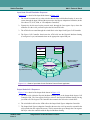
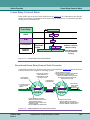
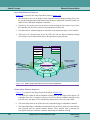
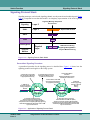
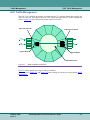
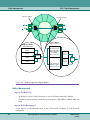
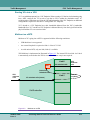
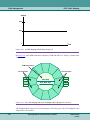
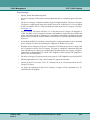
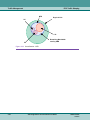
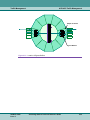
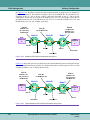
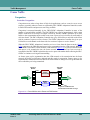
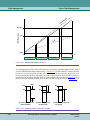
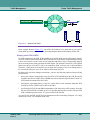
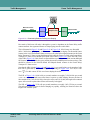
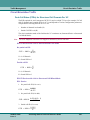
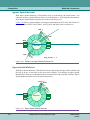
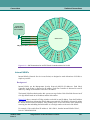
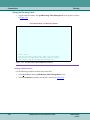
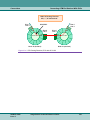
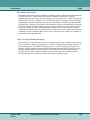
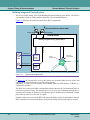
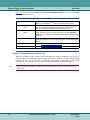
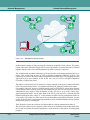
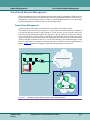
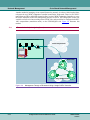
Figure 2-22 Location of Ingress Buffers
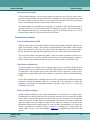
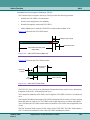
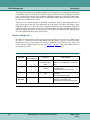
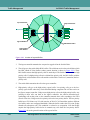
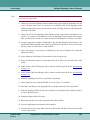
3. The ingress controller transmits the accepted or tagged cell to the Switch Fabric.
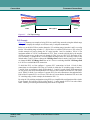
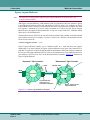
4. The cell goes to the switch fabric HOL buffers. The cells then travel to the switch fabric which
has HOL (Head Of Line) buffers (whose general location is shown in Figure 2-22). These
HOL buffers ensure that high-priority cells are not delayed. The Switch Fabric can detect high
priority cells. If a high priority cell arrives behind low-priority cells, the HOL buffer (with the
high-priority cell) transmits all its cells and the switch fabric “clocks out” (transmits) the lowpriority ones.
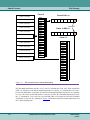
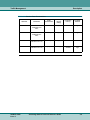
5. The switch fabric transmits the cell to the egress controller.
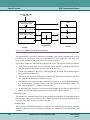
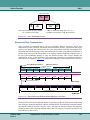
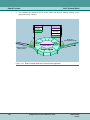
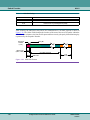
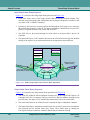
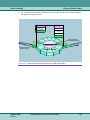
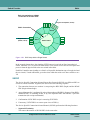
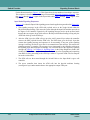
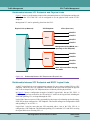
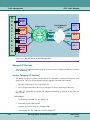
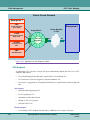
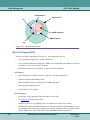
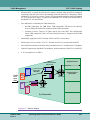
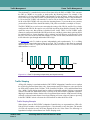
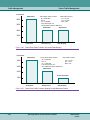
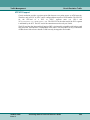
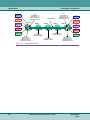
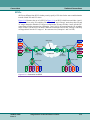
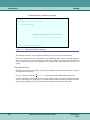
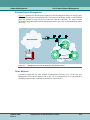
6. High-priority cells go to the high-priority egress buffer. Low-priority cells go to the lowpriority egress buffer where they can be discarded during congestion.The cell now arrives at
the Egress (output) controller. Xedge routes high-priority cells to the high-priority buffer. Any
policing to these cells was done at the ingress controller, the software discarded nonconforming cells at that point, so the controller transmits these cells according to the FIFO
(First In First Out). Xedge routes low-priority cells to the low-priority buffer. The low priority
buffer has a CLP Point set at 512 cells (note the ACP/ACS Cell Controllers can have different
size buffers and a user configured threshold). When the buffer reaches the CLP point, Xedge
discards all subsequent cells. This condition is referred to as congestion. Note that Xedge
empties the high-priority buffer before it transmits any cells from the low-priority buffer.
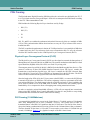
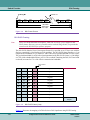
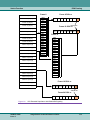
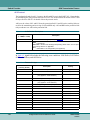
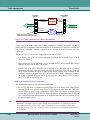
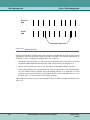
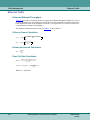
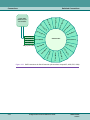
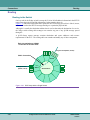
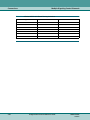
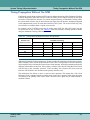
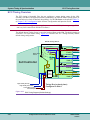
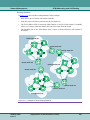
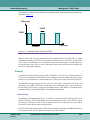
Figure 2-23 shows the general location of the egress buffers.
2-34
ACS Xedge Switch Technical Reference Guide
032R310-V620
Issue 2