1
Assembler Enhancements and Legacy Support
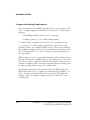
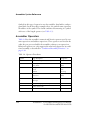
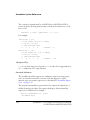
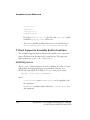
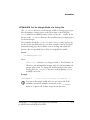
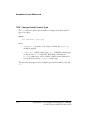
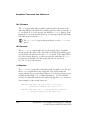
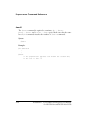
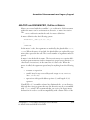
.LOCAL, Create a Unique Version of the Label
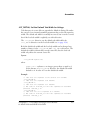
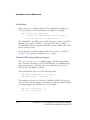
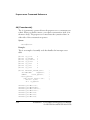
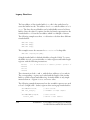
The .LOCAL directive is given with program labels used in macros. The
.LOCAL directive instructs the assembler to create a unique version of the
label at each invocation of the macro. This prevents duplicate label errors
from occurring when a macro is called more than once in a code module.
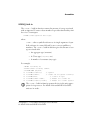
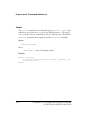
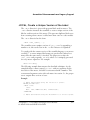
The .LOCAL directive has the form:
.LOCAL label_symbol[, … ];
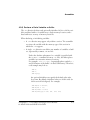
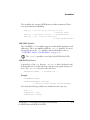
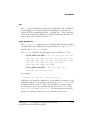
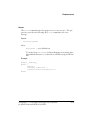
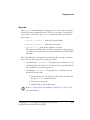
The assembler creates unique versions of label_symbol by appending a
number to it; this can be seen in the .LST file if macros are expanded.
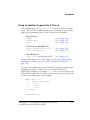
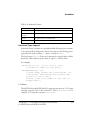
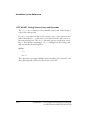
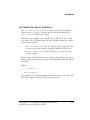
To comply with the current version of the assembly language, you can use
a trailing '?' to ensure unique label names are generated no matter how
many times the same macro is invoked. The preprocessor takes the
label_symbol and postpends _num to it, where num is uniquely generated
for every macro expansion. For example:
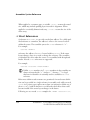
abcd? ===> abcd_1
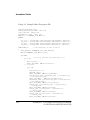
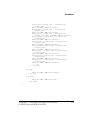
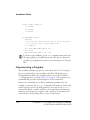
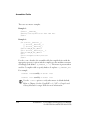
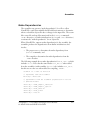
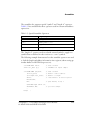
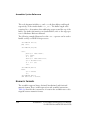
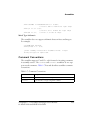
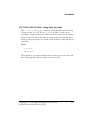
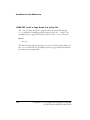
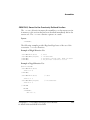
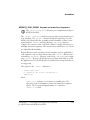
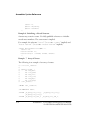
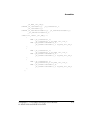
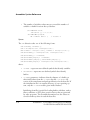
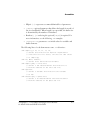
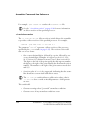
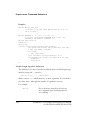
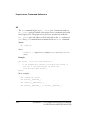
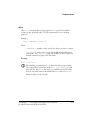
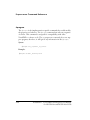
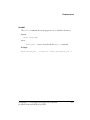
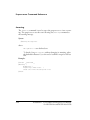
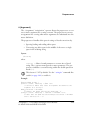
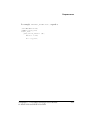
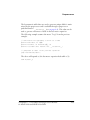
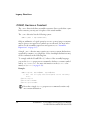
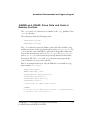
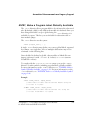
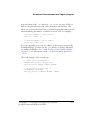
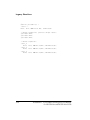
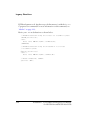
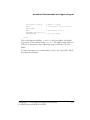
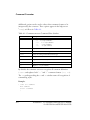
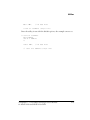
The following example demonstrates the described technique. A code
example declares a macro named getsLabel with one argument. In the
invocation of the macro, the label is concatenated with a number. This
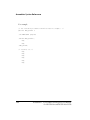
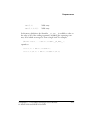
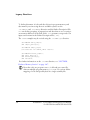
concatenated argument varies with each macro invocation. So, the preprocessor outputs three versions of start.
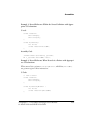
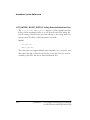
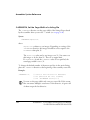
Example:
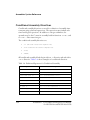
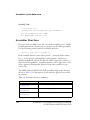
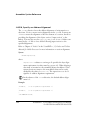
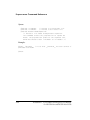
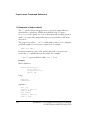
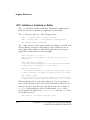
// Macro declaration using the release 6.1 syntax:
MACRO getsLabel(%1);
.LOCAL start;
start:
M5=1; I6=1; MODIFY(I6,M4); %1=DM(I6,M5);
.ENDMACRO;
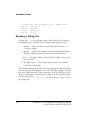
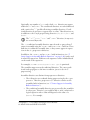
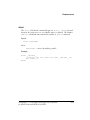
// Macro declaration using the VisualDSP++ 3.5 release syntax:
VisualDSP++ 3.5 Assembler and Preprocessor Manual
for ADSP-218x and ADSP-219x DSPs
3-17