1
Chapter 7 Networking
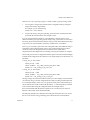
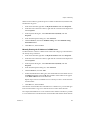
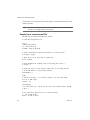
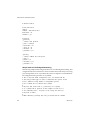
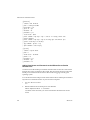
# WEB (make sure that if you are using named webhosting, names point to
# your host, not to guest... And if you are forwarding port other
# than 80 make sure that your server copes with mismatched port
# number in Host: header)
# lynx http://localhost:8888
#8888 = 192.168.27.128:80
# SSH
# ssh -p 8889 root@localhost
#8889 = 192.168.27.128:22
[incomingudp]
# UDP port forwarding example
#6000 = 192.168.27.128:6001
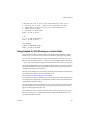
Using Samba for File Sharing on a Linux Host
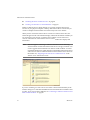
On a Linux host computer, VMware Server can automatically install and configure a Samba server to act as a file server for Microsoft Windows guest operating systems. You can then use Windows Explorer in the virtual machine to move and copy files between virtual machine and host — or between virtual machines on the same network — just as you would with files on physical computers that share a network connection.
The lightly modified Samba server installed by VMware Server runs over the VMware Server virtual Ethernet, and the Samba traffic between different operating systems is isolated from actual local area networks. The source code differences for the changes (in diff format and based on Samba 2.0.6) are available from VMware. For more information, see www.vmware.com/download/open_sources.html.
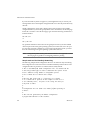
If you already have Samba configured on your Linux host, the recommended approach is to modify that configuration so it includes the IP subnet used by the VMware Server virtual Ethernet adapter, VMnet1.
You can configure your existing Samba server to work with a host‐only network. Note that all the shares you set up in Samba and in the guest operating system normally appear on the bridged network as well.
If you need to be sure the shares set up in the guest operating system are seen only on the host‐only network, you might find it easiest to install and use the Samba server provided with VMware Server.
VMware, Inc.
201