1
copy
The OS-9 Utilities
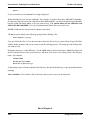
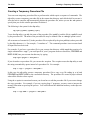
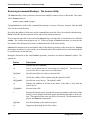
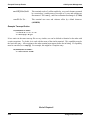
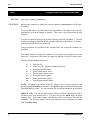
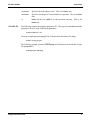
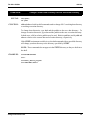
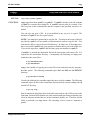
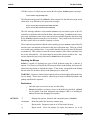
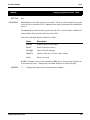
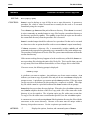
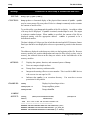
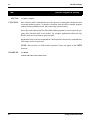
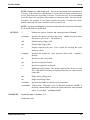
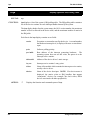
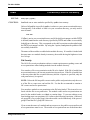
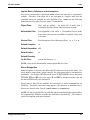
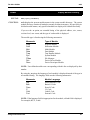
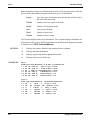
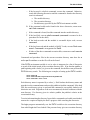
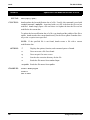
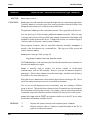
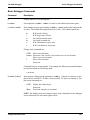
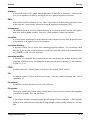
NOTE: copy always runs faster if you specify additional memory with the -b option.
This allows copy to transfer data with a minimum number of I/O requests.
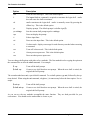
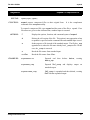
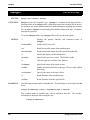
OPTIONS:
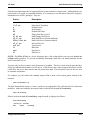
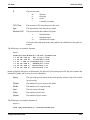
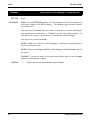
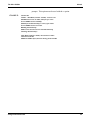
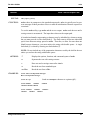
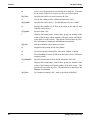
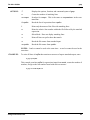
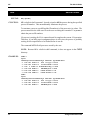
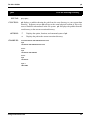
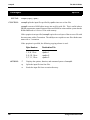
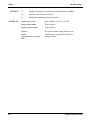
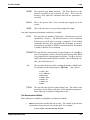
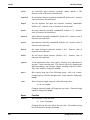
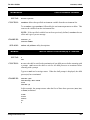
-?
Displays the options, function, and command syntax of copy.
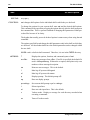
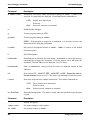
-a
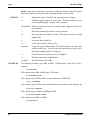
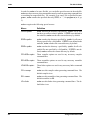
Aborts the copy routine if an error occurs. This option effectively cancels the continue (y/n) ? prompt of the -w option.
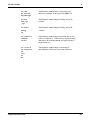
-b=<num>k Allocates <num>k memory to be used by copy. copy uses a 4K memory by default.
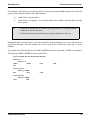
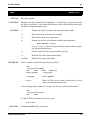
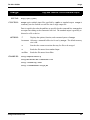
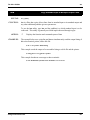
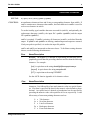
EXAMPLES:
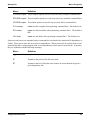
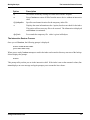
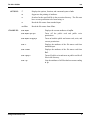
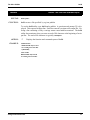
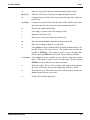
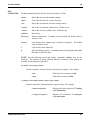
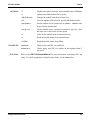
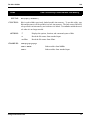
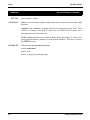
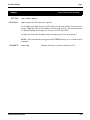
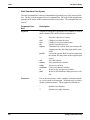
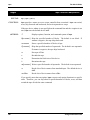
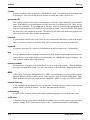
-f
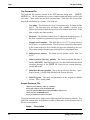
Rewrites destination files with no write permission.
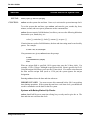
-p
Does not print a list of the files copied. This option is only for copying
multiple files.
-r
Overwrites the existing file.
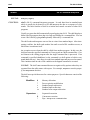
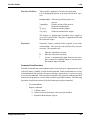
-v
Verifies the integrity of the new file.
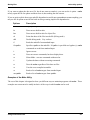
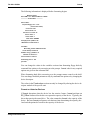
-w=<dir>
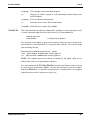
Copies one or more files to <dir>. This option prints the file name after
each successful copy. If an error such as no permission to copy occurs,
the prompt continue (y/n) ? is displayed.
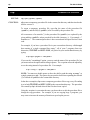
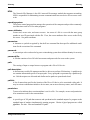
-x
Uses the current execution directory for <path1>.
-z
Reads file names from standard input.
-z=<file>
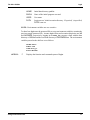
Reads file names from <file>.
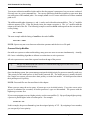
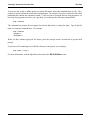
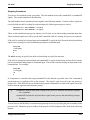
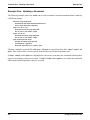
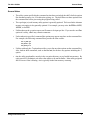
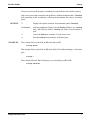
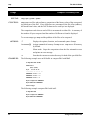
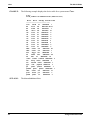
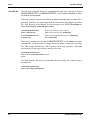
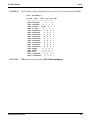
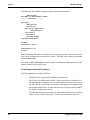
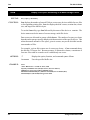
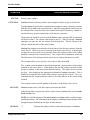
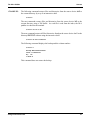
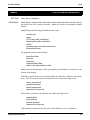
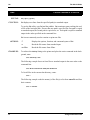
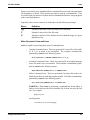
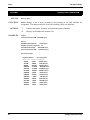
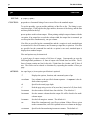
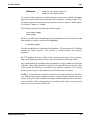
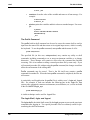
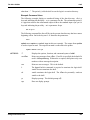
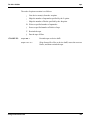
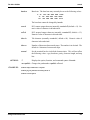
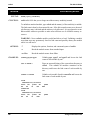
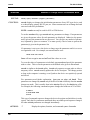
The following example copies file1 to file2. If file2 already exists, error #218 is
returned.
$ copy file1 file2
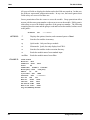
This example copies file1 to file2 using a 15K buffer.
$ copy file1 file2 -b=15k
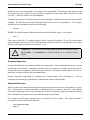
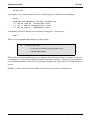
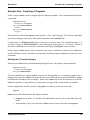
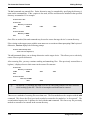
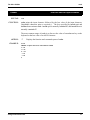
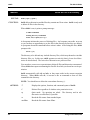
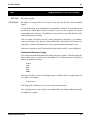
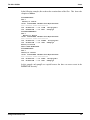
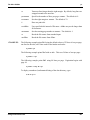
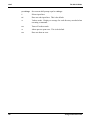
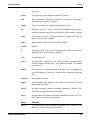
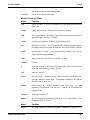
This example copies all files in the current data directory to MYFILE.
$ copy * -w=MYFILE
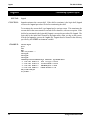
This example copies all files in the current data directory that have names ending in .lp.
$ copy *.lp -w=MYFILE
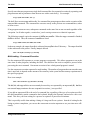
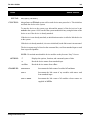
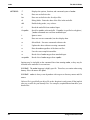
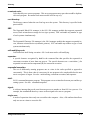
This example copies /d1/joe and /d0/jim to FILE.
$ copy /d1/joe /d0/jim -w=FILE
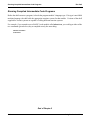
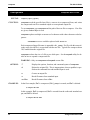
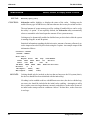
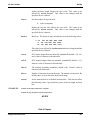
This example writes file3 over file4.
$ copy file3 file4 -r
20
Using Professional OS-9