1
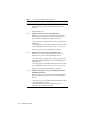
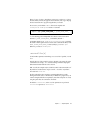
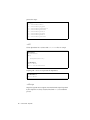
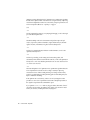
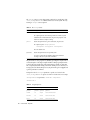
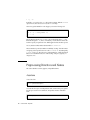
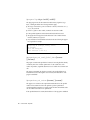
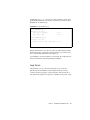
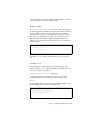
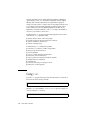
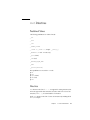
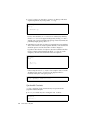
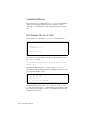
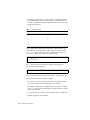
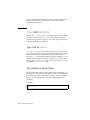
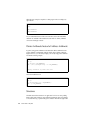
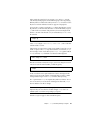
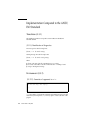
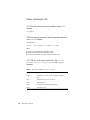
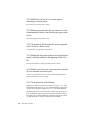
(6.2.1.3)The direction of truncation when an integral number
is converted to a floating-point number that cannot exactly
represent the original value:
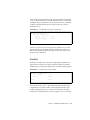
Numbers are rounded to the nearest value that can be represented.
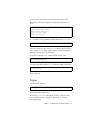
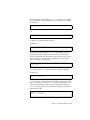
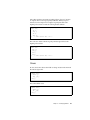
(6.2.1.4)The direction of truncation or rounding when a
floating- point number is converted to a narrower
floating-point number:
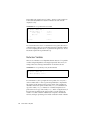
Numbers are rounded to the nearest value that can be represented.
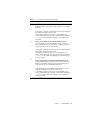
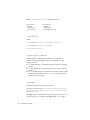
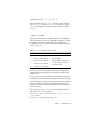
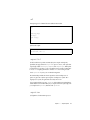
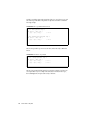
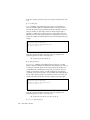
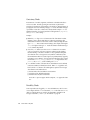
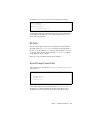
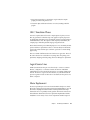
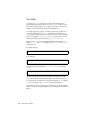
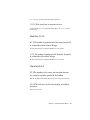
Arrays and Pointers(G.3.7)
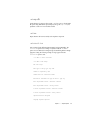
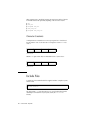
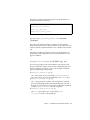
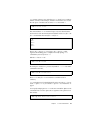
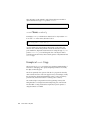
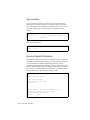
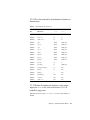
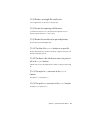
(6.3.3.4, 7.1.1)The type of integer required to hold the
maximum size of an array; that is, the type of the sizeof
operator, size_t:
unsigned int as defined in stddef.h.
unsigned long for -Xarch=v9
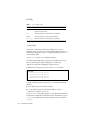
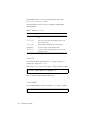
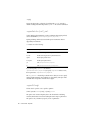
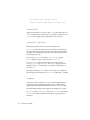
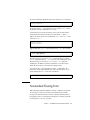
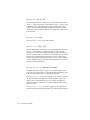
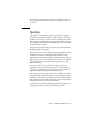
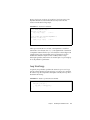
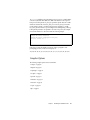
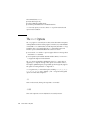
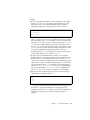
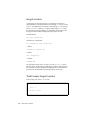
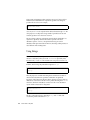
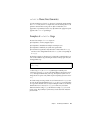
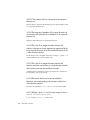
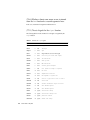
(6.3.4)The result of casting a pointer to an integer, or vice
versa:
The bit pattern does not change for pointers and values of type int, long,
unsigned int and unsigned long.
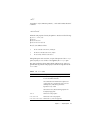
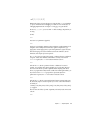
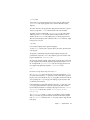
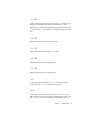
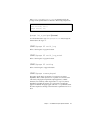
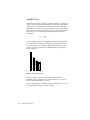
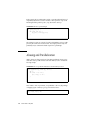
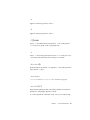
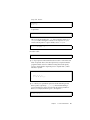
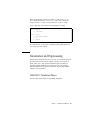
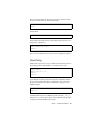
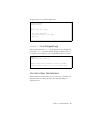
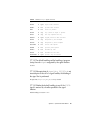
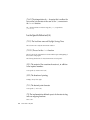
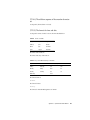
(6.3.6, 7.1.1)The type of integer required to hold the difference
between two pointers to members of the same array,
ptrdiff_t:
int as defined in stddef.h.
long for -Xarch=v9
282
C User’s Guide • May 2000