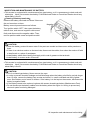
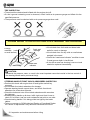
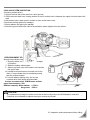
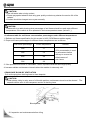
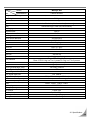
1
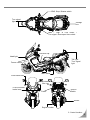
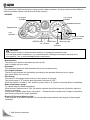
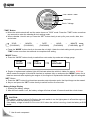
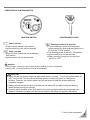
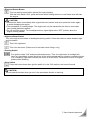
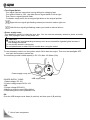
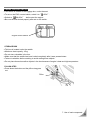
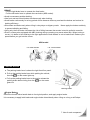
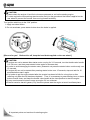
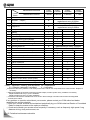
1. Contents ........................................................................................................................ 1 2. Control Location ............................................................................................................ 3 3. Before Riding ................................................................................................................ 4 4. Safe Riding .................................................................................................................... 4 5. Driving ........................................................................................................................... 5 6. Use Genuine Spare Parts ............................................................................................. 5 7. Use of Each Component ............................................................................................... 6 Gauges ........................................................................................................................... 6 Operation of Ignition Switch ............................................................................................... 9 Use of Buttons ............................................................................................................... 10 Engine control switch ...................................................................................................... 13 Storage Box ...................................................................................................................... 13 Pillion Step ........................................................................................................................ 13 Fuel Tank Cap ............................................................................................................... 14 Brake ............................................................................................................................ 15 Parking brake ................................................................................................................ 15 8. Important Points and Cautions for Starting Engine ..................................................... 16 9. The Best Way to Drive off ........................................................................................... 17 The Control of Throttle Valve Handle ................................................................................. 17 Parking Method .............................................................................................................. 17 10. Inspection and Maintenance before Riding ................................................................. 18 Routine Inspection .......................................................................................................... 18 Engine Oil Inspection and Change .................................................................................... 18 Fuel Inspection .............................................................................................................. 20 Transmission Oil Inspection and Change ........................................................................... 20 Inspection and Adjustment of Brake Free Play ................................................................... 21 Brake lever adjustment knob ............................................................................................ 21 Disc Brake Inspection ...................................................................................................... 22 Throttle Valve Handle Clearance Adjustment ..................................................................... 22 Inspection and Maintenance of Battery .............................................................................. 23 Tire Inspection ............................................................................................................... 24 Steering Handle Front Shock Absorbers Inspection ............................................................. 24 Rear Cushion Hardness Setting ....................................................................................... 25 Checking and Changing Fuses ......................................................................................... 25 Checking the Turn Signal Lights and Horn ......................................................................... 25 1 Checking the Front and Rear Lights .................................................................................. 26 Checking the Brake Light ................................................................................................. 26 Checking for Fuel Leakage .............................................................................................. 26 Checking the Lubrication of Body’s Various Mechanisms ..................................................... 26 Checking the Spark Plug ................................................................................................. 26 Cooling system inspection ............................................................................................... 27 Replenishment of coolant ................................................................................................ 27 A reference table for anti-freeze concentration percentages under different temperatures ........ 28 Crankcase Blow-By Ventilation ......................................................................................... 28 Checking the Air Cleaner ................................................................................................. 29 11. When there is an Abnormal Condition or a Trouble .................................................... 30 Diagnosis when Engine does not Start .............................................................................. 30 12. Suggestions on Engine Fuel ....................................................................................... 31 13. Transmission Oil ......................................................................................................... 31 14. Cautions for Riding Scooter ........................................................................................ 31 15. Periodical Maintenance Schedule ............................................................................... 32 16. Specification ................................................................................................................ 33 17. Postscript .................................................................................................................... 34 1. Contents 2 ENG. Stop / Starter switch Turn signal light Storage box Pass / High & Low beam / Turn signal / Seat open Horn switch Fuel tank cap Head light Tail light/ Turn signal light Frame number Side stand Main stand Front brake lever Coolant filler cap Front And Rear brake lever Fuses. Ignition switch Muffler Engine number 2. Control location 3 This manual describes the correct usage of this scooter including safety riding, simple inspection methods and so on. For a more comfortable and safety riding, please read this manual carefully. For your benefit, please ask your SANYANG dealer the operating manual and carefully read the following: Correct use of the scooter. Pre-delivery inspection and maintenance. Thank you very much for your patronage In order to maximize your scooter’s performance, a periodical inspection and maintenance should be completely carried out. We recommend that after riding your new scooter for the first 300 kilometers, you should take your scooter to the original dealer for an initial inspection, and to have your scooter inspected periodically every 1000 kilometers thereafter. In case the scooter’s specifications and construction are modified and different from the photos and diagrams on the owner’s manual / catalogues, the specifications and construction of the actual scooter shall prevail. 4. SAFE RIDING It is very important to be relax and clothe properly when driving, observe traffic regulations, do not rush, always drive carefully and relaxed. Usually, most people would ride their newly bought scooter very carefully, but after they became familiar with their scooters, they tended to become reckless which may result in an accident. To remind you: Please wear a safety helmet, and properly tighten the chin belt when riding a scooter. Clothes with open or loose cuffs may be blown by wind and cause the cuffs to get caught on the steering handle and thus affects riding safety. So, put on clothes with tight sleeves. Hold the steering handle by both hands when riding. Never ride with only one hand. Observe the speed limit. Wear suitable low-heel shoes. Perform periodical maintenance and inspection in accordance with the schedule. WARNING!! To avoid getting burned by exhaust pipe when taking a passenger. Make sure your passenger has put his/her feet on the pedals. After running, the exhaust pipe is very hot, be careful not to get burned when conducting an inspection or maintenance. After running, the exhaust pipe is very hot, select a suitable location to park your scooter to avoid others getting burned by the exhaust pipe. CAUTION: Modified scooter will affect its structure or performance, and cause poor engine operation or exhaust noise, which will result in shortening the scooter’s service life. Besides, modification is illegal and does not conform to the original design and specifications. A modified scooter will not be covered by warranty, therefore, do not modify your scooter at will. Tire and rim modifications will make it unsafe to ride and may cause severe injury or death. 4 3. Before riding 4. Safe riding Keep the related parts of your body such as arms, palms, lumbar, and toes relax and ride with the most comfortable posture in order to be able to react quickly whenever it is necessary. Rider’s posture will greatly affect riding safety. Always keep your body’s gravity in the center of the saddle, if your body’s gravity is on the rear part of saddle, the front wheel load will be reduced, and this will cause the steering handle shaking. It is dangerous to ride a scooter with an unstable handle. It will be much easier to make a turn if rider inclines his body inward when turning. On the other hand, the rider will feel unstable if his body and the scooter do not incline. The scooter is hard to control on a bumpy, unleveled, unpaved road, try to know the road conditions in advance, slow down and use your shoulder’s force to control the handle. Suggestion: Do not load objects on the front pedals unnecessarily, to avoid affecting the riding safety and the operation of steering handle. CAUTION: The rider’s feeling on the handle is slightly different with a load or without a load. Overload may cause the handle to swing and affects the riding safety. Therefore, do not overload your scooter. Overloading the scooter will cause the scooter to become unstable and hard to maneuver, it may cause serious damage to the tires and rims, as well as it may change the center of gravity, which could result in an accident that could cause injury or death. Do not exceed the maximum authorized load. CAUTION: Do not place flammable materials such as rags between the body side cover and engine to avoid components damaging by fire. Do not load objects on areas not specified for loading to avoid damage. SUGGESTION To maximize the scooter’s performance and prolong its service life: The first month or first 1000km is the wear- in period for the engine and components. Avoid rapid acceleration, and keep the speed below 60km/hr. 6. USE GENUINE SPARE PARTS In order to maintain the scooter’s best performance, each part’s quality, material, and machined precision must conform with the design requirements. “SYM Genuine Spare Parts” were made from the same high quality materials used for the original scooter. No parts would be sold to the market until they could meet the designed specifications through sophisticated engineering and stringent quality control. Therefore, it is necessary to purchase “SYM Genuine Spare Parts” from “SYM Authorized Dealers or Franchised Dealers” when replacing spare parts. If you buy cheap, or fake substitute parts from the market, no guarantee can be provided either for the quality or durability. Also, it may result in unexpected troubles and lower the scooter’s performance. Always use SYM Genuine Spare Parts to keep your scooters pure blood and to ensure its long service life. 5. DRIVING 6. USE GENUINE SPARE PARTS 5 (The following is SYM 4 stroke liquid cooling scooter’s basic operation, and they could vary from different individual models. Please consult the end of this manual.) GAUGES Turn Signal Indicator Turn Signal Indicator tachometer Speedometer Fuel Indicator MODE button Engine Coolant Temperature Low Oil Pressure Warning Light TIME button ABS Indicator SET button CAUTION : Not to have trouble on electrical meter working, or damage the electrical meter. Do not wipe plastic components, e.g. instrument panel, headlight, with organic solvents such. As gasoline…etc. to avoid damaging these components. Speedometer: This shows your speed in kilometers per hour (km/h) and in mileage per hour (mph). Odometer: This odometer shows the total kilometers this motor has been driven. Turn Signal Indicator: The left or right Indicator will be flashing according to the operated directions of turn signal light switch when it is turned on. Fuel Gauge: The pointer in this gauge shows how much fuel remains in the tank. The pointer stays in “E” position when key switch is turned to “OFF.” When key switch is turned to “ON”, and the “pointer” also in “E” position (red area).Refuel immediately. Water temperature gauge: To indicate engine coolant temperature. When the main switch turns to “ON”, the pointer indicator should be below the (H) position when the scooter is operating. If the pointer indicator stays above (H) position. Please check the coolant level of spare coolant tank and check cooling fan for proper operation. Engine Oil Pressure Warning Light If this indicator is activated more than 10 seconds after engine started, stop engine & check engine lubrication. 6 7. Use of each component ABS indicator light:(ABS Model) Normally the ABS indicator light goes on when the ignition switch is turned on and goes off shortly after the scooter starts moving. The ABS (Anti-lock Brake System) indicator light goes on when the ignition switch is turned on and goes off shortly after the scooter starts moving. If the ABS is normal, it stays off. If something is wrong with the ABS, the indicator goes on and stays on. When the indicator light is on, the ABS does not function but if the ABS fails, the conventional brake system will still work normally. Engine Oil Indicator EFi Indicator Parking brake Indicator Side Stand Down Indicator Storage box Indicator High Beam Indicator EFi Indicator It displays the condition of the EFi system. If there is any problem in the EFi system, the warning indicator will blink or light up all the time. Engine oil indicator Engine oil indicator is for showing engine oil inspection / replacement time. When the vehicle is ridden for approximately 6,000 kilometer, engine oil indicator illuminates which means engine oil inspection / replacement is needed. Press “MODE” (Oil Reset) button to reset engine oil mileage. Engine oil indicator goes off when the “MODE” button is pressed and the engine oil mileage will be recalculated from the current riding mileage. Engine oil level should be checked every 1,000 kilometer and replaced every 6,000 kilometer. Parking brake indicator: This means that the parking brake is pulled up. Storage box Indicator:This demonstrated the Storage box lamp opens. High Beam Indicator: This indicator comes on when the high beam headlight switch is turned on. Side Stand warning indicator: When the side stand pulls down , the warning indicator tights on and the engine cannot be started ,when the side stand raises up ,the indicator goes out and the engine can be started. CAUTION: Make sure the side stand is completely retrieved before riding to preventing causing danger. 7. Use of each component 7 Year / Month / Date Odometer Clock / Voltage “TIME” Button a. When the vehicle stands still and the meter shows on ”ODO” mode. Press the “TIME” button more than two seconds to enter the calendar & clock setting mode. b. When calendar / clock is set up. Press the “SET” button shortly to set up for year, month, date, hour and minute. YEAR → (FLASHING) MONTH (FLASHING) → DATE → HOUR (FLASHING) (FLASHING) → MINUTE (FLASHING) c. Press the “MODE” button shortly to increase the unit digit. Under the clock setting mode, press the “TIME” button more than two seconds to complete clock setting. “MODE” Button a. Press the “MODE” button shortly to switch from odo mode, trip mode and voltage gauge. TOTAL CLOCK TRIP CLOCK TRIP VOLTAGE b. Engine oil replacement indicator light will illuminate when the vehicle is ridden for approx. 6,000 km, which means the engine oil should be checked or replaced. Key on and press the “MODE” button for at least two seconds after replacing the engine oil, the engine oil replacement indicator light will extinguish. “SET” Button a. Press the “SET” button for at least two seconds under tripmeter mode, the trip mileage can be erased. b. Key on and press the “SET” button shortly to switch from km & mile mode. Battery Voltage Display 1. Showing the battery voltage. 2. After the main switch is on, the battery voltage will show at least 10 seconds and then clock shows. CAUTION: If the battery voltage is below 10.0V when the main switch is on, the light system is off and the engine is not started, check the battery at SYM dealer. If the battery voltage is below 10.0V or over 16.0V when the vehicle is moving, check the battery at SYM dealer. 7. Use of each component 8 OPERATION OF IGNITION SWITCH IGNITION SWITCH "Start" position Engine can be started in this position. Ignition switch key can not be removed. "Stop" position Engine is shut off and can not be started in this position . Ignition switch key can be removed. IGNITION SWITCH KEY "Steering handle lock" position Turn the steering handle to left and press ignition switch key down and then lightly turn it to left to the “LOCK” position. The steering handle is locked in this position. Ignition switch key can be removed. When unlocking, simply turn the key from “LOCK” to “OFF.” position How to open : Insert your key into the ignition switch, and turn it to the left. How to lock : Push the seat and it locks automatically. CAUTION: Never operate the ignition switch key when the scooter is running. To turn the ignition switch to “OFF” and “LOCK,” will shut off the electrical system and that may result in a dangerous accident. Therefore, the ignition switch can only be turned off after the scooter has been completely stopped. Always remove the key and be sure to take the key away with you after locking the steering handle before leaving your scooter. If ignition switch remains in the “ON” position for a prolonged period after the engine has been stopped, the battery’s capacity will be reduced and this may affect the engine’s start ability. 7. Use of each component 9 USE OF BUTTONS Passing switch Hazard Switch High/Low Beam Switch Engine Stop Switch Turn Signal Switch Light Switch Horn Switch Seat Open switch Electrical Starter Button Light Switch When the switch is turned to this position, headlight, position light, rear light, and panel light will come on. When the switch is turned to this position, position light, rear light, and panel light will come on. Hazard Switch When the switch is turned to this position, all lights will go off. The main switch in the〝 ON 〞 position, cuts according to this switch, four directions lantern festivals dodge extinguish do move, also can simultaneously dodge on the display board direction indicating lamp extinguishes does moves. If stops the vehicle has when the transportation frequent dangerous position or the vehicle the breakdown, may use the dangerous police to show the switch. Engine Stop Switch Switch to this position to turn off the engine when a state of emergency. Switch to this position and the engine can be started. Seat open Switch Turn ignition switch “ON” and press this button down. Then, the seat will unlock immediately. This button will return to original position after releasing. CAUTION: Make sure to take the key away with you before you lock your seat. 10 7. Use of each component Electrical Starter Button This is a starting motor button (switch) for engine starting. With the main switch "ON", press this button while holding the front or rear brake lever will start the engine. CAUTION: Release this button immediately after engine has been started, and never press the button again to avoid damaging the engine. This mechanism is a safety design. The engine can only be started after the front or rear brake lever (pedal) has been applied. Do not use light system. Turn headlight and turn signal lights to the “OFF” position when the engine is being started. High/Low Beam Switch This is the high and low beam of headlight switching switch. Press this switch to switch between high and low beams. This is for high beam. This is for low beam. (Please turn to low beam when riding in city) Passing Switch Turn ignition switch “ON” and press this button down. Then, the high beam of headlight will come on immediately to warn the driver of the vehicle ahead that you intend to overtake him/her. (For overtaking, high beam indicator will come on at this time) This button will return to original position after releasing Horn Switch Press this button down when ignition switch is in the “ON” position, the horn will sound. CAUTION: Do not press this button when you are in the area where there’s no honking. 7. Use of each component 11 Turn Signal Switch Turn signal lights are used when turning left/right or changing lane. Turn ignition switch to “ON”, and slide the turn signal switch to left or right. Then, the turn signal lights will flash. To release, simply return the turn signal light button to the original position. Right-side turn signal light flashing means you intend to make a right turn. Left-side turn signal light flashing means you intend to make a left turn. Power supply comp The accessory socket is inside the inner box .You can use the accessory socket to power a trouble light, PDA, spotlight, radio, or cell phone, etc. CAUTION: Do not plug in any head-generating accessory such as an automobile cigarette lighter because it can damage the socket. Do not use the socket in raining day. Do not splash water or other liquid on socket when using the socket. To use accessory socket, turn the ignition switch ON to start the engine. Then turn the headlights OFF , and open the accessory socket cap. The accessory socket’s rated capacity is DC 12V, Max 120 Watts (10A). A Power supply comp B USB supply comp POWER SUPPLY COMP: 1.Rated voltage: DC 12V 2.Control voltage scope:DC9V~16V USB: 3.Output voltage:DC5V±5% 4.Maximum output current:500mA(Max) 5.Overloading short circuit protection:>1A PS: Push the USB charger cover down (A position) and then open it (B position). 7. Use of each component 12 ENGINE CONTROL SWITCH This switch is located in the luggage box, under the seat. To set on the ENG. control switch, switch it to〝 LOCK〞. Switch to〝 UNLOCK〞,before start the engine. Be sure the seat locked preperly after set on the switch. engine control switch STORAGE BOX This box is located under the saddle. Maximum load capacity: 10kg. Do not store valuables in the box. Make sure that the saddle has been locked completely after it was pressed down. Take out valuables before washing to avoid wetting these objects. Do not place thermal sensitive objects in the box because of engine’s heat and high temperature. PILLION STEP Press down the button and the pillion step goes out. Pillion 7. Use of each component 13 FUEL TANK CAP【Fuel refilling】 1. Insert the key into the fuel tank cap, turn it counterclockwise and pull out the fuel tank cap. 2. Put the fuel tank cap into the fuel cap hole, turn the key clockwise and lock the fuel tank cap. Fuel tank cap CAUTION: Main stand should be put down on the ground, engine should be shut off and flames should be strictly prohibited to ensure safety when refueling. Do not fill above fuel upper limit when refueling. Otherwise, fuel will flow out through a hole on the cap that may damage the body’s painting, in serious cases, it may cause a fire to burn down the scooter. When refill the fuel, the flow rate should not be too big, in case of preventing the spurting to cause danger. Make sure the cap has been tighten properly. WARM AIR OUTLET This is the warm air outlet. Turn the knob down to " " position to open; turn the knob up to " " position to close. OFF ON Warm air outlet 7. Use of each component 14 BRAKE Pull the right brake lever to operate the front brake. Pull the left brake lever to operate the rear brake (ABS model). Avoid unnecessary sudden braking. Use front and rear wheel brakes simultaneously when braking. Avoid brake continuously for a long period of time because that may overheat the brakes and reduce its braking efficiency. Slow down and brake early when riding in rainy days on slippery roads. Never apply the brakes suddenly to prevent skidding and falling. Using only the front brake increases the risk of falling because the scooter is tend to pulled to one side. Even in motorcycles equipped with ABS, braking during cornering may cause wheel slip. When turning a corner, it is better to limit braking to the light application of both brakes or not to brake at all. Reduce your speed before you get into the corner. ABS model For Rear Wheel For Front Wheel PARKING BRAKE a. The parking brake lever is above the right front floor panel. b. Pull up the parking brake lever while parking the vehicle, then the” ” on the meter lights up. c. Pull up the parking brake lever to the end to release the parking brake before riding, then the “ ” on the meter goes out. Parking brake 《Engine Brake》 Return the throttle valve handle back to its original position, and apply engine brake. It is necessary to apply both brake and engine brake intermittently when riding on a long or stiff slope. 7. Use of each component 15 CAUTION: Please check the engine oil and fuel volume are adequate or not before starting engine. To start engine the main parking stand must be firmly on the ground and the brake is applied on the rear wheel to prevent the scooter from moving forward suddenly. Turn ignition switch key to the “ON” position. 1. Apply rear wheel brake. 2. Do not accelerate, press starter button when the brake is applied. 1/8 1/4 [We care for you! Before drive off, keep the hand brake applied on the rear wheel.] CAUTION: If engine can not be started after starter motor running for 3~5 seconds, turn the throttle valve handle 1/8~1/4 turns, and then press starter button again for an ease start. In order to avoid damaging the starter motor, please do not press the starter button continuously over 15 seconds. If engine still can not be started after pressing starter button over 15 seconds, stop and wait for 10 seconds before start it again. It is harder to get the engine started after the scooter has been left idle for a long time or after refueling only after the fuel has been depleted. Then, it is necessary to press starting lever or starter button several times, and keep the throttle valve handle at the close position to start the engine. It may need several minutes to warm up engine if it is a cold start. Exhaust contains harmful gases (CO), therefore please start the engine at a well ventilated place. 8. Important points and cautions for starting engine 16 Turn on the turn signal light before moving, and make sure no vehicle is coming from behind. Then, drive off. THE CONTROL OF THROTTLE VALVE HANDLE Deceleration Acceleration Acceleration : To increase speed. When riding on an inclined road, turn the throttle valve handle slowly to allow the engine to output its power. Deceleration : To decrease speed. PARKING METHOD When approaching the parking lot: 1. Turn on the turn signal light early, and pay attention to the vehicles in front, from rear, left and right, then take the inner lane and approach slowly. 2. Return the throttle valve handle back to its original position, and apply brakes in advance. (Brake light comes on when braking to warn drivers of vehicles behind.) When stop completely: 3. Press the turn signal switch back to its original position, and turn the ignition switch key to “OFF” position to shut off the engine. 4. Get off the scooter from left side after the engine has been stopped, and select a parking place where the scooter will not interfere with traffic and the ground is level, then put down scooter’s main parking stand. 5. Hold the steering handle with your left hand, and hold down the front end of saddle or hold the parking handle on the lower-left side of saddle with your right hand. 6. Press the main parking stand with your right foot, put down the main parking stand firmly on the ground. 7. Pull the parking brake. To remind you: Lock the steering handle and remove the key after parking to prevent the scooter from being stolen. CAUTION: Park your scooter at a safe place where it will not interfere with traffic. Should so as to ensure the flame-out engine the security of parking first while parking . Please cut off the engine for safety parking. 9. The best way to drive off 17 (Please refer to the components location diagram for the following components.) ROUTINE INSPECTION Check Items Check Key Points Engine Oil Is there enough engine oil? Fuel Is it enough? Is it Octane 90 or above Braking condition? (Brake lever free play: 20~30mm) Braking condition? (Brake lever free play: 20~30mm) Is tire pressure normal? (Standard: 2.0kg/cm2) Is tire pressure normal? (Standard: 2.3 kg/cm2 for 1 person, 2.5 kg/cm2 for 2 persons) Does the handle vibrate abnormally or is difficult to turn? Is it operated properly? Do lights come on? Can it be seen clearly from behind? Front Brake Rear Front tires Rear Steering Handle Speedometer, lights, and rearview mirror Tightness of Main Components Abnormal Points Are screws, nuts loosen? Do the previous troubles still exist? CAUTION: If any problem founded during routine inspection, correct the problem before using the scooter again, have your scooter checked and repaired by the “SYM dealer or authorized service personnel” if necessary. ENGINE OIL INSPECTION AND CHANGE INSPECTION: 1. Use the main parking stand to support the scooter on a level ground, remove the dipstick after engine stopped for 3~5 minutes. Wipe oil off the dipstick and then insert it into the guide tube again (Do not rotate it.) 2. Remove the dipstick and check whether oil level is in between the upper and lower marks. Add oil to upper limit if oil is under the lower limit. (Check cylinder, crankcase…etc for leakage.) OIL CHANGE: Change engine oil after the first 1,000km, and change the engine oil every 6,000km thereafter. Clean oil filter after the first 1,000km, Upper and clean oil filter every 20,000km. limit In order to maintain the engine’s maximum performance, check whether the engine oil is enough every 1,000km. Add oil to upper limit if the engine oil has been found to be inadequate. Engine Oil : Use API SL, SAE 5w-40 grade or better engine oil. Otherwise, damage will not be covered by warranty. ※Recommended Oil: SYM Genuine EXTRA 4X OIL. Oil Capacity : Lower 2.3 Liter (oil filter change: 2.0 liters.), limit 10. Inspection and maintenance before riding 18 ℃ 【Oil Filter Cleaning】 Open the filter nut assembly of the element, and remove the element. Remove the foreign materials from the element by using a gasoline or air spraying gun. WARNING: Oil level will not be correct when checking the oil level with the scooter parked on an unleveled ground or immediately after the engine stopped. Engine and exhaust pipe are hot right after engine stopped. Pay special attention not to get burned when checking or replacing engine oil. CAUTION: If the oil pressure warning light activated for more than 10 seconds after engine started, please shut the engine as soonest as possible. It is normal that this warning light to be activated for 6~8 seconds after engine started. If this light keeps ON more than 10 seconds or even longer, the engine oil pressure may be too low for sufficient lubrication. An immediate lubrication check is highly advice. Please kindly check the engine oil level by dipstick to ensure there is sufficient oil inside the engine, if the oil level is correct yet the warning light does not disappear, please contact your SYM dealer. OIL PAPER FILTER CHANGE Please check or replace according to the maintenance kilometer. WARING: Exchange the oil paper filter and O-ring as well. O-ring oil paper filter 10. Inspection and maintenance before riding 19 FUEL INSPECTION Turn main switch key to "ON" position, and check fuel gauge's needle range to make sure there is enough amount of fuel in the fuel tank. This scooter’s engine is designed for using the unleaded fuel of Octane 90 or above. Firmly secure the main stand on the ground, shut off the engine and keep flames away from the scooter when refueling. Do not fill above fuel upper limit level when refueling. Make sure the fuel tank cap had been tighten properly. TRANSMISSION OIL INSPECTION AND CHANGE INSPECTION: Use the main stand to support the scooter on a level ground, after the engine stops, wait for 3~5 minutes. Remove the transmission oil infusion bolt, put a measuring glass under the drain bolt, and remove the drain bolt. Let the oil flows into measuring glass and check for decreased or not. at disassembly: 350 cc. / at change: 330 cc. OIL REPLACEMENT: transmission Stop the engine and use the main stand to support your scooter on oil pours into a level ground. Remove the infusion bolt and drain bolt, drain out the oil. Install the drain bolt and tighten it. Fill new transmission oil (330 cc.), and install the infusion bolt and tighten it. (make sure that bolts are tightened and check that there’s no leakage.) ※Recommend Oil: Genuine SYM HYPOID GEAR OIL (SAE 85W-140). Drain bolt Use SAE85-90 when outside temperature is below 0℃. Gear oil drain plug 10. Inspection and maintenance before riding 20 INSPECTION AND ADJUSTMENT OF BRAKE FREE PLAY INSPECTION: (Brake lever free play must be checked with the engine shut off.) Brake lever free play for front and rear wheels When checking the hand-braking lever for front and rear wheels, its free play (the stroke of hand-braking lever from no braking to initial braking) should be 10~20mm. It is abnormal if the feel is spongy when holding the hand-braking lever forcefully. BRAKE LEVER ADJUSTMENT KNOB operation: Push the brake lever forward to the end (A), and turn the span adjustment knob. There are four positions on the span adjustment knob; position 1 is the shortest span between the brake lever and the handgrip with the loosest braking feel, position 4 is the longest span between the brake lever and the handgrip with the tightest braking feel. 10~20 mm A To decrease free play To increase free play DISK BRAKE INSPECTION (Applicable for model equipped with disc brake.) (Leak, damaged, looseness of brake line) Visual check brake lines for leakage, or damage, check brake lines connections for looseness using a wrench or similar tool, and check whether steering handle vibration in driving, or any parts' interference may have damage the brake lines. If so, bring your scooter to your SANYANG dealer for repairing or service. Hose connection CAUTION: Please drive your scooter on a dry road surface slowly and operate front and rear brakes in order to find out if there is any malfunction so as to ensure the scooter is at its optimum condition and safe to ride. 10. Inspection and maintenance before riding 21 ﹙Checking front brake lining﹚ Check the brake from behind the brake caliper. The brake pad must be replaced with new lining when the brake pad wear limit reaches the brake disk. ﹙Checking oil quantity in brake oil reservoir﹚ Park the scooter on a level ground, and check if fluid level is under the “LOWER” mark. Recommended Brake Fluid: WELL RUN BRAKE OIL (DOT 3). Brake caliper Brake pad wear limit grooves Brake disk ﹙Replenishment of front wheel brake fluid﹚ 1. Loosen the screws and remove the master cylinder cover. 2. Wipe clean foreign materials , dirt around the reservoir, being careful not to let foreign materials fall into the reservoir. 3. Remove the diaphragm plate and the diaphragm. 4. Add brake fluid to upper level. 5. Install the diaphragm plate and the diaphragm, and install the master cylinder cover. 6. Please note the diaphragm direction, and do not let foreign materials fall into the reservoir. And tighten the master cylinder cover securely. Screw Master cylinder cover Diaphragm Upper Brake fluid CAUTION: To prevent chemical reaction, please do not use brake fluids other than those recommended. Do not fill above the upper limit when adding brake fluid and avoid dropping on painting or plastic components to prevent damage. THROTTLE VALVE HANDLE CLEARANCE ADJUSTMENT Correct clearance allows throttle vale handle to rotate 2~6mm. Loosen the lock nut first, then turn the adjust nut to adjust. Tighten the lock nut securely when finished. Check Items: 1. Check throttle valve cable to see if it can be moved smoothly from a closed position to a wide open position. 2. Rotate steering handle from side to side to check if the throttle valve cable is interfered. 3. Check to see if the throttle valve cable is obstructed by other cables preventing it from being operated smoothly. 2~6mm Lock nut Adjust nut 10. Inspection and maintenance before riding 22 INSPECTION AND MAINTENANCE OF BATTERY This scooter is equipped with a maintenance-free type battery, so it is unnecessary to check and add electrolyte. Have your scooter checked by SYM Authorized Dealer or Franchised Dealer should any abnormality is found. 〈Cleaning of battery terminals﹚ Remove the battery terminals and clean if there are dirt and corrosion on them. Negative Battery removal procedures are as follows: Turn ignition switch “OFF”, then open the battery cabinet door, and remove negative cable screw Positive firstly and disconnect the negative cable. Then, remove positive cable screw and positive cable. CAUTION: Clean the battery posts with warm water if the posts are eroded and have some white powders on them. If there is an obvious erosion on the terminals, disconnect the cables, then clean the erosion off with a steel brush or a piece of sandpaper. Install battery cable after cleaning and apply a thin coat of grease on the terminals. Install battery in reverse order of removal. This scooter is equipped with a maintenance-free type battery, so it is unnecessary to check and add electrolyte. Have your scooter checked by SYM Authorized Dealer or Franchised Dealer should any abnormality is found. CAUTION: This is a closed type battery. Never remove the caps. In order to prevent electrical leakage and self-discharge when the battery sits idle for periods longer than 15 days, remove the battery from scooter and store it in a well-ventilated and dimly lighted area. Store battery out of reach of children. If the battery is to be kept on the scooter, disconnect the battery’s negative cable. If the battery needs to be replaced, replace with a same closed-type battery (Maintenance-Free). Do not disconnect the battery cables from the battery when the engine is running to prevent any electronic parts from being damaged. 10. Inspection and maintenance before riding 23 TIRE INSPECTION Tires should be checked and inflated with the engine shut off. If a tire’s ground contacting curve is abnormal, check it with an air pressure gauge and inflate it to the specified pressure. Tires pressure must be checked with an air pressure gauge when cold. PLEASE REFER TO SPECIFICATIONS FOR STANDARD TIRE PRESSURE Foreign materials (nails or small stones) Crack and damage Tread wear indicator Visual check tires for frontal and lateral side walls for crack or damage. Visual check tires for any nails or small stones wedged in the tread. Check the “tread wear indicator” condition to see if tread groove depth is insufficient. A tire with a wear bar showing is worn out and should be replaced immediately. CAUTION: Abnormal tire pressure, wear, or crack is the most important cause that results in the loss control of the steering handle and a punctured tire(s). STEERING HANDLE FRONT SHOCK ABSORBERS INSPECTION Perform this check with engine shut off and ignition switch key removed. Visual check front shock absorbers for damage. Operate steering handle up and down, and check front shock absorbers for noises due to bends. Check the bolts and nuts of front shock absorbers with wrenches for tightness. Shake steering handle up & down, left & right, and front & rear to check if it is loosen, has too much resistance and pulls to one side. Check steering handle if it is being pulled too tight by the brake cables. Take your scooter to SYM Authorized Dealer or Franchised Dealer for a check or adjustment if any abnormal conditions are found. 10. Inspection and maintenance before riding 24 REAR CUSHION HARDNESS SETTING The rear cushion is 5 stage adjustable type. It’s set at 3th stage when manufactured, and you can adjust it depending on your need. Turn the adjust collar of the cushion to adjust it’s hardness. CAUTION: Turn counterclockwise to harden it, and turn clockwise to soften it. Mark sure adjust both cushion at the same time to be sure the riding stability. soft hard CHECKING AND CHANGING FUSES Turn off ignition switch, and check fuses if they are intact. Replace the blown fuse with a new one having the same specified amperage rating . Using a fuse of more than 30、20 、15 or 10 amperes, a brass or iron wire to replace a blown fuse is strictly prohibited to avoid damaging the electrical system and the circuit. Remove the storage box, and you’ll find the fuse box near light. Open the fuse box cover, and pull out the fuse. Check it for damage or broken. Fuses must be firmly secured with wire connectors when replacing. Loose connections will result in overhead and damage. Use only parts having the specified specification to replace electrical components such as light bulbs. Using parts not having the specified specifications for replacement may cause the fuse to blow and over-discharge the battery. Avoid spraying water directly on or around fuse box when washing the scooter. Take your scooter to your dealer for an inspection if a fuse is blown by unknown causes. Fuse box Burned fuse CHECKING THE TURN SIGNAL LIGHTS AND HORN Turn the ignition switch key to “ON” position. Turn on the turn signal light switch, and make sure that the front & rear and left & right signal lights flashes and also check if the warning buzzer sounds. Check turn signal light covers if they are dirty, crack, or loosen. Press horn button to check if it works. CAUTION: Specified specification bulbs should be used for turn signal lights. Otherwise, the normal operation of turn signal lights will be affected. Turn on the turn signal light before turning or switching lane to warn driver of vehicles behind. Turn off the turn signal light immediately by pressing its button down after using. Otherwise, the flashing of twin signal lights may confuse the drivers of vehicles behind. 10. Inspection and maintenance before riding 25 CHECKING THE FRONT AND REAR LIGHTS Start engine and turn on the head lamp switch. Check if head lamp and rear lamp come on. Check the brightness and direction of front light by wall to see if it is correct. Check the head lamp cover if it is dirty, crack, or loosen. CHECKING THE BRAKE LIGHT Turn the ignition switch key to “ON” position, hold the hand-braking levers for front and rear wheels. Check if the brake lights come on. Check the brake light cover if it is dirty, crack, or loosen. CAUTION: Use only specified specification bulbs, do not use bulbs with different specifications to avoid damaging electrical system, burning out bulbs, and discharging the battery. Do not modify or add other electrical components to prevent over load or short circuit which may result in a fire and burn down the scooter in serious cases. CHECKING FOR FUEL LEAKAGE Check fuel tank, fuel cup, fuel hoses, carburetor for leakage. CHECING THE LUBRICATION OF BODY’S VARIOUS MECHANISMS Check the body’s pivot points if they have enough lubrication. (For example, the pivot points on the main stand, the side stand, and the brake lever…etc.) CHECKING THE SPARK PLUG Remove the cap of spark plug cable (remove the spark plug using the spark plug wrench in the tool kit. Check the electrode if it is dirty or fouled by carbon deposits. Remove the carbon deposits on the electrode with steel wire, and clean the spark plug with gasoline, then, wipe dry with a rag. Check the electrode, and adjust its gap to 0.8 mm. (Check it with a feeler gauge) Hand tight the spark plug as far as it can go and then tighten it another 1/2~3/4 turns with a wrench. 0.7~0.8mm WARNING: The engine is very hot after running. Pay attention not to get burned. ※Use only spark plugs suitable for the engine specifications of this scooter recommended by the manufacturer. (Refer to specifications.) 10. Inspection and maintenance before riding 26 COOLING SYSTEM INSPECTION (Checking coolant lever) 1. Support vehicle with main stand on a level ground. 2. Check reserved tank from viewing window to see if coolant level is between the upper limit and lower limit mark. 3. Add coolant up to upper mark if coolant is close to the lower mark. (Check the cooling system for leakage) Check radiator and piping for leakage. Check the ground where the vehicle is parked for water dripped from the vehicle. REPLENISHMENT OF COOLANT Always keep radiator cap tightly closed. 1. Support vehicle on a level ground in a straight up position. 2. Open the battery cabinet door. 3. Open surge tank cap, refill coolant until reaches the upper mark. If coolant level becomes too low and occurs too often, it may indicate there is something wrong with the coolant system. To avoid radiator getting rusty, do not use coolants other than those recommended. Coolant recommended: SYM Bramax radiator agent Concentration: 50% Radiator capacity: Main radiator :1,750 cc. Surge tank : 350 cc. CAUTION: The replacement of engine coolant should be carried out by authorized SYM dealer's mechanic. Customer is not allowed to replace the engine coolant by himself. 10. Inspection and maintenance before riding 27 CAUTION: Use soft water when mixing coolant. Please pay special attention that using poor quality coolant may shorten the service life of the radiator. Coolant should be changed once a year normally. CAUTION: Please refer to a table showing what percentage of anti-freeze should be used under different temperatures if the vehicle is to be operated in the low temperature areas. (below 0℃) A reference table for anti-freeze concentration percentages under different temperatures 1. Radiator anti-freeze specification for this scooter is H68. (SYM Bramax radiator agent) 2. Proper anti-freeze percentages for different frozen temperatures are as follows: Anti-freeze percentage Frozen temperature 20% -8 30% -15 40% -24 50% -36 Remark 50% concentration is used for all scooters before delivery to ensure the effectiveness of anti-freeze. 3. If the specified anti-freeze is unavailable, use an equivalent with the same high quality. 4. Increase radiator maintenance intervals when the weather is extremely cold. CRANKCASE BLOW-BY VENTILATION Pull out the plug from draining hose to clean deposits CAUTION: When always riding in rainy area or full throttle position, maintenance travel must be shorted. deposits can be seen in the transparent section of draining hose. Blow-by hose 10. Inspection and maintenance before riding 28 The CHECKING THE AIR CLEANER 《DISASSEMBLE PRCEDURE》 1. Remove mounting screws from air cleaner cover. 2. Remove the air cleaner cover, then remove filter element. 3. Take the element out and clean it. (Refer to maintenance schedule.) 《ASSEMBLE PRCEDURE》 Assemble the air cleaner in reverse order of disassemble. Cover screws AIR CLEANER CAUTION: Dust deposit is one of the major causes of reducing output horsepower and increasing fuel consumption. Change the air cleaner element more frequently to prolong the engine’s service life if the scooter is driven on dusty roads very often. If air cleaner is installed improperly, dust will be absorbed into cylinders, which may cause a premature wear and reducing output power and engine life. Be careful not to soak the air cleaner when washing the scooter. Otherwise, it will cause engine hard to start. 10. Inspection and maintenance before riding 29 DIAGNOSIS WHEN ENGINE DOES NOT START (1). Has the ignition switch key been turned to “ON” position? (2).Anti-thief switch stir to 〝 For Rear Wheel (3). Is there enough fuel in the fuel tank? UNLOCK〞 position? For Front Wheel (4). Is the rear or front wheel brakes applied when pressing starting button? Turn signal light switch 1/8 1/4 Horn button (5). Do you rotate the throttle valve handle while pressing starting the button? (6). Turn the ignition switch key “ON”, and press horn button down, if the horn does not sound, the fuse may have been blown. 【Have your scooter checked by SYM authorized dealer or franchised dealer immediately if there are no problems with the above items and engine still can not be started.】 11. When there is an abnormal condition or a trouble 30 12. SUGGESTIONS ON ENGINE FUEL This scooter is designed to use UNLEADED gasoline of Octane No. 90 or higher. If the scooter is operated in high attitude (where the atmosphere pressure is lower), it is suggested that the air/fuel ratio should be readjusted to maximize the engine performance. 13. TRANSMISSION OIL Recommended Oil: Genuine SYM HYPOID GEAR OIL (SAE 85W-140) Use SAE85-90 when outside temperature is below 0℃. 14. CAUTIONS FOR RIDING SCOOTER 1. Raise the scooter with the main stand, and sit on the saddle. Push the scooter forwarding to raise the main parking stand. CAUTION: Never rotate the throttle valve handle at will to increase the engine RPM before driving off. 2. Get on the scooter from the left side, and sit on the saddle properly, keep your feet firmly on the ground to prevent the scooter from falling. CAUTION: Apply brake on the rear wheel before driving off. 3. Rotate the throttle valve handle slowly, and then the scooter will begin to move. CAUTION: Rapidly rotate the throttle valve handle may cause the scooter moving forward suddenly and it is very dangerous. Make sure the side parking stand is spring back completely before driving off. 【Do not use the brake suddenly and make a sharp turn】 Rapid braking and sharp turning will cause slip and fall. Rapid braking or sharp turning will cause slipping, lateral slipping, or fall especially in rainy days when the road is wet and slippery. 【Drive with extreme caution during rainy days】 The brake distance in rain day or on wet road will longer than that on a dry road. Therefore, slow down and prepare to apply the brake earlier. The throttle valve handle should be released, and the brakes should be properly applied as it is needed while reducing the speed when going down a slope. 12. Suggestions On Engine Fuel 13. Transmission Oil 14. Cautions For Riding Scooter 31 Maintenance kilometer Every 1,000km Every 5,000km Every 10,000km Every 15,000km 1 Month 3 Months 6 Months 1 Year 1 Check Maintenance Interval Items Air cleaner element* 2 Oil filter (Paper) R 3 Oil filter (mesh filter) I 4 Engine oil R 5 6 7 8 9 10 11 12 13 14 15 16 17 18 19 20 21 22 23 24 25 26 27 Tire, pressure Battery Spark plug Carbon Deposit cleaning on Throttle valve Steering bearing and handles Check Transmission for leakage Check crankcase for leakage Transmission Oil Brake Fluid Drive Belt/roller/Drive Pulley Fuel tank tubes and Fuel filter Throttle valve operation and cable Bolts and nuts Cam Chain Valve clearance Shock absorbers Front/rear suspension Main/side stand Crankcase Blow-by system (PCV) Coolant Cooling fan, tubes Clutch, Clutch outer, Driven pulley Brake mechanism/brake lining (pads) ** Light, Switches and Electrical system I I I I I I I R I 28 I C R second replace at 6,000km. Further replacement every 6,000km. Cleaning every 10,000km second replace at 6,000km. Further replacement every 6,000km I I I I I I I I/L I I I I I I I I R I I I I Replacement for every 10,000km Replacement for every 20,000km C R I I I I I I I I/L C I R I C I I Code: I ~ Inspection, cleaning, and adjustment R ~ Replacement C ~ Cleaning (replaced if necessary) L ~ Lubrication * Replace the filter every 5000km under dusty environment. Never use compressed air to clean the filter. Replace if necessary. ** Clean and replace the internal component of brake caliper, master cylinder every 10000km if necessary. Replace brake fluid every 2 years / 30000km. Replace brake hose every 4 years / 60000km. ☆ The above maintenance schedule has to be done if either mileage or duration had reached its designated maintenance criteria. If any problem or question raised about your scooter, please contact your SYM authorized dealer regardless the service schedule. ☆ Have your scooter checked and maintained periodically by your SYM Authorized Dealer or Franchised Dealer to keep the scooter at the optimum condition. ☆ Check and maintain your scooter more frequently if necessary, such as frequently high speed / long distance driving, dusty environment, etc. 32 15. Periodical maintenance schedule Model Item Specification Length / width / Height Maxsym 600 LX60A SERIES 2,270 mm / 825 mm / 1,410 mm Net Weight 244 kg maximum load 394 Kg Type 4- stroke 4V electroplated ceramic cylinders engine Fuel UNLEADED(OCTANE 92 OR HIGHER) Cooling type Displacement Compression ratio Starting methods Front shock absorber Rear shock absorber Clutch Transmission Front tire Rear tire Front rim Rear rim Wheel Tire pressure Front brake Rear brake Front light bulb(high, low) Brake light bulb(tail light) License light bulb Turn signal light bulb Engine oil capacity Transmission oil capacity Fuel tank capacity Fuse Spark plug Battery capacity Air cleaner Fuel tank cap Front light Rear grab frame Water-cooled 565 cc 10.2:1 Electrical TELESCOPE UNIT SWING Centrifugal type CVT 120 / 70 - R15 160 / 60 - R14 J15×MT3.5 J14×MT4.5 Aluminum alloy Front: STD 2.0kg / cm2, Rear: STD 2.3 kg / cm2 for 1 person,2.5 kg / cm2 for 2 person Disk type (Ø 275 mm) Disk type (Ø 275 mm) 12V 55W / 55W×2 LED 5W×1 12V 10W×4 2.3L (oil filter change: 2.0 liters) 350 cc. (330 cc. for change) 14.2 L 30A×1, 20A×1, 15A×2, 10A×1 NGK CR 8E 12V 11.2Ah Paper type Open lock type General type (single) Can not load cargo 16. Specification 33 Anti-lock brake system ABS is designed to help prevent the wheel from locking up when hard brakes are applied while running straight. The ABS automatically regulates brake force. Intermittently gaining gripping force and braking force helps prevent wheel lock-up and allows stable steering control while stopping. Brake control function is identical to that of a conventional motorcycle. The brake lever is used for the front brake and the brake pedal for the rear brake. Although the ABS provides stability while stopping by preventing wheel lock-up, remember the following characteristics: ABS cannot compensate for adverse road conditions, misjudgment or improper application of brakes. You must take the same care as with motorcycles not equipped with ABS. ABS is not designed to shorten the braking distance. On loose, uneven or downhill surfaces, the stopping distance of a scooter’s with ABS may be longer than that of an equivalent motorcycle without ABS. Use special caution in such areas. ABS will help prevent wheel lock-up during straight-up braking, but it cannot control wheel slip which may be caused by braking during cornering. When turning a corner, it is better to limit braking to the light application of both brakes or not to brake at all.. Reduce your speed before you get into the corner. The computers integrated in the ABS compare vehicle speed with wheel speed. Since non-recommended tires can affect wheel speed, they may confuse the computers, which can extend braking distance. CAUTION: ABS cannot protect the rider from all possible hazards and is not a substitute for safe riding practices. Be aware of how the ABS system operates and its limitations. It is the rider’s responsibility to ride at appropriate speeds and manner for weather, road surface and traffic conditions. 17. Postscript 34 SYMEN 2014/01