1
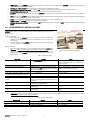
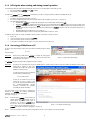
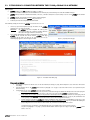
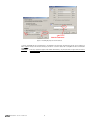
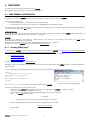
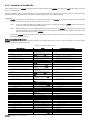
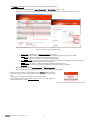
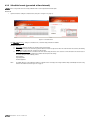
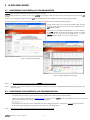
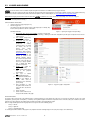
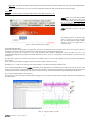
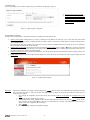
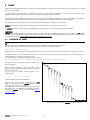
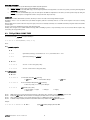
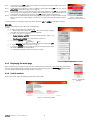
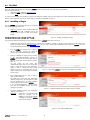
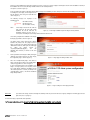
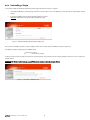
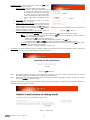
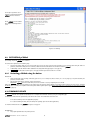
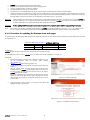
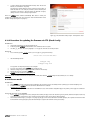
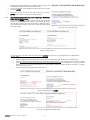
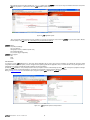
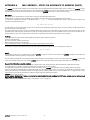
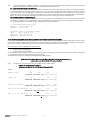
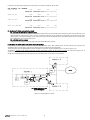
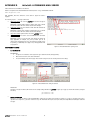
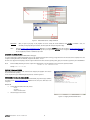
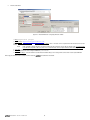
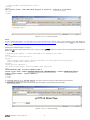
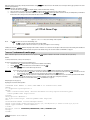
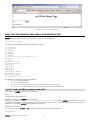
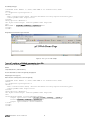
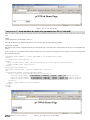
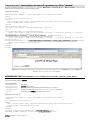
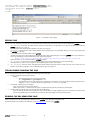
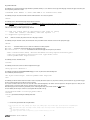
3.1.3 LED signals when starting and during normal operation Immediately after reboot, the Status LED and Ethernet LED must come on as described below. If remain both off, check: the correct installation of pCOWeb on the pCO controller; the connection of the power supply. The Status LED (pCOWeb status and pCOWeb-pCO communication, see Table 1.a on page 8) behaves as follows immediately after reboot: 1. Remains off for 2 seconds; 2. then flashes quickly green/red for a further 2 seconds; 3. then comes on GREEN steady for around one and a half minutes (unless the button is pressed, see 3.1.2 on page 12); 4. then starts flashing GREEN or RED: GREEN flashing: pCOWeb has completed the start-up phase and is communicating correctly with the pCO; RED flashing: pCOWeb has completed the start-up phase but is not communicating with the pCO: this may be due to incorrect settings of the pCOWeb or some of the parameters on the pCO; the default parameters ensure correct communication, therefore this situation will only occur if the parameters have been changed. In this case, after having established the PC-pCOWeb connection, check the communication settings (see 9.5 on page 44); RED without flashing: Rescue Mode (see 9.10.3 on page 55). GREEN without flashing for at least 3 minutes: fault; contact CAREL Industries S.r.l. service. The Ethernet LED (see Table 1.b on page 8) is GREEN in normal conditions. If it remains red, the causes may be: the PC is off; or the connector has not been inserted on the pCOWeb; or the connector has not been inserted on the PC; or: the cable is not working, or the PC requires a crossover cable and this has not been used. 3.1.4 Accessing pCOWeb from a PC On the PC open Internet Explorer; in the address field enter the following number, including the dots: 172.16.0.1 then press ENTER. IMPORTANT Before pressing ENTER wait for pCOWeb to complete the start-up phase (check that the Status LED is flashing normally), otherwise the required web pages will not be sent to the PC. Figure 3.h - Opening the index.html page The pCOWeb main page “index.html” will be displayed (see Figure 3.i below). IMPORTANT This page can be customised by the user, and by default appears as shown in Figure 3.i below. If it has been modified or deleted, the custom page or nothing will be displayed; in these cases, remember that a copy of the factory page is available in read-only memory. To recall the factory page (even if index.html has been deleted or modified), type: 172.16.0.1/defindex.html (to save this as index.html, access the User memory via FTP, see 4.2 on page 17, and copy the file /usr/local/root/defindex.html to the /usr/local/root/flash/http/ directory, renaming it index.html; any customised index.html page will be overwritten). This page provides access to the page for configuring the functions of the pCOWeb. The network communication parameters should be configured immediately. See chapter 8 on page 39. NOTE 1 NOTE 2 Remember that if pCOWeb is now rebooted (for example, switching the pCO controller off and on again) without pressing the button again as described in 3.1.2 on page 12, pCOWeb will use the user-set IP address; if this is different than the factory value, it may be impossible to connect to pCOWeb (this situation is described in paragraph 3.2 on page 14). Figure 3.i – The default “index.html” page At the end of procedure, restore the previous configuration on the PC so as to be able to access the network again. pCOWeb +030220471 – rel. 2.0 – 28.02.2011 13