1
108
S.R. Peters
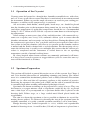
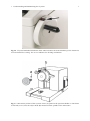
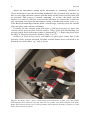
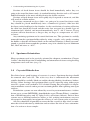
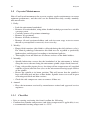
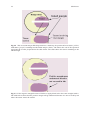
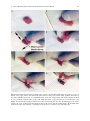
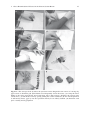
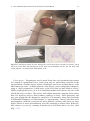
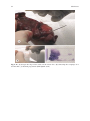
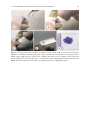
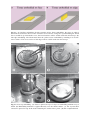
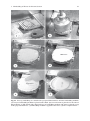
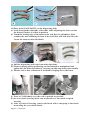
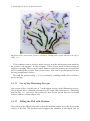
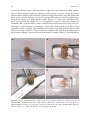
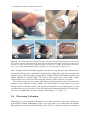
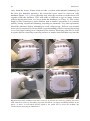
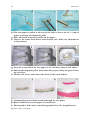
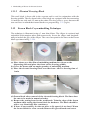
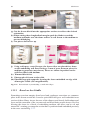
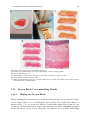
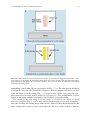
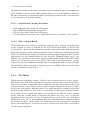
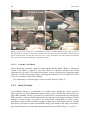
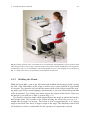
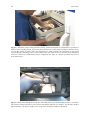
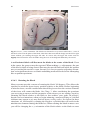
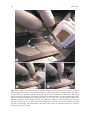
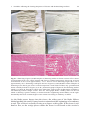
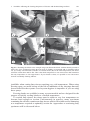
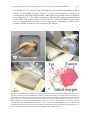
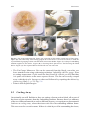
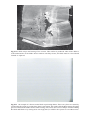
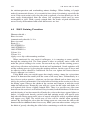
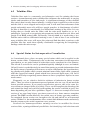
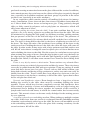
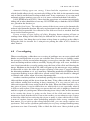
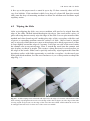
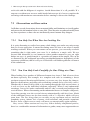
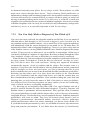
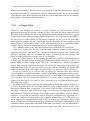
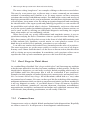
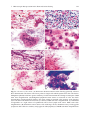
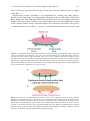
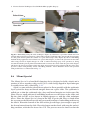
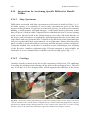
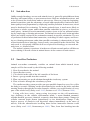
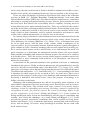
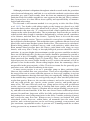
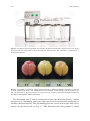
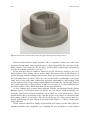
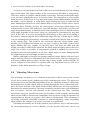
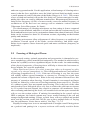
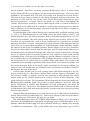
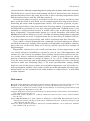
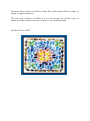
Fig. 5.6 The gouge and plastering. Figure (a) A portion of skin with a central area of fatty tissue.
Figure (b) The softer fatty tissue being gouged out of the block. Care must be taken to avoid the
cryostat blade if gouging is done with the block in the block holder. Figure (c) A drop of embedding
medium applied to the defect. Figure (d) A freezing block placed over and freezing the filled
defect. Figure (e) The repaired defect which will now cut with ease
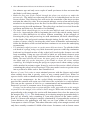
• The Fat Gouge Maneuver. Fat can be removed from the block even after you
have started to trim using a plastering technique I playfully call The gouge. Even
at cutting temperature if you touch the fatty tissue in a block you will find that
it is quite soft relative to the more aqueous tissues. The fat can be easily scraped
away with the tip of a forceps or other tool followed by repairing the defects by
plastering (Chap. 3, p. 23) Fig. 5.6.
• Paint it with liquid nitrogen.
5.3
Curling Away
Occasionally one will find that as they are cutting a frozen section block, all or part of
the tissue section separates from the embedding medium. Because there is a tendency
of the two different materials to curl to different degrees, we experience a phenomenon
I refer to as curling away, where the tissue curls out of its embedding medium frame.
This can occur for several reasons. If there is a thin layer of fat surrounding the tissue,