1
Reaching Target Weight
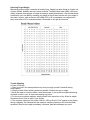
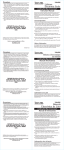
Maintaining proper weight is essential to healthy living. Obesity has been linked to a higher risk
of heart disease, diabetes and some forms of cancer. The Body Mass Index (BMI) is the most
widely accepted measurement of weight according to health professionals. Use the chart below
to determine your own BMI by matching your height in the left hand column with your weight in
the center. Anyone, male or female, with a BMI of 25 to 29 is considered over weight and a
body mass index of 30 is considered obese. Remember to eat right and exercise.
Trouble Shooting
In Case of Difficulty...
1. Place your feet in the same position every time you weigh yourself. Stand still during
measurement.
2. Weigh yourself without clothing whenever possible. Clothes can vary in weight.
3. Move the scale to a location where it won't be bumped. If your scale is bumped while being
activated or while in use, an inaccurate reading may occur.
4. For the most consistent readings, weigh yourself at the same time of day. Allow for weight
fluctuations due to food or drink in your system.
5. The maximum capacity of this scale is 440 lb / 200 kg. Should “O-Ld” appear on the display
during a weighing, this indicates that the maximum weighing capacity of the scale has been
exceeded. Remove the weight immediately; otherwise, permanent damage may occur.