1
Heater model installation and operation manual
The Relationship Between the Chimney and the House
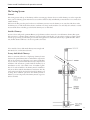
Because the venting system is the engine that drives the wood heating system, it must have the right characteristics. The signs of
bad system design are cold backdrafting when there is no fire in the stove, slow kindling of new fires, and smoke roll-out when the
door is opened for loading. There are two guidelines to follow. First, the chimney should be installed up through the heated space
of the house, not out and up an outside wall. Second, the chimney should penetrate the top of the building at or near the highest
heated space.
Why inside chimneys are preferred
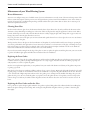
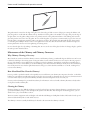
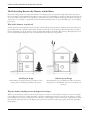
Venting systems that rise straight up from the stove flue collar provide the best performance. Chimneys that rise inside the warm
space of the house tend to provide a small amount of draft even when there is no fire burning. This means that when you light a
fire, the initial smoke goes up the chimney and strong draft builds quickly as the chimney flue warms up. Although they are common in North America, chimneys that exit a house wall and run up outside can cause problems.
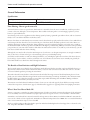
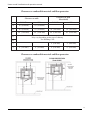
Good System design
Inferior System Design
Inside chimneys are preferred because even when no fire is
burning, there is normally upward flow in the system.
Outside chimneys are a problem because when no fire burns
they will go into cold backdraft if the stove is installed low in
the house.
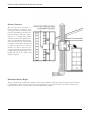
Why the chimney should penetrate the highest heated space
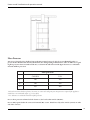
When it is cold outside, the warm air in the house is buoyant so it tends to rise. This tendency of warm air to rise creates a slight
pressure difference in the house. Called ‘stack effect’, it produces a slightly negative pressure low in the house (relative to outside)
and a slightly positive pressure zone high in the house. If there is no fire burning in a heater connected to a chimney that is shorter
than the warm space inside the house, the slight negative pressure low in the house will compete against the desired upward flow
in the chimney.
24