1
COOKING GUIDES
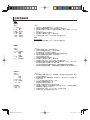
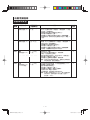
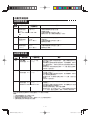
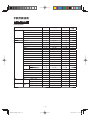
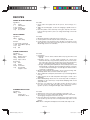
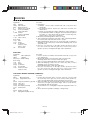
- Advice for MICROWAVE Cooking Techniques
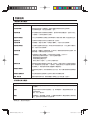
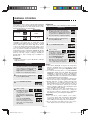
Arrange food carefully
Place the thickest areas toward outside of dish.
Watch cooking time
Cook for the shortest amount of time indicated and add more time as needed.
Food severely overcooked can smoke or ignite.
Cover foods before
cooking
Check recipe for suggestions: paper towels, microwave plastic wrap or a lid.
Covers prevent spattering and help foods to cook evenly. (Helps keep oven
clean)
Shield foods
Use small pieces of aluminium foil to cover thin areas of meat or poultry in
order to avoid overcooking.
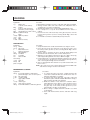
Stir foods
From outside to centre of dish once or twice during cooking, if possible.
Turn foods
Foods such as chicken, hamburgers or steaks should be turned over once
during cooking.
Rearrange foods
Like meatballs arrange halfway through cooking both from top to bottom and
from the centre of the dish to the outside.
Allow standing time
After cooking ensure adequate standing time. Remove food from oven
and stir if possible. Cover during standing time can allow the food to finish
cooking completely.
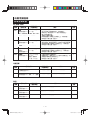
Check for doneness
Look for signs indicating that cooking temperature has been reached.
Doneness signs include:
– Steam emits throughout the food, not just at edge;
– Joints of poultry can be torn apart easily;
– Pork and poultry show no pinkness;
– Fish is opaque and flakes easily with a fork.
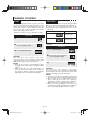
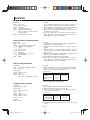
Condensation
A normal part of microwave cooking. The humidity and moisture in food
will influence the amount of moisture in the oven. Generally, covered foods
will not cause as much condensation as uncovered foods. Ensure that the
ventilation openings are not blocked.
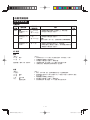
Microwave safe plastic
wrap
For cooking food with high fat content, do not bring the wrap in contact with
the food as it may melt.
Microwave safe plastic
cookware
Some microwave safe plastic cookware are not suitable for cooking foods
with high fat and sugar content.
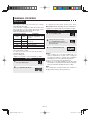
Cake/Meatloaf
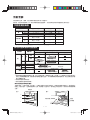
For cooking cake or meatloaf, place the container on the glass tray in lower
position (position 2).
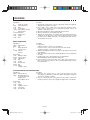
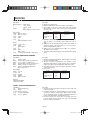
- Advice for defrosting Defrosting Techniques
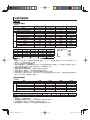
Arrange
Arrange food in a single even layer on the shallow dish. This will ensure that
all parts of the food defrosts evenly.
Separate
Foods may be stuck together when removed from the freezer. It is important
to separate foods as soon as possible during defrosting.
e.g. steaks, chops
Stand
Standing time is necessary to ensure food is thoroughly defrosted. Food
must stand, covered, for a length of time to ensure the centre has completely
defrosted.
NOTE:
• Remove all packing and wrapping before defrosting.
EN – 30
SRH AX1100R_en.indd 30
2011/10/25 15:08:54