1
GB
OIL RECOMMENDATIONS
FUEL RECOMMENDATIONS
CAUTION: Engine is shipped from Briggs & Stratton without oil. Before starting
engine, fill with oil. Do not over fill.
Use a high quality detergent oil classified For Service SF, SG, SH, SJ" or higher.
Do not use special additives.
SAE 30 405 F and higher (55 C and higher)
is good for all purpose use above 40°F, use below 40°F will cause hard starting.
10W-30 0 to 1005 F (−18 to 385 C)
is better for varying temperature conditions. This grade of oil improves cold
weather starting, but may increase oil consumption at 80°F (27°C) or higher.
* Check oil level frequently at higher temperatures.
Synthetic 5W-30 −20 to 1205 F (−30 to 405 C)
provides the best protection at all temperatures as well as improved starting with
less oil consumption.
5W-30 405 F and below (55 C and below)
is recommended for winter use, and works best in cold conditions.
This engine is certified to operate on gasoline. The emission control system for
this engine is EM (Engine Modifications).
Always use gasoline that meets these requirements:
• Clean, fresh unleaded gasoline.
• A minimum of 87 octane/87 AKI (91 RON). If operating at high altitude, see below.
• Gasoline with up to 10% ethanol (gasohol) or up to 15% MTBE (methyl tertiary
butyl ether), is acceptable.
• Use of any gasoline other than those approved above will void the engine
warranty. In some local areas fuel pumps may be marked if the gasoline contains
alcohols or ethers. If you are unsure about the gasoline you purchase check with
your fuel provider.
• Do not modify the engine fuel system or carburetor to run on alternative fuels.
• Never mix oil with gasoline.
All gasoline is not the same. If you experience starting or performance problems
after new gasoline has been used in your engine, switch to a different fuel
provider or change fuel brands.
CAUTION: Some fuels, called oxygenated or reformulated fuels, are fuels
blended with alcohols or ethers. Excessive amounts of these blends can damage
the fuel system or cause performance problems. If any undesirable operating
symptoms occur, use gasoline with a lower percentage of alcohol or ether.
FUEL STABILIZER
To protect the fuel system from gum formation, mix in a fuel preservative when
adding fuel. Briggs & Stratton recommends using FRESH STARTt fuel
stabilizer, available as a liquid additive, concentrated liquid cartridge or granular
additive.
HIGH ALTITUDE USE
At higher altitudes (over 5,000 feet), 85 octane/85 AKI (89 RON) gasoline can be
used. Operation at high altitude may require a high-altitude carburetor jet kit to
improve performance and decrease fuel consumption. See an Authorized Briggs
& Stratton dealer for more information.
OIL CAPACITY
Engine oil capacity is approximately 2.3 liter (80 ounces) when changing oil and
filter.
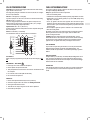
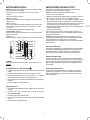
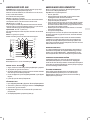
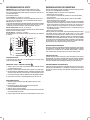
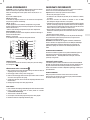
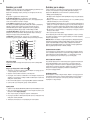
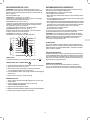
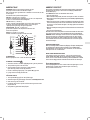
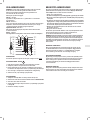
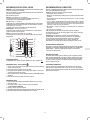
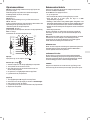
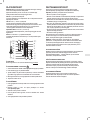
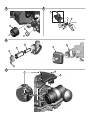
CHECKING OIL − SEE FIGURE 2
ADDING FUEL
Clean around fuel fill before removing cap. Remove cap. Fill tank to approximately 1-1/2 inches below top of neck to allow for fuel expansion. Be careful not to
overfill.
1. Place engine level. Clean around oil fill and dipstick.
2. Remove dipstick and wipe clean with cloth.
3. Then push dipstick back in and remove to check oil level. Oil should be at FULL
line on dipstick .
4. If oil is needed, remove oil fill cap and add slowly.
5. Fill to FULL mark on dipstick. ADDING OIL
1. Remove oil fill cap and add 2 liters(67 ounces). Install cap.
2. Start and run engine at idle for 30 seconds. See Starting Instructions.
3. Shut engine off and wait 30 seconds.
4. Then add more oil slowly to bring level to FULL mark on dipstick .
5. Install oil fill cap and dipstick.
3