1
Chapter 13
Networking Cisco Unity Express
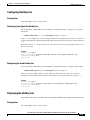
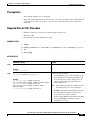
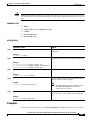
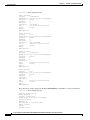
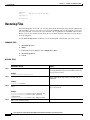
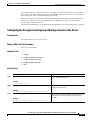
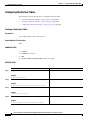
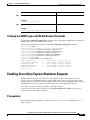
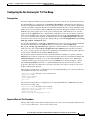
Configuring the LRU Cache
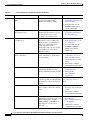
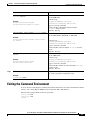
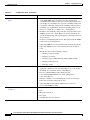
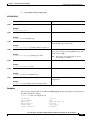
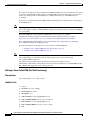
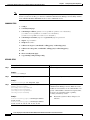
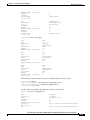
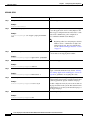
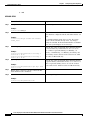
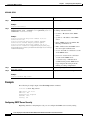
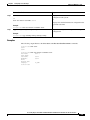
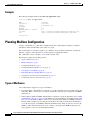
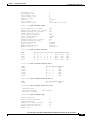
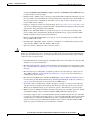
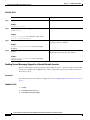
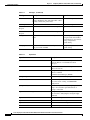
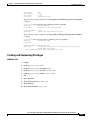
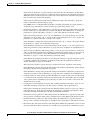
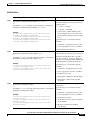
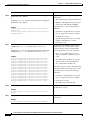
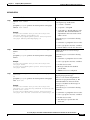
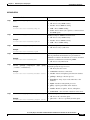
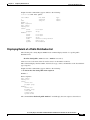
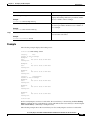
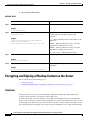
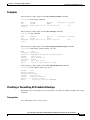
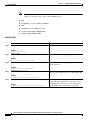
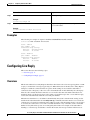
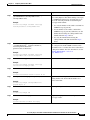
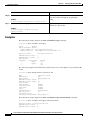
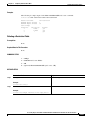
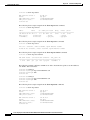
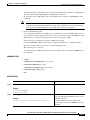
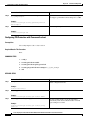
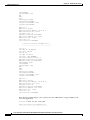
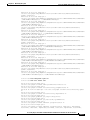
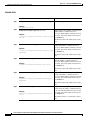
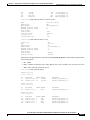
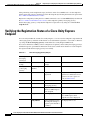
se-10-0-0-0# show network detail location id 15
Name:
Abbreviation:
Email domain:
Minimum extension length:
Maximum extension length:
Phone prefix:
VPIM encoding:
Send spoken name:
Send vCard:
State:
VPIM broadcast ID:
Sent msg count:
Received msg count:
houston
hou
hou.mycompany.com
2
15
4
dynamic
enabled
enabled
enabled
vpim-broadcast
0
0
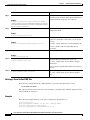
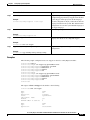
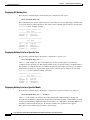
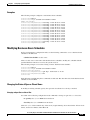
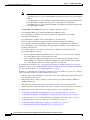
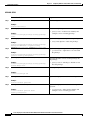
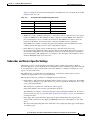
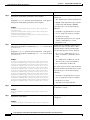
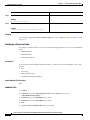
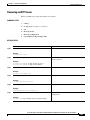
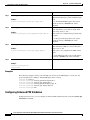
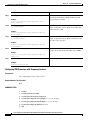
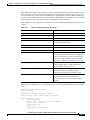
Displaying vCard Status For the Local System
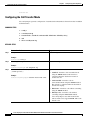
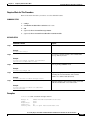
The following EXEC mode command displays details for the local Cisco Unity Express system:
show network detail local
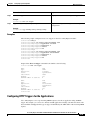
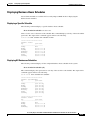
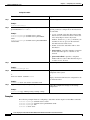
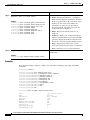
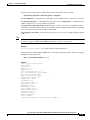
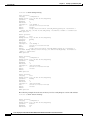
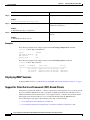
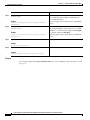
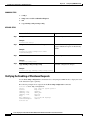
The following example displays details for the local system with vCard enabled:
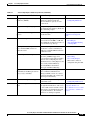
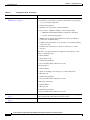
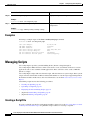
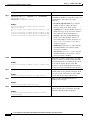
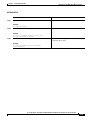
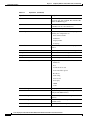
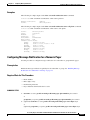
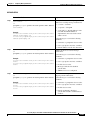
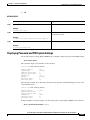
se-10-0-0-0# show network detail local
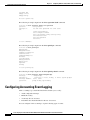
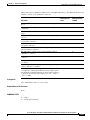
Location ID:
Name:
Abbreviation:
Email domain:
Minimum extension length:
Maximum extension length:
Phone prefix:
VPIM encoding:
Send spoken name:
Send vCard:
State:
VPIM broadcast ID:
10
SanJoseCA
sjc
sjc.mycompany.com
2
15
G726
enabled
enabled
enabled
vpim-broadcast
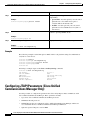
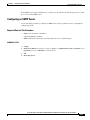
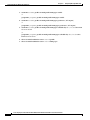
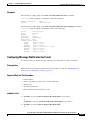
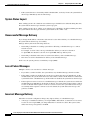
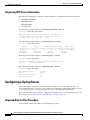
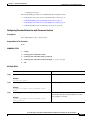
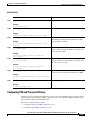
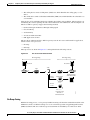
Configuring the LRU Cache
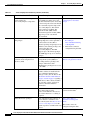
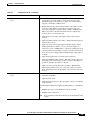
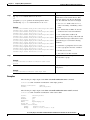
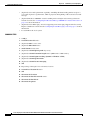
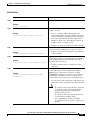
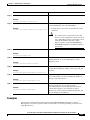
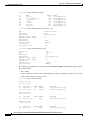
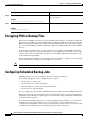
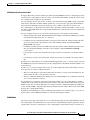
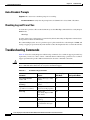
Cisco Unity Express supports a least recently used (LRU) cache that contains vCard information about
remote subscribers. An LRU cache is a database of remote subscribers’ first names, last names, and
spoken names. These remote subscribers are not configured in the Remote User Directory. The
subscribers contained in the cache are referred to as cached users.
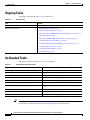
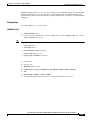
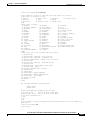
Network messages update the contents of the LRU cache. When a local sender addresses a voice-mail
message to a remote subscriber, the system accesses this information to send a spoken name
confirmation about the remote subscriber to the local sender. Each time a network message arrives from
a cached user or each time a local sender sends a voice message to a cached user, the system updates the
timestamp of the cached user’s entry in the LRU cache.
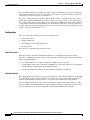
When the LRU cache reaches its maximum capacity, a new entry erases the existing entry with the oldest
timestamp. This means that the next time a local sender calls a remote subscriber, the sender will not
receive a spoken name confirmation if the remote subscriber is no longer in the LRU cache. The number
of subscribers that the LRU cache stores depends on the hardware module installed. See the Release
Notes for Cisco Unity Express for the maximum cached users supported.
Cisco Unity Express Voice-Mail and Auto-Attendant CLI Administrator Guide for 3.0 and Later Versions
OL-14010-09
13-21