1
ACTIVITY 19. THE CHOCOLATE FACTORY—HUMAN INTERFACE DESIGN
hard to see the problems (they say that if you see a VCR whose clock is not flashing 12:00, it’s
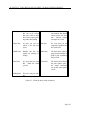
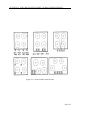
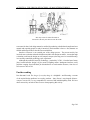
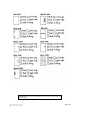
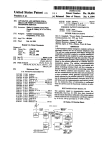
a sure indication that the household contains teenagers.) Figure 19.3 shows a set of instructions
and schematic diagram for an early VCR; from it the class could attempt to map a detailed list
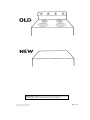
of instructions, in sequence, for recording a TV programme. Re-design the controls as a class
exercise—the children could hardly do worse than this!
What’s it all about?
Human–computer interaction is about designing, evaluating, and implementing computer systems that allow people to carry out their activities productively and safely. In the old days,
computers were for specialists and the users could be expected to be highly educated and specially trained in their use. But now computers are everyday tools that we all must use, and far
greater attention must be paid to the human interface.
Many disasters, some involving loss of life, have occurred because of inadequate interfaces:
airplane crashes and even shoot-downs of civilian airplanes, freeway pile-ups because of errors
in switching remotely-operated highway signs, nuclear power station disasters. On a smaller
scale, most people experience frustration—often extreme frustration (a police officer once fired
bullets into his computer screen)—with computers and other high-tech devices every day in the
workplace. And it is not just computers: what about those shrink-wrapped packages that you
could only open if you had sharp claws or a hooked beak, doors that hurt your wrist as you try
to push your way through, milk cartons that always splash you when you open them, elevators
where you can’t see how you’re supposed to push the button, home entertainment systems whose
advertisements claim to do everything, but make it almost impossible to do anything?
We are becoming used to “human error” and to thinking of ourselves as somehow inadequate; people often blame themselves when things go wrong. But many so-called human errors
are actually errors in design. People have information-processing limitations and designers need
Page 207