1
6.3
·
Handling
Segmenting facsimile documents
The second plugin which is available from the tool bar is the “Segment facsimile” plugin.
It can be used to divide a facsimile picture of a page into character-, word- and line-boxes.
Currently the “Segment facsimile” plugin is based on GOCR [GOCR], an open source OCR
program which emits positional informations of the recognized character boxes.
At the time of writing, the “Segment facsimile” plugin is basically being used to automatically get geometrical informations about word occurrences in old, Gothic type facsimile
pages. Because there still exist no practical OCR solutions for the recognition of such texts,
we simply ignore the recognized characters. This procedure may be also viable for the segmentation of other facsimile editions like for example old, hand-written manuscripts which
can not be recognized by OCR programs at all. Although the real text information still has
to be extracted by transcription in this case, it is nevertheless helpful to automatically get
the geometrical information.
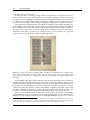
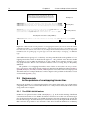
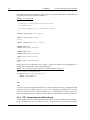
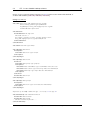
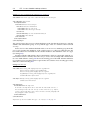
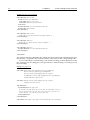
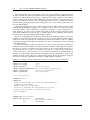
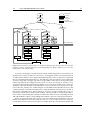
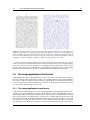
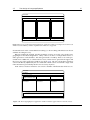
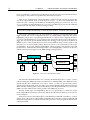
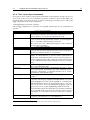
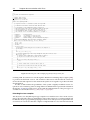
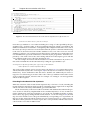
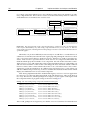
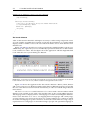
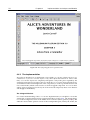
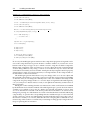
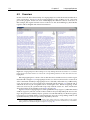
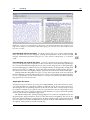
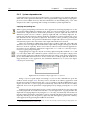
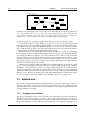
Figure 6.7: Segmentation of a facsimile document into words and lines. The character boxes have not
been created in this case for clarity reasons.
Notice that is is possible to manually resize and move the generated boxes (see figure
6.7) by using the mouse. It is also possible to remove boxes or add new boxes this way.
Once a facsimile document is completely segmented, the elements representing the boxes
can be subsequently linked automatically with the corresponding text elements on a word
and sentence level which may be an interesting option for historical and critical editions.
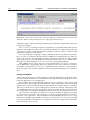
As with the “Segment text” plugin, the invocation of the “Segment facsimile” plugin creates a new document encoding which is represented by a new tab in the encodings window
of the document.
Linking two documents together
One of the most powerful and potentially most complex plugins is the “Link documents”
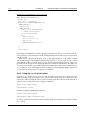
plugin. It takes two encodings and links the elements of these encodings together. Currently the linking is performed based on the structural properties of the involved encodings. In the easiest case this means that elements with the same name are linked together,
but this procedure can also be parameterized such that for example an facsimile-fragment
element with a type attribute set to line from a facsimile document will be linked with a
line element of a page- and line-wise encoded text document.
Because of restrictions in the text synchronization mechanism in LanguageExplorer, the
linking information is currently stored in the link attribute of every element. This however
Dissertation der Fak. f. Informations- u. Kognitionswissenschaften, Univ. Tübingen - 2004
145