1
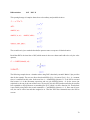
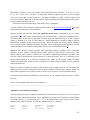
Pi = π the number
pi = π the Greek letter
PI = Π, the capital Greek letter
GAMMA(x) = the gamma function
gamma = the constant .577 (Euler constant),
Gamma = Γ, capital letter
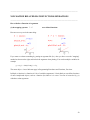
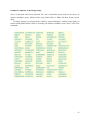
alpha, beta, delta, gamma, epsilon, zeta(ζ), eta, theta, iota, kappa, lambda, mu
nu, xi(ξ), omicron, pi, rho, sigma, tau, upsilon, phi, chi, psi, omega
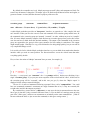
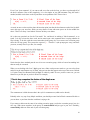
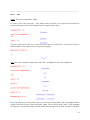
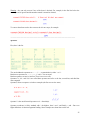
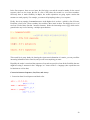
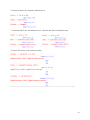
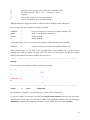
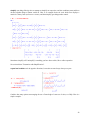
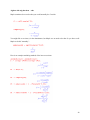
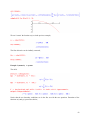
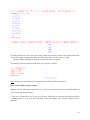
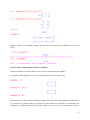
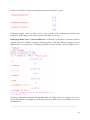
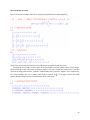
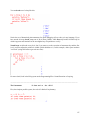
If you want to use gamma as an ordinary Greek letter, you have to "unprotect it" :
If you want a primed variable like x', enter it as `x'` . Unfortunately `nu'` does not appear as ν' .
nu1 does come out as ν1, however.
___________________________________________________________________________________
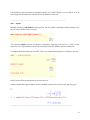
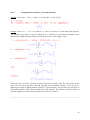
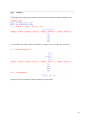
Constants :
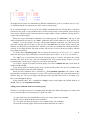
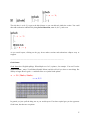
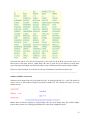
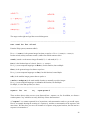
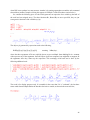
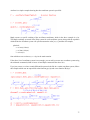
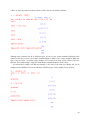
false gamma infinity true Catalan FAIL Pi I
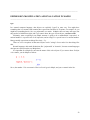
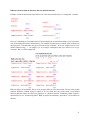
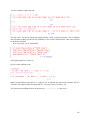
Recall from the Greek letters discussion that Maple accepts kappa for κ and pi for π and alpha for α.
Therefore, the lower-case pi is just π, a Greek letter (very "inert"). And PI is Π, the capital Greek letter.
Neither of these has anything to do with 3.14159. The correct Maple symbol for that constant is Pi. From
the help: "E is no longer a reserved name in Maple. It has been replaced with exp(1)." The only reserved
constants are: <false gamma infinity true Catalan FAIL Pi>. gamma γ is the Euler–Mascheroni
constant which appears lots of places including as γ = – Γ'(1) ≈ .57. Catalan is a similar constant ≈ .915.
The last item I is in fact not a built-in constant, but is a built-in alias for sqrt(-1).
__________________________________________________________________
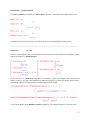
ditto operators
%
%%
%%%
and
%n
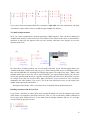
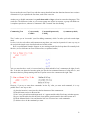
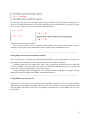
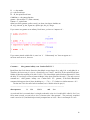
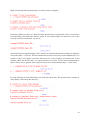
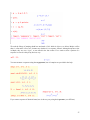
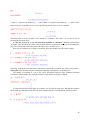
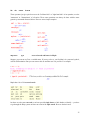
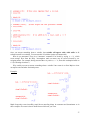
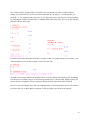
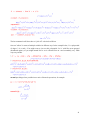
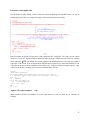
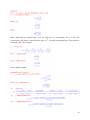
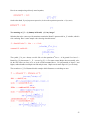
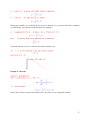
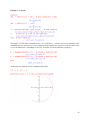
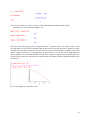
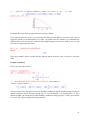
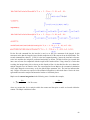
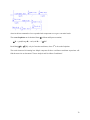
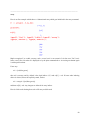
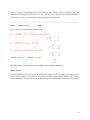
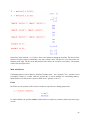
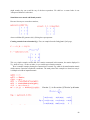
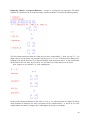
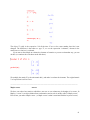
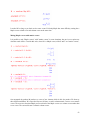
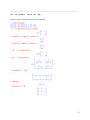
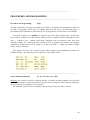
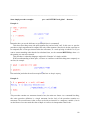
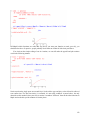
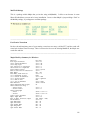
As each code line is executed, there is a single result and it exists in a "result buffer" called %. So if you
fail to name a result, you can refer to it as %, known as the "ditto operator". The previously computed
result is saved as %%, and the third previously computed one as %%%. Here is an example of % use:
18




































![Final Report - [Almost] Daily Photos](http://vs1.manualzilla.com/store/data/005658230_1-ad9be13b69bd4f2e15f58148160b0f22-150x150.png)