1
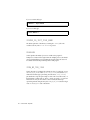
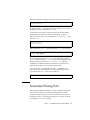
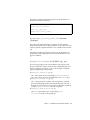
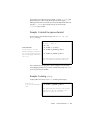
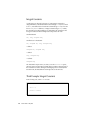
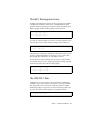
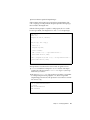
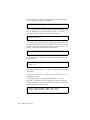
In a Bourne shell, type:
$ EDITOR=emacs; export EDITOR
In a C shell, type:
% setenv EDITOR emacs
You may have to write an interface between cscope and your editor. For details, see
“Command-Line Syntax for Editors” on page 261.
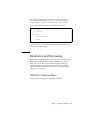
If you want to use cscope only for browsing (without editing), you can set the
VIEWER environment variable to pg and export VIEWER. cscope will then invoke
pg instead of vi.
An environment variable called VPATH can be set to specify directories to be
searched for source files. See “View Paths” on page 256.
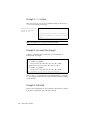
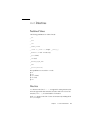
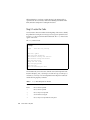
Step 2: Invoke the cscope Program
By default, cscope builds a symbol cross-reference table for all the C, lex, and
yacc source files in the current directory, and for any included header files in the
current directory or the standard place. So, if all the source files for the program to
be browsed are in the current directory, and if its header files are there or in the
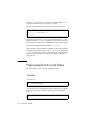
standard place, invoke cscope without arguments:
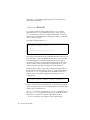
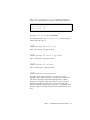
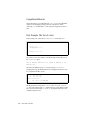
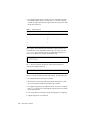
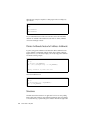
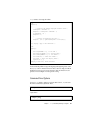
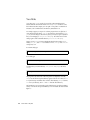
% cscope
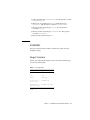
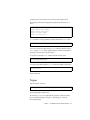
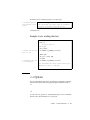
To browse through selected source files, invoke cscope with the names of those files
as arguments:
% cscope file1.c file2.c file3.h
For other ways to invoke cscope, see “Command-Line Options” on page 253.
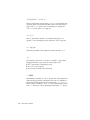
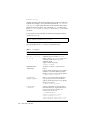
cscope builds the symbol cross-reference table the first time it is used on the source
files for the program to be browsed. By default, the table is stored in the file
cscope.out in the current directory. On a subsequent invocation, cscope rebuilds
the cross-reference only if a source file has been modified or the list of source files is
Chapter 9
cscope: Interactively Examining a C Program
245