1
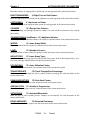
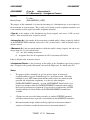
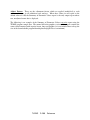
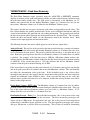
warrant is MET if any of the listed warrants are MET; it indicates that the signal warrant is NOT
MET if all of the listed warrants are NOT MET.
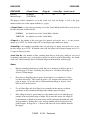
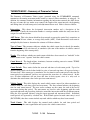
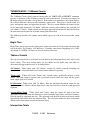
Warrant Analysis for Multi-way Stop
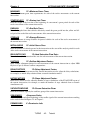
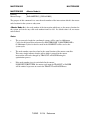
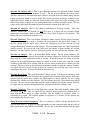
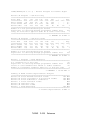
Warrant A Analysis. This is the Interim Measure for Signal warrant. If a signal warrant was
conducted as part of the Warrant Analysis report and that analysis indicated that a signal is
warranted, this table indicates that a multi-way stop is warranted as a temporary measure until the
signal can be installed. If the signal analysis indicated that a signal is not warranted, this table
indicates that an interim multi-way stop is not warranted. If this Warrant Analysis report did not
include a signal warrant analysis, this table is omitted from the multi-way stop results.
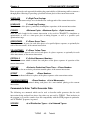
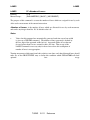
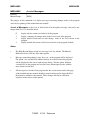
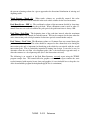
Warrant B Analysis. This is the Crash Experience warrant. This table identifies the number of
accidents which are correctable by a multi-way stop. The required number of accidents (5) is
shown, and the bottom line states whether the warrant is met.
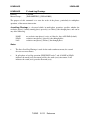
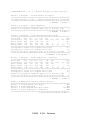
Warrant C Analysis. This is the 8-Hour Minimum Vehicular Volume warrant. For the given
conditions, the warrant levels which are required for the minor and major volumes are listed in
the last column along with the 8-hour requirement which is needed. In the first section, the
minor and major volumes for the eight highest hours which are found are listed in rank order
from left to right according to the minor street volume, with the last row stating whether these
volumes meet the warrants. The last section of the table totals the number of hours meeting the
warrant, identifies the delay for all minor approaches and the required amount of delay (30
sec/veh), and states whether the warrant is met.
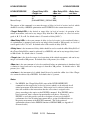
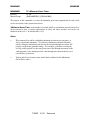
Warrant D Analysis. This is the 8-Hour Combination of Warrants warrant. This table
identifies whether 80% of Warrant C is met, using the same table format as C above. It also
identifies the Warrant B number of accidents which are correctable by a multi-way stop and the
80% required number of accidents (4), and the Warrant C delay for all minor approaches and the
80% required amount of delay (24 sec/veh). The bottom line states whether the warrant is met.
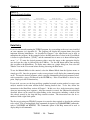
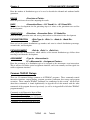
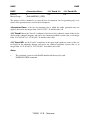
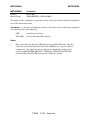
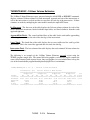
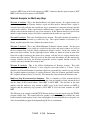
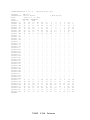
Multi-way Stop Warrant Analysis Summary. This is a summary of all the warrants checked
for the multi-way stop warrant analysis. It shows the name and number of each warrant checked
and the status of that warrant check, either MET or NOT MET. The last line of the table
indicates that the multi-way stop warrant is MET if any of the listed warrants are MET; it
indicates that the multi-way stop warrant is NOT MET if all of the listed warrants are NOT
MET.
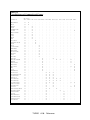
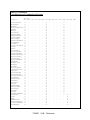
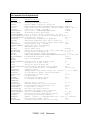
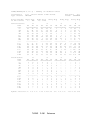
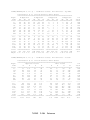
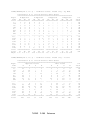
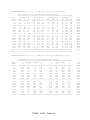
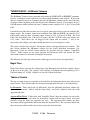
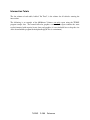
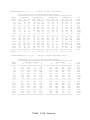
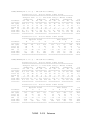
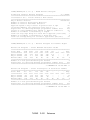
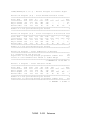
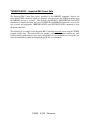
The following is an example of the MUTCD Warrant Analysis text-only report using the TURNS
program sample data. The normal full-color graphics version of the report contains the same
results formatted with superior layout, fonts and graphics (it is not included here to keep the size
of the downloadable program/demo/update/help/pdf files to a minimum).
TURNS
D-220
Reference