1
Direct Control Algorithm
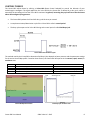
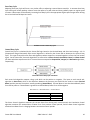
The Direct Control algorithm is the simplest of the control sub-algorithms, and its output only depends on the Boost
Error at the start of the control period and the Direct Gain Level (KD). Direct Duty Cycle is calculated using the following
equation:
𝐷𝑖𝑟𝑒𝑐𝑡 𝐷𝑢𝑡𝑦 𝐶𝑦𝑐𝑙𝑒 = (𝐵𝑜𝑜𝑠𝑡 𝐸𝑟𝑟𝑜𝑟) × 𝐾𝐷
If Actual Boost is lower than Desired Boost, the Direct Control algorithm will increase End Duty Cycle to help raise boost
pressure. If Actual Boost is higher than Desired Boost, the Direct Control algorithm will decrease End Duty Cycle to help
reduce boost pressure. The amount of change applied to the End Duty Cycle will vary with Boost Error. If Actual Boost
matches Desired Boost, the Direct Control algorithm will make no changes to the End Duty Cycle at all. While this
behavior can greatly improve control response (especially while building boost) the Direct Control algorithm can never
eliminate Boost Error by itself. Setting the Direct Gain Level too high will result in unwanted boost spikes and oscillation.
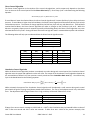
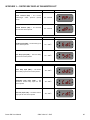
The following tables will help you to understand how the Direct Control algorithm works:
CONDITION
DIRECT CONTROL OUTPUT
𝐵𝑜𝑜𝑠𝑡 𝐸𝑟𝑟𝑜𝑟 > 0 Positive
𝐵𝑜𝑜𝑠𝑡 𝐸𝑟𝑟𝑜𝑟 = 0 Zero
𝐵𝑜𝑜𝑠𝑡 𝐸𝑟𝑟𝑜𝑟 < 0 Negative
Basic Behavior of Direct Control Algorithm
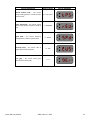
ACTUAL BOOST
(PSI)
2.0
6.0
10.0
14.0
18.0
DESIRED BOOST BOOST ERROR
KD
DIRECT DUTY CYCLE
(PSI)
(PSI)
(%)
10.0
8.0
10.0 80.0
10.0
4.0
10.0 40.0
10.0
0.0
10.0 0.0
10.0
-4.0
10.0 -40.0
10.0
-8.0
10.0 -80.0
Direct Duty Cycle vs Boost Error (KD fixed at 10.0)
Cumulative Control Algorithm
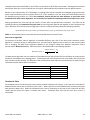
While the Direct Control algorithm produces a completely new value during each control period, the Cumulative Control
algorithm saves its output and updates the value over time. The output of the Cumulative Control algorithm depends on
the accumulation of Boost Error from previous control periods and the Cumulative Gain Level (KC). Cumulative Duty
Cycle is calculated based on the following equation:
𝐶𝑢𝑚𝑢𝑙𝑎𝑡𝑖𝑣𝑒 𝐷𝑢𝑡𝑦 𝐶𝑦𝑐𝑙𝑒 = [∑ ((𝐵𝑜𝑜𝑠𝑡 𝐸𝑟𝑟𝑜𝑟) ×
1
𝑠𝑒𝑐𝑜𝑛𝑑)] × 𝐾𝐶
16
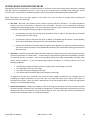
While activated, the output of the Cumulative Control algorithm will be adjusted a small amount during each control
period with the goal of moving Actual Boost towards Desired Boost. The size of each adjustment will vary with Boost
Error. The adjustments will be large if Boost Error is high, and they will be small if Boost Error is low.
BOOST ERROR CONDITION
CUMULATIVE CONTROL OUTPUT
𝐵𝑜𝑜𝑠𝑡 𝐸𝑟𝑟𝑜𝑟 > 0
Increasing with each control period
𝐵𝑜𝑜𝑠𝑡 𝐸𝑟𝑟𝑜𝑟 = 0
Constant
𝐵𝑜𝑜𝑠𝑡 𝐸𝑟𝑟𝑜𝑟 < 0
Decreasing with each control period
Basic Behavior of Cumulative Control Algorithm
If Boost Error were to remain constant at 1.0 PSI with KC = 10.0 %, then Cumulative Duty Cycle would build to a value of
10.0 % after one second and 20.0 % after two seconds. If Boost Error was -1.0 PSI in the previous example, then
Cortex EBC User Manual
SIRHC Labs LLC - 2015
11