1
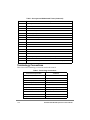
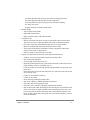
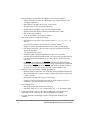
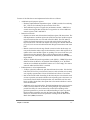
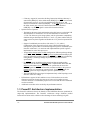
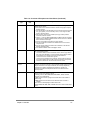
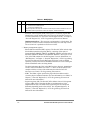
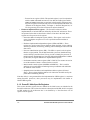
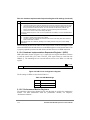
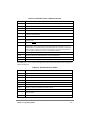
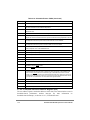
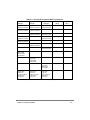
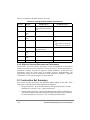
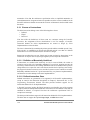
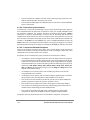
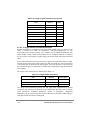
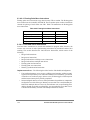
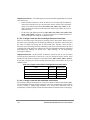
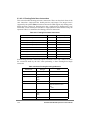
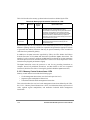
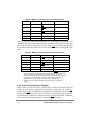
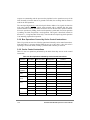
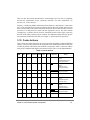
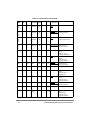
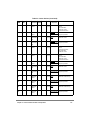
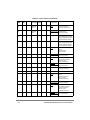
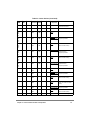
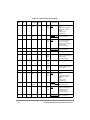
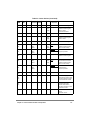
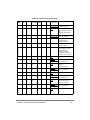
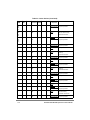
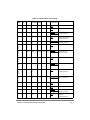
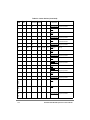
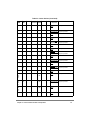
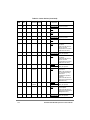
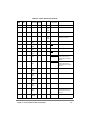
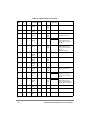
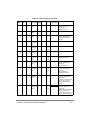
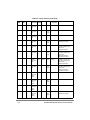
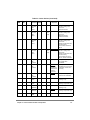
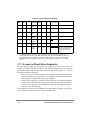
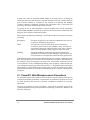
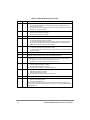
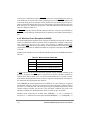
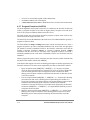
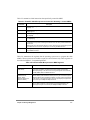
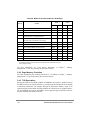
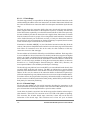
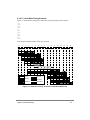
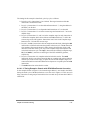
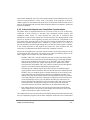
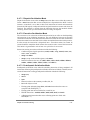
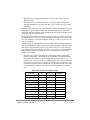
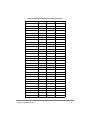
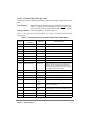
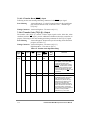
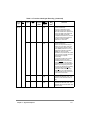
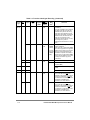
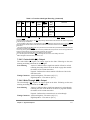
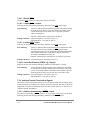
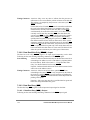
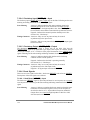
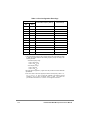
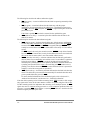
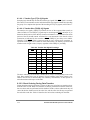
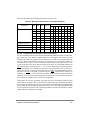
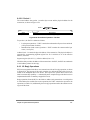
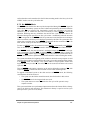
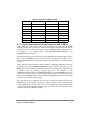
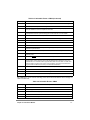
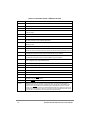
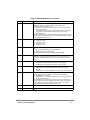
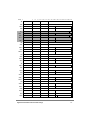
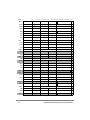
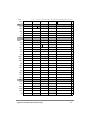
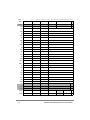
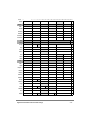
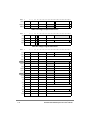
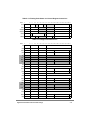
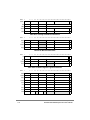
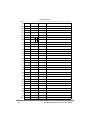
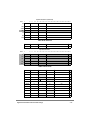
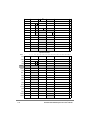
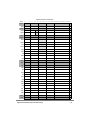
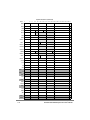
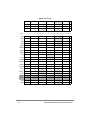
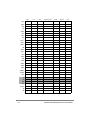
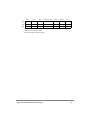
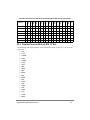
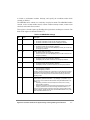
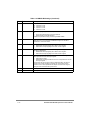
Table 7-1. Transfer Encoding for PowerPC 604e Processor Bus Master (Continued)
TT[0–4]
604e Bus Master
Transaction
Transaction
Transaction Source
11010
Read atomic
Single-beat read
or burst
lwarx
11110
Read with intent to modify
atomic
Burst
stwcx. miss with valid reservation
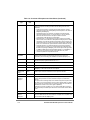
00011
Reserved
—
N/A (The 604e does not snoop.)
00111
Reserved
—
N/A (The 604e does not snoop.)
01011
Read with no intent to
cache
Single-beat read
or burst
N/A
01111
Reserved
—
N/A (The 604e does not snoop.)
1xx11
Reserved
—
N/A (The 604e does not snoop.)
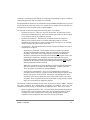
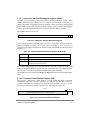
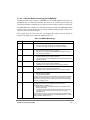
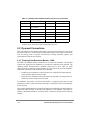
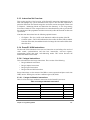
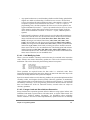
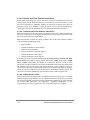
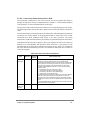
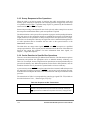
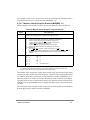
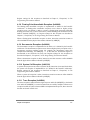
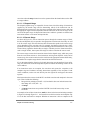
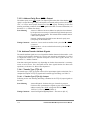
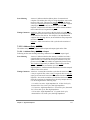
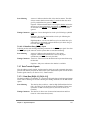
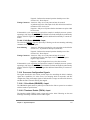
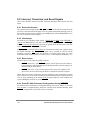
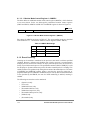
7.2.4.2 Transfer Size (TSIZ[0–2])
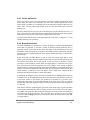
The transfer size (TSIZ[0–2]) signals consist of three input/output signals on the 604e.
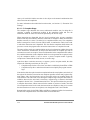
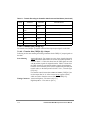
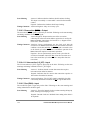
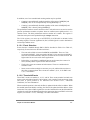
7.2.4.2.1 Transfer Size (TSIZ[0–2])—Output
Following are the state meaning and timing comments for the TSIZ[0–2] output signals on
the 604e.
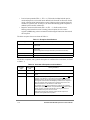
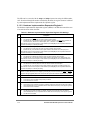
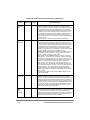
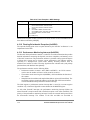
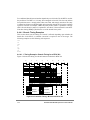
State Meaning
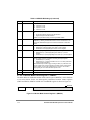
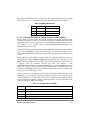
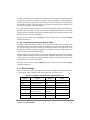
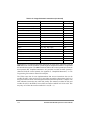
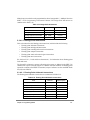
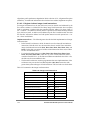
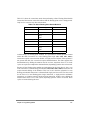
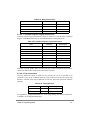
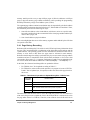
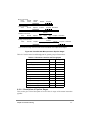
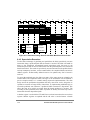
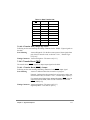
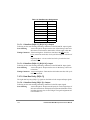
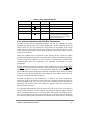
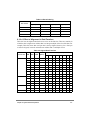
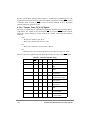
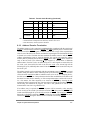
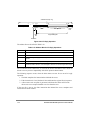
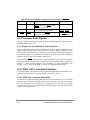
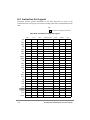
Asserted/Negated—For memory accesses, these signals along with
TBST, indicate the data transfer size for the current bus operation, as
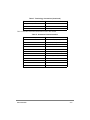
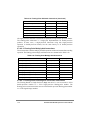
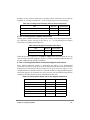
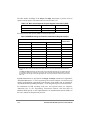
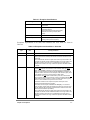
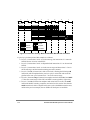
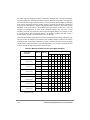
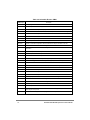
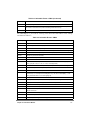
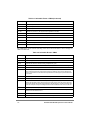
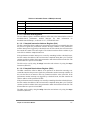
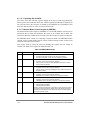
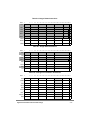
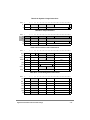
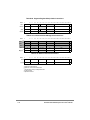
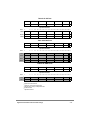
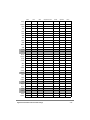
shown in Table 7-2. Table 8-4 shows how the TSIZ signals are used
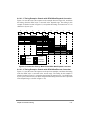
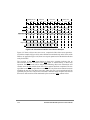
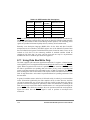
with the address signals for aligned transfers. Table 8-5 shows how
the TSIZ signals are used with the address signals for misaligned
transfers. For I/O transfer protocol, these signals form part of the I/O
transfer code; see the description in Section 7.2.4.1, “Transfer Type
(TT[0–4]).”
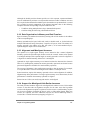
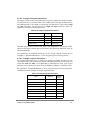
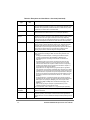
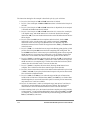
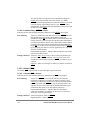
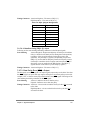
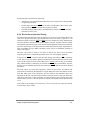
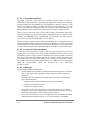
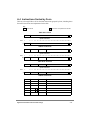
For external control instructions (eciwx and ecowx), TSIZ[0–2] are
used to output bits 29–31 of the external access register (EAR),
which are used to form the resource ID (TBST||TSIZ[0–2]).
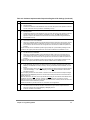
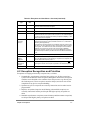
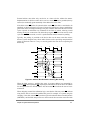
Timing Comments Assertion/Negation—The same as A[0–31].
High Impedance—The same as A[0–31].
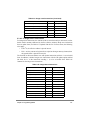
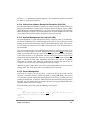
7-12
PowerPC 604e RISC Microprocessor User's Manual