1
CHAPTER 4. VALIDATION AND TESTING
The reason for this correlation speed is largely because the correlator algorithm
performs correlation by working with just the data in the memory.
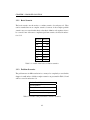
Type of CDR
ISUP CDRs
% of set to compare
Processing Time
ISUP/ISUP
82914
100%
1345 ms
ISUP/ISUP
82914
100%
1541 ms
ISUP/ISUP
82914
100%
1203 ms
ISUP/ISUP
82914
100%
1225 ms
ISUP/ISUP
82914
100%
1210 ms
ISUP/ISUP
82914
100%
1214 ms
ISUP/ISUP
82914
100%
1217 ms
ISUP/ISUP
82914
100%
1183 ms
ISUP/ISUP
82914
100%
1254 ms
ISUP/ISUP
82914
100%
1251 ms
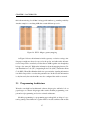
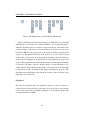
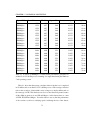
Table 4.2: A dataset of ISUP Correlation Time performance on an Intel Core i5
2,26 Ghz processor running on a single thread using the Windows 7 x64 operating
system.
We also tried a different correlation process on a much larger sample with a
more complex correlation process. In the case illustrated in Table 4.2 the correlation time is drastically increased to 1264 milliseconds in average, but that is still
within acceptable limits considering correlation time. We believe that there are two
main reasons for the increased time. The first reason being that the correlation pool
is much larger, 82914 CDRs to correlate compared to the 10197 and 9760 from the
previous correlation pools in table 4.1. The second reason is the actual correlation
process itself; when correlating ISUP with ISUP we use a parameter called hold
time. Our correlator compares them by seeing if they are within the user specified
percentage. This process is much more CPU intensive because it requires division
of numbers. The type of correlation performed in Table 4.2 is based on the basic
ISUP - ISUP correlation case mentioned in subsection 3.3.1.
The design of the algorithm is optimized for the correlation operations and the
two dimensional linked list architecture used as the main data structure gives good
74