1
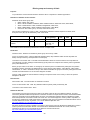
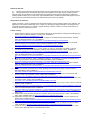
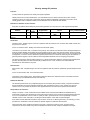
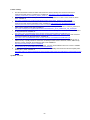
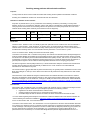
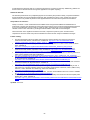
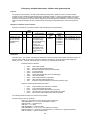
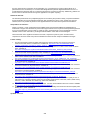
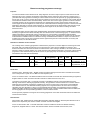
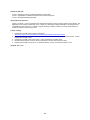
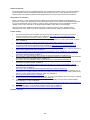
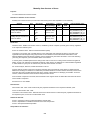
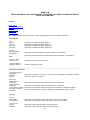
B) ONS_MORTALITY
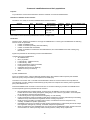
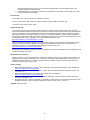
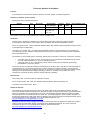
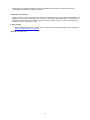
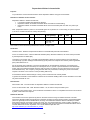
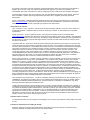
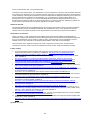
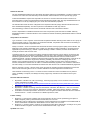
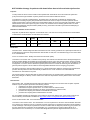
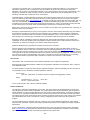
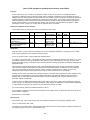
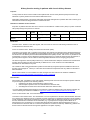
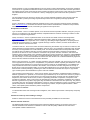
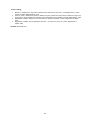
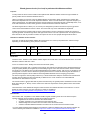
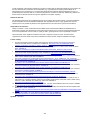
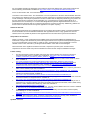
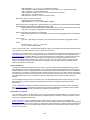
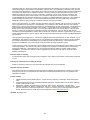
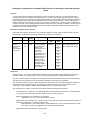
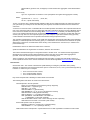
The death data received from ONS is linked to the HESID index and stored to the ONS_MORTALITY
table using the following method:
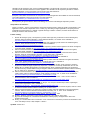
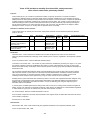
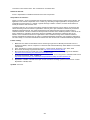
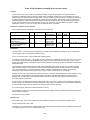
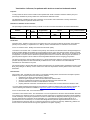
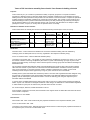
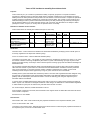
The matching process involves two main steps, which are the same as Steps 1 and 3 used for the
matching of entries within the Patient HESID Index and rely on information recorded during the Patient
HESID matching process. All of the notes that apply to the matching are as described for HESID
above.
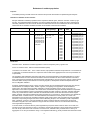
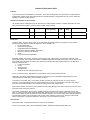
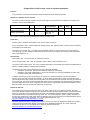
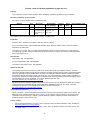
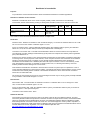
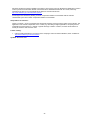
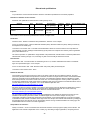
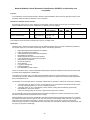
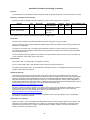
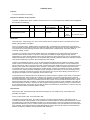
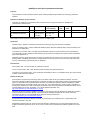
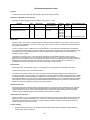
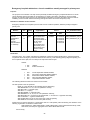
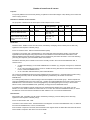
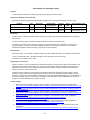
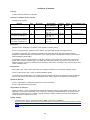
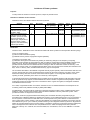
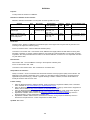
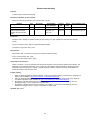
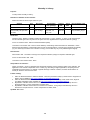
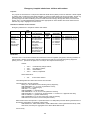
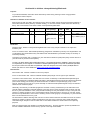
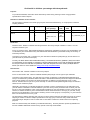
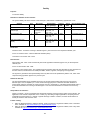
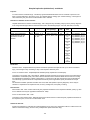
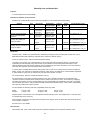
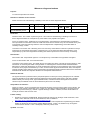
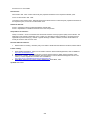
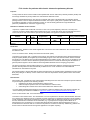
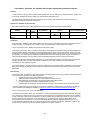
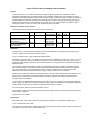
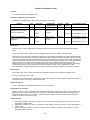
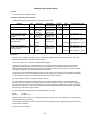
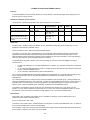
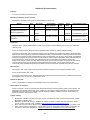
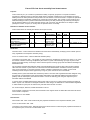
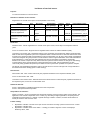
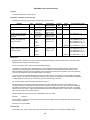
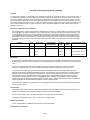
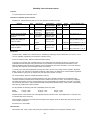
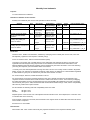
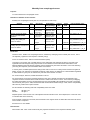
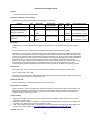
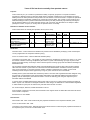
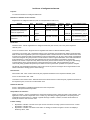
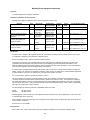
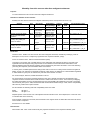
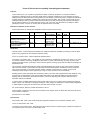
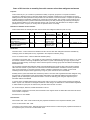
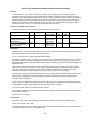
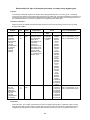
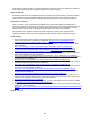
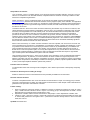
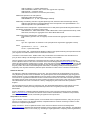
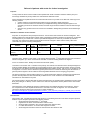
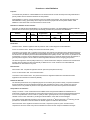
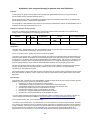
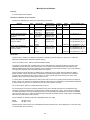
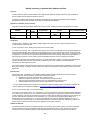
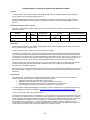
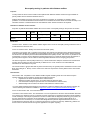
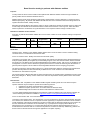
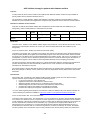
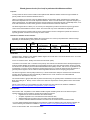
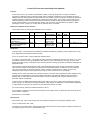
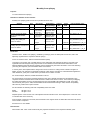
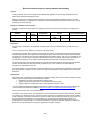
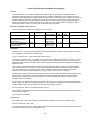
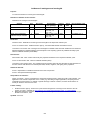
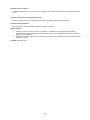
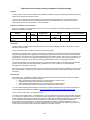
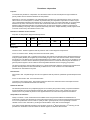
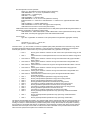
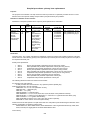
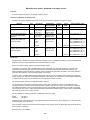
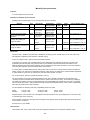
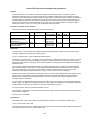
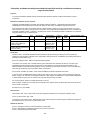
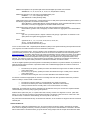
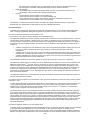
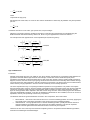
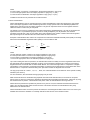
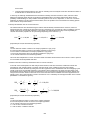
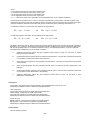
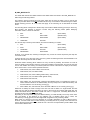
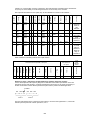
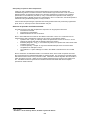
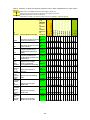
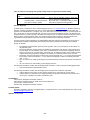
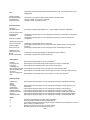
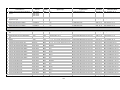
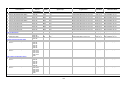
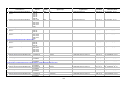
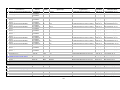
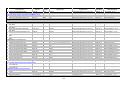
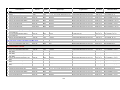
The first step (which corresponds to the first step of the Patient HESID matching process) is “driven by”
NHS Number, and attempts to perform a match using the following further patient identifying
information used to “check” the matches:
o
SEX
Sex
(Exact match)
o
DOB
Date of Birth
(Partial match)
o
NEWNHSNO
NHS Number
(Exact match)
o
HOMEADD
Postcode
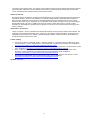
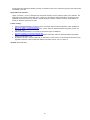
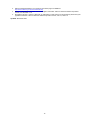
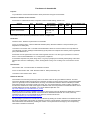
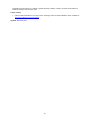
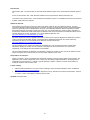
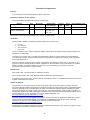
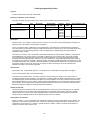
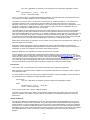
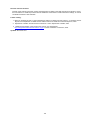
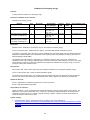
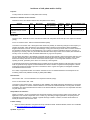
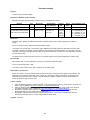
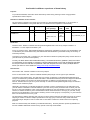
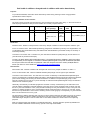
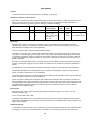
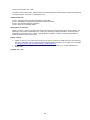
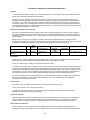
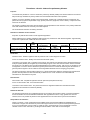
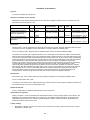
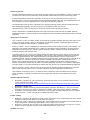
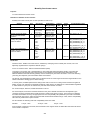
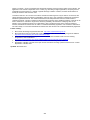
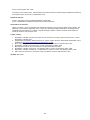
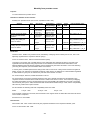
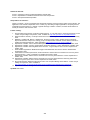
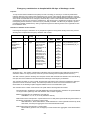
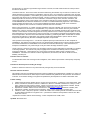
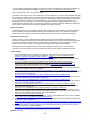
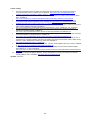
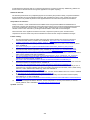
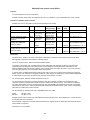
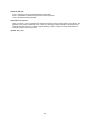
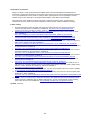
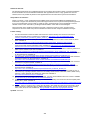
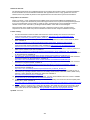
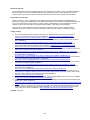
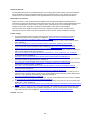
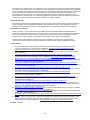
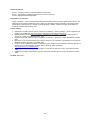
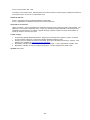
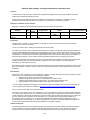
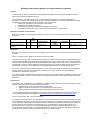
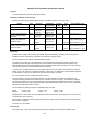
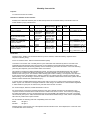
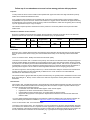
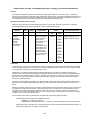
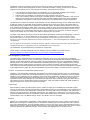
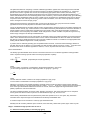
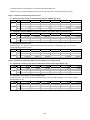
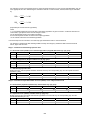
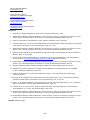
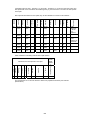
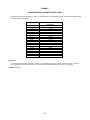
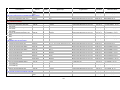
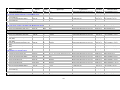
The second step is driven by Date of Birth, and uses the following for checks:
o
SEX
Sex
(Exact match)
o
DOB
Date of Birth
(Exact match)
o
HOMEADD
Postcode
(Partial match)
o
NEWNHSNO
NHS Number
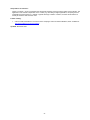
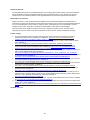
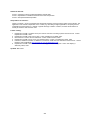
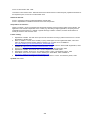
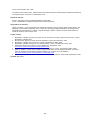
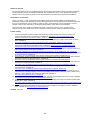
However, as a general rule, matching is attempted only if all of the values required by that step are
non-null and valid.
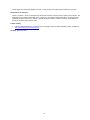
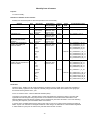
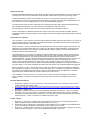
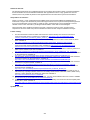
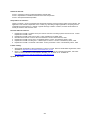
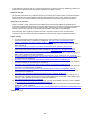
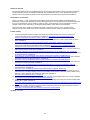
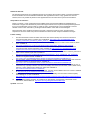
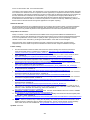
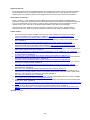
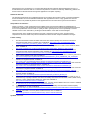
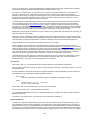
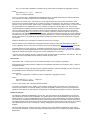
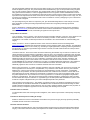
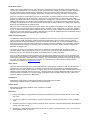
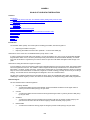
A match will only occur when the LAST_ACTIVITY_DATE recorded against the matched HESID is not
later than the 3 days after the date of death.
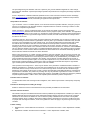
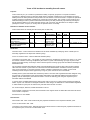
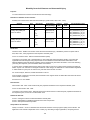
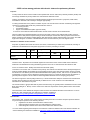
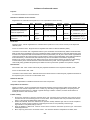
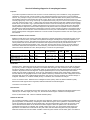
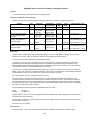
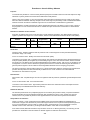
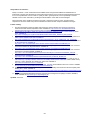
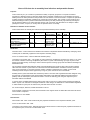
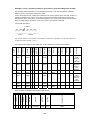
Unlike the HESID matching (which matches as many records as possible), the intention is to link at
most one death to each HESID. Therefore, it becomes possible to rank matches, and use only the best
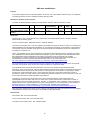
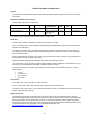
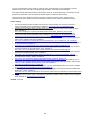
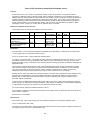
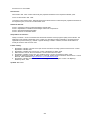
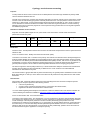
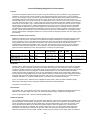
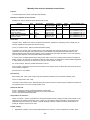
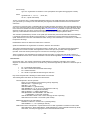
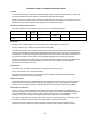
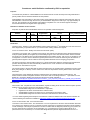
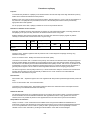
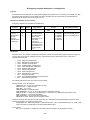
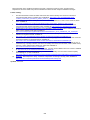
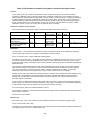
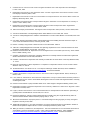
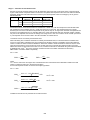
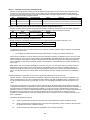
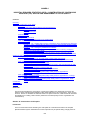
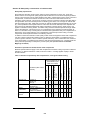
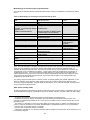
one for each HESID. The ranking of matches (within the context of the above two steps) is as follows,
where each match is “exact” unless specified otherwise:
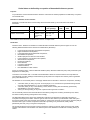
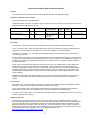
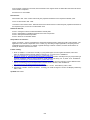
1.
NHS Number, Sex, Date of Birth, and Postcode;
2.
NHS Number, Sex, and Date of Birth;
3.
NHS Number, Sex, Date of Birth (partial match), and Postcode;
4.
NHS Number, Sex, and Date of Birth (partial match);
5.
NHS Number and Postcode;
6.
Date of Birth, Sex, and Postcode, where the NHS Number does not contradict the match (i.e.
where either the HESID or the ONS Mortality record (or both) has no valid NHS Number), and
the Date of Birth is not 1st January (01/01/yyyy);
7.
Date of Birth, Sex, and Postcode, where the Date of Birth is not 1st January (01/01/yyyy).
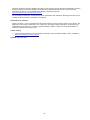
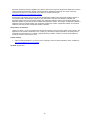
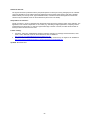
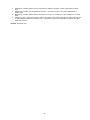
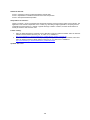
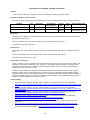
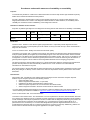
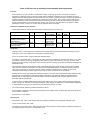
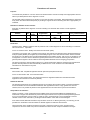
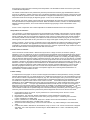
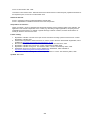
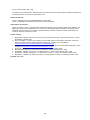
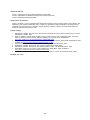
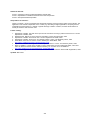
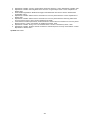
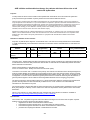
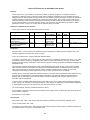
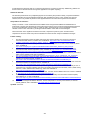
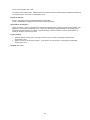
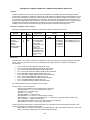
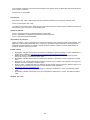
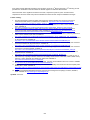
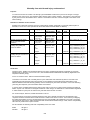
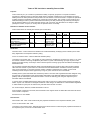
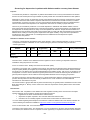
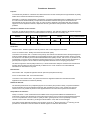
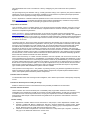
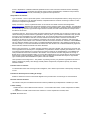
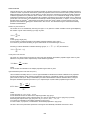
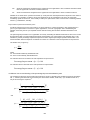
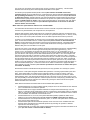
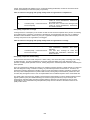
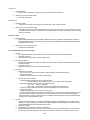
Whenever an attempt is made to assign more than one date of death to a single HESID, the best
match (the one with the lowest rank) above is used. In the event of two matches with equal rank, the
details associated with the later date of death are used. To support this, a Mortality Match Rank is
recorded as part of the HESID Mortality data.
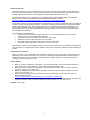
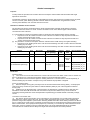
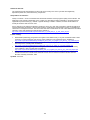
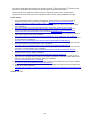
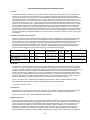
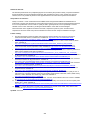
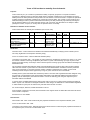
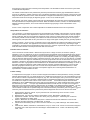
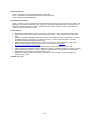
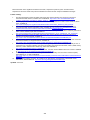
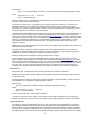
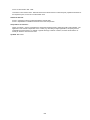
Depending on the steps used during the HESID matching, an ONS Mortality record may match more
than one HESID. In the absence of any definitive way of deciding which one is correct, the
inconsistency is simply ignored, and the single death is applied to every matching HESID.
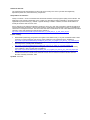
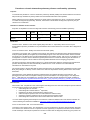
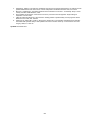
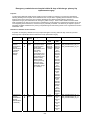
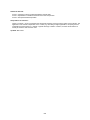
Match Rank 5 is present so that the algorithm is not totally dependent on Date of Birth and Sex.
However, note that it still does not allow matching of mortality date to any activity record that does not
have a valid Sex and/or Date of Birth, because such a record is not represented by Patient Match Keys
in the Patient HESID Index.
678