1
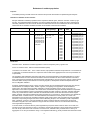
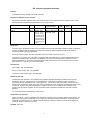
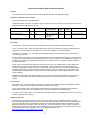
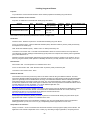
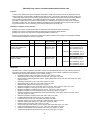
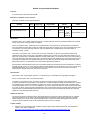
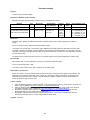
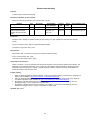
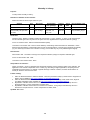
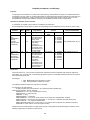
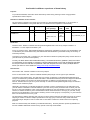
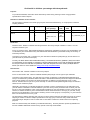
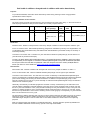
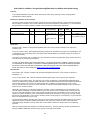
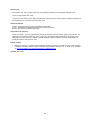
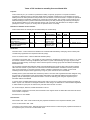
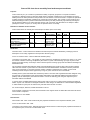
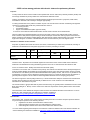
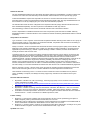
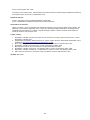
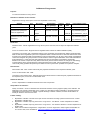
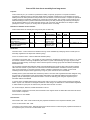
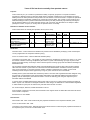
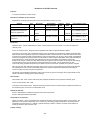
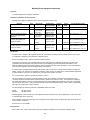
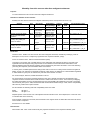
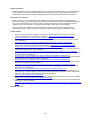
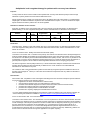
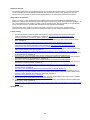
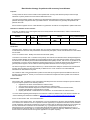
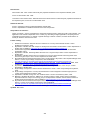
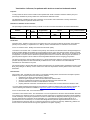
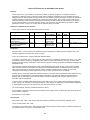
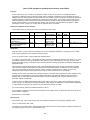
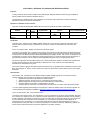
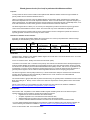
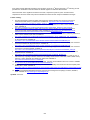
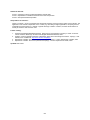
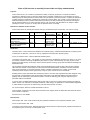
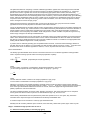
Treated and controlled high blood pressure
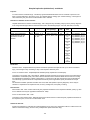
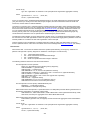
Purpose:
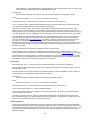
To help reduce the prevalence of high blood pressure in adults through medication and monitor a preventive
intervention for stroke.
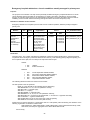
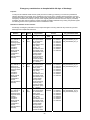
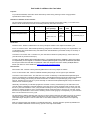
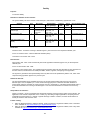
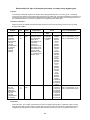
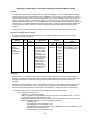
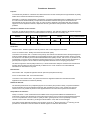
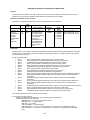
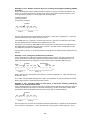
Definition of indicator and its variants:
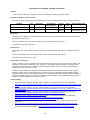
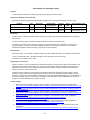
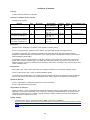
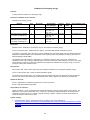
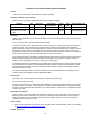
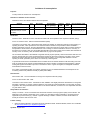
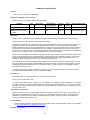
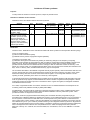
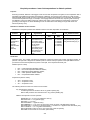
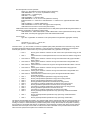
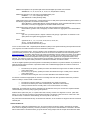
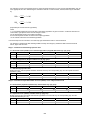
Observed and age-standardised proportion of adults on prescribed antihypertensive drugs with a blood pressure
reading below systolic (SBP) 140 mmHg and diastolic (DBP) 90 mmHg during the survey. The reference
population used for standardisation was the Census 2001 adult (non-institutional) population of England.
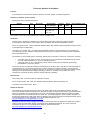
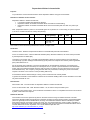
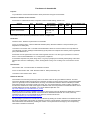
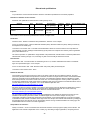
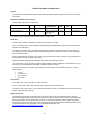
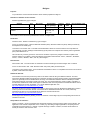
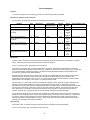
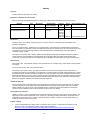
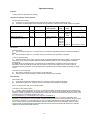
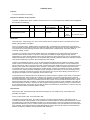
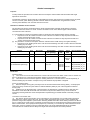
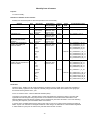
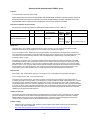
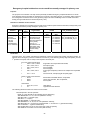
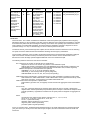
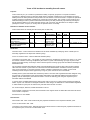
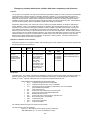
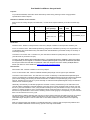
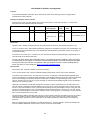
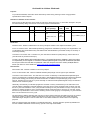
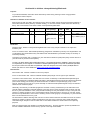
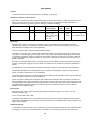
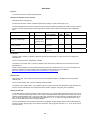
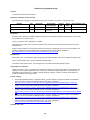
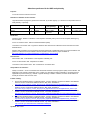
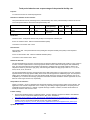
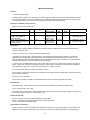
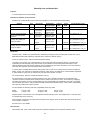
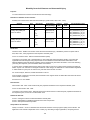
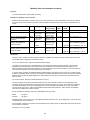
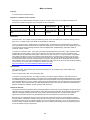
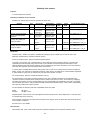
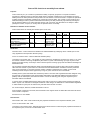
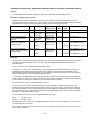
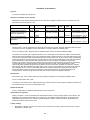
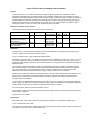
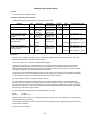
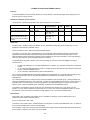
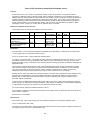
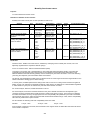
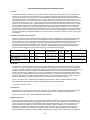
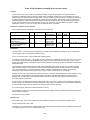
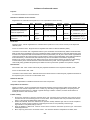
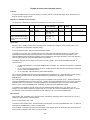
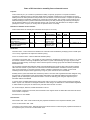
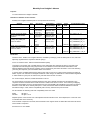
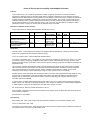
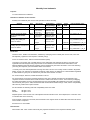
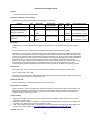
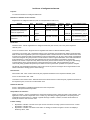
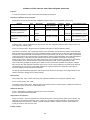
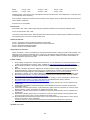
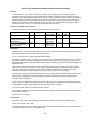
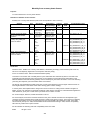
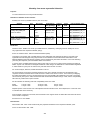
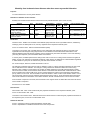
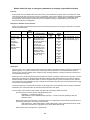
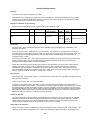
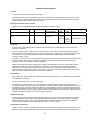
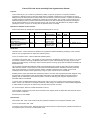
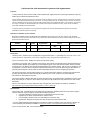
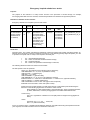
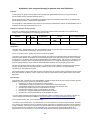
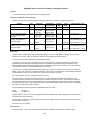
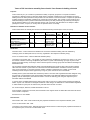
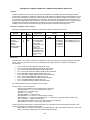
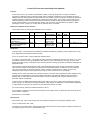
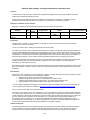
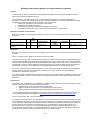
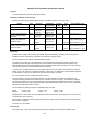
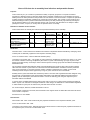
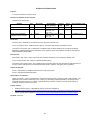
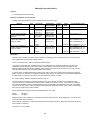
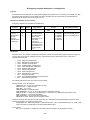
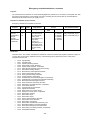
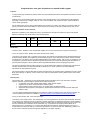
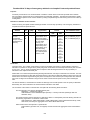
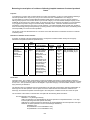
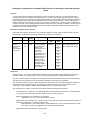
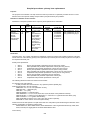
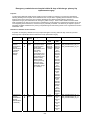
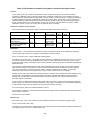
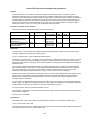
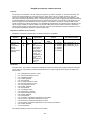
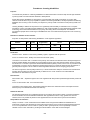
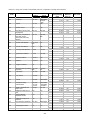
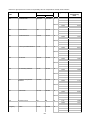
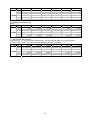
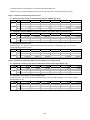
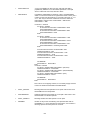
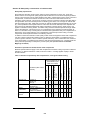
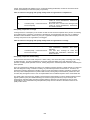
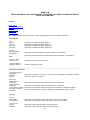
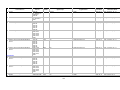
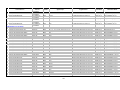
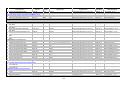
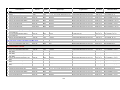
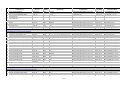
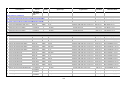
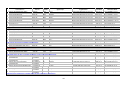
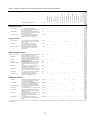
Statistic
Number, percent and
age-standardised percent
Sex
Age group
MFP 16+
Organisation
(see glossary)
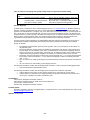
Current
data
E, GOR, ONS area,
SHA, CTY
2001-03
2005-07
2006-08
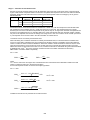
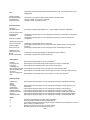
Trend
data
File-worksheet name
08E_323VSP1_08_V1
1998 08E_323VSP2_08_V1
2000-03
2005-08
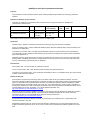
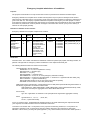
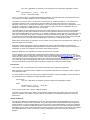
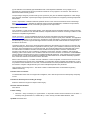
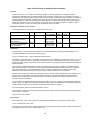
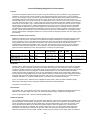
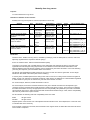
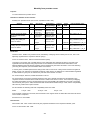
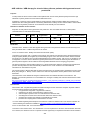
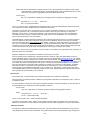
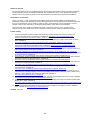
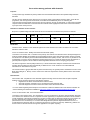
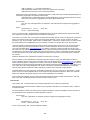
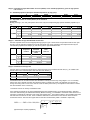
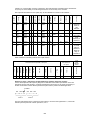
Numerator:
Numerator data - The number of persons aged 16+ in a sample survey of the health of the population of England
with a blood pressure reading <140 and diastolic blood pressure <90 but who are currently taking drugs
specifically prescribed for controlling blood pressure (Normotensive treated).
Source of numerator data - Health Survey for England (HSE), commissioned by the Department of Health and
since April 2005 The Information Centre for health and social care and carried out by the Joint Health Survey Unit
of Social and Community Planning Research and of the Department of Epidemiology and Public Health at
University College, London
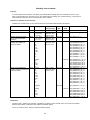
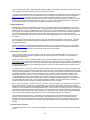
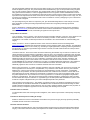
Comments on numerator data - The systolic and diastolic blood pressure thresholds for hypertension were
changed in the HSE series in 1998 from 160/95 to 140/90 mmHg in accordance with the latest World Health
Organization guidelines. The inclusion of the criterion of the use of prescribed medication for the control of
hypertension in the revised HSE definition has meant that it is not possible to calculate high blood pressure
prevalence rates for the period before 1998 in a way consistent with the current definition. The definition of
hypertension used for clinical purpose talks about 'sustained' levels of high blood pressure, while HSE only
measures blood pressure at one point in time. This needs to be taken into account when interpreting the results.
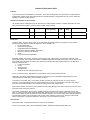
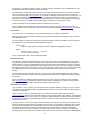
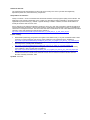
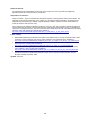
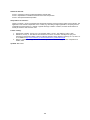
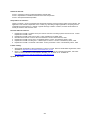
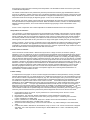
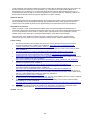
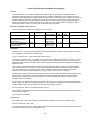
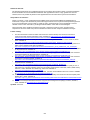
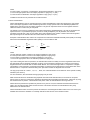
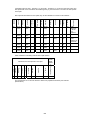
Denominator:
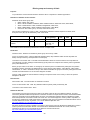
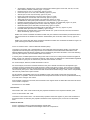
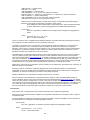
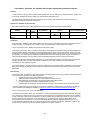
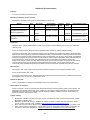
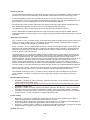
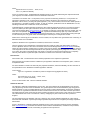
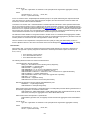
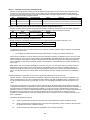
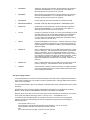
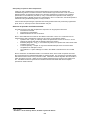
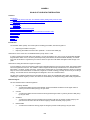
Denominator data - Respondents (with a valid blood pressure reading and data on antihypertensive medication)
aged 16+ in a sample survey of the health of the population of England who included:
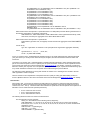
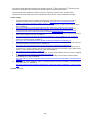
•
•
•
Normotensive treated - taking prescribed drugs for blood pressure and with systolic blood pressure <140
and diastolic blood pressure <90;
Hypertensive treated - taking prescribed drugs for blood pressure and with either systolic blood pressure
>=140 or diastolic blood pressure >=90;
Hypertensive untreated - not taking prescribed drugs for blood pressure and with either systolic blood
pressure >=140 or diastolic blood pressure >=90.
Source of denominator data - See “Numerator data”.
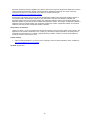
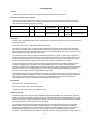
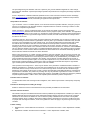
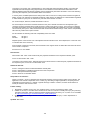
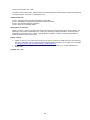
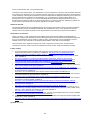
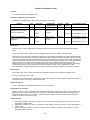
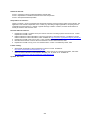
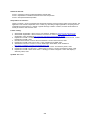
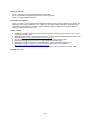
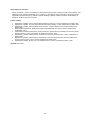
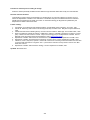
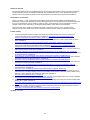
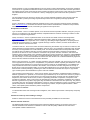
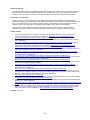
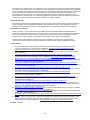
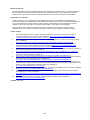
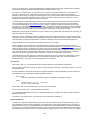
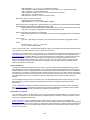
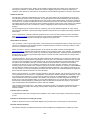
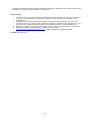
Comments on denominator data - The HSE is a series of annual surveys that began in 1991 with the aim of
monitoring the health of the population. It was designed to measure health and health related behaviours in adults
and children living in private households in England. For each participant, the survey included an interview and a
physical examination by a nurse, at which various physical measurements, tests, and samples of blood and saliva
were collected. These measurements provided biomedical information about known risk factors associated with
disease and objective validation for self-reported health behaviour.
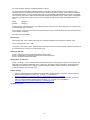
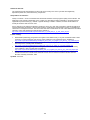
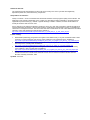
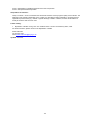
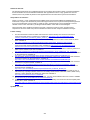
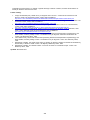
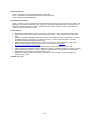
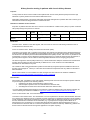
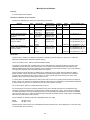
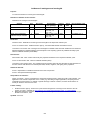
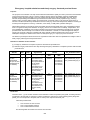
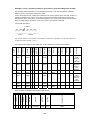
Statistical methods:
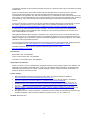
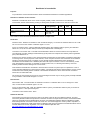
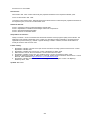
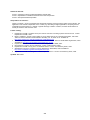
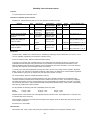
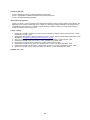
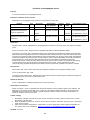
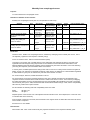
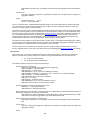
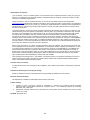
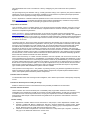
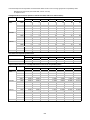
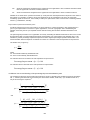
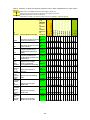
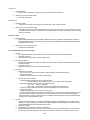
The figures have been provided for three-year periods (based on three-year moving averages) and for calendar
years. All calculations of sub-national observed estimates at Government Office Region, ONS area, Strategic
Health Authority and County levels, age-standardised rates, confidence intervals and significance tests were
carried out by the National Centre for Social Research (see Annex 9 for details).
401