1
3 Alarms and Troubleshooting
WARNING
When an alarm condition is triggered, or there is evidence of a patient-ventilator fault or problem,
examine the patient first before examining the ventilator.
Alarm volume should be adjusted with respect to the ventilator’s operating environment and so that the
patient's caretakers can hear the alarms. The audible alarm vents located at the front of the device should
never be obstructed.
If the ventilator repeatedly triggers the same type of alarm, you should inform your clinician of the repeat
alarms, as the clinician may consider whether an adjustment in the alarm setting is appropriate.
Setting Alarm limits to extreme values can cause the ventilator alarms to malfunction.
Adjustable alarms should not be systematically canceled; instead, they should be adjusted according to
the needs and condition of the patient.
Note:
Many of the functions of the ventilator are not accessible when the Locking key
assistance contact your Clinician or equipment representative.
is enabled. For additional
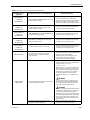
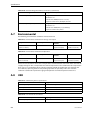
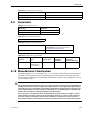
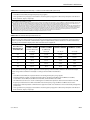
The alarms or faults generated by your Puritan Bennett™ 520 Ventilator are classified into two
categories:
• Ventilation (or utilisation) alarms
• Technical faults
Some of the ventilator alarms are adjustable, depending on ventilation modes.Automatic, nonadjustable alarms also exist to create a safety net for safer patient ventilation.
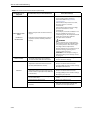
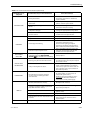
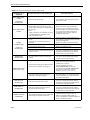
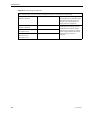
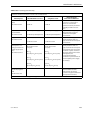
Alarms indicate events likely to affect the ventilation in the short term and necessitate rapid
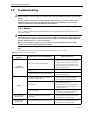
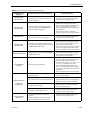
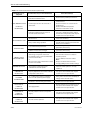
intervention (refer to section 3.8, “Troubleshooting,” on page 3-14).
Technical faults do not directly affect machine operation. Therefore, the user is not alerted to technical
faults. Only authorised and trained technicians may consult the maintenance menu (refer to the
Puritan Bennett™ 520 Ventilator Service Manual).
Note:
Default alarm setting preferences should be entered prior to using the ventilator.
User’s Manual
3-1