1
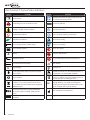
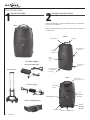
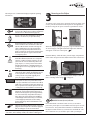
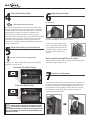
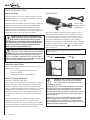
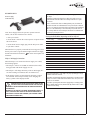
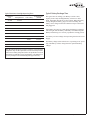
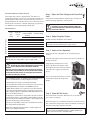
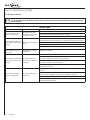
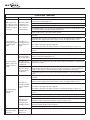
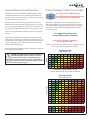
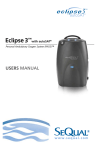
EclipseTM with autoSat® Personal Ambulatory Oxygen System (PAOS)TM User Manual User Controls & System Status Indicators Symbol A 02 Definition Symbol Definition Read user manual before operation. See user manual for instructions. FAA Approved Symbol: The U.S. Federal Aviation Administration (FAA) has approved this device for use on-board commercial aircraft. No Smoking Icon: Do not smoke near unit. Flow Setting Indicator Warnings / ALERT (Yellow) Indicator Pulse Mode Operation ALARM (Red) Indicator Device operating normally; power button External Power Indicator Increase Flow Setting Power Cartridge (battery) Status Gauge Decrease Flow Setting Power Cartridge Symbol Use no oil or grease. Amperes No open or naked flames. Alternating Current No serviceable parts inside. Do not open cover. IEC Icon for DC Power (Input) Warm Surface. Oxygen Output Do not get wet. Type B Applied Part (degree of protection against electric shock) Certified for both the U.S. and Canadian markets, to the applicable U.S. and Canadian standards. Recycle Symbol This symbol is to remind the equipment owners to return it to a recycling facility at the end of its life, per Waste Electrical and Electronic Equipment (WEEE) Directive. Drip Proof Equipment-IPX0: The Eclipse enclosure does not provide protection against the harmful effects of the ingress of liquids. (IPX0, per IEC 60529) Authorized representative in the European Community 2 — 20626704 D IPX1 This device complies with the requirements of Directive 93/42/EEC concerning medical devices. It therefore bears the CE marking as shown. Drip Proof Equipment-IPX1: The Eclipse Power Cartridge (Battery), AC and DC Power Supplies provide protection against the harmful effects of the ingress of liquids. (IPX1, per IEC 60529) Name and address of manufacturer Contents User Controls & System Status Indicators...............................................................................................2 Quick Start Guide.......................................................................................................................................4 Indications for Use.....................................................................................................................................7 Contraindications for Use..........................................................................................................................7 Safety Guidelines.......................................................................................................................................7 Recommended Operating Environments.................................................................................................9 Operating Instructions.............................................................................................................................10 First Time Eclipse Operation....................................................................................................................14 User Troubleshooting Table ....................................................................................................................16 Cleaning, Care & Routine Maintenance..................................................................................................19 Notes..........................................................................................................................................................21 General Airline Travel Information.........................................................................................................23 Power Cartridge & Airline Travel Table..................................................................................................23 Eclipse User Manual — 3 Quick Start Guide 1 2 Unpack Your Eclipse Getting to Know Your Eclipse Review all Warnings, Cautions and additional device information in the rest of this manual. Eclipse Become familiar with the key features of the Eclipse and the User Control Panel. FRONT Control Panel Handle External Power Receptacle Oxygen Outlet Port AC Power Supply FAA Approval Icon WITH NEMA POWER CORD Power Cord Retainer Rating Label & Serial Number Location Universal Cart BACK Service Port (Not for Patient Use) DC Power Supply Air Inlet Filter FAA Approval Icon Cart Attachment Location Power Cartridge (battery) Exhaust Vent Power Cartridge Latch 4 — 20626704 D Power Cartridge (Battery) The Eclipse User Control Panel displays important operating information. 3 Powering on the Eclipse To connect to AC power source: Insert the AC Power Supply cord securely into the External Power Receptacle on the right side of the device. Plug the AC power cord into a grounded AC outlet. ON/OFF Button (Green) Indicator: This button powers the device ON or OFF. The Green Indicator is illuminated when the device is ON and functioning properly. step 1 step 2 Increase or Decrease Flow Setting Buttons: Use these buttons to set the flow to your prescribed setting. Delivery Mode Button and Indicator: The button toggles between Continuous Flow and Pulse Dose Mode. The Pulse Dose Mode activates autoSAT Technology and allows a significant increase in the operating time while powered by the battery. When the Pulse Dose Mode is activated, the green Pulse Dose Mode Indicator illuminates and a pulse of oxygen is delivered with each inspiratory effort. ALERT (Yellow) Indicator—Low and Medium Priority Alerts: When illuminated, this indicates a low priority awareness condition or Caution. Continue to use your system and refer to the Troubleshooting Table for the proper response, or contact your Home Care Provider. A flashing yellow indicates a medium priority alert. A prompt response is necessary. (Typically low oxygen or low battery.) ALARM (Red) Indicator—High Priority Alarms: Indicates a high priority alarm condition. An immediate response is necessary. Refer to the Troubleshooting Table and contact your home care provider. (Typically loss of power, low oxygen, or malfunction.) When the Eclipse is plugged in properly, a green indicator on the AC Power Supply will light and the External Power Indicator, will appear on the user control panel. Install the Battery: Slide the battery into the empty compartment until it locks into position and is flush with the back of the device. When the battery is properly installed and the Eclipse is ON, the Power Cartridge Status Gauge will appear. Flow Setting Indicator: This is the main focus on your control panel. Your home care provider will correctly set your prescribed flow for the Continuous Flow Mode (LPM) and/or your Pulse Dose Mode (mL) settings. Each time you power the device ON, the previous mode and/ or setting has been saved and will be used at start-up. Power Cartridge (battery) Status Gauge: This indicator displays the charge remaining in the battery. Each of the five horizontal gray bars represents approximately 20% of the total battery charge. When the battery is being charged, the charge indicator bars will blink in a waterfall-type fashion. If the battery is not installed, or if it is improperly installed, the Power Cartridge (battery) Status Gauge will not be illuminated or will flash on and off. External Power Indicator: When the Eclipse is properly plugged in and is using the AC or DC Power Supply, this indicator will appear on the User Control Panel. Buzzer: An audible alarm (or buzzer) alerts you to the operating condition of the device, either a warning or failure, and confirms a valid key press. ON/OFF Button (Green) Indicator Press and hold the “ON/OFF” button for two (2) seconds to power ON your Eclipse. A brief audible and visual power on selftest will occur. Verify that all the indicators are illuminated and the buzzer sounds for three (3) seconds. Press and hold the “ON/ OFF” button for two (2) seconds to power OFF your Eclipse. Eclipse User Manual — 5 4 Select Flow Delivery Mode Flow Mode Button and Indicator Press the Flow Mode button to select your desired flow mode. Pressing this button repeatedly will toggle you back and forth between continuous flow and pulse dose modes. In Continuous Flow Mode the oxygen is provided at a constant flow rate between 0.5 and 3.0 LPM. In Pulse Dose Mode, oxygen is supplied in a bolus at the beginning of each inspiration, providing a selectable range of settings 1-9 with bolus sizes 16-192 mL. Pulse Dose can be adjusted for sensitivity and breath bolus delivery. Flow settings in both modes should be prescribed for you by your physician. 5 Adjust Flow Setting to Prescribed Level Increase or Decrease Flow Setting Button Using the + or - buttons, adjust the setting to the prescription supplied by your physician. 6 Begin Using the Eclipse Air Inlet Filter Your unit is equipped with an Air Inlet Filter (extra filter provided). Check daily and clean once a week. Connect the oxygen supply tubing to the oxygen outlet and connect the oxygen cannula per the instructions provided with the cannula, or per the instructions from your home care provider. Breathe normally through the nasal cannula. When operating on battery power, utilizing the Pulse Dose Mode will achieve longer duration-of-use. Continuous Flow Mode Display 7 Universal Cart Operation Pulse Dose Mode Display WARNING: It is very important to select only the prescribed level of oxygen. Do not change the flow selection unless you have been directed to do so by a licensed clinician. The portable Oxygen Concentrator may be used during sleep under the recommendation of a qualified clinician. 6 — 20626704 D Align the locater holes on the bottom of the device to the tabs on the Universal Cart. Align the large threaded screw to the insert at the back of the Eclipse. Then hand-tighten the knob on the cart until the Universal Cart is tightly secured to the device. Depress the push-button on the telescoping Universal Cart handle to adjust the height of the handle. Important! Safety Instructions are defined as follows: WARNING: IMPORTANT SAFETY INFORMATION FOR HAZARDS THAT MIGHT CAUSE SERIOUS INJURY. CAUTION: Important information for preventing damage to the Eclipse. Note: Information needing special attention. Indications for Use WARNING: It is very important to select only the prescribed level of oxygen. Do not change the flow selection unless you have been directed to do so by a licensed clinician. The portable Oxygen Concentrator may be used during sleep under the recommendation of a qualified clinician. WARNING: Federal (USA) law restricts this device to sale or rental by order of a physician or other licensed health care provider. WARNING: This unit is not to be used for life support. Geriatric, pediatric, or any other patient unable to communicate discomfort while using this device may require additional monitoring. Patients with hearing and/or sight impairment(s) may need assistance with monitoring alarms. Safety Guidelines WARNING: No modification of this equipment is permitted WARNING: The Manufacturer recommends an alternate source of supplemental oxygen in the event of a power outage, alarm condition, or mechanical failure. Consult your physician or Equipment Provider for the type of reserve system required. WARNING: This device supplies high-concentration oxygen that promotes rapid burning. Do not allow smoking or open flames within the same room of (1) this device, or (2) any oxygen-carrying accessory. Failure to observe this warning can result in severe fire, property damage, and/or cause physical injury or death. WaRNING: Do not operate unit in a restricted or confined space (i.e., a small case or handbag) where ventilation can be limited. This can cause the Oxygen Concentrator to overheat and impair performance. WARNING: The concentrator should be located as to avoid smoke, pollutants or fumes. WARNING: The use of some oxygen administrating accessories not specified for this Oxygen concentrator may impair its performance. Recommended accessories are referenced within this manual. WARNING: If the oxygen concentrator has been dropped, damaged or exposed to water please contact your home care provider for inspection or possible repair of the device. Do not use the oxygen concentrator if it has a damaged power cord or plug. WARNING: Properly secured, belt or otherwise restrain the oxygen concentrator when in a vehicle during transport to prevent damage or injury. WARNING: Do not allow either the air intake or the air outlet vents to become blocked. DO NOT drop or insert any objects into any openings on the device. This can cause the Oxygen Concentrator to overheat and impair performance. Contraindications for Use WARNING: IN CERTAIN CIRCUMSTANCES, THE USE OF NON-PRESCRIBED OXYGEN CAN BE HAZARDOUS. THIS DEVICE SHOULD ONLY BE USED WHEN PRESCRIBED BY A PHYSICIAN. WARNING: NOT FOR USE IN THE PRESENCE OF FLAMMABLE ANESTHETICS. WARNING: AS WITH ANY ELECTRICALLY POWERED DEVICE, THE USER MAY EXPERIENCE PERIODS OF NON-OPERATION AS A RESULT OF ELECTRICAL POWER INTERRUPTION, OR THE NEED TO HAVE THE ECLIPSE SERVICED BY A QUALIFIED TECHNICIAN. THE ECLIPSE IS NOT APPROPRIATE FOR ANY PATIENT WHO WOULD EXPERIENCE ADVERSE HEALTH CONSEQUENCES AS THE RESULT OF SUCH TEMPORARY INTERRUPTION. WARNING: DO NOT overfill the optional humidifier. Fill the optional humidifier with water only to the level shown by the manufacturer of the humidifier. WARNING: DO NOT operate the Eclipse and ambulate while a humidifier is attached. Remove the humidifier bottle before walking. DO NOT lay the Eclipse down while attached to a humidifier bottle. WARNING: The US Department of Transportation (DOT) and United Nations (UN) Regulations require the removal of the battery from the device for all international airline travel when the oxygen concentrator is checked as luggage. When shipping the oxygen concentrator, the battery must also be removed from the device and packaged properly. WARNING: DO NOT OPERATE THIS EQUIPMENT WITHOUT FIRST READING AND UNDERSTANDING THIS MANUAL. IF YOU ARE UNABLE TO UNDERSTAND THE WARNINGS AND INSTRUCTIONS, CONTACT YOUR EQUIPMENT PROVIDER BEFORE ATTEMPTING TO USE THIS EQUIPMENT; OTHERWISE, INJURY OR DAMAGE MAY RESULT. Eclipse User Manual — 7 WARNING: If you feel discomfort or are experiencing a medical emergency, seek medical assistance immediately. WARNING: Operating the oxygen concentrator outside of the operational temperature specifications can limit the concentrator’s ability to meet Oxygen Concentration specification. Refer to the specification section of this manual for temperature limits. WARNING: Use no oil, grease, or petroleum-based or other flammable products with the oxygen-carrying accessories or the Oxygen Concentrator. Only water based, oxygen compatible lotions or salves should be used. Oxygen accelerates the combustion of flammable substances. WARNING: The incorrect use of the battery can cause the battery to get hot, ignite, and may cause serious injury. Be sure not to pierce, strike, step on, drop the battery, or otherwise subject the battery to strong impacts or shocks. The use of a damaged battery may cause personal injury. WARNING: While using the portable Oxygen Concentrator outdoors with the AC power supply, connect the power supply into a Ground Fault Interrupted (GFI) outlet only. WARNING: The Oxygen Concentrator should not be used adjacent to or stacked with other equipment. If adjacent or stacked use is unavoidable, the device should be observed to verify normal operation. CAUTION: In the event of an alarm or you observe the Oxygen Concentrator is not working properly; consult the Troubleshooting section in this manual. If you cannot resolve the problem, consult your Equipment Provider. CAUTION: To prevent a void warranty, follow all manufacturers’ instructions. WARNING: Do not attempt any maintenance other than the possible solutions listed within this manual. Do not remove covers, only your Equipment Provider or a qualified service technician should remove the covers or service this device. WARNING: Only accessories recommended by the manufacturer. Use of any other may be hazardous, cause serious damage to your oxygen concentrator and will void the warranty . WARNING: The Manufacturer recommends an alternate source of supplemental oxygen in the event of a power outage, alarm condition, or mechanical failure. Consult your physician or Equipment Provider for the type of reserve system required. WARNING: Do not allow either the air intake or the air outlet vents to become blocked. DO NOT drop or insert any objects into any openings on the device. This can cause the Oxygen Concentrator to overheat and impair performance. 8 — 20626704 D WARNING: Smoking while using oxygen is the number one cause of fire injuries and related deaths. You must follow these safety warnings: WARNING: Do not allow smoking, candles, or open flames in the same room with the device or the oxygen-carrying accessories. WARNING: Smoking while wearing an oxygen cannula may cause facial burns and possibly death. WARNING: If you smoke, these 3 steps may save your life: turn off the oxygen concentrator, take off the cannula, and leave the room where this device is located. WARNING: “No Smoking – Oxygen in Use” signs must be prominently displayed in the home, or where oxygen is in use. Patients and their caregivers must be informed about the dangers of smoking in the presence of, or while using, medical oxygen. WARNING: Do not use your oxygen concentrator in the presence of flammable gases. This can result in rapid burning causing property damage, bodily injuries or death. WARNING: Removing the cannula and putting it on clothing, bedding, sofas, or other cushion material will cause a flash fire when exposed to a cigarette, heat source, or flame. WARNING: Do not leave a nasal cannula on or under clothing, bed coverings or chair cushions. If the unit is turned on but not in use, the oxygen will make the material flammable. Set the I/0 power switch to the 0 (Off) position when the Oxygen Concentrator is not in use. CAUTION: Always disconnect AC power supply from the wall before disconnection the AC power supply from the oxygen concentrator. CAUTION: Always place oxygen supply tubing and power cords in a manner that prevents a trip hazard. CAUTION: When using the Oxygen Concentrator in an automobile, boat, or on other DC sources with the DC power supply, make sure that the vehicle is started and running before connecting the Oxygen Concentrator. If the DC power supply does not illuminate and requires resetting, disconnect the DC power supply from the DC outlet, restart your vehicle, and then reconnect your DC power supply into the DC outlet. Failure to follow these instructions can result in the power supply not supplying power to the Oxygen Concentrator. CAUTION: When the automobile in which you are using the Oxygen Concentrator unit is turned off, disconnect and remove the device from the automobile. Do not store the Oxygen Concentrator in a very hot or cold automobile or in other similar, high-or low-temperature environments. Note: Portable and mobile RF communications equipment can effect medical electrical equipment. Recommended Operating Environments For proper use of the device, the following chart provides important information concerning the recommended operating environments, or operating conditions. Specifications Operating 50º F to 104º F (10º C to 40º C) Temperature Operating Humidity 10% - 95% at an 82.4° F (28° C) dew point Transport/ -4º F to 140º F (-20º C to 60º C) Storage Humidity: Up to 95% Non-Condensing Temperature Electrical Use no extension cords. Use no electrical outlets controlled by a switch. Altitude 0 – 13,123 feet (0 - 4,000 meters) Placement DO NOT block the air inlet (top back cover) or the exhaust vent (back bottom left). Place device a minimum of 3 inches (7.5 cm) away from walls, draperies, furniture, etc. Environment Must be smoke, pollutant, and fume free. Operating Time 24-hours a day when connected to an external AC or DC power source. Note: If the Oxygen Concentrator has been stored for an extended period of time outside its normal operating temperature range, the unit should be allowed to return to normal operating temperature before being turned on. (Refer to the Specifications section in this manual.) Proper Placement of the Eclipse Select a location for the device that avoids the intake of smoke, fumes and pollutants. Correct placement of the device should allow intake of air through the air inlet filter at the top rear of the cabinet and allow exhaust air to freely leave the exhaust vent at the bottom left of the device. Place the device such that the alarms can be heard. Position the oxygen supply tubing in such a way that it does not kink or occlude. WARNING: Do not use your oxygen concentrator in the presence of flammable gases. This can result in rapid burning causing property damage, bodily injuries or death. Use no oil, grease, or petroleum-based or other flammable products with the oxygen-carrying accessories or the Oxygen Concentrator. Only water based, oxygen compatible lotions or salves should be used. Oxygen accelerates the combustion of flammable substances. WARNING: This device supplies high-concentration oxygen that promotes rapid burning. Do not allow smoking or open flames within the same room of (1) this device, or (2) any oxygen-carrying accessory. Failure to observe this warning can result in severe fire, property damage, and/ or cause physical injury or death. Note: When the automobile in which you are using the Oxygen Concentrator unit is turned off, disconnect and remove the device from the automobile. Do not store the Oxygen Concentrator in a very hot or cold automobile or in other similar, high-or low-temperature environments. DO NOT leave the Oxygen Concentrator or the Power Supply plugged into the vehicle if the ignition is in the off position. Doing so may drain the vehicle’s battery. CAUTION: Do not operate unit in a restricted or confined space (i.e., a small case or handbag) where ventilation can be limited. This can cause the Oxygen Concentrator to overheat and impair performance. Do not allow either the air intake or the air outlet vents to become blocked. This can cause the Oxygen Concentrator to overheat and impair performance. Eclipse User Manual — 9 Operating Instructions Before Operating AC POWER SUPPLY This users manual serves as your reference to help you operate and maintain the device. If you have any questions or concerns please call your home care provider. Important! DO NOT attempt to operate the Eclipse without first reading the Safety Guidelines section of this manual. Please follow all of the operating instructions. Please observe all Warnings on the device and in the Users Manual. In order to reduce the risk of fire, personal injury and serious damage to the Eclipse, please observe all of the safety precautions. WARNING: Clean the cabinet, control panel, and power cord only with a mild household cleaner applied with a damp (not wet) cloth or sponge, and then wipe all surfaces dry. Do not allow any liquid to get inside the device. Pay special attention to the oxygen outlet for the cannula connection to make sure it remains free of dust, water, and particles. CAUTION: Do not allow either the air intake or the air outlet vents to become blocked. This can cause the Oxygen Concentrator to overheat and impair performance. Do not operate the Oxygen Concentrator without the air intake filter in place. If a second filter is provided, insert the “replacement” filter before you clean the dirty filter. Clean the dirty filter in a warm soap and water solution then dry thoroughly prior to use. AC Power Supply with NEMA Power Cord Item# 5941-SEQ The Eclipse includes a universal AC Power Supply for use at home or wherever standard AC power is available. To connect to an AC power source, be sure the AC Power Supply cord is securely inserted into the recessed power receptacle on the side of the device and that the cord from the AC Power Supply is plugged into a grounded AC outlet. When the Eclipse is plugged in properly, a green indicator on the AC Power Supply will light and the External Power Indicator, will appear on the user control panel. Note: Use only electrical voltage specified on the specification label affixed to the device. Step 1 Step 2 Powering on your Eclipse The device is capable of being operated directly from three (3) different power sources: • AC Power Supply with NEMA Power Cord • DC Power Supply • Rechargeable Power Cartridge (Battery) General Charging Information The Eclipse charges the battery while using AC power and when the battery temperature is within safe charging temperature. When external power is disconnected, the device will automatically switch over to the battery if the battery is installed and charged. When external power is restored by plugging into an AC outlet, the device will accept power from the external power source and replenish the battery. It is not mandatory for the battery to be installed for the Eclipse to operate. Proper connection of the AC or DC Power Supply requires aligning the power plug with the recessed external power receptacle of the device. The recessed external power receptacle is located on the right side of the device when facing the Control Panel. Push the power plug into the recessed receptacle. 10 — 20626704 D CAUTION: Use only accessories recommended by the manufacturer. Use of any other may be hazardous, cause serious damage to your oxygen concentrator and will void the warranty. CAUTION: Do not use extension cords with this unit or connect too many plugs into the same electrical outlet. The use of extension cords could adversely affect the performance of the device. Too many plugs into one outlet can result in an overload to the electrical panel causing the breaker/fuse to activate or fire if the breaker or fuse fails to operate. CAUTION: Use of cables and adapters other than those specified, with the exception of cables and adapters sold by the manufacturer of the medical electrical equipment as replacement parts for internal components, may result in increased emissions of decreased immunity of the Oxygen Concentrator. DC POWER SUPPLY DC Power Supply Item# 5942-SEQ A DC Power Supply allows the system to operate from DC outlets, such as those found in motor vehicles. 1. Start your vehicle. 2. Insert the DC cord into the recessed power receptacle on the side of the device. 3. Insert the DC Power Supply plug into the DC power outlet in your motor vehicle. When the device is properly connected and receiving power from the DC power source,a green indicator light on the Power Supply and the External Power Indicator on the control panel will illuminate. Eclipse 5 DC Supply Connection When the Eclipse 5 is connected to the DC supply in a vehicle, the following applies: • The Eclipse 5 will run at 3.0LPM on continuous flow while being operated with the DC Supply in a car. • The Eclipse 5 will charge the battery while on DC Supply in a car while running on continuous flow at 2LPM or less. • If the Eclipse 5 battery is being charged, the battery symbol will waterfall. If the Eclipse 5 battery is not charging, the battery symbol will be displayed solid. WARNING: Do not allow either the air intake or the air outlet vents to become blocked. This can cause the Oxygen Concentrator to overheat and impair performance. Note: While operating the device from a DC power supply, the Battery may not charge. Note: When operating the Eclipse from a DC power supply, it is recommended that the Pulse Dose Mode be used if prescribed to use a pulse dose device. Note: To ensure that the device is utilizing the DC power, check that the External Power Indicator is illuminated. If a beep is heard, this could indicate a loss of external power. Check if the green Battery Power Verification LED is on or off. If the battery is removed on DC power, it will ensure no loss of charge while the unit is running. If the indicator is not illuminated, the battery is powering the device. Settings Available When Operating on DC for Eclipse 5 Flow Setting Continuous Bolus Size (mL) Pulse 0.5 1.0 1.5 2.0 2.5 3.0 - Yes Yes Yes Yes Yes Yes - 16 24 32 40 48 56 64 72 80 88 96 128 160 192 Yes Yes Yes Yes Yes Yes Yes Yes Yes Yes Yes Yes Yes Yes Note: Actual performance of the Eclipse may vary depending upon usage conditions of the motor vehicle. Note: When operating with a DC Power Supply, Eclipse 3 Continuous Flow settings of 2.5 and 3.0 LPM and Pulse Dose bolus sizes of 128, 160, and 192 mL are not available. Note: When operating with a DC Power Supply, Eclipse 3 settings greater than 2.0 LPM Continuous Flow, will automatically switch to the 2.0 LPM Continuous Flow setting. WARNING: If the vehicle’s DC power source drops below 11.5 Volts, the Eclipse will revert to the Battery operation (if the battery is present AND CHARGED). (The External Power Indicator may remain on.) Eclipse User Manual — 11 Rechargeable Power Cartridge (Battery) Initial Battery Charging The new Battery supplied with your Eclipse is not fully charged when it is shipped from the factory. Before using your Eclipse for the first time, you must first fully charge the Battery. Rechargeable Power Cartridge (Battery) Item#7082-SEQ The Eclipse can be powered by the rechargeable Power Cartridge (Battery), which is supplied with the device. Installing the Battery: Align the Battery so that it will slide into the empty Power Compartment. Push the Battery into the empty Power Compartment until it locks (clicks) into position and is flush with the back of the device. When the Battery is properly installed and the Eclipse is ON, the Battery Status Gauge will appear on the Control Panel. (If you DO NOT have a Battery installed, the Power Cartridge Status Gauge will not illuminate). The unit will still operate on external power. With the AC Power Supply plugged in, and the Battery correctly installed in the Power Compartment of the device, allow the Battery to completely charge. The Battery is fully charged when the Power Cartridge Status Gauge, on the Control Panel, is no longer cascading. The Eclipse can be used while either discharging or recharging the Battery. It may take between 2 and 5 hours, dependent upon the flow setting, to achieve 80% capacity from a fully discharged Battery. It will charge when the Eclipse is plugged into AC power and turned off. CAUTION: When the automobile in which you are using the Oxygen Concentrator unit is turned off, disconnect and remove the device from the automobile. Do not store the Oxygen Concentrator in a very hot or cold automobile or in other similar, high-or low-temperature environments. DO NOT leave the Oxygen Concentrator or the Power Supply plugged into the vehicle if the ignition is in the OFF position. Doing so may drain the vehicle’s battery. CAUTION: Only use the Manufacturer’s provided batteries. For proper battery disposal, contact your Equipment Provider or your local government agency for disposal requirements. * Batteries are recyclable. * To remove the Battery, pull down on the black release lever. While holding DOWN the release lever, pull the Battery away from the Eclipse. Battery Operating Times: The duration-of-use of the Battery is displayed at the top of the Control Panel. A variety of factors, such as flow setting, Pulse or Continuous Flow Mode, and breath rate will impact the operating time. The table Typical New Power Cartridge Operating Times provides operating time estimates for the Eclipse using a new, fully charged Battery based on flow settings and operating conditions as indicated. WARNING: For oxygen concentrators equipped with batteries: Store in a cool and dry location to help ensure the longevity of your battery. Storing your Oxygen Concentrator for extended periods of time at high temperatures or with a fully charged or completely discharged battery can degrade its overall battery life. Do not attempt to open the battery; there are no serviceable parts inside the battery. Keep batteries away from children. 12 — 20626704 D In the event of an AC or DC power interruption, the Eclipse will beep and automatically switch to Battery operation, as long as the Battery is present and charged. When AC power is restored, the Eclipse will beep and the Battery will automatically start recharging, if not fully charged or too warm. If the Battery is not present, or fully discharged, during an AC power interruption, the Eclipse will shut down and alarm. The Battery is fully discharged when the Power Cartridge Status Gauge on the control panel is no longer illuminated. The device will display a yellow light and sound a low Battery alert beep until the device completely shuts down with a red light and constant alarm. This audible alert may continue for up to 5 minutes until the device shuts down. Note: Press and hold the Eclipse ON/OFF button for a minimum of 5 seconds, to silence the Loss of Power alarm. Connecting the Eclipse to an external AC power supply for 2 minutes will also eliminate this alarm. Typical Battery Recharge Time Typical New Power Cartridge Operating Times Continuous Flow Battery Duration Pulse Setting Battery Duration (12 BPM) 0.5 LPM 4.4 hours - - 1.0 LPM 3.7 hours 16mL 1.0 5.4 hours 2.0 LPM 2.0 hours 32mL 2.0 5.1 hours 3.0 LPM 1.3 hours 48mL 3.0 4.9 hours 64mL 4.0 4.0 hours 80mL 5.0 3.7 hours 96mL 6.0 3.5 hours 128mL 7 2.5 hours 160mL 8 2.0 hours 192mL 9 1.7 hours The typical time to recharge your Battery to achieve 80% capacity from a fully discharged Battery is between 2 and 5 hours, depending upon the device flow setting. When the battery is fully charged, the battery gauge will cease cascading. The battery can be charged in the unit when the Eclipse is turned off and plugged in. If the Battery becomes too warm during discharging, recharging will not begin until the Battery sufficiently cools. Removing the Battery and allowing it to cool may expedite this cooling process. The Battery will not recharge when operating from the DC Power Supply. The Battery charges when in the device is operating on AC power only. The Battery will also charge from the optional Desktop Charger. Note: Operating the Oxygen Concentrator outside of its normal operating temperature range can affect performance and decrease battery run time and/or increase battery charge time. (Refer to the Specifications section in this manual.) You will achieve longer operating time on the Battery if you operate your Eclipse in the Pulse Mode (Physician approved mode). Eclipse User Manual — 13 First Time Eclipse Operation Step 1: Positioning Your Eclipse for Use Place the Eclipse in a well-ventilated, well lit area. Be sure the air inlet and exhaust vents are not obstructed. Air Inlet Filter Position the Eclipse so that all audible and visual indicators or alarms can be easily seen and heard. Be sure the air inlet filter is in place before operating your Eclipse. If the air inlet filter is missing, contact your home care provider. If the air inlet filter is dirty, wash with warm soapy water, rinse with clear water and allow it to dry before placing Exhaust Vent the air inlet filter back in the device. If necessary, replace it with a new, clean air inlet filter. Plug the device into a grounded AC Power outlet, a DC Power source, or be sure there is a fully charged Battery installed. Step 2: Power ON the Device and Allow it to Warm-Up Press and hold the “ON/OFF” Button for two (2) seconds to power ON your Eclipse. A brief audible and visual power-on selftest will occur. Verify that all the power verification indicators are illuminated and that a buzzer sounds to indicate the device is operating properly. Note: If there are three beeps at start-up, this indicates a low battery condition for the 9-volt battery inside the cabinet of the Eclipse. Please contact your home care provider and request that the 9-volt battery be replaced. The Eclipse has an oxygen concentration status indicator (OCSI) built in to the device. The OCSI continually monitors the oxygen output of the device and incorporates a green light (normal), yellow light (alert), red light (alarm) and a buzzer. These indicators will all illuminate during the power-on self-test at start-up. After initially powering ON the device, please allow up to five (5) minutes for the device to reach its performance specifications. When only the green indicator light is illuminated, the device has reached its performance specifications. 14 — 20626704 D Step 3: Connect the Oxygen Supply Tubing or Nasal Cannula to the Oxygen Outlet Replace the cannula and oxygen supply tubing regularly, as recommended by your home care provider. Consult your home care provider for cannula and supply tubing cleaning and replacement information. Note: Ensure the cannula is fully inserted and secure. This ensures that the Oxygen Concentrator can properly detect inspiration for oxygen delivery. During inhalation, you should hear or feel oxygen flow to the prongs of the nasal cannula. Step 4: Select the Flow Mode Press the Flow Mode button to select the desired mode. Pressing this button repeatedly will toggle you back and forth between Pulse Dose Mode and Continuous Flow Mode. The proper mode and proper setting should be prescribed for you by your physician. Continuous Flow Mode Operation: When operating in the Continuous Flow Mode, a continuous supply of oxygen measured in liters per minute (LPM) will flow through your tubing and nasal cannula. Pulse Dose Mode Operation: When operating in Pulse Mode, a bolus of oxygen, measured in milliliters (mL), is delivered upon inspiration. DO NOT use a humidifier in the Pulse Dose Mode. To ensure proper saturations, secure a prescription for pulse dose from your physician with consideration to your needs at rest, during exercise, and when traveling at altitude. Contact your care provider for prescription and boarding forms. When operating in pulse dose mode, the Eclipse supplies a continuous flow of oxygen if a breath is not detected. The device will continually check for an inspiratory effort every 15 seconds. Once an inspiration is detected, the device reverts to measured bolus delivery. To exit Pulse Dose Mode and engage Continuous Flow Mode, push the flow mode button. Pulse Dose Mode and autoSat Features Your Eclipse has a feature, called autoSAT that delivers a consistent-sized bolus of oxygen up to 40 breaths per minute (see Max Breath Rate table below). As your breath rate increases, ie. during ambulation, the autoSAT feature servo-controls the device, delivering the set bolus size. autoSAT Technology is proprietary to CAIRE and is utilized during Pulse Mode only. ® Bolus Volume (+/- 15%) Max Breath Rate Pulse Dose Setting Bolus Size 1.0 2.0 3.0 4.0 5.0 6.0 7 8 9 16 32 48 64 80 96 128 160 192 (± 15%) mL AC Power Supply & Power Cartridge (Battery) DC Power Supply Max Breath Rate 40 40 40 40 37 31 23 18 15 Max Breath Rate 40 40 40 31 25 20 15 12 10 Note: Bolus volume decreases as breath rate exceeds published range. Note: The pulse dose setting number (1-9) is not equal to LPM. WARNING: Pulse dose Mode settings must be determined for each patient individually for their needs at rest, during exercise and when traveling. WARNING: The Eclipse may not be able to detect all inspiratory efforts in Pulse Mode. if the eclipse does not respond to your inspiration efforts, ask your home care provider to check the sensitivity setting. Note: To Equipment Provider: The following oxygen administration accessories are recommended for use with the Oxygen Concentrator: Step 5: Adjust the Flow Setting to the Prescribed Level Using the Flow Setting Buttons, adjust the flow setting to the prescribed setting supplied by your physician. WARNING: It is very important to select only the prescribed level of oxygen. Do not change the flow selection unless you have been directed to do so by a licensed clinician. Step 6: Begin Using Your Eclipse Breathe normally through the nasal cannula. Note: You will achieve longer operating time on the Battery if you operate your Eclipse in the Pulse Mode (Physician approved mode). Step 7: Universal Cart Operation The Universal Cart is designed for use on pedestrian-type surfaces. Align the locater holes on the bottom of the device to the tabs on the Universal Cart. Align the large threaded screw to the insert at the back of the Eclipse. Then hand-tighten the knob on the cart until the Universal Cart is tightly secured to the device. Depress the push-button on the Universal Cart handle to adjust the height of the handle. • Nasal Cannula with 7 feet (2.1 m) of tubing: PN 5408-SEQ • For any additional recommended accessories, please see the Accessories Catalog (PN ML-LOX0010) available on www.CAIREmedical.com. • CAIRE offers the OxySafe™ as an optional accessory. This is intended to be used in conjunction with the Eclipse concentrator. For customers in regions requiring compliance to EN ISO 8359:1996-Ammendment 1:2012, this accessory will meet this need. The OxySafe™ is a thermal fuse to stop the flow of gas in the event that the downstream cannula or oxygen tubing is ignited and burns to the OxySafe. It is placed in-line with the nasal cannula or oxygen tubing between the patient and the oxygen outlet of the Eclipse. For proper use of the OxySafe, always refer to the manufacturer’s instructions (included with each OxySafe kit). CAIRE offers an OxySafe™ kits that includes a cannula headpiece, OxySafe™, and 7’ tubing: PN 20628667 Step 8: Power Off the Device Press and hold the “ON/OFF” Button for two (2) seconds to power OFF your Eclipse. Store the Eclipse in a cool and dry location for a period no longer than 1 month. The Eclipse must run for a minimum of 2 hours per month to ensure proper function of the unit. Note: DO NOT operate the Eclipse and ambulate while a humidifier is attached. Remove the humidifier bottle before walking. DO NOT lay the Eclipse down while attached to a humidifier bottle. Eclipse User Manual — 15 User Troubleshooting Table Do Not Ignore Alarms WARNING: The Manufacturer recommends an alternate source of supplemental oxygen in the event of a power outage, alarm condition, or mechanical failure. Consult your physician or Equipment Provider for the type of reserve system required. Yellow Light Symptom Possible Cause Your Action The yellow light is on solid. There is no audible alarm. The Eclipse has detected a problem with the connection to the power cartridge. 1) Remove power cartridge and re-install to ensure that it is secure in the concentrator. The yellow light is flashing. The alarm is giving 1 beeps every 2 minutes. 2) If possible, install a separate power cartridge in the Eclipse. 3) If this problem persists, contact healthcare provider. 1) Re-attach the Eclipse to external power or install a fully-charged power cartridge in the Eclipse. Allow warm power cartridge to cool outside the concentrator for 30 minutes. The Eclipse power cartridge is warm. 2) Re-charge the power cartridge using AC power 3) Replace the power cartridge if another is available. 4) If the condition persists, contact your healthcare provider. The yellow light is flashing. The alarm is giving 2 beeps every 30 seconds. The Eclipse power cartridge voltage is low. 1) Plug Eclipse into AC power supply and recharge or replace power cartridge with fully charged power cartridge. 1) Clean and replace cabinet inlet filter The yellow light is flashing. The alarm is giving 1 beep every 2 minutes. The Eclipse has detected a flow restriction causing low or blocked flow. 2) Ensure that the cannula is not kinked or blocked. If used with a humidifier bottle, ensure that it is filled properly and not creating a blockage. 3) Ensure that the Eclipse has proper ventilation. It needs to be at least 3 inches from any surface to ensure the vents aren’t blocked. 4) If the problem persists, switch to an alternate source of oxygen and contact healthcare provider for assistance. 1) Ensure the air intake filter is not clogged or restricted. Clean and replace the filter if necessary. The yellow light is flashing. There is no audible alarm. The Eclipse has detected low oxygen levels. 2) Ensure the Eclipse is in a well ventilated area. Make sure there are at least 3 inches between the back of the Eclipse and any obstructions (furniture, curtain, etc.) 3) If operating in the car, be sure the back of the Eclipse is facing outward in the seat. 4) If the condition persists, switch to an alternate source of oxygen and contact your healthcare provider immediately. 16 — 20626704 D Red Light Symptom Possible Cause Your Action 1) Ensure the air intake filter is not clogged or restricted. Clean and replace the filter if necessary. The red light is flashing. The alarm is giving 3 beeps every 2 minutes. The Eclipse has detected low oxygen levels 2) Ensure the Eclipse is in a well ventilated area. Make sure there are at least 3 inches between the back of the Eclipse and any obstructions (furniture, curtain, etc.) 3) If operating in the car, be sure the back of the Eclipse is facing outward in the seat. 4) If the condition persists, switch to an alternate source of oxygen and contact your healthcare provider immediately. The red light is solid. The alarm is giving a constant beep. The Eclipse is not delivering oxygen and it will not power on. The Eclipse has lost power temporarily while running on external power and needs to be re-set. 1) Remove the power cartridge and disconnect the AC or DC power supply from the Eclipse. The red light should disappear when the power sources are removed. Wait approximately 20 seconds, reconnect power sources, and attempt to power on the Eclipse again. If the Eclipse does not power on, proceed to step 2. 2) Inspect the external (AC or DC) power supply and ensure that its connections are secure at the Eclipse, the transformer, and the external power outlet. 3) If possible, attempt to use another electrical (AC or DC) outlet to power the Eclipse. 4) If the condition persists, switch to an alternate source of oxygen and contact your healthcare provider immediately. The Eclipse has lost power due to a depleted power cartridge (power cartridge) charge or an overheated power cartridge. 1) Re-attach the Eclipse to external power or install a fully-charged power cartridge in the Eclipse. Allow warm power cartridge to cool outside the concentrator for 30 minutes. 2) Re-charge the power cartridge using AC power 3) Replace the power cartridge if another is available. 4) If the condition persists, contact your healthcare provider. The red light is solid. The display screen says “FAIL”. The Eclipse is not producing delivering oxygen and will not power on. The Eclipse has experienced a system malfunction. 1) Remove the power cartridge and disconnect the AC or DC power supply from the Eclipse. The red light should disappear and the FAIL message will disappear from the screen when the power sources are removed. Wait approximately 20 seconds, reconnect power sources, and attempt to power on the Eclipse again. 2) If the Eclipse does power on, monitor it to determine if the FAIL message occurs again. If the FAIL message occurs again, contact your healthcare provider immediately. 3) If the Eclipse does not power back on, contact your healthcare provided immediately. Eclipse User Manual — 17 Other Alarm Conditions Symptom While in pulse mode, the compressor speeds up and the pulse mode LED flashes quickly for 15 seconds. Possible Cause The Eclipse is unable to detect the user’s breathing effort. See page 17 for pulse mode information. Your Action 1) Pulse mode may not work correctly if the user has any condition that causes blocked/restricted nasal passages. (Illness, deviated septum, etc.) 2) Ensure cannula is no longer than 7 feet in length. 3) Ensure that there are no kinks or blockage in cannula tubing. 4) If a humidifier bottle is connected, remove the humidifier bottle and connect cannula directly to outlet port. Pulse mode will not work with a humidifier bottle installed. 5) If the condition persists, contact your healthcare provider. 1) Verify that the outlet is providing power. Do not connect the power supply to a dimmer circuit or a power strip. Power Cartridge is draining while plugged in to AC/DC power supply The Eclipse is not receiving power from the attached power supply. 2) Check that cable connections on power supplies are secure to the wall/vehicle and concentrator. If using the AC power supply, check the cable connection on the power supply transformer as well. 3) Ensure that the power verification lights are on. - There will be a green light on the power supply box. - There will be a green light on the Eclipse concentrator control panel in the shape of a power cord. 4) If power verification LEDs are not lit, remove all connections of the power supply for 20 seconds and reconnect. 5) If the condition persists, contact your healthcare provider. The power cartridge was not fully charged The Power Cartridge (battery) charge is not lasting as long as it should. 1) Connect to AC power to recharge the battery. Verify that the battery charges for 2-5 hours and the battery icon is full and not flashing before use. 2) Refer to the actions for “Power Cartridge is Not Charging” Symptom below. The Eclipse was not 1) Ensure that you are using the flow rate prescribed by your physician and that pulse or continuous flow operating at the antici- is being used as required. pated flow rate. The power cartridge is not preforming to specifications. 1) Attempt to drain the battery cartridge completely. Do this by running the Eclipse on battery power until the machine shuts off completely. Then remove the battery and allow it to cool for approximately 30 minutes. After this time, re-insert the battery in the Eclipse and recharge it using AC power. 2) If the battery still does not last as long as it should after following step 1, contact your healthcare provider. 1) Verify that the outlet is providing power. Do not connect the power supply to a dimmer circuit or a power strip. The Eclipse is not receiving external AC power to charge the battery. The Power Cartridge (battery) is not charging. 2) Check that cable connections on power supplies are secure to the wall/vehicle and concentrator. If using the AC power supply, check the cable connection on the power supply transformer as well. 3) Ensure that the power verification lights are on. - There will be a green light on the power supply box. - There will be a green light on the Eclipse concentrator control panel in the shape of a power cord. 4) If power verification LEDs are not lit, remove all connections of the power supply for 20 seconds and reconnect. 5) If the condition persists, contact your healthcare provider. 1) Remove power cartridge and re-install to ensure that it is secure in the concentrator. The Eclipse is not properly communicating the power cartridge to charge it. 2) Inspect the Eclipse for a solid yellow light when the battery is installed or a flashing battery icon when attempting to charge. If either of these symptoms is present, continue to step 3 3) If possible, install a separate power cartridge in the Eclipse. If the replacement cartridge works properly, then the original cartridge needs to be replaced. 4) If this problem persists contact healthcare provider. The Eclipse beeps 3 times when it is first powered on. 18 — 20626704 D The internal battery that powers the alarms is low 1) Contact your healthcare provider. Cleaning, Care & Routine Maintenance Routine Maintenance Servicing of the internal components inside the cabinet of the Eclipse must be conducted by a CAIRE trained and qualified service technician as needed. Preventative Maintenance (PM) to be completed on an annual or yearly basis. Consult your provider to arrange PM schedule. Your home care provider or qualified technician will perform inspections of the alarms, internal 9-volt battery, battery, internal filters and other internal parts only as needed. User Care and Cleaning of the Device Cannula Replacement Replace your supply tubing and cannula on a regular basis as recommended by your home care provider. Your physician or home care provider will provide you with cleaning, disinfection and replacement information. CAUTION: Do not operate the Oxygen Concentrator without the air intake filter in place. If a second filter is provided, insert the “replacement” filter before you clean the dirty filter. Clean the dirty filter in a warm soap and water solution then dry thoroughly prior to use. Note: The Manufacturer does not recommend the sterilization of this equipment. Note: Do not operate the Oxygen Concentrator without the air intake filter in place. If a second filter is provided, insert the “replacement” filter before you clean the dirty filter. Clean the dirty filter in a warm soap and water solution then dry thoroughly prior to use. The air inlet filter should be replaced annually. If the Eclipse is used in a dusty environment, the filter may need to be replaced more frequently. You should not operate the Eclipse without an air inlet filter installed for more than 5 minutes. Note: Always follow the cannula manufacturer’s instructions for proper use. Replace the disposable cannula as recommended by the cannula manufacturer or your Equipment Provider. Additional supplies are available from your Equipment Provider. Air Inlet Filter Ambient air is drawn into the device through the air inlet located on the top rear of the device. Cleaning the air inlet filter is the most important maintenance activity you will perform as a user. Cleaning the air inlet filter will keep your Eclipse performing properly. Check this air inlet filter daily and clean it at least once a week using the following procedure: 1. Remove the air inlet filter 2. Wash the filter in warm tap water using a mild soap detergent solution 3. Rinse the filter thoroughly with clear tap water and squeeze out the excess water 4. Allow the filter to air dry 5. Reinsert the filter in the cabinet Cleaning tip: Keep a clean second filter as a replacement for use when one filter is drying. Eclipse User Manual — 19 AC Power Supply, DC Power Supply, Power Cord and Outer Case: Turn OFF the Eclipse and disconnect from AC or DC power before any cleaning or disinfection activity. DO NOT spray the outer case directly. Use a damp (not wet) cloth or sponge. Spray the cloth or sponge with a mild detergent solution to clean the cabinet and power supplies. To disinfect the Eclipse, use Lysol® Brand II disinfectant (or equivalent). Proceed as directed by the cleaner manufacturer. WARNING: Electrical shock hazard. Turn OFF the unit and disconnect the power cord from the electrical outlet before you clean the unit to prevent accidental electrical shock and burn hazard. Only your Equipment Provider or a qualified service technician should remove the covers or service the unit. Do not use liquid directly on the unit. A list of undesirable chemical agents includes but is not limited to the following: alcohol and alcohol-based products, concentrated chlorine-based products (ethylene chloride), and oil- based products (Pine-Sol®, Lestoil®). These are NOT to be used to clean the plastic housing on Oxygen Concentrator, as they can damage the unit’s plastic. WARNING: Electrical shock hazard. Disconnect the power cord from the electrical outlet before you clean the unit to prevent accidental electrical shock and burn hazard. Only your Equipment Provider or a qualified service technician should remove the covers or service the unit. WARNING: Care should be taken to prevent the Oxygen Concentrator and the battery from getting wet or allowing fluids to enter the unit. This can cause a malfunction or shut down, and cause an increased risk for electrical shock or burns. WARNING: Clean the cabinet, control panel, and power cord only with a mild household cleaner applied with a damp (not wet) cloth or sponge, and then wipe all surfaces dry. Do not allow any liquid to get inside the device. Pay special attention to the oxygen outlet for the cannula connection to make sure it remains free of dust, water, and particles. WARNING: Do not use liquid directly on the unit. A list of undesirable chemical agents includes but is not limited to the following: alcohol and alcohol-based products, concentrated chlorine-based products (ethylene chloride), and oil- based products (Pine-Sol®, Lestoil®). These are NOT to be used to clean the plastic housing on Oxygen Concentrator, as they can damage the unit’s plastic. Optional Humidifier If used, clean your humidifier daily to reduce the possibility of contamination. Follow the cleaning recommendations provided by the home care provider, or the manufacturer of the humidifier. Replace the humidifier monthly, or as recommended by the manufacturer, or your home care provider. (Do not overfill the humidifier.) CAUTION: DO NOT operate the Eclipse and ambulate while a humidifier is attached. Remove the humidifier bottle before walking. DO NOT lay the Eclipse down while attached to a humidifier bottle. Universal Cart Before cleaning the Universal Cart, remove it from the Eclipse. Use a damp (not wet) cloth or sponge and mild detergent solution to clean the Universal Cart. Power Cartridge (Battery) The Battery in the Eclipse requires special care to assure a longer life and the highest level of performance. The CAIRE Battery is the only approved Battery recommended for use with the Eclipse. Use a damp (not wet) cloth or sponge to clean the Battery. First spray the cloth or sponge with a mild detergent then clean the Battery case and the latch. CAIRE Recommended Monthly Battery Service: Run the Eclipse on Battery completely down to power loss condition (red light and alarm). Plug Eclipse into AC power and recharge until full on indicator. The device does not have to be running to charge (which allows for shorter charge time). CAIRE recommends replacing the power cartridge after 2 years. Battery Disposal Your Battery is rechargeable and can be recycled. Always return it to your home care provider for proper disposal. You can also contact your local city or town offices for instructions on proper disposal of the Battery. 20 — 20626704 D Notes Eclipse User Manual — 21 Notes 22 — 20626704 D General Airline Travel Information Power Cartridge & Airline Travel Table During taxi, take-off, and landing, the Eclipse must be turned off and stowed under the seat or in another approved stowage location so as to not block the aisle way or the entry way into the row if the Eclipse will not be used. During taxi, take-off, and landing, the user must be in a seat location that does not restrict any other passenger’s access to, or use of, any required emergency or regular exit, or the aisle(s) in the passenger compartment of the aircraft if the Eclipse is used. These tables calculate flight times only. Please allow for ground time (preflight check in, security check in, etc.) and layovers. Most airlines require that you have an adequate number of fully charged batteries to power the device for at least 150% of the expected maximum trip duration (flight times, all ground time; before and after flight, and during connections and for unexpected delays). User’s are not permitted to be seated in an exit row if using the Eclipse. If the Eclipse is used when decompression of the cabin occurs and the oxygen cabin oxygen system deploys, then the user is to discontinue use of the Eclipse and use the aircraft supplemental oxygen. The Eclipse unit is to be turned off after securing the aircraft supplemental oxygen. Prior to travel, the user needs to inspect the Eclipse to ensure it is in good operational condition. It is suggested to always carry an extra battery with you on trips. Each airline has their own requirements for traveling with oxygen. Contact your airline at least 48 hours prior to departure to inform them you will be traveling with the Eclipse. Continuous Flow 0.5 1.0 1 2.0 1 3.0 1 4.0 2 5.0 2 6.0 2 7.0 3 8.0 3 9.0 4 10.0 4 1.0 1.5 2.0 2.5 3.0 1 1 1 1 2 1 1 2 2 3 2 2 2 3 4 2 2 3 4 5 2 3 4 5 6 3 3 4 5 7 3 4 5 6 9 4 4 5 7 10 4 5 6 8 11 5 5 7 9 12 ESTIMATED # OF POWER CARTRIDGES NEEDED *Table accounts for the typical 150% duration requirement. Pulse Dose Mode FLIGHT LENGTH (in Hrs)* PULSE SETTING CAUTION: The US Department of Transportation (DOT) and United Nations (UN) Regulations require the removal of the battery from the device for all international airline travel when the oxygen concentrator is checked as luggage. When shipping the oxygen concentrator, the battery must also be removed from the device and packaged properly. SETTING FLIGHT LENGTH (in Hrs)* 1.0 2.0 3.0 4.0 5.0 6.0 7.0 8.0 9.0 10.0 1 1 1 1 2 2 2 3 3 4 4 1.5 1 1 2 2 2 3 3 3 4 4 2 1 1 2 2 3 3 3 4 4 5 2.5 1 1 2 2 3 3 4 4 5 5 3 1 1 2 2 3 3 4 4 5 5 3.5 1 2 2 3 3 4 4 5 5 6 4 1 2 2 3 3 4 4 5 6 6 4.5 1 2 2 3 3 4 5 5 6 6 5 1 2 2 3 4 4 5 6 6 7 5.5 1 2 2 3 4 5 5 6 7 7 6 1 2 3 3 4 5 5 6 7 8 Table is based on 20 Breaths Per Minute, for Pulse Dose Mode only. 7 1 2 2 3 3 4 5 5 6 6 8 1 2 3 3 4 5 6 6 7 8 9 1 2 3 4 5 6 7 8 8 9 Table is based on 15 Breaths Per Minute, for Pulse Dose Mode only. Eclipse User Manual — 23 CAIRE Inc. 2200 Airport Industrial Drive, Ste. 500 Ball Ground, GA 30107 USA 1-800-482-2473 Worldwide: www.CAIREmedical.com Medical Product Services GmbH Borngasse 20 35619 Braunfels, Germany Worldwide: www.CAIREmedical.com CAIRE Inc. reserves the right to discontinue its products, or change the prices, materials, equipment, quality, descriptions, specifications and/or processes to its products at any time without prior notice and with no further obligation or consequence. All rights not expressly stated herein are reserved by us, as applicable. SeQual® and Eclipse® and autoSAT® are trademarks of CAIRE Inc., Ball Ground, GA 30107 Salter Labs® is a registered mark of Salter Labs, Arvin, CA 92303 Lysol® is a registered trademark of Reckitt Benckiser, UK. PN 20626704 D