1
13.2. SUBMITTING NUMERICAL FREQUENCY ANALYSIS
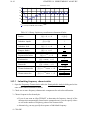
I DENTIFIER
MOD
RAD
DEG
13-3
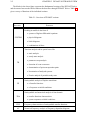
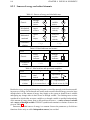
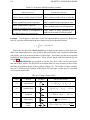
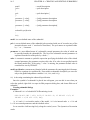
Table 13.2: Components of frequency responses.
C OMPONENT
I DENTIFIER
C OMPONENT
modulus
DB
modulus in dB
phase in radians
RE
real part
phase in degrees
IM
imaginary part
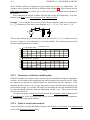
As the frequency-analysis responses are exponential functions, they cannot be displayed in
two-dimensional plots unless they are decomposed into some of their components shown in
Table 13.2.
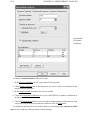
Activate either the problem window, or the diagram window in which the system to be
analyzed is specified. From the Analysis menu, choose Numerical frequency analysis to open
the dialog. After filling in its text fields execute the analysis.
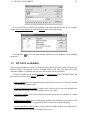
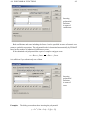
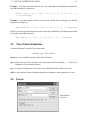
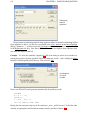
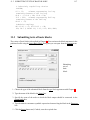
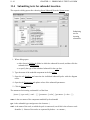
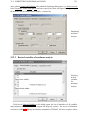
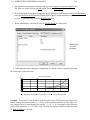
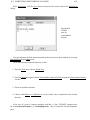
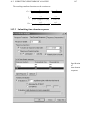
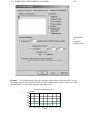
In the next step, open the Desired Variables tab in the Numerical Frequency Analysis dialog.
Here you can choose the variables you want to analyze. At the same time specify the variable
components you are interest in. Then click OK and execute the analysis.
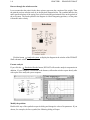
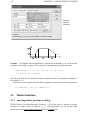
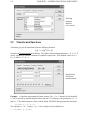
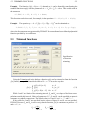
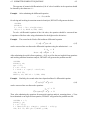
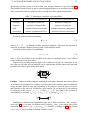
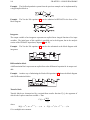
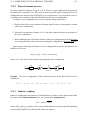
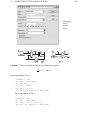
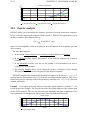
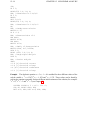
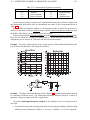
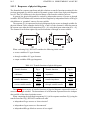
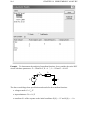
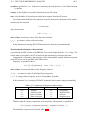
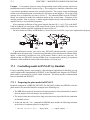
Example. Frequency characteristics of the vertical velocity of the modeled machine the analysis of which was specified in the dialogs shown above:
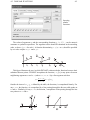
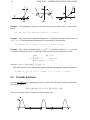
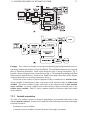
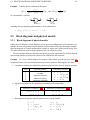
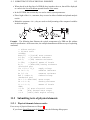
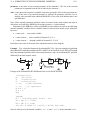
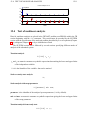
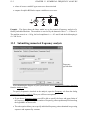
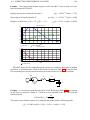
Example. This figure shows the diagram used in Chapter 12 for small-signal transient analysis
of a nonlinear electrical circuit. For small-signal numerical frequency analysis a source of
harmonic voltage was added to the DC voltage source.
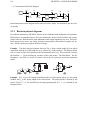
To provide small-signal frequency analysis of the nonlinear circuit we must proceed in
two steps:
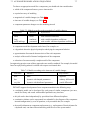
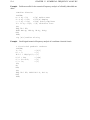
1. Location of the quiescent operating point of the circuit using the nonlinear analysis during
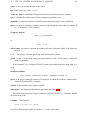
which the source of harmonic voltage u = 10 cos ωt = 10 sin(ωt − 1π/2) mV is ignored.