1
6
7
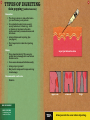
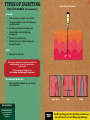
TYPES OF INJECTING
into the vein
{intravenous}
Remember
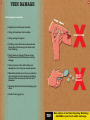
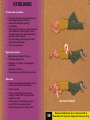
• Always inject in the direction of the heart.
• Never inject into a pulse. A pulse means an
artery.
• Always follow safer injecting tips.
(see page 4)
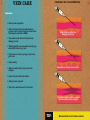
• Vein care is very important.
(see page 16)
Risks:
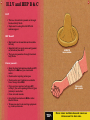
• Blood borne viruses HIV, Hep B & C and
many other health problems.
• Abscesses, infections, blood clots & Deep
Venous Thrombosis (DVT).
• Overdose: Make sure to test the dose and
don’t inject alone.
• There is as high risk of gangrene if you
inject into a pulse/an artery...
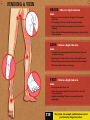
Always inject in direction of heart
If you hit a pulse/artery blood will be bright red
and you may feel pressure against the plunger.
Apply pressure for 15 mins, raise the affected limb and
go to your G.P/or Local Health Centre. If it won’t stop
bleeding or you are worried call 999.
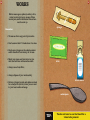
Recommended needle size:
Baby brown for hands and feet.
Brown and diabetic for arms.
(Ask staff for more information)
Did You Know?
Injecting into any
vein is also called
mainlining.
TIP:
The bigger the needle size the greater the
chance that you will damage your veins.