1
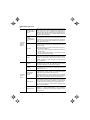
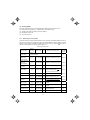
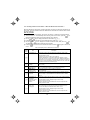
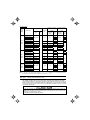
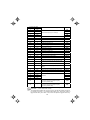
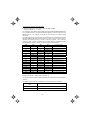
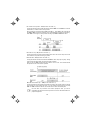
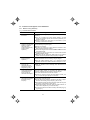
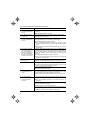
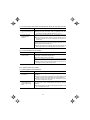
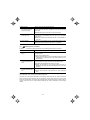
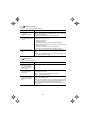
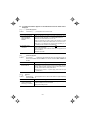
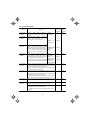
Combination with
peripheral
devices
Discontinuance
of power
capacitor for
power factor
correction
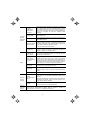
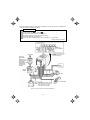
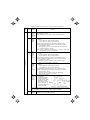
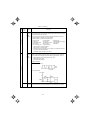
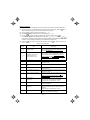
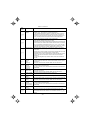
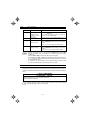
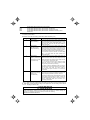
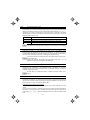
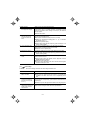
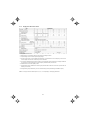
Do not mount power capacitors for power factor correction in
the inverter’s primary circuit. (Use the DC reactor to correct
the inverter power factor.) Do not use power capacitors for
power factor correction in the inverter’s output (secondary)
circuit. An overcurrent trip will occur, disabling motor
operation.
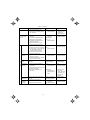
Discontinuance
of surge killer
Do not connect a surge killer to the inverter's output
(secondary) circuit.
Reducing noise
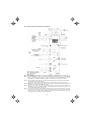
Use of a filter and shielded wires is typically recommended to
satisfy EMC Directive.
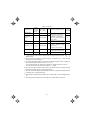
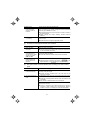
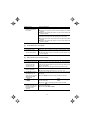
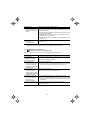
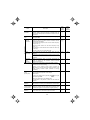
Measures against
surge currents
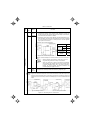
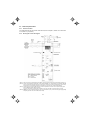
If an overvoltage trip occurs while the inverter is stopped or
operated under a light load, it is assumed that the surge
current is generated by open/close of the power capacitor for
power factor correction in the power system.
* Connect a DC reactor to the inverter.
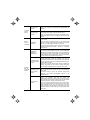
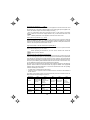
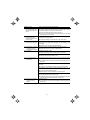
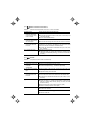
Megger test
When checking the insulation resistance of the inverter, use
a 500 V megger and follow the instructions contained in
Chapter 7, Section 7.5 "Insulation Test."
Control circuit
wiring length
When using remote control, limit the wiring length between
the inverter and operator panel to 20 m or less and use
twisted pair or shielded wire.
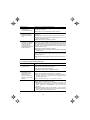
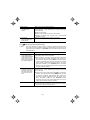
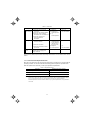
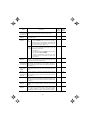
Wiring length
between inverter
and motor
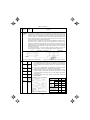
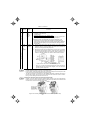
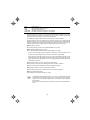
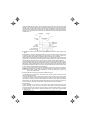
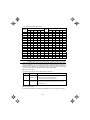
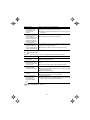
If long wiring is used between the inverter and the motor, the
inverter will overheat or trip as a result of overcurrent
(high-frequency current flowing into the stray capacitance) in
the wires connected to the phases. Ensure that the wiring is
shorter than 50 m. If this length must be exceeded, lower the
carrier frequency or mount an output circuit filter (OFL).
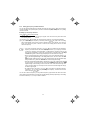
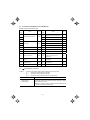
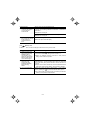
Wiring size
Select wires with a sufficient capacity by referring to the
current value or recommended wire size.
Wiring type
When several inverters drive motors, do not use one
multicore cable in order to connect several inverters with
motors.
Grounding
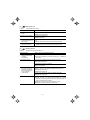
Securely ground the inverter using the grounding terminal.
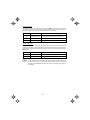
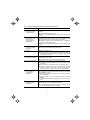
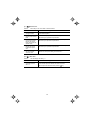
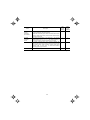
Wiring
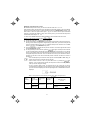
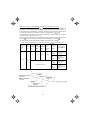
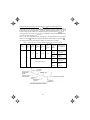
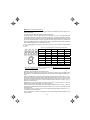
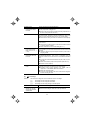
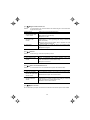
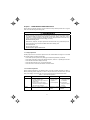
Selecting
inverter
capacity
Driving
general-purpose
motor
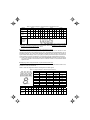
Driving special
motors
Transportation and
storage
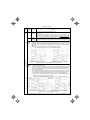
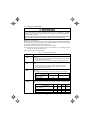
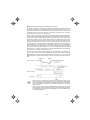
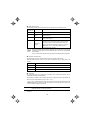
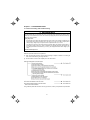
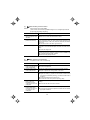
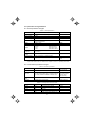
Select an inverter according to the nominal applied motor
rating listed in the standard specifications table for the
inverter.
When high starting torque is required or quick acceleration or
deceleration is required, select an inverter with one rank
larger capacity than the standard.
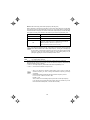
Select an inverter that meets the following condition:
Inverter rated current > Motor rated current
When transporting or storing inverters, follow the procedures and select locations
that meet the environmental conditions listed in Chapter 1, Section 1.3
"Transportation" and Section 1.4 "Storage Environment."
viii