1
JIMCO Verification Protocol
The double bonds in the grease and oil molecules are most likely broken down first, as the
double bonds are more reactive then the single bonds. This results in large molecules being
broken down into smaller and smaller molecules.
Organic deposits (oil and grease) in the hoods and throughout the whole ventilations system
is also attacked by the ozone, and the deposits is claimed to be reduced over a period of time
due to ultraviolet photo catalytic oxidation and destruction of the organic deposits.
3.
DESCRIPTION OF THE SPECIFIC TECHNOLOGY
FOR VERIFICATION
3.1.
APPLICATION AND PERFORMANCE PARAMETER DEFINITIONS
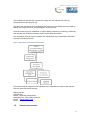
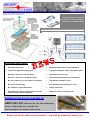
The JIMCO KPC utilizes the UV-C technology (UV radiations in the C band). The fluorescent
tubes are the germicidal and ozone type, which means, that they emit the germicidal
radiation at 253.7 nm and the ozone producing radiation at 185 nm.
See Appendix B for specific information, pictures and drawings for the KPC technology.
To achieve the best effect, the KPC units are preferably mounted in the hoods just behind the
grease filter.
The UV radiation effect from the fluorescent tubes will decrease over time, depending on the
quality, the environment and how often they are turned on and off. The tubes provided from
the proposer will still have 85 % of the original UV radiation after 10 000 hours of operation.
3.1.1.
Matrix/matrices
Ventilation air from commercial kitchen cooking hoods.
3.1.2.
Purposes
Reduction of grease and oil deposits in ducts and emission of particles and odour.
3.2.
3.2.1.
PERFORMANCE PARAMETERS FOR VERIFICATION
Regulatory requirements
No direct regulatory requirements for kitchen hood exhaust emissions are known by the
Verification Test Centre or by the proposer. Indirect regulations for odour nuisances are
common in Denmark, and most likely in many other countries, and some countries have strict
regulations for deposits in ventilations systems.
Several commercial kitchens are situated in cities with short distances from the cooking hood
exhaust to neighbours and trespassing people, where odour nuisances can be a major issue,
and consequently many kitchens have to either install odour abatement systems, or emit the
exhaust air above the roof, which can be on top of a house with many floors.
7