1
EH222 D and Condensing Unit
Remote Low Side Cuber User Manual
Place Remote System
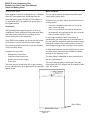
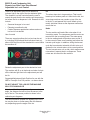
Roof preparation
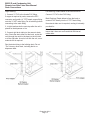
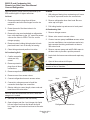
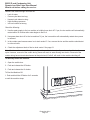
Roof Pipe Curb or Pitch Pocket:
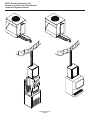
Most installations of this system will place the
condensing unit on the roof of a building. The roof
must be physically able to accept the load of the
equipment and the roofing material must be prepared
to prevent water leaks.
To avoid potential kinking of the refrigeration tubing,
avoid small, tight radius types of covers on pitch
pockets.
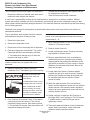
Follow local codes for the placement and attachment
of the equipment.
In most cases a mechanical lift, boom truck or crane
will be required to hoist the condensing unit.
Location
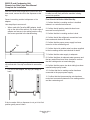
Mount unit to roof rails or curbs and secure with lag
screws or similar field supplied fasteners.
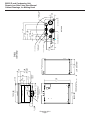
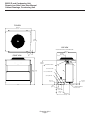
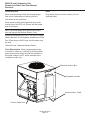
The condensing unit requires unobstructed air flow
to operate efficiently. A four foot space between
each intake side and a wall or other cabinet is
recommended.
Do not place where it will pick up hot discharged air
from an air conditioner or other refrigeration system
condensing unit.
Suggestions:
Orient the assembled unit so that the unit’s mounts
are parallel to the pitch of the roof to allow water to
drain freely.
Do NOT place the unit directly onto roof rock.
Space must also be reserved for service on the
condensing unit.
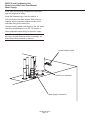
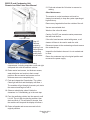
Roof Piercing:
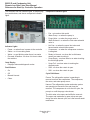
The roof (or wall) must have a passage large enough
for the three refrigeration tubes and the control wire
to pass through. The minimum recommended size is
4” ID. In most areas the power supply may also pass
through the same passage. If there isn’t a passage
one must be created. In most cases this must be done
by a licensed and bonded roofer in order to maintain
the roof’s integrity.
In all cases the line set will need to be shortened to fit.
Do NOT leave excess line set exposed outdoors,
especially on a roof.
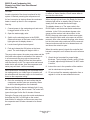
Refrigerant Recovery and System Evacuation Notice
In the event the refrigerant must be recovered from this system and the system evacuated, recover and
evacuate from the three ball valve access valves with the ball valves open.
December 2014
Page 10