1
9.9
Frequently Asked Questions
316
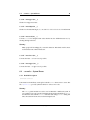
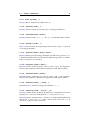
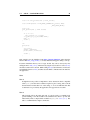
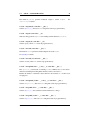
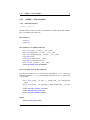
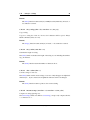
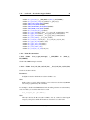
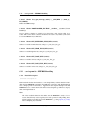
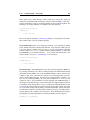
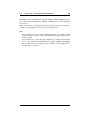
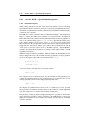
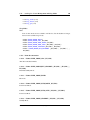
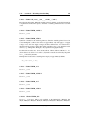
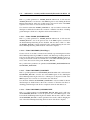
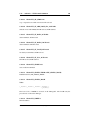
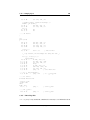
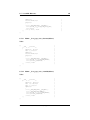
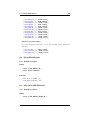
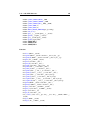
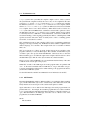
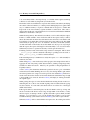
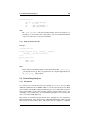
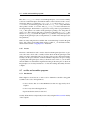
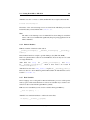
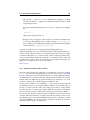
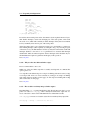
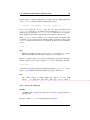
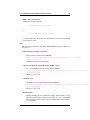
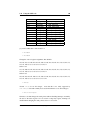
You can clearly see that 0x0038 is correctly passed for the address of the io port.
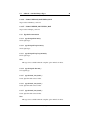
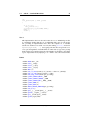
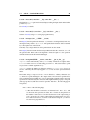
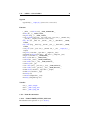
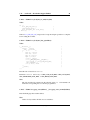
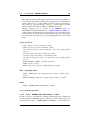
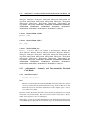
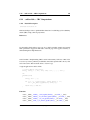
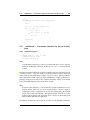
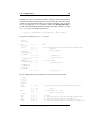
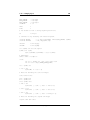
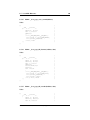
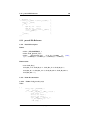
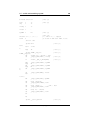
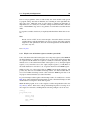
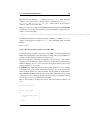
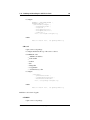
Looking at the disassembled object code for the body of the function, we can see that
the function is indeed performing the operation we intended:
void
set_bits_func_correct (volatile uint8_t *port, uint8_t mask)
{
f8:
fc 01
movw
r30, r24
*port |= mask;
fa:
80 81
ld
r24, Z
fc:
86 2b
or
r24, r22
fe:
80 83
st
Z, r24
}
100:
08 95
ret
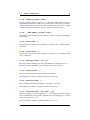
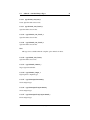
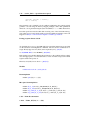
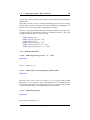
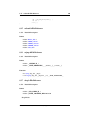
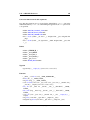
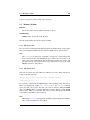
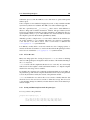
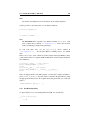
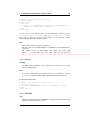
Notice that we are accessing the io port via the LD and ST instructions.
The port parameter must be volatile to avoid a compiler warning.
Note:
Because of the nature of the IN and OUT assembly instructions, they can not be
used inside the function when passing the port in this way. Readers interested in
the details should consult the Instruction Set data sheet.
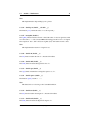
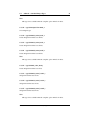
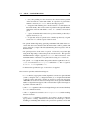
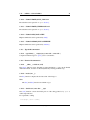
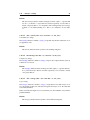
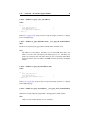
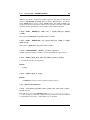
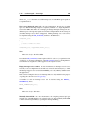
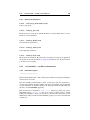
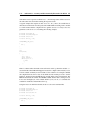
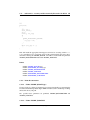
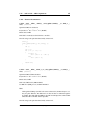
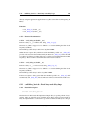
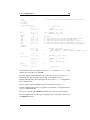
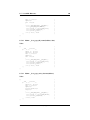
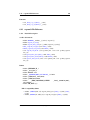
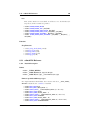
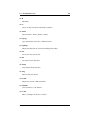
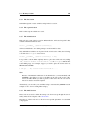
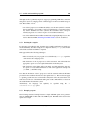
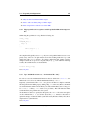
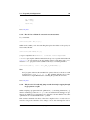
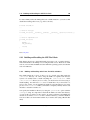
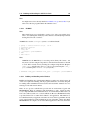
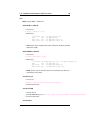
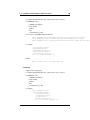
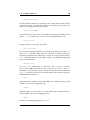
Finally we come to the macro version of the operation. In this contrived example, the
macro is the most efficient method with respect to both execution speed and code size:
set_bits_macro (PORTB, 0xf0);
11c:
88 b3
in
r24, 0x18
11e:
80 6f
ori
r24, 0xF0
120:
88 bb
out
0x18, r24
; 24
; 240
; 24
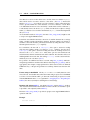
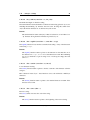
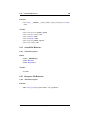
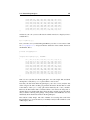
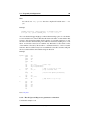
Of course, in a real application, you might be doing a lot more in your function which
uses a passed by reference io port address and thus the use of a function over a macro
could save you some code space, but still at a cost of execution speed.
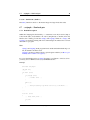
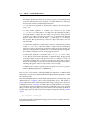
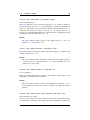
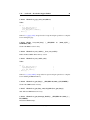
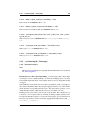
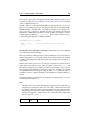
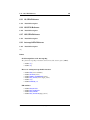
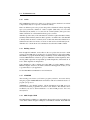
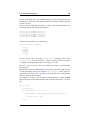
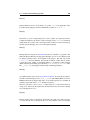
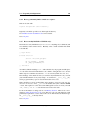
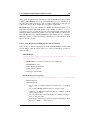
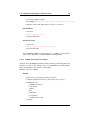
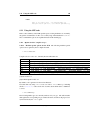
Care should be taken when such an indirect port access is going to one of the 16-bit
IO registers where the order of write access is critical (like some timer registers). All
versions of avr-gcc up to 3.3 will generate instructions that use the wrong access order
in this situation (since with normal memory operands where the order doesn’t matter,
this sometimes yields shorter code).
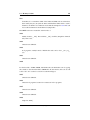
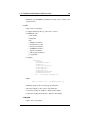
See http://mail.nongnu.org/archive/html/avr-libc-dev/2003-01/msg00044.html
for a possible workaround.
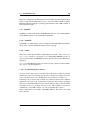
avr-gcc versions after 3.3 have been fixed in a way where this optimization will be
disabled if the respective pointer variable is declared to be volatile, so the correct
behaviour for 16-bit IO ports can be forced that way.
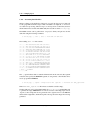
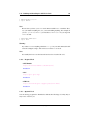
Back to FAQ Index.
Generated on Mon Oct 29 20:02:34 2007 for avr-libc by Doxygen