1
Which Power Devices?
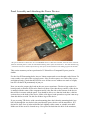
The two off board transistors are awesomely chunky devices in a TO-3P package. The devices
I recommend are TIP35C for the NPN and TIP145 or TIP147 for the Darlington PNP. I buy
Multicomp's MOSPEC ones available from Farnell.
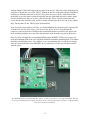
If you are using the standard TIP devices you may also need two TO-3P mounting kits. This
comprises usually of an insulating pad or plate and an insulating bush which looks like a little
top-hat. The kit may also have a sachet of some heatsink compound if the insulation material
is made from mica. Newer kits contain a pad made from a fibre glass cloth which is usually
grey, but I have seen white and pale green ones too. This pad has two functions: Firstly it
insulates the metal tab of the housing, which is internally connected to the collector of the
transistor, from the panel or heatsink. Secondly it improves thermal transfer because it
squashes itself into the two surfaces so it doesn't normally need any heatsink paste. The
insulating bush is like a little top hat made from a very brittle plastic. This will sit in the hole of
the device and insulate the mounting screw from the metal tab. The MOSPEC TIP35 and
TIP145 devices need no insulating bush, only the insulating pad, since the mounting hole is
already insulated as part of the device.
Alternatively, you can use any large power NPN and PNP device you fancy, but just make
sure you have wired the correct pins to the right pads on the PCB. Remember, for the PNP
device you need to ensure that the minimum hfe is sufficiently high. This is because there is a
direct relationship between the current draw on the power supply and the current that is
needed to drive the transistor. I would recommend devices with hfe of 80 or more. Using a
Darlington device for the PNP transistor will ensure that you have enough gain – although too
much gain could lead to instability. Remember also that older TO-3 packages will need special
mounting kits with bushes, solder tags and insulating pads.
3