1
Introduction
1.1 File Concepts
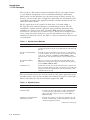
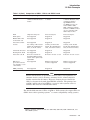
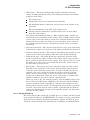
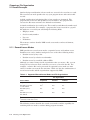
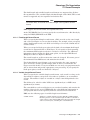
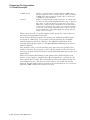
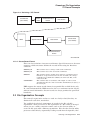
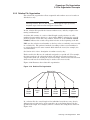
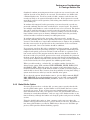
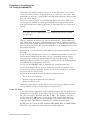
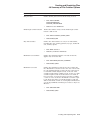
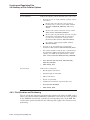
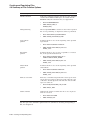
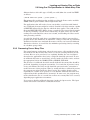
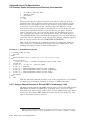
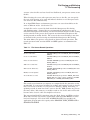
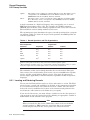
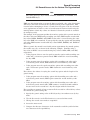
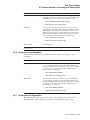
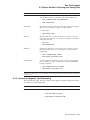
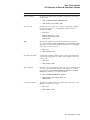
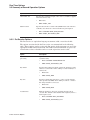
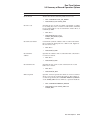
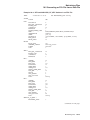
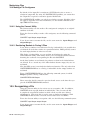
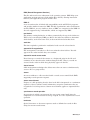
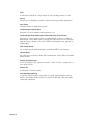
Table 1–2 (Cont.) Record Formats
Record Format
Description
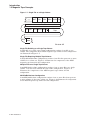
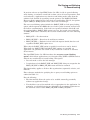
Stream
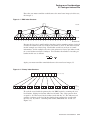
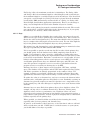
Records are delimited by special characters or
character sequences called terminators. Records
with stream format are interpreted as a continuous
sequence, or stream, of bytes. The carriage return
and the line feed characters are commonly used as
terminators.
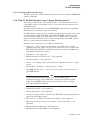
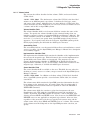
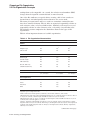
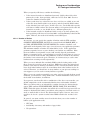
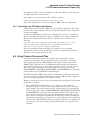
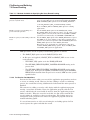
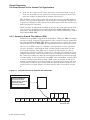
When you design a file, you specify the file storage medium and the file and
record characteristics directly through your application program or indirectly
using an appropriate utility. Chapter 2 outlines RMS file organization, record
access modes, and record characteristics in detail.
After RMS creates the file, the application program must consider these record
characteristics when storing, retrieving, and modifying records. See Chapter 4
for information about creating files, populating files with records, and protecting
files. See Chapter 8 for information about record processing, including record
access modes; synchronous and asynchronous record operations; and retrieving,
inserting, updating, and deleting records.
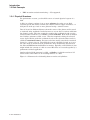
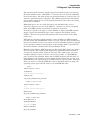
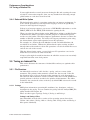
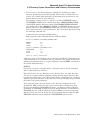
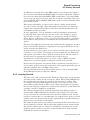
The maximum size of an RMS file has no built-in limitation other than the
32-bit virtual block number (VBN). In terms of blocks, a single file is limited to a
VBN that must be described in 32 bits. So the maximum size of an RMS file is
about 4.2 billion (4,294,967,295) blocks. In terms of bytes, this is equivalent to 2
terabytes.
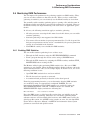
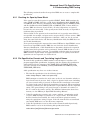
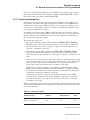
1.2 Disk Concepts
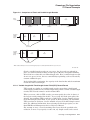
This section describes disk concepts as an aid to understanding how a disk may
be configured to enhance data access for improved performance. Disk structures
may be defined as either logical or physical and the two types interact with each
other to some degree. That is, you cannot manipulate a logical structure without
considering the effect on a corresponding physical structure.
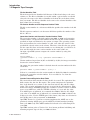
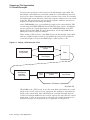
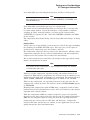
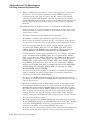
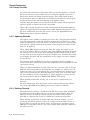
RMS disk files reside on Files–11 On-Disk Structure (ODS) disks. Files–11 is
the name of the disk structures supported by the operating system. Files–11
disk structures are further characterized as being either on-disk structures or
CD–ROM volume and file structures. The Files–11 structure is a hierarchical
organization of files, their data, and the directories needed to gain access to
them. The OpenVMS file system implements the Files–11 on-disk structure and
provides random access to the files located on the disk or CD-ROM. Users can
read from and write to disks. Users can read from and write to disks. They can
read from CD-ROMs and if they have a CD-Recordable (CD-R or CD-RW) drive,
they can write (or burn) their own CD-ROMs.
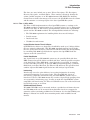
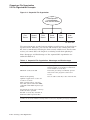
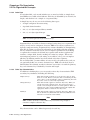
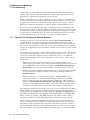
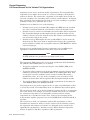
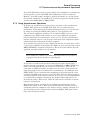
On-disk structures include levels 1, 2, and 5. (Levels 3 and 4 are internal names
for ISO and High Sierra CD formats.) ODS-1 and ODS-2 structures have been
available on OpenVMS systems for some time. Beginning with OpenVMS Version
7.2 on Alpha systems, you can also specify ODS-5 to format disks.
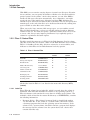
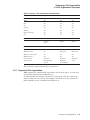
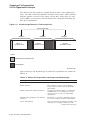
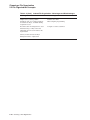
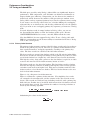
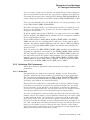
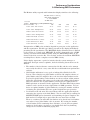
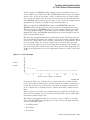
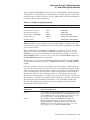
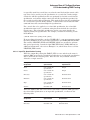
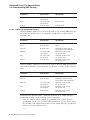
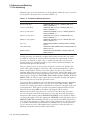
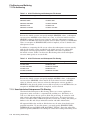
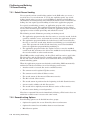
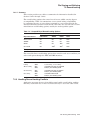
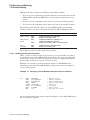
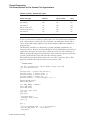
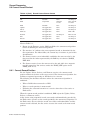
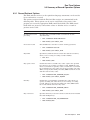
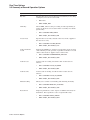
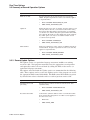
Table 1–3 compares the characteristics of file structures that are available on
OpenVMS Version 7.2 and later systems.
Introduction 1–3