1
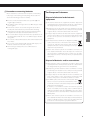
QPrecautions concerning batteries
Misuse of batteries could cause them to rupture or leak leading
to fire, injury or the staining of nearby things. Please read and
observe the following precautions carefully.
Disposal of electrical and electronic
equipment
(a)All electrical and electronic equipment should be disposed of
separately from the municipal waste stream via collection facilities designated by the government or local authorities.
(b)By disposing of electrical and electronic equipment correctly,
you will help save valuable resources and prevent any potential
negative effects on human health and the environment.
(c)Improper disposal of waste electrical and electronic equipment
can have serious effects on the environment and human health
because of the presence of hazardous substances in the
equipment.
(d)The Waste Electrical and Electronic Equipment (WEEE)
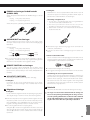
symbol, which shows a wheeled bin that has been
crossed out, indicates that electrical and electronic
equipment must be collected and disposed of separately from household waste.
(e)Return and collection systems are available to end users. For
more detailed information about the disposal of old electrical and electronic equipment, please contact your city office,
waste disposal service or the shop where you purchased the
equipment.
Disposal of batteries and/or accumulators
(a)Waste batteries and/or accumulators should be disposed of
separately from the municipal waste stream via collection facilities designated by the government or local authorities.
(b)By disposing of waste batteries and/or accumulators correctly,
you will help save valuable resources and prevent any potential
negative effects on human health and the environment.
(c)Improper disposal of waste batteries and/or accumulators can
have serious effects on the environment and human health
because of the presence of hazardous substances in them.
(d)The WEEE symbol, which shows a wheeled bin that
has been crossed out, indicates that batteries and/or
accumulators must be collected and disposed of sepaPb, Hg, Cd
rately from household waste.
If a battery or accumulator contains more than the specified
values of lead (Pb), mercury (Hg), and/or cadmium (Cd) as
defined in the Battery Directive (2006/66/EC), then the chemical symbols for those elements will be indicated beneath the
WEEE symbol.
(e)Return and collection systems are available to end users. For
more detailed information about the disposal of waste batteries
and/or accumulators, please contact your city office, waste disposal service or the shop where you purchased them.
3
ENGLISH
oo Be sure to insert the batteries with correct positive (+) and
negative (_) orientations.
oo Use batteries of the same type. Never use different types of batteries together.
oo If the remote control is not used for a long time (more than a
month), remove the batteries to prevent them from leaking.
oo If the batteries leak, wipe away the leakage inside the battery
compartment and replace the batteries with new ones.
oo Do not use batteries of types other than those specified. Do not
mix new batteries with old ones or use different types of batteries together.
oo Do not heat or disassemble batteries. Never throw batteries into
fire or water.
oo Do not carry or store batteries with other metallic objects. The
batteries could short circuit, leak or explode.
oo Never recharge a battery unless it is confirmed to be a
rechargeable type.
For European Customers