1
154
How to Do Everything with Your Digital Camera
CompactFlash
I often call CompactFlash the most versatile memory card format on the market. It’s quite small,
comes in a wide range of capacities, and is priced affordably to boot.
CompactFlash is actually the same age as SmartMedia—together, those two formats are
the great-grandparents of today’s mobile storage gadgets. I think that CompactFlash is best for
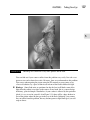
photographers who need to pack a large number of images onto each card. As you can see in
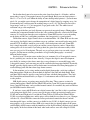
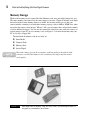
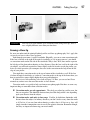
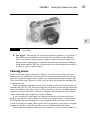
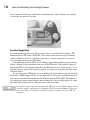
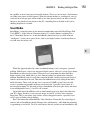
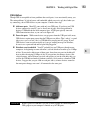
the following illustration, CompactFlash is reasonably small (it’s about an eighth of an inch
thick), yet it comes in capacities up to 1GB—as much storage space as a small hard disk.
CompactFlash cards (shown here) are ideal for high-megapixel cameras and situations in which
you can’t easily swap out memory cards when the first one is full (underwater photography is
an excellent example). A variation on the CompactFlash format is a small device called the
Microdrive. IBM’s Microdrive is a tiny hard disk packed into the CompactFlash format. Two
Microdrives are available: a 340MB card and a 1GB card. Not all camera manufacturers certify
their cameras to work reliably with the Microdrive, even if the camera accepts the slightly
thicker “Type II” CompactFlash cards (such as the Microdrive), so you should check before
investing in one.
Memory Stick
Originally manufactured exclusively by Sony for Sony products, Memory Sticks are slowly
starting to catch on. In fact, Lexar, a popular maker of SmartMedia and CompactFlash memory
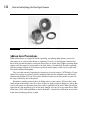
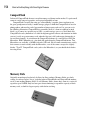
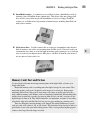
cards, is now making Memory Sticks as well. Memory Sticks (shown here) come in a variety of
capacities up to 128MB. Sony has been great about continuing to expand the capacity of these
memory cards, so look for larger-capacity sticks before too long.