1
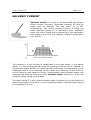
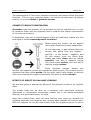
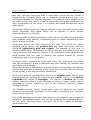
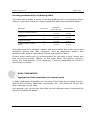
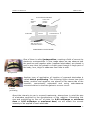
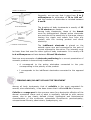
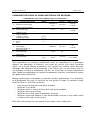
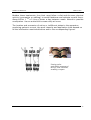
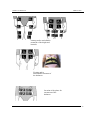
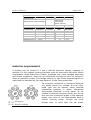
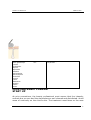
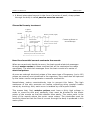
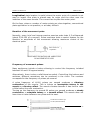
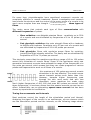
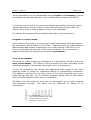
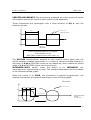
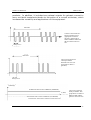
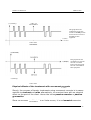
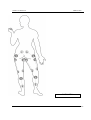
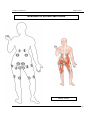
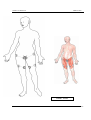
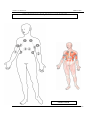
START UP MANUAL IMPGA 3000 Longitudinal plate location is useful where the motor point of a muscle is not easy to locate. One plate is placed near its origin and the other near the insertion of the same muscle. The current has to pass the motor point. On the face, where a number of motor-points are close together, conventional plate application is not possible, or at least, difficult. Duration of the movement pulse Normally, every brief and intense passive exercise pulse lasts 0,3 milliseconds (about 3/10.000 of a second). Some machines have a control system for the duration or amplitude of the movement allowing maximum control of the electrical pulse. Pulse duration or “amplitude” MOVEMENT DURATION OR AMPLITUDE IN MOVEMENT PULSES Frequency of movement pulses Many appliances include a button allowing to control the frequency included between 40 and 120 approximately. Alternatively, there is also a mild/intensive switch. Controlling this buttons and switches, different sensations can be produced in the client. The numbers correspond to the frequency of pulses per second. A pulse frequency of 40-60 pulses per second produces a vibratory contraction of the muscle. This is known as incomplete tetany in the muscle or vibratory effect. The muscle vibrates because it has time to relax a little before the next contraction. Turning up the frequency to around 90 pulses per second produces a steady contraction, a complete tetany or a smooth effect. The muscle does not have time to relax between one pulse and the next. around 50 movements per second (vibration effect) EMA 85