1
1. General Precaution
1.1. Material Section
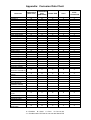
Material deterioration is determined by the contained fluid. The need for period inspection
must be determined by user based on the contained fluid. Among possible cases of
deterioration are carbide phase conversion to graphite, oxidation of ferrite materials,
decrease in ductility of carbon steels at low temperature (even in applications above 29°C). Although information about corrosion data is provided in this user‘s manual, the
user should pay special attention to determine the suitability of material in his own specific
application
1.2. Pressure-Temperature Rating
Stated rating is considered for static pressure only. Please refer to P & T rating section
on page 3 for working precaution. The allowable temperature range is between ambient
temperature and 200°C. DO NOT exceed the temperature range. Exceeding the
temperature range could result in serious accidents
1.3. Fluid Thermal Expansion
When the valve is subjected to extreme variation in ambient temperature, fluid thermal
expansion might cause the ball valve to exceed intended operating pressure. This
condition tends to be more severe when the ball valve is left in closed position for a long
period of time during extreme temperature variation. While our valve is designed to
equalize the pressure within the ball valve cavities, the user must take measures to
ensure that the valve does not exceed it rated pressure due to fluid thermal expansion
1.4. Static Electric Effect
The ball valve has an internal anti-static design. It is designed to provided electric
continuity between ball, stem, and body. When service conditions require electrical
continuity to prevent static discharge, the user is responsible for providing static
grounding
1.5. Liquids with High Fluid Velocity
When your application calls for frequent high fluid velocity, please contact our distributor
for advise on minimizing the possibility of seat deformation, especially when ball valves
are subjected to high pressure and high temperature lines
1.6. Throttling Service
Ball valves are generally not recommended for throttling service. The fluid flow and the
leading edge of the ball can damage or deform the resilient ball seats. High fluid velocity
or the presence of solid particles in the pipeline will further reduce the seat life in throttling
applications
1.7. Disassembling Valve
Do not disassemble or loosen any part of valve while it is under pressure. When the
valve is not equipped with pressure sensing device, user should check the line pressure
by other method through the piping system
1.8. Skin Contact with the Valve Surface
When the valve is in service, do not touch the valve surface until you can be sure that it is
within the safe temperature range for touching
1.9. Fluid contact with the Valve
Do not use the valve on fluids that are corrosive or inappropriate to any part of the valve.
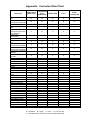
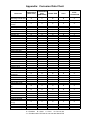
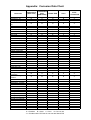
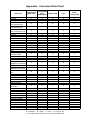
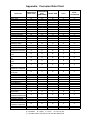
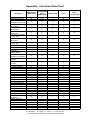
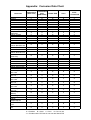
Please review the corrosion data on page 8 for more information
1.10. Locking Device
To guard against valve being operated by unauthorized personnel, lockable ball valve is
available as an option. However, the pad lock must be provided by the customer.
2. Product Description
2.1. Feature
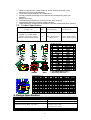
a. Full bore ball valve with ISO5211 mounting pad for direct mounting to actuator with
DIN3337 standard
b. Easily retrofitted with manual handle, double acting actuator, or single acting actuator
-1-