1
D7.1ARCOMEM Development Guideline
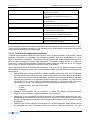
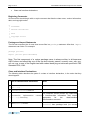
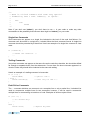
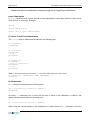
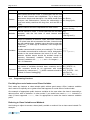
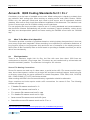
classMethod();
AClass.classMethod();
anObject.classMethod();
Page 31 of 41
//OK
//OK
//AVOID!
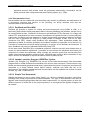
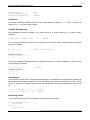
Constants
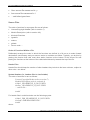
Numerical constants (literals) should not be coded directly, except for -1, 0, and 1, which can
appear in a for loop as counter values.
Variable Assignments
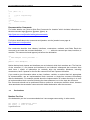
Avoid assigning several variables to the same value in a single statement. It is hard to read.
Example:
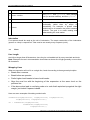
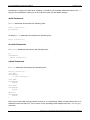
fooBar.fChar = barFoo.lchar = 'c'; // AVOID!
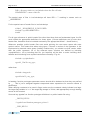
Do not use the assignment operator in a place where it can be easily confused with the equality
operator. Example:
if (c++ = d++) {
...
}
// AVOID! (Java disallows)
should be written as
if ((c++ = d++) != 0) {
...
}
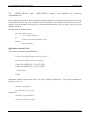
Do not use embedded assignments in an attempt to improve run-time performance. This is the job
of the compiler. Example:
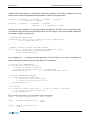
d = (a = b + c) + r;
// AVOID!
should be written as
a = b + c;
d = a + r;
Parentheses
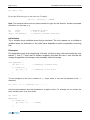
It is generally a good idea to use parentheses liberally in expressions involving mixed operators to
avoid operator precedence problems. Even if the operator precedence seems clear to you, it might
not be to others-you shouldn't assume that other programmers know precedence as well as you
do.
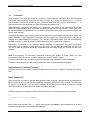
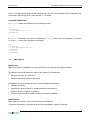
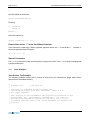
if (a == b andand c == d)
// AVOID!
if ((a == b) andand (c == d)) // RIGHT
Returning Values
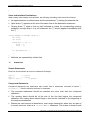
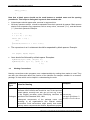
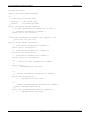
Try to make the structure of your program match the intent. Example:
if (booleanExpression) {
return true;
} else {
return false;
2010–2011 © Copyright lies with the respective authors and their institutions.