1
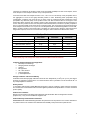
Appendix B Cell-Free Circulating Nucleic Acid Yield Urine total Nucleic Acid, like RNA and DNA in other cell-free bodily fluids, is normally found in very low amounts (1 - 100 pg/µL), therefore measuring cell-free RNA or DNA concentration using common quantification methods is very difficult and challenging. Typical yields of urine Nucleic Acid vary significantly from sample to sample. Variability is also observed between samples collected from the same donor at different times during the day and therefore there is no absolute yield for RNA purified from bodily fluids including urine. Cell-free circulating RNA yield varies depending on a number of factors including age, sex, diet, exercise and most importantly the health status of the donor. Below is a list of the most common RNA and DNA quantification methods, as well as the limit of detection for each of these methods. Unfortunately, none of these methods can be used reliably for measuring the concentration of the purified nucleic acid from urine unless large urine volumes have been processed. This would only be applicable if urine contains the maximum amount of nucleic acid that can fit within the specification range of these quantification tools. It should be noted that the specifications outlined below are based on measuring a pure RNA/DNA, which will not be the case for the nucleic acid purified from urine. Urine nucleic acid is short and fragmented, and is usually present in less than 1000 bp. Purified urine nucleic acid usually contains traces of proteins which will interfere with most quantification methods, leading to the overestimation of the purified nucleic acid concentration. Therefore purified nucleic acid contaminated with more proteins will be presented at a higher concentration as compared to nucleic acid purified with less protein contaminants, which in this case will depend on the method used for urine nucleic acid purification. The only reliable method that can assess the quality and the relative quantity of the purified urine nucleic acid is RT-qPCR (RNA) or qPCR (DNA) amplification of a standard RNA or DNA using a small amplicon such as the 5S rRNA housekeeping gene. Common Nucleic Acid Quantification Methods 1) Bioanalyzer RNA Quantification Kits RNA 6000 Nano Kit RNA 6000 Pico Kit Small RNA kit Total RNA mRNA Total RNA mRNA Total RNA Quantitative range 25 - 500 ng/µL 25 - 250 ng/µL 5 - 500 ng/µL 5 - 250 ng/µL ---250 - 5000 pg/µL 50-2000 pg/µL Qualititative range ---50 - 5000 pg/µL Quantitation accuracy 20% CV 20% CV 30% CV ---- ------ 50-2000 pg/µL 2) Bioanalyzer DNA Quantification Kits Size Range DNA 1000 Kit 25–1000 bp DNA 7500 Kit 100–7500 bp DNA 12000 Kit 100–12000 bp High Sensitivity DNA Kit 50-7000 bp Quantitation accuracy 20% CV* 20% CV* 25% CV* 20% CV Quantitative range 0.5-50 ng/µL 0.5-50 ng/µL 0.5-50 ng/µL 5-500 pg/µL 3) NanoDrop 2000 Detection Limit: 2 ng/µl (dsDNA) 4) Quant-iT™ RiboGreen® RNA Assay Kit Quantitation Range: 1-200 ng 5) Quant-iT™ Pico Green® dsDNA Assay Kit Detection Limit: 25 pg/mL 6) qPCR Standard Curve (generated using Norgen’s Low Abundance DNA Quantification Kit, Cat# 57200) 7