1
ERTFS User Guide
ERTFS 4.4zb Pro/Basic
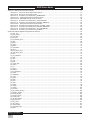
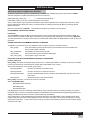
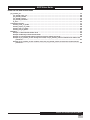
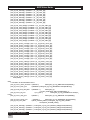
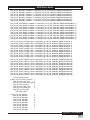
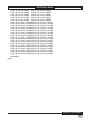
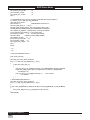
Table of Contents
Revised March, 2007
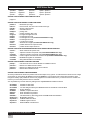
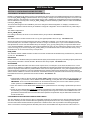
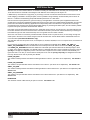
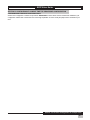
Table of Contents
Section 1: Getting Started with ERTFS.......................................................................................................................................... 5
Section 2: The source code structure............................................................................................................................................. 7
Public Header files.................................................................................................................................................................. 7
Private Header Files................................................................................................................................................................ 7
Demonstration sample code and utility programs................................................................................................................... 7
Porting files............................................................................................................................................................................. 7
Source code for user modifiable public functions.................................................................................................................... 7
Source code for user API calls; See the API Section.............................................................................................................. 8
Source code for ERTFS PRO user API calls........................................................................................................................... 8
Source code for the ERTFS core functions............................................................................................................................. 8
Source code for localization and multiple character set support............................................................................................. 8
Source code for ERTFS FAILSAFE FEATURE....................................................................................................................... 8
Source code for ERTFS device drivers................................................................................................................................... 8
Section 3: Configuring Runtime Features...................................................................................................................................... 9
Configuring the Memory Usage and Capacities of ERTFS..................................................................................................... 9
Configuring FAT Buffer Pools and FAT hash tables................................................................................................................ 9
Section 4: Configuring compile time feature set options.............................................................................................................. 11
Section 5: Configuring at compile time the processor configuration............................................................................................ 13
Section 6: Configuring inclusion of device driver support............................................................................................................. 15
Section 7: Introduction to porting ERTFS..................................................................................................................................... 17
Section 8: Porting by borrowing from existing targets.................................................................................................................. 19
Section 9: Porting issues for the file portconf.h. .......................................................................................................................... 21
Section 10: Porting: overview....................................................................................................................................................... 23
Section 11: Porting: periodic clock support................................................................................................................................... 25
Section 12: Porting: mutex semaphore support........................................................................................................................... 27
Section 13: Porting: event signaling support................................................................................................................................ 29
unsigned long rtfs_port_alloc_signal(void)............................................................................................................................ 29
void rtfs_port_clear_signal(unsigned long handle)................................................................................................................ 29
int rtfs_port_test_signal(unsigned long handle, int timeout).................................................................................................. 29
void rtfs_port_set_signal(unsigned long handle) . ................................................................................................................ 29
Section 14: Porting: timer Support Functions............................................................................................................................... 31
void rtfs_port_sleep(int sleeptime) ....................................................................................................................................... 31
unsigned long rtfs_port_elapsed_zero() . ............................................................................................................................. 31
int rtfs_port_elapsed_check(unsigned long zero_val, int timeout)........................................................................................ 31
Section 15: Porting: identify current task ID................................................................................................................................. 33
Section 16: Porting: console input and output.............................................................................................................................. 35
Section 17: Porting: interrupt enable/disable................................................................................................................................ 37
Section 18: Porting: miscellaneous functions............................................................................................................................... 39
Section 19: Porting: clock calendar.............................................................................................................................................. 41
Section 20: Porting: floppy disk.................................................................................................................................................... 43
Section 21: Porting: pcmcia.......................................................................................................................................................... 45
Section 21.1: Porting pcmcia to a non-82365 PCMCIA controller......................................................................................... 45
Section 21.2: Implementing Card event handlers for externally supplied pcmcia controller drivers..................................... 46
Section 22: Porting: 82365 pcmcia controller............................................................................................................................... 47
Section 23: Porting: IDE and compact flash................................................................................................................................. 49
void hook_ide_interrupt(int irq, int controller_number).......................................................................................................... 49
Register access functions required by the ide driver:........................................................................................................... 49
Section 24: Porting: IDE Ultra DMA mode.................................................................................................................................... 51
Section 25: Supporting Removable TRUE-IDE Devices.............................................................................................................. 53
Section 26: ERTFS Linear Flash Support.................................................................................................................................... 55
Flash Memory Technology Drivers........................................................................................................................................ 55
Adding your own Flash Memory Technology Drivers............................................................................................................ 55
Functions that must be provided to support a flash device................................................................................................... 55
Sample MTD drivers.............................................................................................................................................................. 56
Copyright 2006 EBS, Inc.
Table of Contents
ERTFS User Guide
Section 27: Adding Your Own Device Drivers.............................................................................................................................. 57
Section 27.1: The Device block data transfer function......................................................................................................... 57
Section 27.2: The Device I/O control function...................................................................................................................... 57
Section 27.3: I/O Control op-code DEVCTL_WARMSTART................................................................................................ 57
Section 27.3.1: Passing parameters to the device driver .................................................................................................... 58
Section 29.3.2: State flags used by the device driver.......................................................................................................... 58
Section 27.4: I/O Control op-code DEVCTL_CHECKSTATUS............................................................................................ 59
Section 27.5: I/O Control op-code DEVCTL_REPORT_REMOVE...................................................................................... 59
Section 29.5.1: Example Card removal event handler ........................................................................................................ 59
Section 27.6: I/O Control processing for DEVCTL_POWER_LOSS.................................................................................... 60
Section 27.7: I/O Control op-code DEVCTL_REPORT_RESTORE.................................................................................... 60
Section 27.8: I/O Control op-code DEVCTL_GET_GEOMETRY......................................................................................... 60
Section 27.9: I/O Control op-code DEVCTL_FORMAT........................................................................................................ 60
Section 28: ERTFS Application Programmers Interface............................................................................................................... 61
pc_ertfs_init........................................................................................................................................................................... 63
pc_ertfs_config...................................................................................................................................................................... 64
pc_free_user......................................................................................................................................................................... 65
pc_set_cwd........................................................................................................................................................................... 66
pc_set_default_drive............................................................................................................................................................. 67
pc_pwd.................................................................................................................................................................................. 68
pc_gfirst................................................................................................................................................................................. 69
pc_gnext................................................................................................................................................................................ 70
pc_gdone.............................................................................................................................................................................. 71
pc_enumerate....................................................................................................................................................................... 72
get_errno............................................................................................................................................................................... 74
rtfs_set_driver_errno............................................................................................................................................................. 75
rtfs_get_driver_errno............................................................................................................................................................. 76
pc_free.................................................................................................................................................................................. 77
pc_get_attributes................................................................................................................................................................... 78
pc_isdir.................................................................................................................................................................................. 79
pc_isvol................................................................................................................................................................................. 80
pc_stat................................................................................................................................................................................... 81
pc_fstat.................................................................................................................................................................................. 83
pc_check_disk....................................................................................................................................................................... 85
pc_mkdir................................................................................................................................................................................ 86
pc_mv.................................................................................................................................................................................... 87
pc_rmdir................................................................................................................................................................................ 88
pc_deltree............................................................................................................................................................................. 89
pc_set_attributes................................................................................................................................................................... 90
pc_unlink............................................................................................................................................................................... 91
pc_diskflush()........................................................................................................................................................................ 92
po_open................................................................................................................................................................................ 93
po_close................................................................................................................................................................................ 94
po_flush................................................................................................................................................................................. 95
po_read................................................................................................................................................................................. 96
po_write................................................................................................................................................................................. 97
po_lseek................................................................................................................................................................................ 98
po_ulseek.............................................................................................................................................................................. 99
po_chsize............................................................................................................................................................................ 100
po_truncate......................................................................................................................................................................... 101
pc_get_media_parms()....................................................................................................................................................... 102
pc_partition_media.............................................................................................................................................................. 103
pc_format_media................................................................................................................................................................ 104
pc_format_volume............................................................................................................................................................... 105
pc_cluster_size................................................................................................................................................................... 108
pc_get_file_extents............................................................................................................................................................. 109
pc_get_free_list................................................................................................................................................................... 110
pc_raw_read........................................................................................................................................................................111
pc_raw_write()..................................................................................................................................................................... 112
po_extend_file().................................................................................................................................................................. 113
pc_regression_test.............................................................................................................................................................. 114
tst_shell............................................................................................................................................................................... 115
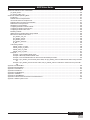
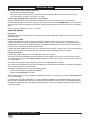
Table of Contents
ERTFS User Guide
Section 29: ERTFS Pro API FUNCTIONS................................................................................................................................. 117
pro_buffer_status................................................................................................................................................................ 118
pro_assign_buffer_pool....................................................................................................................................................... 120
Section 30: Failsafe Operating Mode......................................................................................................................................... 121
Introduction......................................................................................................................................................................... 121
Failsafe Resource Requirements........................................................................................................................................ 121
Journal File Resource Requirements.................................................................................................................................. 121
Failsafe’s Effect On CPU And IO Utilization........................................................................................................................ 121
RAM Resource Requirements............................................................................................................................................ 122
Strategies for using Failsafe................................................................................................................................................ 122
Configuring ERTFS To Include Failsafe.............................................................................................................................. 122
Configuring Failsafe at Compile Time................................................................................................................................. 123
Configuring Failsafe at Run Time........................................................................................................................................ 123
Initializing Failsafe............................................................................................................................................................... 123
Additional Errno Handling When Using Failsafe ................................................................................................................ 123
ERTFS Pro Failsafe API Functions..................................................................................................................................... 125
pro_failsafe_auto_init................................................................................................................................................... 128
pro_failsafe_commit..................................................................................................................................................... 129
pro_failsafe_restore..................................................................................................................................................... 130
pro_failsafe_shutdown................................................................................................................................................. 132
fs_test.......................................................................................................................................................................... 133
Customizing Failsafe........................................................................................................................................................... 137
failsafe_create_nv_buffer............................................................................................................................................. 138
failsafe_reopen_nv_buffer............................................................................................................................................ 139
failsafe_write_nv_buffer............................................................................................................................................... 140
failsafe_read_nv_buffer................................................................................................................................................ 141
Examples............................................................................................................................................................................ 142
Example 1: Auto-Initialize failsafe mode. ................................................................................................................... 142
Example 2: Manually initialize failsafe mode. ............................................................................................................ 144
Example 3: Commit failsafe buffers to disk and clear the failsafe journal file.............................................................. 146
Example 4: pro_failsafe_init has already been called, use pro_failsafe_restore to determine the state of the journal file
147
Example 5: pro_failsafe_init has not been called, use pro_failsafe_restore to restore the volume from the journal file....
148
Appendix A: PORTCONF.H........................................................................................................................................................ 149
Appendix B. RTFSCONF.H........................................................................................................................................................ 151
Appendix C: APICNFIG.C.......................................................................................................................................................... 153
Appendix D. APPINIT.C.............................................................................................................................................................. 161
Appendix E. PORTKERN.C........................................................................................................................................................ 163
Appendix F. PORTIO.C.............................................................................................................................................................. 171
Appendix G: APPCMDSH.C ...................................................................................................................................................... 177
Appendix H: ERTFS Command Shell Command Reference..................................................................................................... 195
Appendix J: ERTFS system errors............................................................................................................................................. 201
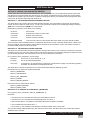
Table of Contents
ERTFS User Guide
Table of Contents
ERTFS User Guide
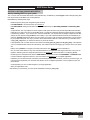
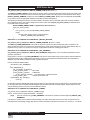
Section 1: Getting Started with ERTFS
Start by installing ERTFS on your system.
The ‘C’ source code and header files reside in the install directory. A subdirectory named targets contains sample porting files
that may be used to build ERFTS for several platforms.
Build ERTFS by following these steps.
· Read through the porting and configuration guide carefully.
· Edit PORTCONF.H to set the byte order. (See Section 9)
· Edit PORTCONF.H making sure all device drivers are disabled except for INCLUDE_ROMDISK and INCLUDE_RAMDISK.
· Compile all files. The only requirement of the compiler is that it pack structures. We provide sample Microsoft and GNU
make files if you wish to use them. A sample MS Visual ‘C’ project file to build the Windows prototype project is provided
in subdirectory rtfsdemo. If you choose not to use these make files, your requirements are simple; compile all of the files
and put all of the objects except portmain.o into a library. If you want to build the ERTFS test shell as a standalone program, link portmain.o against the library you just created. If you wish to just use the API, add the library you just created
to your project’s library list. You may, if you wish, call the test/command shell as a subroutine from your task. Be sure to
call pc_ertfs_init() before you call the test shell or any other API function.
· If at all possible, hook a console device to the routines named rtfs_port_tm_gets() and rtfs_port_puts(). This will allow
you to run the ERTFS test environment interactively. This makes the process of bringing up a new port much more pleasant.
· Edit the rest of portkern.c to support your RTOS environment. (See Section 9 for more information.)
· One you have a basic build you may now customize ERTFS for your application and target environment. Tune your configuration, balancing resource usage with performance. See Section 3 for more information on configuring ERTFS.
· Enable support for selected device drivers in PORTCONF.H, and edit the sections of PORTKERN.C and PORTIO.C that
must be modified to support that device in your environment. See Section 17 for a complete explanation.
· Implement your own device drivers if necessary. If the ERTFS package does not include a driver for your device type, you
may be forced to implement your own driver. See Section 25 for a complete explanation of how to implement your own
device drivers.
· Create populate your own rom-disk images for your target application.
· Write your applications code.
Note: Before you use ERTFS, you must call the initialization routine pc_ertfs_init().
Section 1: Getting Started
ERTFS User Guide
Section 1: Getting Started
ERTFS User Guide
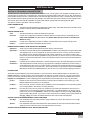
Section 2: The source code structure
The ERTFS source code package is comprised of demonstration code, core file system code, language localization files, file
system feature set specific files, configuration files, device drivers and target specific porting files. For any files, the filename’s
prefix identifies what type of file it is. Demonstration code starts with app, code that runs only in a windows demo environment
start with win, files that contain exported APIs start with api, core system files start with rt, character set and localization files
start with cs, drivers start with dr, RTFSPRO components start with pr, and files that need porting start with port.
This section contains a description of each of these files.
Public Header files
rtfsapi.h
- The ERTFS exported application programmers interface (API). This header file must be included in all applications code that uses the published ERTFS API.
Private Header Files
rtfs.h
- The ERTFS header file included by all ERTFS source files.
rtfsconf.h
- Compile time configuration parameters for ERTFS. Rtfsconf.h controls inclusion of packages such as
FAT32, VFAT, UNICODE and JIS character sets (FAT32, VFAT, Unicode, and JIS are included with
ERTFS Pro only).
portconf.h
- Compile time configuration parameter for ERTFS. Controls device driver inclusion and byte order.
rtfspro.h
- Defines and structures for RTFSPRO Enhancements.
Demonstration sample code and utility programs
appdemo.c - Small entry point that initializes ERTFS and then calls the command shell.
appcmdsh.c - Interactive command shell like DOS’s command.com. Provides many examples of using the ERTFS API.
This application will run on any target that can get and put lines of text to a console. The test shell has a
lot of features that are useful for debugging and file system maintenance. Your release contains a Windows version of the shell. Please experiment to help you decide if you want to use it. For more information
about the command shell subroutine, see the documentation Section 26 and in the Command Reference
in Appendix H.
winhdisk.c
- Host disk driver. Emulates a disk drive in a host file. Supported only in the win32 prototyping environment.
winmkrom.c - Tool that populates a host disk volume by copying files from a Windows subdirectory tree and creating a
virtual disk from the data. The tool can then export this virtual file into a header file that may then be used
as a rom-disk image by the rom-disk driver. These utility functions are provided pre-built in the rtfsdemo.
exe utility for windows in the tools subdirectory. This file runs only in the win32 prototyping environment.
Porting files
These files require modification when moving ERTFS to a new environment. Several implementations are provided in the
targets subdirectory. To select a target, copy its porting files to the main tree. To create a new port, copy one of the existing
ports to the main tree and edit the files for your environment. If you prefer to start from “scratch,” the subdirectories named
template.io and template.krn contain completely generic implementations of these files that you may copy and modify.
portio.c
- Register access functions for external devices. This file must be modified if you are porting any of the
ERTFS hardware device drivers to a new platform.
portkern.c
- Kernel and clock services. This file must be modified if you are porting ERTFS to a new operating system,
CPU or target platform. See Section 10: Porting Overview.
portmain.c
- Run time entry point. This may need to be modified for your RTOS and development environment. It is
needed only if you are linking the RTFS demo stand-alone. If you will link ERTFS to an already running
system then you won’t need portmain.c. Instead you need to make sure that you call pc_ertfs_init() first
and then begin calling the API. If you want to run the test shell from an already running system please call
rtfs_app_entry(), this routine will initialize ERTFS and then start the test shell interpreter.
Source code for user modifiable public functions
apicnfig.c
- User modifiable code that controls resource usage of ERTFS at run time. See Section 3 for a thorough
discussion of this topic.
Apiinit.c
- User modifiable code that controls what device drivers ERTFS will control and what drive letters will be
assigned to them. See Section 6 for a thorough discussion of this topic.
Source code for user API calls; See the API Section
Section 2: Source Code Structure
ERTFS User Guide
apickdsk.c apifrmat.c
apirealt.c
apideltr.c
apigetwd.c
apiregrs.c
apienum.c
apigfrst.c
apisetwd.c
apifilio.c apifilmv.c
apiinfo.capimkdir.c
apistat.capiwrite.c
Source code for ERTFS PRO user API calls
prapipro.c
Source code for the ERTFS core functions
prblock.c
rtdevio.c
rtdrobj.c
rtlowl.c
rtutbyte.c
rtutil.c
rtregion.c
rtfat16.c
rtfat32.c
rtfatxx.c
rtnvfat.c
rtvfat.c
rtkernfn.c
rttermin.c
- Block buffer pool logic
- Device access, auto-mount and media check logic
- directory object support
- essential functions
- parsing code
- parsing and other utility code
- Fat region management code
- Fat management code
- Fat management code (included with ERTFS Pro only)
- Fat management code
- Long file name support
- Short file name support (included with ERTFS Pro only)
- portable OS resource helper functions
- portable terminal helper functions
Source code for localization and multiple character set support
csascii.c
csjis.c
csjistab.c
csunicod.c
csstrtab.c
csstrtab.h
-
-
-
-
-
-
ASCII character set specific code.
Japanese character set specific code (included with ERTFS Pro only)
Japanese character set specific code (included with ERTFS Pro only)
Code to support 16 bit Unicode character sets (included with ERTFS Pro only)
Modifiable string table for localization
String table identifiers for localization
Source code for ERTFS FAILSAFE FEATURE
prfsapi.c
prfscore.c
prfsnvio.c
prfstest.c
-
-
-
-
User API level source code for ERTFS-Pro FailSafe functions
ERTFS Pro FailSafe internal routines
ERTFS Pro FailSafe journal file access routines
ERTFS PRO FailSafe test suite
Source code for ERTFS device drivers
All of the provided device drivers are portable and should compile on any system. To make the device drivers work in a target
environment you must edit the file portio.c and perhaps portkern.c. One exception to this is the floppy disk driver. Even
though it is actually quite portable we chose to only support it for the x86 environment. If you wish to move it to another environment you must modify the driver source code itself.
You may disable any of these devices by editing the line in portconf.h that enables the device.
drramdsk.c
drromdsk.c
drromdsk.h
drfloppy.c
drideata.c
drflash.h
drflsftl.c
drflsmtd.c
drmmccrd.c
drpcmram.c
drpcmcia.c
drpcmctl.c
-
-
-
-
-
-
-
-
-
-
-
-
Portable ram disk driver
Portable rom disk driver
rom disk data generated by the MKROM function of the ERTFS Command Shell
Floppy disk driver
IDE/ATA, Compact flash driver
Flash Translation Layer Driver
Flash Translation Layer Driver
Intel Flash Memory Technology Driver and RAM based Flash Emulator
Multi-Media card driver
PCMCIA SRAM card driver
PCMCIA support functions
82365 PCMCIA controller driver
Section 2: Source Code Structure
ERTFS User Guide
Section 3: Configuring Runtime Features
Configuring the Memory Usage and Capacities of ERTFS
ERTFS is configured and its working memory is provided by the user through a user initialized parameter block. A helper function named pc_ertfs_config() is provided that the user may modify to change from the default configuration. The source code
resides in apicnfig.c. See Appendix C to view example source code. It initializes the configuration block and provides ERTFS
with the addresses of memory that it needs. pc_ertfs_config() is called immediately by ERTFS when it enters the initialization
routine, pc_ertfs_init().
This routine was designed to be modifiable by the user to change the default configuration. To simplify it, we define some
configuration constants in this file that may be modified to change the configuration. These constants are only used locally to
this file.
The default configuration is:
ALLOC_FROM_HEAP
Use malloc() to allocate, set this to 0 to use declared memory arrays instead. The default is 1.
NDRIVES
The default maximum number of drives is set to 10 (J:) the highest possible value is 25 (Z:). The default is 10.
Note: A FAT buffer pool must be allocated for each drive. If NDRIVES is changed, you must add code to allocate or assign
more FAT buffer pools. The default configuration allocates or assigns 10 fat buffer pools, If you increase NDRIVES, add code
that duplicates the current code that initializes the {to be changed:: prtfs_cfg->fat_buffers[] array to support the added drives.
If you decrease NDRIVES, eliminate the current code that initializes the prtfs_cfg->fat_buffers[] array entries for the drives that
you are not using.} If you are not using ALLOC_FROM_HEAP, you should then also add or remove the static memory array
declarations we use to reserve the memory at compile time.
NUM_USERS
The maximum number of USER contexts. Set this to the number of tasks that will simultaneously use ERTFS. For polled mode
set it to one. The default is 1.
NBLKBUFFS
Number of blocks in the block buffer pool. ERTFS uses 536 bytes per block buffer pool entry. This setting impacts performance
during directory traversals. It must be at least 4. More than 20 is rarely required. The default is 16.
BLKHASHSIZE
Size of the block buffer hash table. This value must be a power of two, for example 2,4,8,16,32,64,128,256,512. If it is not a
power of two the behavior is undefined. Increasing the hash table size increases the speed of block buffer pool accesses. Four
bytes are required per hash table entry. While the block cache size can impact performance, it only has a significant impact on
systems performing operations on volumes populated with large numbers of files and/or subdirectories. The hash table size
and the number of buffers do not have to be the same. A theoretical increase in performance will be achieved by increasing the
hash table size even if it is greater than the number of buffers. The default is 16.
Notes:
1. ERTFS-PRO provides an API call named pc_assign_buffer_pool() to assign a private buffer pool and hash table to an
individual drive. If you decide to use this feature for all disk buffering, you may then wish to reduce BLKHASHSIZE and
NBLKBUFFS. In this case some shared buffers are still needed because they are used as scratch buffers to perform
certain operations, thus NBLKBUFFS should never be reduced below two.
2.If the user wishes to use the ERTFS-PRO FailSafe API on a particular drive he must assign a private buffer pool to that
drive.
3.Proper use of the ERTFS-PRO FailSafe API provides a good degree of time determinism when creating directory entries
and extending or truncating files. When the API is used properly and enough ram resources are available the user can
guarantee that the disk will not be accessed while these operations are performed. Only file data reads and writes will
access the disk drive.
Configuring FAT Buffer Pools and FAT hash tables
The user determines, for each drive, the size of a hash table and the size of a buffer pool to be used for buffering FAT blocks.
The choice of buffer pool size and hash table size significantly impacts performance. As a rule, increasing the size of these
resources will increase theoretical maximum performance. Limitations to this rule are provided in the following paragraph.
There is no benefit to increasing either the fat buffer pool’s size or the hash table’s size beyond the size of the volume’s on-
Section 3: Configuring Runtime Features
ERTFS User Guide
disk FAT. Thus, for 16 bit volumes there is no benefit to increasing the hash table size or the buffer pool size beyond 256. For
12 bit volumes there is no benefit to increasing the hash table size or the buffer pool size beyond 16.
If RAM memory conservation is a high priority in your design, note that on all but the slowest media a certain amount of FAT
cache swapping is tolerable to human perception, and it is possible to assign relatively small FAT buffer pools to drives. As
little as 1 or 2 blocks of FAT buffering will provide tolerable performance on a fast device.
FAT block access request patterns are governed mainly by how applications use the file system. Applications that access
several files at one time and multitasking systems that access the file system from multiple threads will definitely see improved
performance with added FAT buffering. Applications that sequentially read or write blocks to a single file will not see large
overall performance increases, but with the ERTFS-PRO package, by increasing FAT buffer space, the user makes it possible
to perform file system operations with deterministic behavior.
FAT buffers consume approximately 520 bytes each. Hash table entries consume 12 bytes per entry. The hash table size and
the number of buffers do not have to be the same. A theoretical increase in performance could be achieved by increasing the
hash table size (up to the size of the actual FAT) even if it is greater than the number of buffers.
Note: If the user wishes to successfully use ERTFS-PRO’s FailSafe mode on a particular drive, he must assign enough FAT
buffer space to the drive to hold cached changes to the file allocation table. See the ERTFS-PRO’s FailSafe API section for
more information (included with ERTFS Pro only).
The hash table size must be a power of two, for example 2,4,8,16,32,64,128,256,512. If it is not a power of two, the behavior is
undefined.
For convenience we define two sets of values that we use to configure the individual drives. SMALL_FAT_SIZE and
SMALL_FAT_HASHSIZE determine the default size of the buffer pool and hash table for most drives. LARGE_FAT_SIZE
and LARGE_FAT_HASHSIZE determine the default size of the buffer pool and hash table that we arbitrarily assign to drive
C: (which, in the default configuration, we arbitrarily assign to a fixed IDE disk drive). These constants are used only in the file
apicnfig.c to simplify the configuration process. The user is free to replace the use of these constants and individually configure each drive. To do this you must review and modify the source code for apicnfg.c. Apicnfig.c is designed such that the
user may edit the source code to precisely tune ERTFS.
LARGE_FAT_SIZE
The number of 520 byte blocks committed for buffering fat blocks on drive C: (see above for an explanation). The default is
32.
LARGE_FAT_HASHSIZE
The number of 12 byte hash table entries committed for use on drive C: (see above for an explanation). The default is 32.
SMALL_FAT_SIZE
The number of 520 byte blocks committed for buffering fat blocks on drives other than C: (see above for an explanation). The
default is 32.
SMALL_FAT_HASHSIZE
The number of 12 byte hash table entries committed for use on drives other than C: (see above for an explanation). The
default is 32.
NUSERFILES
The maximum number of files that may be open at one time. The default is 10.
Section 3: Configuring Runtime Features
10
ERTFS User Guide
Section 4: Configuring compile time feature set options
There are a few compile time options that must be configured before building the ERTFS library. These options are included in
the files PORTCONF.H and RTFSCONF.H. Constants in RTFSCONF.H control the inclusion of file system features. Constants in
PORTCONF.H are needed to define your CPU configuration. A second section in PORTCONF.H controls your selection of active
device drivers. ERTFS fully supports installable device drivers, these constants are here only as a convenience to control the
inclusion and exclusion of EBS provided drivers. They also allow us to exclude unneeded functions from the porting layer when
a service is not needed. See Appendix B for the RTFSCONF.H source code.
Configuration Constants from RTFSCONF.H
Character set support
ERTFS supports Unicode, JIS and standard 8 bit ASCII character sets. Select one character set from the following constants:
INCLUDE_CS_JIS
- Set to 1 to API support JIS, Japanese Language (included with ERTFS Pro only)
INCLUDE_CS_ASCII
- Set to 1 to support 8 bit ASCII only (included with ERTFS Pro only)
INCLUDE_CS_UNICODE - Set to 1 to support unicode characters. Note: Unicode support requires VFAT. (included
with ERTFS Pro only)
File system support
By default ERTFS support 12 and 16 bit File Allocation Table and short file names. Modify the following constants to enable long
filename support and FAT32:
VFAT
- Set to 1 to support long filenames (included with ERTFS Pro only)
FAT32
- Set to 1 to support 32 bit FAT (included with ERTFS Pro only)
Failsafe Operating Mode Support
Failsafe mode provides a means to eliminate the risk of file system corruption that results from unexpected power interruptions
and media removal events.
INCLUDE_FAILSAFE_CODE - Set to 1 to include failsafe support. (included with ERTFS Pro only)
CD-ROM Support.
If the CD-ROM support package was purchased, the CDFS feature set may be enabled by editing portconf.h, setting
INCLUDE_CDROM to 1. If INCLUDE_CDROM is enabled, INCLUDE_IDE must also be enabled.
Extended DOS Partitions
ERTFS contains code to interpret extended DOS partitions but since this feature is rarely used, it is provided as a compile
time option. Modify the following constant to support extended DOS partitions:
SUPPORT_EXTENDED_PARTITIONS -
Set to 1 to include support for extended DOS partitions. ERTFS contains
code to support extended DOS partitions but they are rarely used and their use is
not recommended.
Setting file size limitations and file full policies
You may set a limit on the maximum file size and determine the behavior when that limit is reached.
RTFS_MAX_FILE_SIZE
- This is the maximum file size in bytes that ERTFS will extend a file to when it is
executing po_write(), po_chize() or po_extendfile(). The default value is 0xffffffff.
You may change this value to limit file sizes. For example to limit the maximum
file size to 2 Gigabytes set RTFS_MAX_FILE_SIZE to 0x80000000. If a file
reaches this length the operation is either truncated or an error is returned,
depending on which function is being exectutes and the values of RTFS_
TRUNCATE_WRITE_TO_MAX.
RTFS_TRUNCATE_WRITE_TO_MAX -If this is set to 1 po_write() calls are truncated write up to RTFS_MAX_FILE_
SIZE bytes. If that value is exceeded the write count is truncated and the short
write count is returned.
If this is set to 0, if po_write() attempts to write beyond RTFS_MAX_FILE_SIZE,
errno is set to PETOOLARGE and po_write() returns -1.
Regardless of this setting po_chsize() and po_extend_file() will always fail
and set errno to PETOOLARGE if an attempt is made to extend a file beyond
RTFS_MAX_FILE_SIZE. .
Section 4: Configuring Compile Time Feature Set Options
11
ERTFS User Guide
Section 4: Configuring Compile Time Feature Set Options
12
ERTFS User Guide
Section 5: Configuring at compile time the processor configuration
Configuration Constants from PORTCONF.H
Several CPU configuration constants are provided in PORTCONF.H. These values must be checked and modified for your
configuration. Please refer to the Section 9 for a thorough explanation of how to modify the preprocessor constants for your
CPU.
Section 5: Processor Configuration at Compile Time
13
ERTFS User Guide
Section 5: Processor Configuration at Compile Time
14
ERTFS User Guide
Section 6: Configuring inclusion of device driver support
Device Selection Constants from PORTCONF.H
Compile time constants are used to control whether we compile a device driver and whether we install the driver at startup
and, in some cases, whether we require porting layer code that is required for that device driver to operate. PORTCONF.H
contains a set of defines that control this for ERTFS provided device drivers.
Note: ERTFS fully supports run time binding of device drivers. These constants are used to make the process more
convenient to the user. If you create your own driver, you are not required to use this same technique, as long as you attach
the driver inside the pc_ertfs_init() routine.
The following constants are defined. Set the constant to 1 to include the device driver, set it to 0 to exclude it. After you have
selected a device, consult the porting section of the reference guide for any special instruction on supporting the device.
INCLUDE_IDE
-
Include the IDE driver
INCLUDE_PCMCIA
-
Include the PCMCIA driver
INCLUDE_PCMCIA_SRAM
-
Include the PCMCIA static ram card driver
INCLUDE_COMPACT_FLASH
-
Support compact flash (requires IDE and PCMCIA)
INCLUDE_FLASH_FTL
-
Include the linear flash driver
INCLUDE_ROMDISK
-
Include the rom disk driver
INCLUDE_RAMDISK
-
Include the RAM disk driver
INCLUDE_FLOPPY
-
Include the floppy disk driver
INCLUDE_HOSTDISK
-
Include the Windows disk simulator
INCLUDE_UDMA
-
Include ultra dma support for the ide driver
INCLUDE_82365_PCMCTRL
-
Include the 82365 PCMCIA controller driver
Note: The default configuration is to enable a ram-disk and a rom-disk driver only.
These devices require no additional support from the porting layer.
Section 6: Configuring Device Driver Support
15
ERTFS User Guidev
Section 6: Configuring Device Driver Support
16
ERTFS User Guide
Section 7: Introduction to porting ERTFS
The ERTFS porting layer has been greatly simplified from previous versions. There are three files that must be modified
to support a new target: portconf.h, portkern.c and portio.c. A fourth file, portmain.c, must be ported if the RTFS test
programs will be run in a standalone environment and a main program entry point must be provided.
Section 7: Introduction to Porting ERTFS
17
ERTFS- User Guide
Section 7: Introduction to Porting ERTFS
18
ERTFS User Guide
Section 8: Porting by borrowing from existing targets
The ERTFS install directory contains a subdirectory named ‘targets.’ This directory contains several subdirectories containing
sample solutions of the porting layer for several target real time operating systems and microprocessor targets. To build
ERTFS for a selected target you must use the copies of portkern.c, portconf.h and portio.c from the appropriate (.krn)
and (.io) subdirectories. The simplest way to do this is to copy these files over top of the generic files of the same name in
the install directory. If you are creating your own port of ERTFS, we suggest that you can start with either a reference port
that is similar to your own or that you start with the completely generic files provided in the template.krn and template.io
subdirectories.
The notes in the following sections describe the porting issues for each file.
Please read them before porting to your environment.
Section 8: Porting: Borrowing From Existing Targets
19
ERTFS User Guide
Section 8: Porting: Borrowing From Existing Targets
20
ERTFS User Guide
Section 9: Porting issues for the file portconf.h.
(See Appendix A for portconf.h source code.)
PORTCONF.H contains a few simple definitions that are related to porting. They must be modified to match your processor
architecture.
KS_LITTLE_ENDIAN
- Set this to 1 for little endian byte architectures such as Intel. Set it to 0 for big endian
architectures such as Motorola.
KS_RTFS_LITTLE_ODD_PTR_OK -
This value is not relevant if KS_LITTLE_ENDIAN is 0. If KS_LITTLE_ENDIAN is
1 then this value should be set to 1 if the CPU is forgiving about accessing words on odd
boundaries. A good rule of thumb is to set this to 1 on x86 based little endian systems and
to zero on non x86 little endian systems.
KS_CONSTANT
- Set this to your compiler’s const declaration. A typical setup is:
#define KS_CONSTANT const /* If this presents problems use the NULL alternative
#define KS_CONSTANT
KS_FAR
- This value is only relevant in segmented architectures such as real mode Intel 8086. The
KS_FAR modifier is used when declaring data arrays in a few places so the data is put in
FAR memory rather than near memory. For these architectures use the following definition:
#define KS_FAR far
Otherwise leave the definition as it is:
#define KS_FAR
INCLUDE_IDE - Set this to zero if you will not be using the IDE device driver. Set it to 1 if you will use the
IDE device driver. When this constant is set to zero, the IDE device driver compiles to
nothing and routines required by the IDE device driver in portkern.c and portio.c are
excluded.
INCLUDE_PCMCIA - Set this to zero if you will not be using the PCMCIA compact flash interface or the PCMCIA
SRAM device driver. Set it to 1 if you will use one of these devices.
INCLUDE_COMPACT_FLASH - Set this to one if you will be using the PCMCIA compact flash interface to the IDE device
driver. Set it to 0 if not. Note: If you enable INCLUDE_COMPACT_FLASH you must also
manually enable INCLUDE_PCMCIA and INCLUDE_IDE.
INCLUDE_FLOPPY - Set this to zero if you will not be using the floppy disk device driver. Set it to 1 if you will
use the floppy device driver. When this constant is set to zero, the floppy device driver
compiles to nothing and routines required by the floppy disk device driver in portkern.c
and portio.c are excluded.
INCLUDE_82365_PCMCTRL - Set this to zero if you will not be using the 82365 PCMCIA controller chip driver in drpcmctl.c. Set it to 1 if you will use the pcmctrl device driver. When this constant is set to zero,
the floppy device driver compiles to nothing and routines required by the device driver in
portkern.c and portio.c are excluded.
INCLUDE_UDMA - Set this to one if you will be using the ultra-dma mode of the IDE device driver. If set to
one, you must implement the following functions. rtfs_port_ide_bus_master_address,
ide_rd_udma_status, ide_wr_udma_status, ide_rd_udma_command, Ide_wr_udma_
command, and ide_wr_udma_address. The requirements are explained in Section 24.
INCLUDE_PCMCIA_SRAM - Set to 1 to include the pcmcia static RAM card driver. Note INCLUDE_PCMCIA must also
be enabled.
INCLUDE_FLASH_FTL - Set to 1 to include the linear flash driver (The FTL device driver is being revised)
INCLUDE_ROMDISK - Set to 1 to include the ROM disk driver
INCLUDE_RAMDISK - Set to 1 to include the RAM disk driver
INCLUDE_HOSTDISK - Set to 1 to include the windows host disk, disk simulator
Section 9: Porting: Porting Issues For PORTCONF.H
21
ERTFS User Guide
Section 9: Porting: Porting Issues For PORTCONF.H
22
ERTFS User Guide
Section 10: Porting: overview
portkern.c contains ERTFS’s interface to the RTOS and to some elements of the underlying hardware. See Appendix E for
example source code for portkern.c. The RTOS resources required by ERTFS include mutex semaphores, interrupt event
signals for selected device drivers and some simple timer management routines. This section describes ERTFS requirements
from the RTOS and discusses porting requirements. Device access functions and interrupt management requirements are
discussed in another section.
Section 10: Porting: Overview
23
ERTFS User Guide
Section 10: Porting: Overview
24
ERTFS User Guide
Section 11: Porting: periodic clock support
ERTFS requires a periodic clock for measuring device watchdog timeouts. Also if ERTFS is running in POLLED mode, it needs
a clock source timed signal tests. The user must implement the clock tick function if using any of the non-ram or rom media
based device drivers.
This routine takes no arguments and returns an unsigned long. The routine must return a tick count from the system clock. The
macro named MILLISECONDS_PER_TICK (also local to portkern.c) must be defined in such a way that it returns the rate at
which the tick increases in milliseconds per tick.
This routine is declared as static to emphasize that its use is local to the portkern.c file only.
static dword rtfs_port_get_ticks(void)
Section 11: Porting: Periodic Clock Support
25
ERTFS User Guide
Section 11: Porting: Periodic Clock Support
26
ERTFS User Guide
Section 12: Porting: mutex semaphore support
Note: ERTFS does not require mutex semaphore in non-multitasking environments. If you are porting to a non-multitasking
environment, or if you can guarantee that only one task at a time will use ERTFS, then please skip this section.
ERTFS requires several mutex (binary) semaphores. One mutex semaphore is required per drive to be used and one system
wide critical section mutex semaphore is required. There are a maximum of 26 possible drives but the actual number to support is user configurable as described in Section 3.
In addition some device drivers may require their own mutex semaphores to function properly. The only stock driver that requires a mutex is the ATA/IDE driver. If you are using ATA/IDE please plan for one extra mutex.
The Mutex code is abstracted into three functions that must be modified by the user to support the target RTOS. The required
functions are:
1. rtfs_port_alloc_mutex()
2. rtfs_port_claim_mutex()
3. rtfs_port_release_mutex()
The requirements for each of these functions is provided here.
unsigned long rtfs_port_alloc_mutex(void) This routine takes no arguments and returns an unsigned long. The routine must allocate and initialize a Mutex, setting it to the “not
owned” state. It must return an unsigned long value that will be used as a handle. ERTFS will not interpret the value of the return
value. The handle will only be used as an argument to the rtfs_port_claim_mutex() and rtfs_port_release_mutex() calls. The
handle may be used as an index into a table or it may be cast internally to an RTOS specific pointer. If the mutex allocation
function fails, this routine must return 0 and the ERTFS calling function will return failure.
void rtfs_port_claim_mutex(unsigned long handle) This routine takes as an argument a mutex handle that was returned by rtfs_port_alloc_mutex(). If the mutex is already
claimed, it must wait for it to be released and then claim the mutex and return.
void rtfs_port_release_mutex(unsigned long handle) This routine takes as an argument a mutex handle that was returned by rtfs_port_alloc_mutex() that was previously claimed
by a call to rtfs_port_claim_mutex(). It must release the handle and cause a caller blocked in rtfs_port_claim_mutex() for
that same handle to unblock.
Section 12: Porting: Mutex Semaphore Support
27
ERTFS User Guide
Section 12: Porting: Mutex Semaphore Support
28
ERTFS User Guide
Section 13: Porting: event signaling support
A set of signaling functions is required to support interrupt driven device drivers. The porting layer provides a set of signal
management functions that the user must populate if interrupt driven device drivers are to be used. The signals are always allocated, tested and cleared from the within a task context. They are always signaled from the interrupt context.
Note: Currently ERTFS only requires these functions if the floppy disk is used or if the IDE driver is used in interrupt mode
rather than polled mode. Additional user supplied device drivers may opt to use these calls or they may implement their own
native signaling method at the programmer’s discretion.
If you are not using the floppy disk driver or the IDE driver in interrupt mode you may skip this section.
The signaling code is abstracted into four functions that must be modified by the user to support the target RTOS. The required
functions are: rtfs_port_alloc_signal(), rtfs_port_clear_signal(), rtfs_port_test_signal(), and rtfs_port_set_signal(). The
requirements for each of these functions are provided here.
Note: In a NON-RTOS environment the implementation of these functions do not need user modification as long as the routine
rtfs_port_get_ticks() has been implemented. In an RTOS environment these routines MUST be implemented.
unsigned long rtfs_port_alloc_signal(void)
This routine takes no arguments and returns an unsigned long. The routine must allocate and initialize a signaling device
(typically a counting semaphore) and set it to the “not signaled” state. It must return an unsigned long value that will be used
as a handle. ERTFS will not interpret the value of the return value. The handle will only used as an argument to the rtfs_port_
clear_signal(), rtfs_port_test_signal(), and rtfs_port_set_signal() calls.
void rtfs_port_clear_signal(unsigned long handle)
This routine takes as an argument a handle that was returned by rtfs_port_alloc_signal(). It must place the signal in an unsignalled state such that a subsequent call to rtfs_port_test_signal() will not return success until rtfs_port_set_signal() has
been called. This clear function is necessary since it is possible, although unlikely, that an interrupt service routine could call
rtfs_port_set_signal() after the intended call to rtfs_port_test_signal() timed out. A typical implementation of this function for
a counting semaphore is to set the count value to zero or to poll it until it returns failure.
int rtfs_port_test_signal(unsigned long handle, int timeout)
This routine takes as an argument a handle that was returned by rtfs_port_alloc_signal() and a timeout value in milliseconds.
It must block until timeout milliseconds have elapsed or rtfs_port_set_signal() has been called. If the test succeeds it must
return 0, if it times out it must return a non-zero value.
void rtfs_port_set_signal(unsigned long handle)
This routine takes as an argument a handle that was returned by rtfs_port_alloc_signal(). It must set the signal such that a
subsequent call to rtfs_port_test_signal() or a call currently blocked in rtfs_port_test_signal() will return success.
Note: rtfs_port_set_signal() is always called from the device driver interrupt service routine while the processor is executing
in the interrupt context.
Section 13: Porting: Event Signaling Support
29
ERTFS User Guide
Section 13: Porting: Event Signaling Support
30
ERTFS User Guide
Section 14: Porting: timer Support Functions
Three abstract timer support functions are included. These routines are only used by the floppy disk driver, the IDE device
driver and the PCMCIA support subsystem. If none of these devices is being used then please skip this section.
Note: In a NON-RTOS environment the implementation of these functions do not need user modification as long as the routine
rtfs_port_get_ticks() has been implemented. In an RTOS environment these routines MUST be implemented.
The requirements for each of these functions is defined below.
void rtfs_port_sleep(int sleeptime)
This routine takes as an argument the time to sleep milliseconds. It must not return to the caller until at least sleeptime milliseconds have elapsed. In a multitasking environment this call should yield the cpu.
unsigned long rtfs_port_elapsed_zero()
This routine takes no arguments and returns an unsigned long. The routine must return an unsigned long value that will later
be passed to rtfs_port_elapsed_check() to test if a given number of milliseconds or more have elapsed. A typical implementation of this routine will read the system tick counter and return it as an unsigned long. ERTFS makes no assumptions about
the value that is returned. Note: In either a POLLED or RTOS environment this does not need modification as long the routine
rtfs_port_get_ticks() has been implemented.
int rtfs_port_elapsed_check(unsigned long zero_val, int timeout)
This routine takes as arguments an unsigned long value that was returned by a previous call to rtfs_port_elapsed_zero()
and a timeout value in milliseconds. If “timeout” milliseconds have not elapsed it should return 0. If “timeout” milliseconds have
elapsed it should return 1. A typical implementation of this routine would read the system tick counter, subtract the zero value,
scale the difference to milliseconds and compare that to timeout. If the scaled difference is greater or equal to timeout it should
return 1, if less than timeout it should return 0. Note: In either a POLLED or RTOS environment this does need modification as
long the routine rtfs_port_get_ticks() has been implemented.
Section 14: Porting: Time Support Functions
31
ERTFS User Guide
Section 14: Porting: Time Support Functions
32
ERTFS User Guide
Section 15: Porting: identify current task ID
ERTFS supports per task contexts for storing the task’s current working directory context and the last errno value produced by
ERTFS on behalf of that task. In order to do this each executing task running ERTFS must have a unique task identifier. The
user is required to populate the function rtfs_port_get_taskid() to provide this service. The function is described below.
Note: Before a user task exits, if it has used the ERTFS API, it must call pc_free_user(). Failure to do this will cause ERTFS to
run out of user context blocks.
Note: This function requires no modification to run in polled mode. If you do not implement this function in an RTOS environment you will lose the ability for each task to have it’s own current working directory environment. All tasks will share the same
working directory. In this case DO NOT call pc_free_user() before tasks exit.
unsigned long rtfs_port_get_taskid()
This function must return an unsigned long number that is unique to the currently executing task such that each time this
function is called from the same task it returns this same unique number. A typical implementation of this function would get
address of the current task control block, cast it, and return it.
Note: NUM_USERS must be large enough to support the number of tasks. See Section 3.
Section 15: Porting: Identify Current Task ID
33
ERTFS User Guide
Section 15: Porting: Identify Current Task ID
34
ERTFS User Guide
Section 16: Porting: console input and output
Two console-I/O functions are used by ERTFS to display messages and retrieve user input. These routines are not essential
for the correct operation of ERTFS but they are useful for printing diagnostics. They are essential if you wish to use the interactive command shell.
Note: If you don’t wish to display diagnostic messages or use the command shell, skip this section.
void rtfs_port_tm_gets(byte *buffer)
This routine requires porting if you wish to use the interactive test shell. It must provide a line of input from the terminal driver.
The line must be NULL terminated and it must not contain ending newline or carriage return characters.
void rtfs_port_puts(byte *buffer)
This routine requires porting if you wish to display messages to your console. This routine must print a line of text from the
supplied buffer to the console. The output routine must not issue a carriage or linefeed command unless the text is terminated
with the appropriate control character (\n or \r).
Section 16: Porting: Console Input/Output
35
ERTFS User Guide
Section 16: Porting: Console Input/Output
36
ERTFS User Guide
Section 17: Porting: interrupt enable/disable
In a few places ERTFS must disable interrupts, execute some lines of code and then re-enable interrupts. Two functions in the
porting file must be populated to add this support. The functions are rtfs_port_disable() and rtfs_port_enable(). The functions are described in the following section.
Note: Currently ERTFS only requires these functions if either the floppy disk, the 82365 PCMCIA controller or the flash chip
memory technology driver is being used. If you are not using any of these devices please skip this section.
void rtfs_port_disable(void)
This function must disable interrupts and return. An example implementation of this function for Intel X86 is:
__asm cli
void rtfs_port_enable(void)
This function must re-enable interrupts that were disabled via a call to rtfs_port_disable(). An example implementation of this
function for Intel X86 is.
__asm sti
Section 17: Porting: Interrupt Enable/Disable
37
ERTFS User Guide
Section 17: Porting: Interrupt Enable/Disable
38
ERTFS User Guide
Section 18: Porting: miscellaneous functions
void rtfs_port_exit(void)
Note: Most embedded systems never exit. If your application never exits, skip this section.
This function must exit the RTOS session and return to the user prompt. It is only necessary when an RTOS is running inside
a shell environment like Windows. It is not necessary to implement this function if you are using the ERTFS command library
in an environment that will ever exit, i.e., if ERTFS is running with an RTOS in a Dos/Windows or Unix environment you should
put a call to your RTOS exit code.
Section 18: Porting: Miscellaneous Functions
39
ERTFS User Guide
Section 18: Porting: Miscellaneous Functions
40
ERTFS User Guide
Section 19: Porting: clock calendar
DATESTR *pc_getsysdate(DATESTR * pd)
When ERTFS needs to date stamp a file, it calls this routine to get the current time and date. The sample routine returns a
fixed data and time. If your target has a clock calendar function, you may modify this routine to provide real date and time
values.
The source for this routine is in file portkern.c (see Appendix F) and is self-explanatory. If you wish to integrate a calendar
clock module please see the comments in the source code.
Device driver specific hardware and system access functions
Portio.c contains ERTFS’s interface underlying hardware. Routines in this file must be modified to adapt the portable device
drivers to new hardware. Most of the required functions are simple I/O port access routines. Please read the following sections
to examine the details. See Appendix F for the portio.c source code.
Section 19: Porting: Clock Calendar
41
ERTFS User Guide
Section 19: Porting: Clock Calendar
42
ERTFS User Guide
Section 20: Porting: floppy disk
Note: These routines are provided to support the floppy disk device driver in drfloppy.c. If your application will not be using a
floppy disk device please ignore this section.
The floppy driver is for NEC 756 class controllers and is primarily for PC architectures but it can be made to work in non-PC
environments. Six routines are listed here as routines that may need modification. In a standard PC environment the only
routine that will need changing is the hook interrupt routine, this routine will need modification to support your RTOS interrupt
hook and dispatch method.
void hook_floppy_interrupt(int irq)
This routine is called by the floppy disk device driver. It must establish an interrupt handler such that the plain ‘C’ function void
floppy_isr(void) is called when the floppy disk interrupt occurs. The value in “irq” is always 6. This is the PC’s standard mapping of the floppy interrupt. If this is not correct for your system, just ignore the irq argument.
get_floppy_type(int driveno)
The source for this routine is in file drfloppy.c. It is hardwired to return DT_144 (1.44MB 3.5 inch floppy disk), by far the most
common floppy disk drive type in use. The source code is self-explanatory and describes what values to return for other drive
types.
BOOLEAN fl_dma_init()
This routine must set up a DMA transfer for the floppy device driver. The source for this routine is in file drfloppy.c. It is
hardwired to start the appropriate dma transfer for DMA channel 2 on a standard PC AT architecture. It must be analyzed and
modified if being used on some other system.
Floppy disk register-access routines. Six functions, all contained in drfloppy.c, are provided to access the registers of the
NEC765 class floppy disk controller. They are all hard wired to use Intel I/O out and I/O in instructions in the address range
0x3f0 to 0x3ff. If the floppy driver is being moved to a non PC environment, these routines must be modified.
·
fl_read_data
- Reads a byte from the 765 data register
·
fl_read_drr
- Reads a byte from the 765 data rate register
·
fl_read_msr
- Reads a byte from the 765 master status register
·
fl_write_data
- Writes a byte to the 765 data register
·
fl_write_dor
- Writes a byte to the 765 digital output register
·
fl_write_drr
- Writes a byte to the 765 data rate register
Section 20: Porting: Floppy Disk
43
ERTFS User Guide
Section 20: Porting: Floppy Disk
44
ERTFS User Guide
Section 21: Porting: pcmcia
ERTFS is supports Compact Flash and PCMCIA Ram cards. If these devices are to be used then either the PCMCIA controller
must be managed externally or the ERTFS PCMCIA subsystem must be used. The subsystem consists of the files drpcmcia.
c, which is portable and drpcmctl.c, a device driver for INTEL 82365 compatible pcmcia controller chips.
Several functions are required for the portable pcmcia code in drpcmcia.c to operate. They are provided by ERTFS in the file
drpcmctl.c for the 82365 controller.
Section 21.1: Porting pcmcia to a non-82365 PCMCIA controller
Note: If you have another type of pcmcia controller, you must provide these five functions and possibly the management interrupt handler we will discuss in this section. If you do have an 82365 based controller or you are not using PCMCIA, you can
skip this section.
void pcmctrl_put_cis_byte(int socket, dword offset, byte c)
This function must store the byte c to the location that is offset bytes into the CIS region of the card at slot number 0 or 1.
byte pcmctrl_get_cis_byte(int socket, dword offset)
This function must read and return the byte stored offset bytes into the CIS region of the card at slot number 0 or 1.
void pcmctrl_map_ata_regs(int socket, dword ioaddr, int interrupt_number)
This function must configure the pcmcia controller such that the IDE driver can access the ATA register in the Compact Flash
card. It must also map in the PMCIA interrupt line so that it will generate the I/O completion interrupt and it must apply VCC
power to the card.
Notes:
1.The value ioaddr is the address that was passed into the IDE device driver. This value is assigned by the user inside
pc_ertfs_init() through the variable pdr->register_file_address. This is the range of addresses that the ide register access
functions will address. (see below).
2.The value interrupt_number is the interrupt number that will be used by hook_ide_interrupt()to field I/O completion interrupts. This value is assigned by the User inside pc_ertfs_init() through the variable pdr->interrupt_number. If this value is set
to -1, the user is requesting polled interaction with the device and no system level interrupt handling is required.
BOOLEAN pcmctrl_card_installed(int pcmcia_slot_number)
This routine must return TRUE if a card is installed in the slot, FALSE if it is not.
BOOLEAN pcmctrl_card_changed(int pcmcia_socket_number)
This routine must return TRUE if a media change event has occurred on the card.
Note: If the pcmcia controller supports card removal interrupts then this routine is not needed and may simply return FALSE
always. If card removal interrupts are not supported then this routine must be implemented if hot swapping is needed.
If this routine is required, it must check the pcmcia interface at the logical socket for the presence of a latched media change
condition. If a change has occurred then it must clear the latched condition and return TRUE. Otherwise, it must return
FALSE.
If a change is detected the routine also unmaps the card in pcmcia space and shuts down power to the card. This is done to
assure that the card powers up appropriately when it is reopened.
Inputs: pcmcia slot number (0,1)
Returns:
TRUE - a card has been inserted or removed since last called
FALSE - no card has been inserted or removed since last called
byte *pd67xx_map_sram(int socket_no , dword offset)
This routine is required only if the pcmcia SRAM card driver is being used. It must return a pointer to a block in the pcmcia
sram’s memory space that is offset bytes from the beginning of the SRAM memory area and make sure that 512 bytes are
readable and writable at that location.
Note: The SRAM driver actually passes in the byte offset of the block divided by two plus 256. This is because pcmcia SRAM
cards are mapped into CIS space which has mod two addressability and starts at location 512 in CIS space. You may modify
this algorithm in pcmsram_block() if needed.
Section 21.2: Implementing Card event handlers for externally supplied pcmcia controller
Section 21: Porting: PCMCIA
45
ERTFS User Guide
drivers
If the user wishes to support hot swapping of compact flash cards, a management interrupt service or some other mechanism
to announce card removal events to the IDE device driver must be provided. The 82365 driver (drpcmctl.c) contains a routine
called mgmt_isr() that should be used as a model for how to approach this. The source code is provided below.
Please note the following about how the routine works and how it must behave. The routine detects a card change, if the
change was a removal event(no card in slot) then it must turn off VCC power to the card and then look up and call the IDE
device driver’s device I/O control function with the appropriate arguments to report a card removal event.
Here is the source code for the model event handler.
void mgmt_isr(void)
{
int i;
byte card_status;
for (i = 0; i < NSOCKET; i++)
{
card_status = pd67xx_read(i, 0x04);
/* Write the status register to clear */
pd67xx_write(i, 0x04, 0xff);
if (card_status)
{
if (!pcmctrl_card_is_installed(i, FALSE))
{
pcmctrl_card_down(i);
{
int j;
DDRIVE *pdr;
{
for (j = 0; j < prtfs_cfg->cfg_NDRIVES; j++)
pdr = pc_drno_to_drive_struct(j);
if (pdr &&
pdr->drive_flags & DRIVE_FLAGS_PCMCIA &&
pdr->drive_flags & DRIVE_FLAGS_VALID &&
pdr->pcmcia_slot_number == i &&
pdr->pcmcia_controller_number == 0)
pdr->dev_table_perform_device_ioctl(
pdr->driveno,
DEVCTL_REPORT_REMOVE, (PFVOID) 0);
}
}
}
}
}
}
Section 21: Porting: PCMCIA
46
ERTFS User Guide
Section 22: Porting: 82365 pcmcia controller
Note: Several routines are provided in the porting layer to support the 82365 pcmcia controller device driver in the file drpcmctl.c. If you are not using PCMCIA or are not using and 82365 class controller, you can skip this section.
void hook_82365_pcmcia_interrupt(int irq)
This routine must establish an interrupt handler that will call the plain ‘C’ routine void mgmt_isr(void) when the chip’s management interrupt event occurs. The value of the argument ‘irq’ is the interrupt number that was put into the 82365’s management-interrupt selection register and is between 0 and 15. This is controlled by the constant “MGMT_INTERRUPT.
phys82365_to_virtual(PFBYTE * virt, unsigned long phys)
This routine must take a physical linear 32 bit bus address passed in the “phys” argument and convert it to an address that
is addressable in the logical space of the CPU, returning that value in “virt.” Two sample methods are provided; a flat version
where the virtual address is simply the “phys” address cast to a pointer; and a second segmented version for X86 segmented
applications.
Note: This routine must be changed if you are using and 82365 class PCMCIA controller chip in an environment that is not
either 16 bit segmented Intel or a flat 32 bit environment where the virtual address is the same as the physical address.
void write_82365_index_register(byte value)
void write_82365_data_register(byte value)
byte read_82365_data_register()
Note: These routines must be modified if you are using an 82365 class PCMCIA controller in a non PC environment.
These routines write and read the 82365 index and data registers, which, in a standard PC environment, are located in I/O
space at address 0x3E0 and 0x3E1. Non PC architectures typically map these as memory mapped locations somewhere high
in memory such as 0xB10003E0 and 0xB10003E1.
Section 22: Porting: 82365 PCMCIA Controller
47
ERTFS User Guide
Section 22: Porting: 82365 PCMCIA Controller
48
ERTFS User Guide
Section 23: Porting: IDE and compact flash
This section describes actions that must be taken by the user to support the ERTFS ATA/ATAPI device driver that is implemented in the file drideata.c.
Note: If you are not using ATA, ATAPI or compact flash based devices in your application, skip this section.
To support this device driver, the user must populate several register access functions and provide an interrupt service layer if
he wishes to run the device in interrupt driven mode versus polled mode.
void hook_ide_interrupt(int irq, int controller_number)
The user must provide this function if he desires to use the IDE driver in interrupt mode. If you don’t wish to use the ATA driver
in interrupt mode, make sure that the value of pdr->interrupt_number is set to -1 inside pc_ertfs_init() for the ide device, and
skip this section since ide_hook_interrupt() will then not be called.
hook_ide_interrupt() is called with the interrupt number in the argument irq taken from the user’s setting of pdr->interrupt_
number in pc_ertfs_init(). Controller number is taken from the pdr->controller_number field as set in pc_ertfs_init() by the
user. hook_ide_interrupt() must establish an interrupt handler such that the plain ‘C’ function “void ide_isr(int controller_
number)” is called when the IDE interrupt occurs. The argument to ide_isr() must be the controller number that was passed to
hook_ide_interrupt(), this value is typically zero for single controller system.
Note: For all ide register access functions, register_file_address is the value that was provided by the user in pc_ertfs_init()
in the variable pdr->register_file_address.
Register access functions required by the ide driver:
byte ide_rd_status(dword register_file_address)
This function must return the byte in location 7 (IDE_OFF_STATUS) of the ide register file.
Note: For all ide register access functions, register_file_address is the value that was provided by the user in pc_ertfs_init() in
the variable pdr->register_file_address.
word ide_rd_data(dword register_file_address)
This function must return the word in location 0 (IDE_OFF_DATA) of the ide register file at register_file_address.
byte ide_rd_sector_count(dword register_file_address)
This function must return the byte in location 2 (IDE_OFF_SECTOR_COUNT) of the ide register file.
byte ide_rd_alt_status(dword register_file_address, int contiguous_io_mode)
This function must return the byte in location 0x206 (IDE_OFF_ALT_STATUS) of the ide register file at register_file_address. If
the value of the argument contiguous_io_mode is 1, then the register must be 14 rather than 0x206.
byte ide_rd_error(dword register_file_address)
This function must return the byte in location 1 (IDE_OFF_ERROR)of the ide register file.
byte ide_rd_sector_number(dword register_file_address)
This function must return the byte in location 3 (IDE_OFF_SECTOR_NUMBER) of the ide register file.
byte ide_rd_cyl_low(dword register_file_address)
This function must return the byte in location 4 (IDE_OFF_CYL_LOW) of the ide register file.
byte ide_rd_cyl_high(dword register_file_address)
This function must return the byte in location 5 (IDE_OFF_CYL_HIGH) of the ide register file.
byte ide_rd_drive_head(dword register_file_address)
This function must return the byte in location 6 (IDE_OFF_DRIVE_HEAD) of the ide register file.
byte ide_rd_drive_address(dword register_file_address,int contiguous_io_mode)
This function must return the byte in location 0x207 (IDE_OFF_DRIVE_ADDRESS) of the ide register file at register_file_address.
If the value of the argument contiguous_io_mode is 1 then the register must be 15 rather than 0x207.
void ide_wr_dig_out(dword register_file_address, int contiguous_io_mode, byte value)
This function must place the byte in value at location 0x206 (IDE_OFF_ALT_STATUS) of the ide register file at register_file_address. If the value of the argument contiguous_io_mode is 1, then the register must be 14 rather than 0x206.
void ide_wr_data(dword register_file_address, word value)
This function must place the word in location 0 (IDE_OFF_DATA) of the ide register file at register_file_address */
void ide_wr_sector_count(dword register_file_address, byte value)
This function must place the byte in value at location 2 (IDE_OFF_SECTOR_COUNT) of the ide register file.
Section 23: Porting: IDE and Compact Flash
49
ERTFS User Guide
void ide_wr_sector_number(dword register_file_address, byte value)
This function must place the byte in value at location 3 (IDE_OFF_SECTOR_NUMBER) of the ide register file.
void ide_wr_cyl_low(dword register_file_address, byte value)
This function must place the byte in value at location 4 (IDE_OFF_CYL_LOW) of the ide register file.
void ide_wr_cyl_high(dword register_file_address, byte value)
This function must place the byte in value at location 5 (IDE_OFF_CYL_HIGH) of the ide register file. register_file_address is
the value that was provided by the user in pc_ertfs_init() in the variable pdr->register_file_address.
void ide_wr_drive_head(dword register_file_address, byte value)
This function must place the byte in value at location 6 (IDE_OFF_DRIVE_HEAD) of the ide register file.
void ide_wr_command(dword register_file_address, byte value)
This function must place the byte in value at location 0 (IDE_OFF_DATA) of the ide register file.
void ide_wr_feature(dword register_file_address, byte value)
This function must place the byte in value at location 1 (IDE_OFF_FEATURE) of the ide register file.
void ide_insw(register_file_address, unsigned short *p, int nwords)
This function must read nwords 16 bit values from the data register at offset 0 of the ide register file and place them in successive memory locations starting at p. Since large blocks of data are transferred from the drive in this way, this routine should be
optimized. On x86 based systems the rep insw instruction should be used, on non x86 platforms the loop should be as tight as
possible.
void ide_outsw(register_file_address, unsigned short *p, int nwords)
This function must write nwords 16 bit values to the data register at offset 0 of the ide register file. The data is taken from successive memory locations starting at p. Since large blocks of data are transferred from the drive in this way this routine should
be optimized. On x86 based systems the rep outsw instruction should be used, on non x86 platforms the loop should be as
tight as possible.
Section 23: Porting: IDE and Compact Flash
50
ERTFS User Guide
Section 24: Porting: IDE Ultra DMA mode
This section describes actions that must be taken by the user to support the ERTFS ATA/ATAPI device driver in ultra dma
mode as implemented in the file drideata.c. These support functions reside in portio.c and must be modified for your target if
you wish to use Ultra-dma.
dword rtfs_port_ide_bus_master_address(int controller_number)
This function must determine if the specified controller is a PCI bus-mastering IDE controller and if so return the location of
the control and status region for that controller. If it is not a bus-mastering controller or ultra dma mode isn’t supported it must
return zero. This will tell the IDE device driver to use PIO mode.
byte ide_rd_udma_status(dword bus_master_address)
This function must read the status byte value at location 2 of the bus master control region.
void ide_wr_udma_status(dword bus_master_address, byte value)
This function must write the byte value to location 2 of the bus master control region.
byte ide_rd_udma_command(dword bus_master_address)
This function must read the command byte value at location 0 of the bus master control region.
void ide_wr_udma_command(dword bus_master_address, byte value)
This function must write the byte value to location 0 of the bus master control region.
void ide_wr_udma_address(dword bus_master_address, dword bus_address)
This function must write the dword to location 4 of the bus master control region.
unsigned long rtfs_port_bus_address(void * p)
This function must take a logical pointer and convert it to an unsigned long representation of its address on the system bus.
Section 24: Porting: IDE Ultra DMA Mode
51
ERTFS User Guide
Section 24: Porting: IDE Ultra DMA Mode
52
ERTFS User Guide
Section 25: Supporting Removable TRUE-IDE Devices
This section describes what is required to support hot swapping of removable TRUE IDE devices.
Hot swapping may be supported if either a card removal interrupt can be generated by the controller or if the controller provides a latched mediachange event. Three routines related to TRUE IDE hot-swapping are provided: trueide_card_changed,
trueide_card_installed and trueide_report_card_removed. The requirements for each of these routines is provided in this
section.
BOOLEAN trueide_card_changed(DDRIVE *pdr)
Modify this routine to support removable TRUEIDE devices.
This routine may be used to provide support for hot swapping of removable TRUEIDE devices in cases where a removal interrupt source is not available.
The TRUEIDE circuit must provide a latch that detects a card removal. This routine must report the value of the latch, TRUE if
the media has changed, FALSE if it has not. It must clear the latch before it returns.
By default trueide_card_changed() returns FALSE, emulating a fixed disk or a removable disk with no media changed latch.
Note: The DRIVE_FLAGS_REMOVABLE flag must be set in apiinit.c for removable media. To do this, OR in DRIVE_FLAGS_
REMOVABLE to the drive flags field.
pdr->drive_flags |= DRIVE_FLAGS_REMOVABLE;
Example:
BOOLEAN trueide_card_changed(DDRIVE *pdr)
{
if (read_ide_change_latch() == 1)
{
clear_ide_change_latch();
return(TRUE);
}
else
return(FALSE);
}
BOOLEAN trueide_card_installed(DDRIVE *pdr)
Modify this routine to support removable trueide devices.
trueide_card_installed() must return TRUE if IDE compatible media is installed, FALSE if it is not.
By default trueide_card_installed() returns TRUE, emulating a fixed disk.
Note: The DRIVE_FLAGS_REMOVABLE flag must be set in apiinit.c for removable media. To do this, OR in DRIVE_FLAGS_
REMOVABLE to the drive flags field.
pdr->drive_flags |= DRIVE_FLAGS_REMOVABLE;
To support removable trueide media you must modify this function to interface with your trueide media detect circuit. If media
is installed it must return TRUE, if not it must return FALSE.
Example:
BOOLEAN trueide_card_installed(DDRIVE *pdr)
{
if (read_ide_installed_latch() == 1)
return(TRUE);
else
return(FALSE);
}
void trueide_report_card_removed(int driveno)
Section 25: Supporting Removable TRUE-IDE Devices
53
ERTFS User Guide
To support removable trueide media you must modify your media change interrupt service routine to call this function when a
card has been removed.
Drive number of the card that was removed must be passed in.
The drive number must be the same as the value assigned to the pdr->driveno in apiinit.c.
Note: The DRIVE_FLAGS_REMOVABLE flag must be set in apiinit.c for removable media. To do this, OR in DRIVE_FLAGS_
REMOVABLE to the drive flags field.
pdr->drive_flags |= DRIVE_FLAGS_REMOVABLE;
Example:
#define TRUEIDE_DRIVEID 2 — C:
void trueide_removal_interrupt(void)
{
trueide_report_card_removed(TRUEIDE_DRIVEID);
}
Section 25: Supporting Removable TRUE-IDE Devices
54
ERTFS User Guide
Section 26: ERTFS Linear Flash Support
ERTFS linear flash device support is provided through a portable Flash Translation layer (FTL) implemented in drfldftl.c.
The flash subsystem is included if the following line is true in portconf.h:
#define INCLUDE_FLASH_FTL
1
/* - Include the linear flash driver */
If INCLUDE_FLASH_FTL is zero, the flash subsystem is not included.
The FTL layer supports maps logical block addresses to physical block addresses and manages block replacement, spare
block management and block wear leveling. A simple interface to underlying device specific Memory Technology Drivers
(MTS’s) is provided.
MTD’s are implemented in drflsmtd.c. The requirements of MTD’s are provided in the next section.
Flash Memory Technology Drivers
Introduction
The file drflsmtd.c contains two Memory Technology drivers. One is a driver that implements flash emulation in RAM, the
other is a driver for Intel 28Fxxx flash parts. Other drivers may be implemented by editing three or four routines if drflsmtd.c.
This section describes the required routines and the provided sample implementation for RAM emulation of flash and for Intel
flash chips.
Adding your own Flash Memory Technology Drivers
To implement a new mtd driver you must implement custom versions of these four functions in this file.
flash_probe()
- must report if flash is present and the total size, the erase block size and the address and
memory window width of the flash.
flash_eraseblock()
- must initialize one erase block of the flash.
mtd_window()
- must assure that a region of the flash is addressable.
flash_write_bytes()
- must program a region of the flash.
Functions that must be provided to support a flash device
int flash_probe(void)
flash_probe() must determine if a flash chip is present and if so, determine the address of the flash, the total size of the flash,
the size of an erase block, and the window of the flash that is addressable at any one time.
These values that must be set by the flash_probe routine:
flashchip_TotalSize
- Set this to the total size of the flash in bytes.
flashchip_BlockSiz
- Set this to the size of one erase block in bytes.
flashchip_WindowSize - Set this to the addressable window. If the part is fully addressable, set it to the size of the
part in bytes.
flashchip_start - Set this byte pointer to the start of the flash.
flash_probe() must return 1 if a device is found, zero otherwise.
void * mtd_MapWindow ()
RTFDrvFlashData *DriveData
dword BlockIndex
dword WindowIndex)
mtd_MapWindow must map in a flashchip_WindowSize’ed region of the flash memory for reading and writing. The location
of the flash region to map in is calculated by multiplying the BlockIndex times the erase block size (flashchip_BlockSize) and
adding in the WindowIndex times the window map size (flashchip_WindowSize).
The included version of mtd_MapWindow assumes that the flash part is fully addressable. It simply multiplies these values
together, adds them to the start of flash address and returns the result. This version will not need to be changed in most flat
32 bit target environments. In some environments it may be necessary to add software to perform some sort of bank register
selection in this routine.
Section 26: ERTFS Linear Flash Support
55
ERTFS User Guide
flash_erase_block - Erase one flash erase-block.
int flash_erase_block(dword BlockIndex)
flash_erase_block() must set the erase block of size flashchip_BlockSize at BlockIndex to the erased (all 1’s) state.
flash_erase_block() must return 0 on success -1 on failure.
int flash_write_bytes(byte volatile * dest, byte * src, int nbytes);
flash_write_bytes() must take nbytes of data from the buffer at src and write it to the flash memory at address dest.
Dest is an address pointer for a location in a region of the flash that was returned by mtd_MapWindow(). The region between
dest and dest plus nbytes is guaranteed to reside within flashchip_WindowSize bytes of the pointer returned by mtd_MapWindow().
flash_write_bytes must return 0 on success -1 on failure.
Sample MTD drivers
Introduction
Two sample MTD drivers are provided. One is a simple FLASH emulator implemented in RAM, the other is a driver for the Intel
28FXX flash series.
Flash emulation in RAM
If #define USE_EMULATED_FLASH is set to 1 the ram flash emulator is enabled. The size of the emulated Flash can be
changed by changing the constant, FLASHEMUTOTALSIZE. The default is 64K. The flash memory is emulated in the array
FlashEmuBuffer[]. The total size of FlashEmuBuffer[] is FLASHEMUTOTALSIZE bytes. The Ram emulator is very simple and
may be used as a starting point for other flash device drivers.
If #define USE_DISK_EMULATOR is also set to 1, the ram will be mirrored to disk. Any time a write occurs, the disk file will be
updated. This is only intended for testing purposes in Windows, and the disk emulation code is not portable.
Intel Flash Chip Driver.
If #define USE_INTEL_FLASH is set to 1, the INTEL flash chip driver is enabled.
This driver is for Intel several 28FXXX components between 2 and 8 megabytes in size. Other components from the series
may be added by modifying the routine flash_probe() to recognize the device and to correctly report its total size, erase block
size, and it’s address.
Two compile time constants must be changed when porting the Intel MTD driver to a new target.
Two compile time constants tell the device driver the address of the Intel flash part and the width of the address range window
through which the part may be read and written.
The defaults are arbitrarily set to ten million and 64 K respectively.
#define FLASH_STARTING_ADDRESS 0x10000000
#define FLASHWINDOWSIZE 64*1024L
These must be changed, set FLASH_STARTING_ADDRESS to the base of your flash memory and set FLASHWINDOWSIZE
to one of the following:
If your flash part is fully linearly addressable from FLASH_STARTING_ADDRESS, set FLASHWINDOWSIZE to the size of the
flash (in bytes). If it is addressable only through a memory bank that is smaller then the whole part, set FLASHWINDOWSIZE to
the width of the window. The routine mtd_MapWindow() will be called to “seek” to the appropriate window each time a region of
the flash is accessed.
Section 26: ERTFS Linear Flash Support
56
ERTFS User Guide
Section 27: Adding Your Own Device Drivers
ERTFS device drivers are attached and initialized at run time. To implement one, you must provide two function entry points
and attach them to the appropriate drive structure at run time. Section 6 explains this process in detail. This section explains
in detail what is required of your device driver. In addition to studying this section you should also study existing device driver
source code. All driver file names begin with the prefix, dr.
Section 27.1: The Device block data transfer function
The device driver must provide a device block data transfer subroutine. The routine takes four arguments: the logical drive
number, the sector number to read to or from, a count of 512 byte blocks to transfer, and a boolean flag reading. If reading is
TRUE, this is a read request, if FALSE, it is a write request.
BOOLEAN xxx_io(driveno, sector, buffer, count, reading)
int driveno - Drive number
dword sector - Starting sector number to read or write
void *buffer - Buffer to read to write from
word count - Number of sectors to transfer
BOOLEAN reading - True for a read, False for a write request. Must return TRUE on success, FALSE on failure
This is the device driver’s read/write function. It is passed the drive number, a read or write flag, the first sector number on the
device to read/write, the count of blocks, and the address of a buffer to move the data to or from. If the transfer succeeds, it
must return TRUE, if it fails, it must return FALSE.
Section 27.2: The Device I/O control function
The device I/O control subroutine takes three arguments: the logical drive number, an op-code and a void pointer to a parameter passing memory area. The return values of return codes and the structure of the parameter passing array depend on which
op-code is being processed. The requirements for each op-code are described in this section.
int xxx_perform_device_ioctl(driveno, opcode, pargs)
int driveno
- driveno is 0,1,2,,25 for drives A:, B:, C:..Z:
int opcode
- One of op-codes described below
void *pargs
- A void pointer to an argument block. Currently the only defined use of pargs is to pass device geometry
information from the driver to the ERTFS format tools.
The device driver is required to implement an I/O control function that handles the following op-codes:
Device I/O Control op-codes that must be implemented
DEVCTL_WARMSTART
DEVCTL_CHECKSTATUS
DEVCTL_GET_GEOMETRY
DEVCTL_FORMAT
DEVCTL_REPORT_REMOVE
Device I/O Control op-codes that are optional.
DEVCTL_POWER_RESTORE
DEVCTL_POWER_LOSS
Section 27.3: I/O Control op-code DEVCTL_WARMSTART
int xxx_perform_device_ioctl(driveno, DEVCTL_WARMSTART, 0)
Must return:
• If the device is a non-removable drive that is now accessible then return 0
• If the device is a non-removable drive that fails diagnostics, then return -1
• Return 0 if the device is a controller for removable media and the controller is accessible
• If the controller does not function return –1
• Do not return –1 if the controller is functional but no media is installed, return 0 in this case
This op-code is always called first before any other calls to the device driver. The device driver must use this call to perform
initialization of the controller.
Section 27: Adding Your Own Device Drivers
57
ERTFS User Guide
The simplest implementation of WARMSTART is one that that can’t fail and requires no initialization, i.e., a ROMDISK driver).
It will simply set the DRIVE_FLAGS_VALID flag in the pdr->drive_flags field and return zero. For other devices the WARMSTART routine is more complex. The drive structure is used for parameter passing during the WARMSTART call. You may
want to use some of these parameters. Note: Even if you don’t use any of the fields in the drive structure you must still set the
DRIVE_FLAGS_VALID bit in pdr->drive_flags.
To access the drive structure, perform the following:
DDRIVE *pdr;
pdr = pc_drno_to_drive_struct(driveno);
Section 27.3.1: Passing parameters to the device driver
The ERTFS drive structure:
pdr->pcmcia_slot_number - For PCMCIA device the user may pass the PCMCIA slot number to the driver by setting
this value in the drive structure before the WARMSTART call is made.
pdr->pcmcia_cfg_opt_value - This option is only valid for COMPACT FLASH cards. It is the user assigned value to be
written to the cards configuration option register.
pdr->controller_number - This is set by the user before calling WARMSTART. In most cases this value is unused
and should be 0. It may be used to tell the device driver to use another controller.
For example, most PC’s today have two ATA controllers with separate I/O spaces and
interrupts. To use the second controller the user must set pdr->controller_number to 1
before calling WARMSTART.
pdr->logical_unit_number - This is index of the device on the controller. In most cases this value should be 0 but it
may be used to tell the device driver which device to use on the controller. For example,
to mount an ATA slave device you should set pdr->logical_unit_number to 1.
pdr->register_file_address - This is an unsigned long value that the init function may use to pass an I/O address to
the driver. This is shared only between the init function and the device driver. The device
driver does not have to use it.
pdr->interrupt_number - This is an integer value that the init function may use to pass an interrupt number to the
driver. This is shared only between the init function and the device driver. The device
driver does not have to use it.
pdr->partition_number
- If DRIVE_FLAGS_PARTITIONED is set by the user in the pdr->drive_flags field then
this call to WARMSTART is for a partitioned device. The partition number assigned to
the drive must be passed to the driver through this field. Other low level code in ERTFS
reads this field too, so it is important set the field appropriately.
If the device driver supports removable media that contains several partitions, it must return DEVTEST_CHANGED the next
time DEVCTL_CHECKSTATUS is requested for each of the partitions.
Section 29.3.2: State flags used by the device driver
Bit flags are used for parameter passing during the WARMSTART call and later for driver state maintenance.
pdr->drive_flags
- This field contains bit flags. Some of these flags must be set by the user before
WARMSTART is called, others must be filled in by the device driver.
These must be set by the user before calling the WARMSTART routine.
DRIVE_FLAGS_PARTITIONED - The user must set this bit if this is a partitioned device. If so then the pdr->partition_
number field must contain the partition number (usually zero). ERTFS looks at this bit
later on when it mounts the device to determine if it should interpret the first block on
the device as a partition table.
Note: When prd->partition_number is 0 and DRIVE_FLAGS_PARTITION is true and
there is no partition table on the disk, but a valid BPB is found on the first block of the
device, the mount will still succeed. This behavior supports certain media such as
compact flash that may or may not contain a partition table.
DRIVE_FLAGS_PCMCIA - The user must set this bit before calling WARMSTART to tell the device driver that
this is a PCMCIA device. This is used by the IDE/Compact flash to distinguish between a native IDE device and a PCMCIA ATA device. ERTFS does not look at this
bit. It is used only by the device drivers.
These bits may be must be set by device driver, not the user.
Section 27: Adding Your Own Device Drivers
58
ERTFS User Guide
DRIVE_FLAGS_VALID - The driver must set this in the WARMSTART section if the controller is present and
accessible. For Non-Removable media this must imply that the media is now accessible, for removable media this implies only that the controller is available, not that the
media is accessible. If the WARMSTART routine returns 0 it must also set DRIVE_
FLAGS_VALID.
DRIVE_FLAGS_FORMAT - The driver must set this if the media is not already formatted at power up. A simple
example of a driver that sets this flag every time WARMSTART is called is the RAM
disk driver. The linear flash driver sets this flag if it detects that the flash has not been
formatted. If this bit is set when the WARMSTART call returns, the initialization code
auto-formats the device before it returns.
DRIVE_FLAGS_REMOVABLE - The driver must set this in the WARMSTART call if the media is removable. If this bit
is set, then ERTFS will call the driver’s DEVCTL_CHECKSTATUS I/O control function each time it accesses the device to check for status changes.
DRIVE_FLAGS_INSERTED - The driver may use this flag to help track the state of removable media. It is never
looked at by ERTFS but it is a useful bit for the device driver to have when fielding
DEVCTL_CHECKSTATUS requests and DEVCTL_REPORT_REMOVE events.
Section 27.4: I/O Control op-code DEVCTL_CHECKSTATUS
xxx_perform_device_ioctl(driveno, DEVCTL_CHECKSTATUS, 0)
Must return one of the following.
DEVTEST_NOCHANGE - Non removable media should always return this. Removable media must return this if
correct media is installed and has not changed since the last DEVCTL_CHECKSTATUS call.
DEVTEST_NOMEDIA - Removable media must return this if no media is installed.
DEVTEST_UNKMEDIA - Removable media must return this if media is installed but is not useable.
DEVTEST_CHANGED
- Removable media must return this the media has been replaced since the last call
for DEVCTL_CHECKSTATUS. The driver must then clear this status so it won’t be
reported again until another change event occurs.
Section 27.5: I/O Control op-code DEVCTL_REPORT_REMOVE
The DEVCTL_REPORT_REMOVE IO control call should be used as follows. When an external interrupt or monitoring task
detects that the media associated with this drive number has been removed, it must call the driver’s I/O control function
with DEVCTL_REPORT_REMOVE as an op-code. The device driver must then put itself in a state such that the next time
DEVCTL_CHECKSTATUS is called it should re-check if the media is installed and return DEVTEST_NOMEDIA if it is not. If
media is installed, the DEVCTL_CHECKSTATUS routine must reinitialize the card. If that is successful, it may return either
DEVTEST_NOCHANGE or DEVTEST_CHANGED. Under these circumstances it should return DEVTEST_NOCHANGE only
if it is certain that the card that was re-inserted is the same card that was removed.
Section 29.5.1: Example Card removal event handler
The following code fragment reports a media removal event to the device driver. This simple system has one removable device
mapped to the A: drive and it is designed such that a routine named card_removed_interrupt() is called whenever the card is
removed.
#define REMOVABLE_DRIVE 0 /* System uses A: for this drive */
card_removed_interrupt()
{
pdr = pc_drno_to_drive_struct(REMOVABLE_DRIVE);
if (pdr)
pdr->dev_table_perform_device_ioctl(pdr->driveno,
DEVCTL_REPORT_REMOVE, (PFVOID) 0);
}
Section 27.6: I/O Control processing for DEVCTL_POWER_LOSS
Section 27: Adding Your Own Device Drivers
59
ERTFS User Guide
xxx_perform_device_ioctl(driveno, DEVCTL_POWER_LOSS, 0) Must return – 0
The DEVCTL_POWER_LOSS IO control call can be used to report to the device driver that it should go into low power mode
and be aware that it must exit low power the next time the driver is called. The calling sequence is the same as when calling
DEVCTL_REPORT_REMOVE, except the op-code is DEVCTL_POWER_LOSS. ERTFS does not implement this OPCODE
in any drivers, but it is an appropriate interface for handling low power management.
The following code fragment reports a low power request to the device driver. This simple system has one power sensitive
device mapped to the B: drive and it is designed such that a routine named report_low_power_mode() is called whenever
the system enters low power mode.
#define POWER_AWARE_DRIVE 1 /* System uses B: for this drive */
report_low_power_mode()
{
pdr = pc_drno_to_drive_struct(POWER_AWARE_DRIVE);
if (pdr)
pdr->dev_table_perform_device_ioctl(pdr->driveno,
DEVCTL_POWER_LOSS, (PFVOID) 0);
}
Section 27.7: I/O Control op-code DEVCTL_REPORT_RESTORE
xxx_perform_device_ioctl(driveno, DEVCTL_POWER_RESTORE, 0) returns - nothing
The DEVCTL_POWER_RESTORE IO control call can be used to report to the device driver that power is restored. It can
either exit low power mode now or ignore this signal and exit low power mode next time the driver is called. ERTFS does not
implement this op-code in any drivers, but it may be an appropriate interface for handling power restore.
Section 27.8: I/O Control op-code DEVCTL_GET_GEOMETRY
xxx_perform_device_ioctl(driveno, DEVCTL_GET_GEOMETRY, pargs) returns - 0 if it successfully reported the correct
geometry, otherwise -1.
pargs points to a structure of type DEV_GEOMETRY. This structure must be first zeroed out by the driver and then filled with
appropriate values in either HCS format (head cylinder, sector) or in LBA (linear block address) format. This information is
asked for only when ERTFS is asked to format or partition the device.
Here is an example implementation.
case DEVCTL_GET_GEOMETRY
{
DEV_GEOMETRY gc;
rtfs_memset(&gc, 0, sizeof(gc));
gc.dev_geometry_heads
= fill in these
gc.dev_geometry_cylinders = 3 fields with
gc.dev_geometry_secptrack = the HCN values, or leave them blank.
gc.dev_geometry_lbas = and put the lba value here
copybuff(pargs, &gc, sizeof(gc));
return (0);
}
An alternate method is available that allows the device driver to return a specific format control structure. This method is used
by the floppy disk driver so ERTFS formatted floppies have the identical structure as DOS floppies. Please study the source
code for the floppy driver if you wish to use this alternate method.
Section 27.9: I/O Control op-code DEVCTL_FORMAT
xxx_perform_device_ioctl(driveno, DEVCTL_FORMAT, pargs)
returns - 0 if it the low level media is formatted, -1 otherwise.
pargs - points to a structure of type DEV_GEOMETRY. This structure contains the values reported by DEVCTL_GET_
GEOMETRY.
If the device in question never needs low level formatting, this routine should just return 0 for success. If the device can be
formatted (such as formatting a floppy disk), then the routine should format the device and return 0 on success or -1 on failure.
Section 27: Adding Your Own Device Drivers
60
ERTFS User Guide
Section 28: ERTFS Application Programmers Interface
Summary of ERTFS API Calls
pc_ertfs_init........................................................................................................................................................................... 63
pc_ertfs_config...................................................................................................................................................................... 64
pc_free_user......................................................................................................................................................................... 65
pc_set_cwd........................................................................................................................................................................... 66
pc_set_default_drive............................................................................................................................................................. 67
pc_pwd.................................................................................................................................................................................. 68
pc_gfirst................................................................................................................................................................................. 69
pc_gnext................................................................................................................................................................................ 70
pc_gdone.............................................................................................................................................................................. 71
pc_enumerate....................................................................................................................................................................... 72
get_errno............................................................................................................................................................................... 74
rtfs_set_driver_errno............................................................................................................................................................. 75
rtfs_get_driver_errno............................................................................................................................................................. 76
pc_free.................................................................................................................................................................................. 77
pc_get_attributes................................................................................................................................................................... 78
pc_isdir.................................................................................................................................................................................. 79
pc_isvol................................................................................................................................................................................. 80
pc_stat................................................................................................................................................................................... 81
pc_fstat.................................................................................................................................................................................. 83
pc_check_disk....................................................................................................................................................................... 85
pc_mkdir................................................................................................................................................................................ 86
pc_mv.................................................................................................................................................................................... 87
pc_rmdir................................................................................................................................................................................ 88
pc_deltree............................................................................................................................................................................. 89
pc_set_attributes................................................................................................................................................................... 90
pc_unlink............................................................................................................................................................................... 91
pc_diskflush()........................................................................................................................................................................ 92
po_open................................................................................................................................................................................ 93
po_close................................................................................................................................................................................ 94
po_flush................................................................................................................................................................................. 95
po_read................................................................................................................................................................................. 96
po_write................................................................................................................................................................................. 97
po_lseek................................................................................................................................................................................ 98
po_useek............................................................................................................................................................................... 99
po_chsize............................................................................................................................................................................ 100
po_truncate......................................................................................................................................................................... 101
pc_get_media_parms()....................................................................................................................................................... 102
pc_partition_media.............................................................................................................................................................. 103
pc_format_media................................................................................................................................................................ 104
pc_format_volume............................................................................................................................................................... 105
pc_cluster_size................................................................................................................................................................... 108
pc_get_file_extents............................................................................................................................................................. 109
pc_get_free_list................................................................................................................................................................... 110
pc_raw_read........................................................................................................................................................................111
pc_raw_write()..................................................................................................................................................................... 112
po_extend_file().................................................................................................................................................................. 113
pc_regression_test.............................................................................................................................................................. 114
tst_shell............................................................................................................................................................................... 115
Section 28: ERTFS Application Programmer’s Interface
61
ERTFS User Guide
Section 28: ERTFS Application Programmer’s Interface
62
ERTFS User Guide
pc_ertfs_init
This must be the first call to the ERTFS API in order to initialize ERTFS.
Summary:
BOOLEAN pc_ertfs_init(void)
Description:
This function works in conjunction with pc_ertfs_config() to configure and initialize ERTFS memory, target support services
and device drivers. It also assigns drive letters to devices.
Note: The section of the source code that selects device drivers and drive designators is designed to be user modifiable.
Please see the Porting Section for detailed instructions on this process.
Returns:
TRUE if all memory and system resource initialization succeed and ERTFS is usable, otherwise FALSE.
This function does not set errno.
See Also:
pc_ertfs_config
Example:
If (pc_ertfs_init()) /* Initialize ERTFS and start the test shell */
tst_shell();
Section 28: ERTFS Application Programmer’s Interface
63
ERTFS User Guide
pc_ertfs_config
Do not call this function, but modify the source code.
Summary:
Description:
This function is called internally by pc_ertfs_init. Do not call it directly. pc_ertfs_init tells ERTFS what configuration values
to use such as buffer size, the maximum number of drives, maximum number of files, and maximum number of users to be
supported. It is also responsible for passing in the necessary memory and buffer space for the configuration being requested.
To reconfigure ERTFS, please edit this routine in source file apicnfig.c. Section 3 goes into this in some detail.
Returns:
This function does not set errno.
See Also:
pc_ertfs_init
Example:
Section 28: ERTFS Application Programmer’s Interface
64
ERTFS User Guide
pc_free_user
Release this task’s ERTFS user context block
Summary:
#include <ertfs.h>
void pc_free_user()
Description:
This routine must be called by all tasks that have used ERTFS before they exit.
When a task uses the ERTFS API, a user context block is automatically created specifically for that task. Before the task exits
it must release it’s context block, otherwise ERTFS will run out of context blocks and all new tasks will have to share the same
context block.
Returns:
Nothing
Example:
void my_ftp_server_task()
{
do_server_session(); /* Call the ftp server function here */
pc_free_user();
/* Free ERTFS resources for this thread */
exit(0);
/* Terminate the thread */
}
Section 28: ERTFS Application Programmer’s Interface
65
ERTFS User Guide
pc_set_cwd
Set current working directory.
Summary:
#include <ertfs.h>
BOOLEAN pc_set_cwd(byte *path)
Description:
Make path the current working directory for this task. If path contains a drive component, the current working directory is
changed for that drive, otherwise the current working directory is changed for the default drive.
Returns:
Returns TRUE if the current working directory was changed, otherwise FALSE.
errno is set to one of the following:
0
PEINVALIDPATH PENOENT
PEACCESS
An ERTFS system error
-
-
-
-
-
No error
Path specified badly formed.
Path not found
Not a directory
See Appendix J for a description of system errors
Example:
#include <ertfs.h>
if(!pc_set_cwd(“D:\\USR\\DATA\\FINANCE”))
printf(“Can’t change working directory\n”);
Section 28: ERTFS Application Programmer’s Interface
66
ERTFS User Guide
pc_set_default_drive
Set the default drive.
Summary
#include <ertfs.h>
BOOLEAN pc_set_default_drive(byte *drive)
Description:
Use this function to set the current default drive that will be used when a path specifier does not contain a drive specifier.
Returns:
Returns FALSE if the drive is invalid.
errno is set to one of the following:
0
PEINVALIDDRIVEID - No error
- Driveno is incorrect
Example:
#include <ertfs.h>
if(!pc_set_default_drive(“C:”))
printf(“Can’t change working drive\n”);
Section 28: ERTFS Application Programmer’s Interface
67
ERTFS User Guide
pc_pwd
Return the current working directory.
Summary:
#include <ertfs.h>
BOOLEAN pc_pwd(byte *drive, byte *return_buffer)
Description:
Fill return_buffer with the full path name of the current working directory for the current task for the drive specified in drive. If
drive points to an empty string (“”) or is an invalid drive specifier, the current working directory for the default drive is returned.
In a multitasking system ERTFS maintains a current working directory for each task.
Note: ERTFS must be configured correctly in order for each task have its own current working directory. Please see the documentation of the routine pc_ertfs_config for a complete explanation of this requirement.
Note: return_buffer must point to enough space to hold the full path without overriding user data. The worst case possible is
260 bites.
Returns:
Returns YES if a valid path was returned in return_buffer, otherwise NO if the current working directory could not be found.
errno is set to one of the following:
0
PEINVALIDDRIVEID
An ERTFS system error
- No error
- Drive component is invalid
- See Appendix J for a description of system errors
The failure mode would be due to either the fact that the drive is not mounted or an I/O error occurred.
Example:
#include <ertfs.h>
byte pwd[EMAXPATH];
if (pc_pwd(“A:”, pwd))
printf (“Working dir is %s\n”, pwd);
else
printf (“Can’t find working dir for A:\n”);
Section 28: ERTFS Application Programmer’s Interface
68
ERTFS User Guide
pc_gfirst
Return the first entry in a directory.
Summary:
#include <ertfs.h>
BOOLEAN pc_gfirst(DSTAT *statobj, byte *pattern)
Description:
Given a pattern which contains both a path specifier and a search pattern, fill in the structure at statobj with information about
the file and set up internal parts of statobj to supply appropriate information for calls to pc_gnext.
Examples of patterns are:
“D:\USR\RELEASE\NETWORK\*.C”
“BIN\UU*.*”
“MEMO_?.*”
“*.*”
Note: You must call pc_gdone to free internal resources if pc_gfirst succeeds.
Returns:
Returns TRUE if a match was found, otherwise FALSE.
errno is set to one of the following:
0
PEINVALIDDRIVEID
PEINVALIDPATH PENOENT
An ERTFS system error
-
-
-
-
-
No error
Drive component is invalid
Path specified badly formed.
Not found, no match
See Appendix J for a description of system errors
See Also:
pc_gnext, pc_gdone, and dols() in apptstch.c
Example:
See PC_GNEXT
Section 28: ERTFS Application Programmer’s Interface
69
ERTFS User Guide
pc_gnext
Return next entry in a directory.
Summary:
#include <ertfs.h>
BOOLEAN pc_gnext(DSTAT *statobj)
Description:
Continue with the directory scan started by a call to pc_gfirst.
Returns:
Returns TRUE if a match was found, otherwise FALSE.
errno is set to one of the following:
0
PEINVALIDPARMS PENOENT
An ERTFS system error
-
-
-
-
No error
statobj argument is not valid
Not found, no match (normal termination of scan)
See Appendix J for a description of system errors
See Also
pc_gnext, pc_gdone, and pcls.c in the samples directory. This function does not set errno.
Example:
#include <ertfs.h>
if (pc_gfirst(&statobj,”A:\\dev\\*.c”))
{
do
{
/* print file name, extension and size */
printf(“%-8s.%-3s %7ld \n”,statobj.fname,
statobj.fext,statobj.fsize);
}
while (pc_gnext(&statobj));
/* Call gdone to free up internal resources */
pc_gdone(&statobj);
}
Section 28: ERTFS Application Programmer’s Interface
70
ERTFS User Guide
pc_gdone
Free directory scan resources originally allocated by pc_first.
Summary:
#include <ertfs.h>
void pc_gdone(DSTAT *statobj)
Description:
Given a pointer to a DSTAT structure that was set up by a call to pc_gfirst free internal elements used by the statobj.
Note: You must call this function after you have finished calling pc_gfirst and pc_gnext or a memory leak will occur.
Returns:
Nothing. pc_gdone does not set errno.
Example:
See pc_gnext
Section 28: ERTFS Application Programmer’s Interface
71
ERTFS User Guide
pc_enumerate
Recursively process all directory entries that match a pattern.
Summary:
int pc_enumerate(
byte * from_pattern_buffer byte * spath_buffer
byte * dpath_buffer
byte * root_search
word match_flags
byte match_pattern int maxdepth
PENUMCALLBACK pcallback
)
-
- - -
-
-
-
-
pointer to a scratch buffer of size EMAXPATH
pointer to a scratch buffer of size EMAXPATH
pointer to a scratch buffer of size EMAXPATH
Root of the search IE C:\ or C:\USR etc.
Selection flags (see above)
Match pattern (see above)
Maximum depth of the traversal.
User callback function (see below).
Description:
This routine traverses a subdirectory tree and tests each directory entry to see if it matches user supplied selection criteria. If it
does match the criteria, a user supplied callback function is called with the full path name of the directory entry and a pointer to
a DSTAT structure that contains detailed information about the directory entry (see the manual page for a detailed description
of the DSTAT structure).
Selection criteria:
Two arguments are used to determine the selection criteria. One is a flags word that specifies attributes, the other is a pattern
that specifies a wild card pattern.
The flags argument contains a bitwise or one or more of the following:
MATCH_DIR
- Select directory entries
MATCH_VOL
- Select volume labels
MATCH_FILES
- Select files
MATCH_DOT
- Select ‘.’ entry MATH_DIR must be true too
MATCH_DOTDOT - Select ‘..’ entry MATCH_DIR must be true too
The selection pattern is a standard wildcard pattern such as ‘*.*’ or *.txt.
Note: Patterns don’t work the same for VFAT and DOS 8.3. If VFAT is enabled, the pattern *. will return any file name that has
a ‘.’ in it; in 8.3 systems it returns all files.
Note: pc_enumerate requires a fair amount of buffer space to function. Instead of allocating the space internally, we require
that the application pass two buffers of size EMAXPATH in to the function. See below.
Note: to scan only one level set maxdepth to 1. For all levels set it to 99.
Return value:
Returns 0 unless the callback function returns a non-zero value at any point. If the callback returns a non-zero value, the scan
terminates immediately and returns the returned value to the application.
This function does not set errno.
About the callback:
The callback function returns an integer and is passed the fully qualified path to the current directory entry and a DSTAT structure. The callback function must return 0 if it wishes the scan to continue or any other integer value to stop the scan and return
the callback’s return value to the application layer.
Example:
Section 28: ERTFS Application Programmer’s Interface
72
ERTFS User Guide
Example 1: Multilevel directory scan and print
int rdir_callback(byte *path, DSTAT *d) {
printf(“%s\n”, path);return(0);
}
rdir(byte *path, byte *pattern) {
pc_enumerate(from_path,from_pattern,spath,
dpath, path, (MATCH_DIR|MATCH_VOL|MATCH_FILES),
pattern, 99, rdir_callback);
}
Example 2: Poor mans deltree package
int delfile_callback(byte *path, DSTAT *d) {
pc_unlink(path); return(0);
}
int deldir_callback(byte *path, DSTAT *d) {
pc_rmdir(path); return(0);
}
deltree(byte *path)
{
int i;
=> First delete all of the files
pc_enumerate(from_path,from_pattern,spath,
dpath,path,(MATCH_FILES),
“*”,99, delfile_callback);
i = 0;
=> Now delete all of the dirs. Deleting path won’t
work until the tree is empty
while(!pc_rmdir(path) && i++ < 50)
pc_enumerate(from_path,from_pattern,spath,
dpath,path, (MATCH_DIR), “*”, 99,
deldir_callback);
Section 28: ERTFS Application Programmer’s Interface
73
ERTFS User Guide
get_errno
Get the last ERTFS assigned errno value for the calling task
Summary:
int get_errno(void)
Description:
This function retrieves the last ERRNO value set by ERTFS for this task.
See Also:
Example:
If (!pc_mkdir(“Test”))
printf(“mk_dir failed: ERRNO == %d\n”, get_errno());
Section 28: ERTFS Application Programmer’s Interface
74
ERTFS User Guide
rtfs_set_driver_errno
Provided so device driver writers can set device driver specific 32 bit error codes.
Summary:
void rtfs_set_driver_errno(dword error)
Description:
The device driver error code is similar to errno. Each task has its own driver error code and the application can retrieve it by
calling rtfs_set_driver_errno.
At this time ERTFS does not generate driver error codes or interpret them but in the future we may formalize some values.
For some application environments it is convenient if device drivers signal to the application such conditions as write protect
and card removal. Then the application can try to correct the problem and restart the operation.
Note: Do not call rtfs_set_driver_errno from an interrupt service routine.
Example:
A write is attempted to a read only device.
#define CARD_IS_WRITE_ONLY 0x12345678
BOOLEAN romdisk_io(driveno, block, buffer, count, reading)
{
if (!reading)
{
rtfs_set_driver_errno(CARD_IS_WRITE_PROTECTED) ;
return(FALSE);
}
}
Section 28: ERTFS Application Programmer’s Interface
75
ERTFS User Guide
rtfs_get_driver_errno
This API call is provided so applications developers can retrieve device driver specific 32 bit error codes.
Summary:
dword rtfs_get_driver_errno(void)
Description:
The device driver error code is similar to errno. Each task has its own driver error code and the application can retrieve it by
calling rtfs_set_driver_errno.
For some application environments it is convenient if device drivers signal to the application such conditions as write protect
and card removal. Then the application can try to correct the problem and restart the operation.
Example:
An applicatoion attempts to create a directory on a read only device.
#define CARD_IS_WRITE_ONLY 0x12345678
if(!pc_mkdir(“DATADIRECTORY”))
{
if (rtfs_get_driver_errno() == CARD_IS_WRITE_ONLY)
printf(“Can’t create directory, card is write protected\n”);
}
Section 28: ERTFS Application Programmer’s Interface
76
ERTFS User Guide
pc_free
Return disk free space statistics
Summary:
#include <ertfs.h>
long pc_free(byte *drive, dword *total blocks, dword *free blocks);
Description:
Given a drive ID, return the number of free bytes on the drive, the total number of blocks on the drive and the number of blocks
free.
Returns:
The number of bytes free on the disk.
errno is set to one of the following:
0
- No error
PEINVALIDDRIVEID
- Driveno is incorrect
An ERTFS system error - See Appendix J for a description of system errors
Example:
#include <ertfs.h>
free_bytes = pc_free (“A:”, & total_blocks, & free_blocks);
printf (“%ld free bytes \n:”, free_bytes);
printf (“%ld blocks free out of %ld \n:”, free_blocks,
total_blocks);
Section 28: ERTFS Application Programmer’s Interface
77
ERTFS User Guide
pc_get_attributes
Get File Attributes of the named file
Summary:
#include <ertfs.h>
BOOLEAN pc_get_attributes(byte *path, byte *p_return);
Description:
Given a file or directory name, return the directory entry attributes associated with the entry.
One or more of the following values will be or’ed together:
BIT
Nemonic
0
ARDONLY
Returns:
Returns TRUE if successful, otherwise it returns FALSE.
errno is set to one of the following:
0 - No error
PENOENT
- Path not found
An ERTFS system error - See Appendix J for a description of system errors
Example:
#include <ertfs.h>
byte attribs;
if (pc_get_attributes(“A:\\COMMAND.COM”, &attribs)
{
if (attribs & ARDONLY)
printf(“File is %s\n”, “ARDONLY”);
if (attribs & AHIDDEN)
printf(“File is %s\n”, “AHIDDEN”);
if (attribs & ASYSTEM)
printf(“File is %s\n”, “ASYSTEM”);
if (attribs & AVOLUME)
printf(“File is %s\n”, “AVOLUME”);
if (attribs & ADIRENT)
printf(“File is %s\n”, “ADIRENT”);
if (attribs & ARCHIVE)
printf(“File is %s\n”, “ARCHIVE”);
}
Section 28: ERTFS Application Programmer’s Interface
78
ERTFS User Guide
pc_isdir
Test if a path is a directory.
Summary:
#include <ertfs.h>
BOOLEAN pc_isdir(byte *path)
Description:
This is a simple routine that opens a path and checks if it is a directory, then closes the path. The program cp2pc in the
samples directory uses it to test if a destination is a directory. The same functionality can be gotten by calling pc_gfirst and
testing the DSTAT structure.
Returns:
Returns TRUE if path points to a valid existing directory, otherwise FALSE.
errno is set to one of the following:
0
PENOENT
An ERTFS system error
- No error
- Path not found
- See Appendix J for a description of system errors
Section 28: ERTFS Application Programmer’s Interface
79
ERTFS User Guide
pc_isvol
Test if a path name is a volume label.
Summary:
BOOLEAN pc_isvol(byte *path)
Description:
Tests to see if a path specification is a volume label specifier.
Returns:
Returns TRUE if it is a volume, otherwise FALSE.
errno is set to one of the following:
0
PENOENT
An ERTFS system error
- No error
- Path not found
- See Appendix J for a description of system errors
Section 28: ERTFS Application Programmer’s Interface
80
ERTFS User Guide
pc_stat
Return properties of a named file or directory.
Summary:
#include <ertfs.h>
int pc_stat(byte *name,ERTFS_STAT *pstat)
Description:
This routine searches for the file or directory provided in the first argument.
If found, it fills in the stat structure as described here:
st_dev
- the entry’s drive number
st_mode;
S_IFMT
- type of file mask
S_IFCHR
- character special (unused)
S_IFDIR
- directory
S_IFBLK
- block special (unused)
S_IFREG
- regular (a “file”)
S_IWRITE - Write permitted
S_IREAD
- Read permitted.
st_rdev
- the entry’s drive number
st_size
- file size
st_atime
- creation date in DATESTR format
st_mtime
- creation date in DATESTR format
st_ctime
- creation date in DATESTR format
t_blksize
- optimal blocksize for I/O (cluster size)
t_blocks
- blocks allocated for file
fattributes - the DOS attributes. This is non-standard but supplied if you want to look at them.
NOTE: ERTFS_STAT structure is equivalent to the STAT structure available with most posix like run time environments.
Unfortunately certain run time environments like uITRON also use a structure named STAT so in order to avoid namespace
collisions ERTFS uses the proprietary name ERTFS_STAT. If you are porting an application that uses STAT you may put the
following preprocessor macro in ERTFS.H just below the declaration of ERTFS_STAT:
#define STAT ERTFS_STAT
Returns:
Returns 0 if successful, otherwise -1.
errno is set to one of the following:
0
PEINVALIDDRIVEID
PENOENT
An ERTFS system error
-
-
-
-
No error
Drive component is invalid
File or directory not found
See Appendix J for a description of system errors
Section 28: ERTFS Application Programmer’s Interface
81
ERTFS User Guide
Example:
#include <ertfs.h>
struct ERTFS_stat st;
if (pc_stat(“A:\\MYFILE.TXT”, &st)==0)
{
printf(“DRIVENO: %02d SIZE: %7ld DATE:%02d-%02d-%02d
TIME:%02d:%02d\n”,
st.st_dev,
st.st_size,
/* Size in bytes */
(st.st_atime.date >> 5 ) & 0xf,
/* Month */
(st.st_atime.date & 0x1f),
/* Day */
80 +(st.st_atime.date >> 9) & 0xff, /* Year */
(st.st_atime.time >> 11) & 0x1f, /* Hour */
(st.st_atime.time >> 5) & 0x3f); /* Minute */
printf(“OPTIMAL BLOCK SIZE: %7ld FILE size (BLOCKS): %7ld\n”,
st.st_blksize,st.st_blocks);
printf(“MODE BITS :”);
if (st.st_mode&S_IFDIR)
printf(“S_IFDIR|”);
if (st.st_mode&S_IFREG)
printf(“S_IFREG|”);
if (st.st_mode&S_IWRITE)
printf(“S_IWRITE|”);
if (st.st_mode&S_IREAD)
printf(“S_IREAD\n”);
printf(“\n”);
}
Section 28: ERTFS Application Programmer’s Interface
82
ERTFS User Guide
pc_fstat
Return properties of a file associated with a file descriptor.
Summary:
#include <ertfs.h>
int pc_fstat(PCFD file_descriptor, ERTFS_STAT *pstat)
Description:
This routine uses the file descriptor in the first argument and fills in the stat structure as described here.
st_dev
-
st_mode;
S_IFMT
S_IFCHR
S_IFDIR
S_IFBLK
S_IFREG
S_IWRITE
S_IREAD
st_rdev
-
st_size
-
st_atime
-
st_mtime
-
st_ctime
-
t_blksize
-
t_blocks
-
fattributes -
the entry’s drive number
- type of file mask
- character special (unused)
- directory
- block special (unused)
- regular (a “file”)
- Write permitted
- Read permitted.
the entry’s drive number
file size
creation date in DATESTR format
creation date in DATESTR format
creation date in DATESTR format
optimal blocksize for I/O (cluster size)
blocks allocated for file
the DOS attributes. This is non-standard but supplied if you want to look at them.
NOTE: ERTFS_STAT structure is equivalent to the STAT structure available with most posix like run time environments. Unfortunately certain run time environments like uITRON also use a structure named STAT so in order to
avoid namespace collisions ERTFS uses the proprietary name ERTFS_STAT. If you are porting an application that
uses STAT you may put the following preprocessor macro in ERTFS.H just below the declaration of ERTFS_STAT.
#define STAT ERTFS_STAT
Returns:
Returns 0 if all went well, otherwise it returns -1.
errno is set to one of the following:
0
PEBADF
- No error
- Invalid file descriptor
PECLOSED - Invalid file descriptor because a removal or media failure asynchronously closed the volume. po_close
must be called to clear this condition.
Example:
Section 28: ERTFS Application Programmer’s Interface
83
ERTFS User Guide
#include <ertfs.h>
struct ERTFS_stat st;
PCFD fd;
fd = po_open(“A:\\MYFILE.TXT”,(PO_BINARY|PO_RDONLY),0);
if (pc_fstat(fd, &st)==0)
{
printf(“DRIVENO: %02d SIZE: %7ld DATE:%02d-%02d-%02d TIME:%02d:%02d\n”,
st.st_dev,
st.st_size, /* Size in bytes */
(st.st_atime.date >> 5 ) & 0xf,
/* Month */
(st.st_atime.date & 0x1f), /* Day */
80 +(st.st_atime.date >> 9) & 0xff,
/* Year */
(st.st_atime.time >> 11) & 0x1f, /* Hour */
(st.st_atime.time >> 5) & 0x3f); /* Minute */
printf(“OPTIMAL BLOCK SIZE: %7ld FILE size (BLOCKS): %7ld\n”,
st.st_blksize,st.st_blocks);
printf(“MODE BITS :”);
if (st.st_mode&S_IFDIR)
printf(“S_IFDIR|”);
if (st.st_mode&S_IFREG)
printf(“S_IFREG|”);
if (st.st_mode&S_IWRITE)
printf(“S_IWRITE|”);
if (st.st_mode&S_IREAD)
printf(“S_IREAD\n”);
printf(“\n”);
}
Section 28: ERTFS Application Programmer’s Interface
84
ERTFS User Guide
pc_check_disk
Check a volume’s integrity
Summary:
BOOLEAN pc_check_disk(byte *drive_id,
CHKDISK_STATS *pstat, int verbose, int fix_problems, int write_chains)
Description:
This routine scans the disk searching for lost chains and crossed files and returns information about the scan in the structure
at pstat. If fix_problems is non-zero it corrects file sizes if necessary. If fix_problems is non-zero and if write_chains is
zero, it frees lost cluster chains; if write_chains is non-zero, it writes lost chains to files names FILE???.CHK in the root directory. If fix_problems is zero the write_chains argument is ignored.
pstat - a pointer to a structure of type CHKDISK_STATS. pc_check_disk returns information about the disk in this
structure.
verbose - If this parameter is 1 pc_check_disk() prints status information as it runs, if it is 0 pc_check_disk() runs
silently.
fix_problems - If this parameter is 1 pc_check_disk() will make repairs to the volume, if it is zero, problems are
reported but not fixed.
write_chains - If this parameter is 1 pc_check_disk() creates files from lost chains. If write_chains is 0 lost chains are
automatically discarded and freed for re-use. If fix_problems is 0 then write_chains has no affect.
typedef struct chkdisk_stats {
dword n_user_files;
dword n_hidden_files;
dword n_user_directories; dword n_free_clusters; dword n_bad_clusters; dword n_file_clusters; dword n_hidden_clusters; dword n_dir_clusters; dword n_crossed_points; dword n_lost_chains; dword n_lost_clusters;
dword n_bad_lfns;
} CHKDISK_STATS;
/* Total #user files found */
/* Total #hidden files found */
/* Total #directories found */
/* # free available clusters */
/* # clusters marked bad */
/* Clusters in non hidden files */
/* Clusters in hidden files */
/* Clusters in directories */
/* Number of crossed chains. */
/* # lost chains */
/* # lost clusters */
/* # corrupt/disjoint win95 lfn chains */
Returns:
TRUE if there was no ERROR, otherwise FALSE.
errno is set to one of the following:
pc_check_disk() does not set errno.
Example:
CHKDISK_STATS chkstat;
pc_check_disk(“A:”, &chkstat, 1, 1, 0); /* Check disk, be verbose, fix problems, free lost chains */
pc_check_disk(“A:”, &chkstat, 1, 1, 1); /* Check disk, run quietly, fix problems, convert lost chains to files */
return(0);
}
Section 28: ERTFS Application Programmer’s Interface
85
ERTFS User Guide
pc_mkdir
Create a subdirectory.
Summary:
#include <ertfs.h>
BOOLEAN pc_mkdir(byte *path)
Description:
Create a subdirectory in the path specified by path. Fails if a file or directory of the same name already exists or if the directory
component (if there is one) of path is not found.
Returns:
Returns TRUE if the subdirectory was created, otherwise FALSE.
errno is set to one of the following:
0
PEINVALIDDRIVEID
PEINVALIDPATH PENOENT
PEEXIST
An ERTFS system error
-
-
-
-
-
-
No error
Drive component is invalid
Path specified badly formed.
Path to new directory not found
File or directory of this name already exists
See Appendix J for a description of system errors
Example:
#include <ertfs.h>
pc_mkdir(“\\USR\\LIB\\HEADER\\SYS”);
Section 28: ERTFS Application Programmer’s Interface
86
ERTFS User Guide
pc_mv
Rename files and directories
Summary:
#include <ertfs.h>
BOOLEAN pc_mv(char *oldpath, char *newpath)
Description:
Moves the file or subdirectory named oldpath to the new name specified in newpath. Oldpath and Newpath must be on the
same drive but they may be in different directories. Both names must be fully qualified (see examples). Fails if newpath is
invalid, already exists or oldpath is not found.
Returns:
Returns TRUE if the file was renamed, otherwise FALSE.
errno is set to one of the following:
0
PEINVALIDDRIVEID
PEINVALIDPATH PEACCESS
PEEXIST
An ERTFS system error
-
-
-
-
-
-
No error
Drive component is invalid or they are not the same
Path specified by old_name or new_name is badly formed.
File or directory in use, or old_name is read only
new_name already exists
See Appendix J for a description of system errors
Example:
#include <ertfs.h>
/* Move the a file named \USR\LETTER.TXT to LETTER.OLD in the current working directory */
if (!pc_mv(“\\USR\\TXT\\LETTER.TXT”, “LETTER.OLD”))
printf(“Can’t move LETTER.TXT\n”);
/* Move the ‘a’ directory named \users\summerhelp\joe to users\oldemployees\joe */
if (!pc_mv(\\users\\summerhelp\\joe, “\\users\\oldemployees\joe”)
printf(“Can’t move (\\users\\summerhelp\\joe\n”);
Section 28: ERTFS Application Programmer’s Interface
87
ERTFS User Guide
pc_rmdir
Delete a directory
Summary:
#include <ertfs.h>
BOOLEAN pc_rmdir(byte *name)
Description:
Delete the directory specified in path. Fails if path is not a directory, is read only or is not empty.
Returns:
TRUE if the directory was successfully removed, otherwise FALSE.
errno is set to one of the following:
0
PEINVALIDDRIVEID
PEINVALIDPATH PENOENT
PEACCESS
An ERTFS system error
-
-
-
-
-
-
No error
Drive component is invalid
Path specified badly formed.
Directory not found
Directory is in use or is read only
See Appendix J for a description of system errors
Example:
#include <ertfs.h>
if (!pc_rmdir(“D:\\USR\\TEMP”)
printf(“Can’t delete directory\n”);
Section 28: ERTFS Application Programmer’s Interface
88
ERTFS User Guide
pc_deltree
Delete a directory tree
Summary:
#include<ertfs.h>
BOOLEAN pc_deltree(byte *directory)
Description:
Delete the directory specified in name, all subdirectories of that directory, and all files contained therein. Fail if name is not a
directory, is read only or is currently in use.
Note: If a portion of the tree being deleted is in use, either with an open file or directory traversal, then the deltree algorithm will
abort leaving the tree partially removed.
Returns:
Returns TRUE if the directory was successfully removed.
errno is set to one of the following:
0
PEINVALIDDRIVEID
PEINVALIDPATH
PENOENT
PEACCES
An ERTFS system error
-
-
-
-
-
-
No error
Drive name is invalid
Path specified by name is badly formed.
Can’t find path specified by name.
Directory or one of its subdirectories is read only or in use.
See Appendix J for a description of System Errors
Section 28: ERTFS Application Programmer’s Interface
89
ERTFS User Guide
pc_set_attributes
Set File Attributes
Summary:
#include <ertfs.h>
BOOLEAN pc_set_attributes(byte *path, byte attributes)
Description:
Given a file or directory name set the directory entry attributes associated with the entry. One or more of the following values
may be or’ed together.
BIT
Nemonic
0
ARDONLY
Returns:
Returns TRUE if successful, otherwise FALSE.
errno is set to one of the following:
0
PEINVALIDPARMS
PEINVALIDDRIVEID
PEINVALIDPATH PENOENT
PEACCESS
An ERTFS system error
-
-
-
-
-
-
-
No error
Attribute argument is invalid
Drive component is invalid
Path specified badly formed
Path not found
Object is read only
See Appendix J for a description of system errors
Example:
#include <ertfs.h>
byte attribs;
if (pc_get_attributes(“A:\\COMMAND.COM”, &attribs)
{
attribs |= ARDONLY|AHIDDEN
pc_set_attributes(“A:\\COMMAND.COM”, attribs);
}
Section 28: ERTFS Application Programmer’s Interface
90
ERTFS User Guide
pc_unlink
Delete a file.
Summary:
#include <ertfs.h>
BOOLEAN pc_unlink(byte *path)
Description:
Delete the file in name. Fail if not a simple file, if it is open, does not exist, or is read only.
Returns:
Returns TRUE if it successfully deleted the file, otherwise FALSE.
errno is set to one of the following:
0
PEINVALIDDRIVEID
PEINVALIDPATH PENOENT
PEACCESS
An ERTFS system error
-
-
-
-
-
-
No error
Drive component is invalid
Path specified badly formed.
Can’t find file to delete
File in use, is read only or is not a simple file.
See Appendix J for a description of system errors
Example:
if (!pc_unlink(“B:\\USR\\TEMP\\TMP001.PRN”) )
printf(“Cant delete file \n”)
Section 28: ERTFS Application Programmer’s Interface
91
ERTFS User Guide
pc_diskflush()
Flush the FAT and all files to a disk
Summary:
#include <ertfs.h>
BOOLEAN pc_diskflush(byte *path)
Description:
Given a path containing a valid drive specifier, flush the file allocation table and all changed files to the disk. After this call
returns, the disk image is synchronized with an ERTFS internal view of the volume.
Returns:
Returns TRUE if the disk flush succeeded, otherwise FALSE.
errno is set to one of the following:
0
PEINVALIDDRIVEID
An ERTFS system error
- No error
- Drive component is invalid
- See Appendix J for a description of system errors
Example:
#include <ertfs.h>
if (!pc_diskflush(“A:”))
printf(“Flush operation failed \n”);
Section 28: ERTFS Application Programmer’s Interface
92
ERTFS User Guide
po_open
Open a file.
Summary:
#include <ertfs.h>
PCFD po_open(byte *path, word flag, word mode)
Description:
Open the file for access as specified in flag. If creating use mode to set the access permissions.
Flag values are:
PO_APPEND
PO_BINARY
PO_TEXT
PO_RDONLY
PO_RDWR
PO_WRONLY
PO_CREAT
PO_EXCL
- All writes will be appended to the file
- Ignored
- Ignored
- Open for read only
- Read/write access allowed
- Open for write only
- Create the file if it does not exist
- If flag has (PO_CREAT|PO_EXCL) and the file already exists, fail and set fs_user->p_errno
to EEXIST
PO_TRUNC
- Truncate the file if it already exists
PO_BUFFERED - If this is set, reads and writes of less than 512 bytes and operations that do not start or end on
block boundaries are buffered. The buffer is flushed when po_close is called, when po_flush
is called or if a buffered IO request is made to a different block number. Using the PO_BUFFERED flag increases performance of applications performing reads and writes of small or un
alligned data buffers.
PO_AFLUSH
- Enable auto flush mode. The file is flushed automatically by po_write whenever the file length
changes.
PO_NOSHAREANY - Fail if already open, fail if another open is tried
PO_NOSHAREWRITE - Fail if already open for write and fail if another open for write is tried
Mode values are:
PS_IWRITE
PS_IREAD
- Write permitted
- Read permitted (Always true anyway)
Returns:
Returns a non-negative integer to be used as a file descriptor for calling po_read, po_write, po_lseek, po_flush, po_truncate, and po_close, otherwise it returns -1.
errno is set to one of the following:
0
PENOENT
PEMFILE
PEINVALIDPATH PENOSPC
PEACCES
PESHARE
PEEXIST
PEEXIST
An ERTFS system error
-
-
-
-
-
-
-
-
-
-
No error
Not creating a file and file not found
Out of file descriptors
Invalid pathname
No space left on disk to create the file
Is a directory or opening a read only file for write
Sharing violation on file opened in exclusive mode
Opening for exclusive create but file already exists
Opening for exclusive create but file already exists
See Appendix J for a description of system errors
Example:
#include <ertfs.h>
PCFD fd;
if(pcfd=po_open(“\\USR\\MYFILE”,(PO_CREAT|PO_EXCL|PO_WRONLY) ,P S_IWRITE)<0))
printf(“Cant create file error:%i\n” ,fs_user->p_errno)
Section 28: ERTFS Application Programmer’s Interface
93
ERTFS User Guide
po_close
Close a file that was opened with po_open.
Summary:
#include <ertfs.h>
int po_close(PCFD fd)
Description:
Close the file and update the disk by flushing the directory entry and file allocation table, then free all core associated with FD.
Returns:
Returns 0 if all went well, otherwise -1.
errno is set to one of the following:
0
PEBADF
PECLOSED
An ERTFS system error
- No error
- Invalid file descriptor
- Invalid file descriptor because a removal or media failure asynchronously closed the volume. po_close must be called to clear this condition.
- See Appendix J for a description of system errors
See Also:
po_flush
Example:
#include <ertfs.h>
if (po_close(fd) < 0)
printf(“Error closing file:%i\n”,p_errno);
Section 28: ERTFS Application Programmer’s Interface
94
ERTFS User Guide
po_flush
Flush a file to disk.
Summary:
#include <ertfs.h>
BOOLEAN po_flush(PCFD fd)
Description:
Write the file’s directory entry to disk and flush the FAT. After this call completes, the on disk view of the file is completely
consistent with the in memory view. It is a good idea to call this function periodically if a file is being extended. If a file is not
flushed or closed and a power down occurs, the file size will be wrong on disk and the FAT chains will be lost.
Returns:
Returns TRUE if flush succeeded, otherwise FALSE is returned.
errno is set to one of the following:
0
PEBADF
PECLOSED
PEACCES
An ERTFS system error
- No error
- Invalid file descriptor
- Invalid file descriptor because a removal or media failure asynchronously closed the volume. po_close must be called to clear this condition.
- File is read only
- See Appendix J for a description of system errors
Example:
#include <ertfs.h>
if (po_flush(fd) < 0)
printf(“Error flushing file:%i\n”,p_errno);
See Also:
pc_dskflush()
Section 28: ERTFS Application Programmer’s Interface
95
ERTFS User Guide
po_read
Read from a file.
Summary:
#include <ertfs.h>
int po_read(PCFD fd, byte *buf, int count)
Description:
Attempt to read count bytes from the current file pointer of file at fd and place the data in buf. The file pointer is updated.
Returns:
Returns the actual number of bytes read or -1 on error.
errno is set to one of the following:
0
PEBADF
PECLOSED
PEIOERRORREAD An ERTFS system error
- No error
- Invalid file descriptor
- Invalid file descriptor because a removal or media failure asynchronously closed the volume. po_close must be called to clear this condition.
- Read error
- See Appendix J for a description of system errors
Example:
PCFD fd;
PCFD fd2;
fd = po_open(“FROM.FIL”,PO_RDONLY,0);
fd2 =po_open(“TO.FIL”,PO_CREAT|PO_WRONLY,PS_IWRITE)
if (fd >= 0 && fd2 >= 0)
while (po_read(fd, buff, 512) ==512)
po_write(fd2, buff, 512);
Section 28: ERTFS Application Programmer’s Interface
96
ERTFS User Guide
po_write
Write to a file.
Summary:
#include <ertfs.h>
int po_write(PCFD fd, UNITY *buf, int count)
Description:
Attempt to write count bytes from buf to the current file pointer of file at fd. The file pointer is updated.
Returns:
Returns the number of bytes written or -1 on error.
Note: If the requested file length exceeds RTFS_MAX_FILE_SIZE, po_write may be configured to either truncate the write size
or to return an error, depending on configurations values set in rtfsconf.h. If RTFS_TRUNCATE_WRITE_TO_MAX is set to one
the write tries to complete up to that many bytes and returns the number of bytes written. If it is 0, no writing occurs, errno is
set to PETOOLARGE and -1 is returned.
errno is set to one of the following:
0
PEBADF
PECLOSED
PEACCES
PEIOERRORWRITE PEIOERRORREAD PENOSPC
PETOOLARGE
An ERTFS system error
- No error
- Invalid file descriptor
- Invalid file descriptor because a removal or media failure asynchronously closed the volume. po_close must be called to clear this condition.
- File is read only
- Error performing write
- Error reading block for merge and write
- Disk full
- Trying to extend a file beyond RTFS_MAX_FILE_SIZE
- See Appendix J for a description of system errors
Example:
PCFD fd;
PCFD fd2;
fd = po_open(“FROM.FIL”,PO_RDONLY,0);
fd2 =po_open(“TO.FIL”,PO_CREAT|PO_WRONLY,PS_IWRITE)
if (fd >= 0 && fd2 >= 0)
while (po_read(fd, buff, 512) ==512)
po_write(fd2, buff, 512);
Section 28: ERTFS Application Programmer’s Interface
97
ERTFS User Guide
po_lseek
Move file pointer
Summary:
#include <ertfs.h>
long po_lseek(PCFD fd, long offset, int origin)
Description:
Move the file pointer offset bytes from the origin described by origin. Origin may have the following values:
PSEEK_SET
- Seek from beginning of file
PSEEK_CUR - Seek from the current file pointer
PSEEK_END
- Seek from end of file
Attempting to seek beyond end of file puts the file pointer one byte past end of file. Seeking zero bytes from origin PSEEK_
END returns the file length.
Returns:
The new offset or -1 on error.
errno is set to one of the following:
0
PEBADF
PECLOSED
PEINVALIDPARMS PEINVALIDCLUSTER
An ERTFS system error
- No error
- Invalid file descriptor
- Invalid file descriptor because a removal or media failure asynchronously closed the volume. po_close must be called to clear this condition.
- Attempt to seek past EOF or to a negative offset
- Files contains a bad cluster chain
- See Appendix J for a description of system errors
Example:
#include <ertfs.h>
record = rec_number * rec_size;
if (po_lseek(fd, record , PSEEK_SET) != record)
printf(“Cant find record %ld\n”,record);
Section 28: ERTFS Application Programmer’s Interface
98
ERTFS User Guide
po_ulseek
Move file pointer (unsigned)
Summary:
#include <ertfs.h>
BOOLEAN po_useek(PCFD fd, unsigned long offset, unsigned long *pnew_offset, int origin)
Description:
Move the file pointer offset bytes from the origin described by origin. Origin may have the following values:
PSEEK_SET
- Seek from beginning of file
PSEEK_CUR - Seek from the current file pointer
PSEEK_CUR_NEG - Seek from the current file pointer minus unsigned 32 bit offset
PSEEK_END
- Seek from end of file
The new file pointer is returned in *pnew_offset
Returns:
TRUE - The seek was succesful and the new offset is in *pnew_offset.
FALSE - An error occured.
errno is set to one of the following:
0
PEBADF
PECLOSED
PEINVALIDPARMS PEINVALIDCLUSTER
An ERTFS system error
- No error
- Invalid file descriptor
- Invalid file descriptor because a removal or media failure asynchronously closed the volume. po_close must be called to clear this condition.
- Attempt to seek past EOF or to a negative offset
- Files contains a bad cluster chain
- See Appendix J for a description of system errors
Section 28: ERTFS Application Programmer’s Interface
99
ERTFS User Guide
po_chsize
Truncate or extend an open file.
Summary:
#include <ertfs.h>
int po_chsize(PCFD fd, long offset)
Description:
Given a file handle and a new file size, either extend the file or truncate it. If the current file pointer is still within the range of
the file, it is unmoved, otherwise it is moved to the end of file. This function uses other API calls and does not set errno itself.
Note: This is not an ATOMIC file system operation. It uses other API calls po_lseek, po_truncate and po_write to size, truncate
and extend the file.
Returns:
Returns 0 on success, -1 on error.
errno is set to one of the following:
0
PEBADF
PECLOSED
PEACCES
PEINVALIDPARMS PETOOLARGE
- No error
- Invalid file descriptor
- Invalid file descriptor because a removal or media failure asynchronously closed the volume. po_close must be called to clear this condition.
- File is read only
- Invalid or inconsistent arguments
- Trying to extend a file beyond RTFS_MAX_FILE_SIZE
An ERTFS system error
- See Appendix J for a description of system errors
Section 28: ERTFS Application Programmer’s Interface
100
ERTFS User Guide
po_truncate
Truncate an open file.
Summary:
#include <ertfs.h>
BOOLEAN po_truncate(PCFD fd, long offset)
Description:
Truncates the open file at fd to newsize. Any file blocks beyond newsize are freed and the file size is adjusted. The file pointer
is left at the new end of file.
Returns:
Returns TRUE if po_truncate succeeded, otherwise, FALSE is returned.
errno is set to one of the following:
0
PEBADF
PECLOSED
PEACCES
PEINVALIDPARMS An ERTFS system error
- No error
- Invalid file descriptor
- Invalid file descriptor because a removal or media failure asynchronously closed the volume. po_close must be called to clear this condition.
- File is read only or opened more than once
- Invalid or inconsistent arguments
- See Appendix J for a description of system errors
Example:
fd = po_open(“DATA.FIL”,PO_RDWR,0);
if (fd > 0)
po_truncate(fd, 1024L);
Section 28: ERTFS Application Programmer’s Interface
101
ERTFS User Guide
pc_get_media_parms()
Get device geometry for a named device.
Summary:
BOOLEAN pc_get_media_parms(byte *path, PDEV_GEOMETRY pgeometry)
Description:
Query the drive’s associated device driver for a description of the installed media. This information is used by the pc_format_
media, pc_partition_media and pc_format_volume routines. The application may use the results of this call to calculate how
it wishes the media to be partitioned.
Note: The floppy device driver uses a “back door” to communicate with the format routine through the geometry structure. This
allows us to not have floppy specific code in the format routine but still use the exact format parameters that DOS uses when it
formats a floppy.
See the following definition of the pgeometry structure:
typedef struct dev_geometry {
int dev_geometry_heads;
— - Must be < 256
int dev_geometry_cylinders; — - Must be < 1024
int dev_geometry_secptrack; — - Must be < 64
dword dev_geometry_lbas; — - For oversized media that supports logical block addressing. If this is non-zero dev_geometry_cylinders is ignored but dev_geometry_heads and dev_geometry_
secptrack must still be valid.
BOOLEAN fmt_parms_valid; — - If the device I/O control call sets this TRUE, then it tells the applications
— layer that these format parameters should be used. This is a way to format — floppy disks exactly as they are formatted by dos.
FMTPARMS fmt;
} DEV_GEOMETRY;
typedef struct dev_geometry KS_FAR *PDEV_GEOMETRY;
Returns:
Returns TRUE if it was able to get the parameters, otherwise it returns FALSE.
errno is set to one of the following:
0
PEINVALIDDRIVEID
PEDEVICEFAILURE PEINVALIDPARMS -
-
-
-
No error
Drive component is invalid
Device driver get device geometry request failed
Device driver returned bad values
See Also:
pc_format_media, pc_partition_media, pc_format_volume
Example:
Note: This routine is designed to work in a specific context. See the documentation for routine pc_format_volume() for example usage.
Section 28: ERTFS Application Programmer’s Interface
102
ERTFS User Guide
pc_partition_media
Partition a disk
Summary:
BOOLEAN pc_partition_media(byte *path, PDEV_GEOMETRY pgeometry, PFWORD partition_list)
Description:
Writes a partition table onto the disk at path. pgeometry contains the values returned by pc_get_media_parms. partition_
list must be provided by the user. It is a null terminated list of partition sizes. If pgeometry->dev_geometry_lbas is non-zero,
the partition sizes must be entered in units of logical blocks. If pgeometry->dev_geometry_lbas is zero the partition sizes
must be entered in units of cylinders.
pc_get_media_parms, pc_format_media, pc_format_volume
Returns:
Returns TRUE if it was able to perform the operation, otherwise it returns FALSE.
errno is set to one of the following:
0
PEINVALIDDRIVEID
PEINVALIDPARMS PEIOERRORWRITE An ERTFS system error
-
-
-
-
-
No error
Drive component is invalid
Inconsistent or missing parameters
Error writing partition table
See Appendix J for a description of system errors
Example:
Note: This routine is designed to work in a specific context. See the documentation for routine pc_format_volume() for example usage.
Section 28: ERTFS Application Programmer’s Interface
103
ERTFS User Guide
pc_format_media
Perform a device level format
Summary:
BOOLEAN pc_format_media(byte *path, PDEV_GEOMETRY pgeometry)
path is the device’s drive id (A:, B: etc).
pgeometry is the value returned pc_get_media_parms
Description:
This routine performs a device level format on the specified device.
Returns:
Returns TRUE if it was able to perform the operation, otherwise it returns FALSE.
errno is set to one of the following:
0
- No error
PEINVALIDDRIVEID - Drive component is invalid
PEDEVICEFAILURE - Device driver format request failed
See Also:
pc_get_media_parms, pc_partition_media, pc_format_volume
Example:
Note: This routine is designed to work in a specific context. See the documentation for routine pc_format_volume() for example usage.
Section 28: ERTFS Application Programmer’s Interface
104
ERTFS User Guide
pc_format_volume
Perform a volume format
Summary:
BOOLEAN pc_format_volume(byte *path, PDEV_GEOMETRY pgeometry)
Description:
This routine formats the volume referred to by drive letter. Drive structure is queried to determine if the device is partitioned
or not. If the device is partitioned, the partition table is read and the volume within the partition is formatted. If it is a non-partitioned device, the device is formatted according to the supplied pgeometry parameters. The pgeometry parameter contains the
media size in HCN format.
See Also:
pc_get_media_parms, pc_partition_media, pc_format_media
Returns:
Returns TRUE if it was able to perform the operation, otherwise it returns FALSE.
errno is set to one of the following:
0
- No error
PEINVALIDDRIVEID
- Drive component is invalid
PEIOERRORREADMBR - Partitioned device. I/O error reading
PEINVALIDMBR - Partitioned device has no master boot record
PEINVALIDMBROFFSET - Requested partition has no entry in master boot record
PEINVALIDPARMS - Inconsistent or missing parameters
PEIOERRORWRITE - Error writing during format
An ERTFS system error - See Appendix J for a description of system errors
Example:
The following subroutine is included in the test shell program apptstsh.c. It may be modified for your application:
*****
int doformat(int agc, byte **agv)
{
byte buf[10];
byte working_buffer[100];
DDRIVE *pdr;
int driveno;
dword partition_list[3];
byte path[10];
DEV_GEOMETRY geometry;
/* “Enter the drive to format as A:, B: etc “ */
rtfs_print_prompt_user(UPROMPT_TSTSH3, path);
pdr = 0;
driveno = pc_parse_raw_drive(path);
if (driveno != -1)
pdr = pc_drno_to_drive_struct(driveno);
if (!pdr)
{
inval:
/* “Invalid drive selection to format, press return” */
rtfs_print_prompt_user(UPROMPT_TSTSH4, working_buffer);
return(-1);
}
if ( !(pdr->drive_flags&DRIVE_FLAGS_VALID) )
{
goto inval;
}
OS_CLAIM_LOGDRIVE(driveno)
/* check media and clear change conditions */
if (!check_drive_number_present(driveno))
{
/* “Format - check media failed. Press return” */
Section 28: ERTFS Application Programmer’s Interface
105
ERTFS User Guide
rtfs_print_prompt_user(UPROMPT_TSTSH5, working_buffer);
goto return_error;
}
/* This must be called before calling the later routines */
if (!pc_get_media_parms(path, &geometry))
{
/* “Format: get media geometry failed. Press return” */
rtfs_print_prompt_user(UPROMPT_TSTSH6, working_buffer);
goto return_error;
}
/* Call the low level media format. Do not do this if formatting a
volume that is the second partition on the drive */
/* “Format: Press Y to format media “ */
rtfs_print_prompt_user(UPROMPT_TSTSH7, buf );
if (tstsh_is_yes(buf ))
{
RTFS_PRINT_STRING_1(USTRING_TSTSH_67, PRFLG_NL); /* “Calling media format” */
if (!pc_format_media(path, &geometry))
{
DISPLAY_ERRNO(“pc_format_media”)
/* “Format: Media format failed. Press return” */
rtfs_print_prompt_user(UPROMPT_TSTSH8, working_buffer);
goto return_error;
}
}
/* Partition the drive if it needs it */
if ( pdr->drive_flags&DRIVE_FLAGS_PARTITIONED )
{
/* “Format: Press Y to partition media “ */
rtfs_print_prompt_user(UPROMPT_TSTSH9, buf );
if (tstsh_is_yes(buf ))
{
if (geometry.dev_geometry_lbas)
{
do
{
/* “Format: Press Y to USE LBA formatting, N to use CHS “ */
rtfs_print_prompt_user(UPROMPT_TSTSH10, buf );
}
while (!tstsh_is_yes(buf ) && !tstsh_is_no(buf ));
if (tstsh_is_no(buf ))
{
geometry.dev_geometry_lbas = 0;
}
}
if (geometry.dev_geometry_lbas)
{
RTFS_PRINT_STRING_1(USTRING_TSTSH_68, 0); /* “The drive is contains this many logical blocks “ */
RTFS_PRINT_LONG_1((dword) geometry.dev_geometry_lbas, PRFLG_NL);
/* “Format: Select the number of lbas for the first partition :” */
rtfs_print_prompt_user(UPROMPT_TSTSH11, working_buffer);
partition_list[0] = (dword)rtfs_atol(working_buffer);
partition_list[1] = 0;
if (partition_list[0] != geometry.dev_geometry_lbas)
{
RTFS_PRINT_STRING_1(USTRING_TSTSH_69, 0); /* “This many logical blocks remain” */
RTFS_PRINT_LONG_1((dword) (geometry.dev_geometry_lbas - partition_list[0]), PRFLG_NL);
/* “Format: Select the number of lbas for the second partition :” */
rtfs_print_prompt_user(UPROMPT_TSTSH12, working_buffer);
partition_list[1] = (dword)rtfs_atol(working_buffer);
partition_list[2] = 0;
}
if ((partition_list[0] == 0) || ((dword)(partition_list[0]+partition_list[1]) > geometry.dev_geometry_lbas))
Section 28: ERTFS Application Programmer’s Interface
106
ERTFS User Guide
{
}
else
{
}
/* “Format: Bad input for partition values. Press return” */
rtfs_print_prompt_user(UPROMPT_TSTSH13, working_buffer);
goto return_error;
RTFS_PRINT_STRING_1(USTRING_TSTSH_70, 0); /* “The drive contains this many cylinders” */
RTFS_PRINT_LONG_1((dword) geometry.dev_geometry_cylinders, PRFLG_NL);
/* “Format: Select the number of cyls for the first partition :” */
rtfs_print_prompt_user(UPROMPT_TSTSH14, working_buffer);
partition_list[0] = (word)rtfs_atoi(working_buffer);
partition_list[1] = 0;
if (partition_list[0] != geometry.dev_geometry_cylinders)
{
RTFS_PRINT_STRING_1(USTRING_TSTSH_71, 0); /* “There are this many cylinders remainng” */
RTFS_PRINT_LONG_1((dword) geometry.dev_geometry_cylinders - partition_list[0], PRFLG_NL);
/* “Format: Select the number of cyls for the second partition :” */
rtfs_print_prompt_user(UPROMPT_TSTSH15, working_buffer);
partition_list[1] = (dword)rtfs_atol(working_buffer);
partition_list[2] = 0;
}
if ((partition_list[0] == 0) || ((dword)(partition_list[0]+partition_list[1]) > geometry.dev_geometry_cylinders))
{
/* “Format: Bad input for partition values. Press return” */
rtfs_print_prompt_user(UPROMPT_TSTSH13, working_buffer);
goto return_error;
}
}
if (!pc_partition_media(path, &geometry, &partition_list[0]))
{
/* “Format: Media partition failed. Press return” */
rtfs_print_prompt_user(UPROMPT_TSTSH16, working_buffer);
goto return_error;
}
}
}
/* Put the DOS format */
/* “Format: Press Y to format the volume “ */
rtfs_print_prompt_user(UPROMPT_TSTSH17, buf );
if (tstsh_is_yes(buf ))
{
if (!pc_format_volume(path, &geometry))
{
/* “Format: Format volume failed. Press return” */
rtfs_print_prompt_user(UPROMPT_TSTSH18, working_buffer);
goto return_error;
}
}
OS_RELEASE_LOGDRIVE(driveno)
return (0);
return_error:
OS_RELEASE_LOGDRIVE(driveno)
return(-1);
}
int doformat(int agc, byte **agv)
{
byte buf[10], working_buffer[100], byte path[10];
Section 28: ERTFS Application Programmer’s Interface
107
ERTFS User Guide
pc_cluster_size
Return a drive’s cluster size
Summary:
int pc_cluster_size(byte *drive)
Description:
This function will return the cluster size of the mounted device named in the argument.
Returns:
The cluster size, otherwise 0 if the device is not mounted.
errno is set to one of the following:
0
- No error
PEINVALIDDRIVEID - Drive name is invalid
See Also:
po_extend_file
Example:
Given a byte count, calculate by rounding up how many clusters to extend a file by and then extend the file.
int cluster_size;
int n_clusters;
cluster_size = pc_cluster_size(“C:”);
n_clusters = (n_to_write + cluster_size-1)/cluster_size;
po_extend_file(fd, n_clusters, PC_FIRST_FIT);
Section 28: ERTFS Application Programmer’s Interface
108
ERTFS User Guide
pc_get_file_extents
Get the list of block segments that make up a file
Summary:
#include <ertfs.h>
int pc_get_file_extents(PCFD fd, int infolistsize, FILESEGINFO *plist, BOOLEAN raw)
Where FILESEGINFO is a structure defined as:
typedef struct fileseginfo {
long block; Block number of the current extent
long nblocks; Number of blocks in the extent
} FILESEGINFO;
And infolistsize is the number of elements in the storage pointed to by plist.
If raw is TRUE, the blocks are reported as block offsets from the physical base of the drive, otherwise the block offset origin is
the beginning of the partition. Set raw to TRUE if you will be using the resultant list to set up DMA transfers to or from the disk.
Description:
This routine traverses the cluster chain of the open file fd. It logs into the list at plist and gets the block location and length in
blocks of each segment of the file.
The block numbers and block length information can then be used to read and write the file directly using pc_raw_read and
pc_raw_write or the information may be used to set up DMA transfers to or from the raw block locations. If the file contains
more extents than will fit in plist as indicated by infolistsize, then the list is not updated beyond infolistsize elements but the
count is updated and returned so the list size may be adjusted and the routine may be called again.
Returns:
Returns the number of extents in the file or -1 on error.
errno is set to one of the following:
0
PEINVALIDDRIVEID
PEINVALIDPARM
An ERTFS system error
-
-
-
-
No error
Driveno is incorrect
Invalid or inconsistent arguments
See Appendix J for a description of system errors
Section 28: ERTFS Application Programmer’s Interface
109
ERTFS User Guide
pc_get_free_list
Get a list free cluster segments on the drive
Summary:
#include <ertfs.h>
int pc_get_free_list(byte *drivename, int listsize, FREELISTINFO *plist, long threshhold)
Where drivename is a valid drive specifier for example “C:” An empty string “” denotes the current working drive.
FREELISTINFO is a structure defined as:
typedef struct freelistinfo {
CLUSTERTYPE cluster; Cluster where the free region starts
long nclusters;
Number of free clusters the free segment
} FREELISTINFO;
Listsize is the number of elements in the storage pointed to by plist. Threshhold is the smallest contiguous free region to report. This is provided to allow the caller to exclude free chains that are too small to be interesting. Setting this to a higher value
also reduces the number of entries in plist that will be used up. The value of threshold must be at least 1. If it is one, then every
free cluster segment is reported.
Description:
This routine traverses the file allocation table of the drive. It places in the results structure the starting point and size of each
free segment. The free list information may then be used by po_extend_file to allocate specific clusters for specific files.
If the FAT contains more free extents than will fit in plist as indicated by listsize, the list is not updated beyond listsize elements
but the count is updated and returned so that the list size may be adjusted and the routine may be called again.
Returns:
Returns the number of free segments or -1 on error.
errno is set to one of the following:
0
PEINVALIDDRIVEID PEINVALIDPARMS An ERTFS system error
-
-
-
-
No error
Driveno is incorrect
Invalid or inconsistent arguments
See Appendix J for a description of system errors
Section 28: ERTFS Application Programmer’s Interface
110
ERTFS User Guide
pc_raw_read
Read raw blocks directly from a disk
Summary:
#include <ertfs.h>
int pc_raw_read(int driveno, byte *buf, long blockno, int nblocks, BOOLEAN raw_io)
Description:
Attempt to read nblocks blocks starting at blockno. If raw_io is TRUE, then blockno is the offset from the beginning of the disk
itself. If raw_io is FALSE, then blockno is the offset from the beginning of the partition.
This routine may be used in conjunction with pc_get_file_extents to find and read blocks without the additional overhead
incurred when calling po_read.
The maximum allowable value for nblocks is 128.
Note: It is possible to read any range of blocks in the disk.
Returns:
Returns 0 if the read succeeded or -1 on error.
errno is set to one of the following:
0
PEINVALIDDRIVEID PEINVALIDPARMS PEIOERRORREAD An ERTFS system error
-
-
-
-
-
No error
Driveno is incorrect
Invalid or inconsistent arguments
The read operation failed
See Appendix J for a description of system errors
Section 28: ERTFS Application Programmer’s Interface
111
ERTFS User Guide
pc_raw_write()
Write blocks directly to a disk
Summary:
#include <ertfs.h>
int pc_raw_write(int driveno, byte *buf, long blockno, int nblocks, BOOLEAN raw_io)
Description:
Attempt to write nblocks blocks starting at blockno. If raw_io is TRUE, then blockno is the offset from the beginning of the disk
itself. If raw_io is FALSE, then blockno is the offset from the beginning of the partition.
This routine may be used in conjunction with pc_get_file_extents to find and read blocks without the additional overhead
incurred when calling po_write.
The maximum allowable value for nblocks is 128.
Note: It is possible to write any range of blocks in the disk.
Returns:
Returns 0 if the read succeeded or -1 on error.
errno is set to one of the following:
0
PEINVALIDDRIVEID PEINVALIDPARMS PEIOERRORWRITE An ERTFS system error
-
-
-
-
-
No error
Driveno is incorrect
Invalid or inconsistent arguments
The read operation failed
See Appendix J for a description of system errors
Section 28: ERTFS Application Programmer’s Interface
112
ERTFS User Guide
po_extend_file()
Extend a file by contiguous clusters.
Summary:
BOOLEAN po_extend_file(PCFD fd, unsigned long n_bytes, unsigned long *new_bytes, long start_cluster, int method)
Description:
Given a file descriptor, n_bytes bytes and method, extend the file and update the file size. If the file can be extended by
n_bytes contiguous bytes, it will be done. Otherwise, if there is no contiguous region left on the disk that can contain n_bytes,
the routine DOES NOT extend the file but does return the length of the next largest contiguous region that is available.
With this scheme, an application can request to extend the file by a given contiguous amount. If that is not possible, the routine
will return the largest contiguous region available. The application can then decide if it wishes to use this region. Please read
the notes below for an important discussion about the limitations of this routine.
The special method PC_FIXED_FIT may be used to extend the file beginning at a specific cluster. With this method, start_
cluster must be provided. It is used as the starting point for the allocation. With this method it is possible to precisely assign
locations on the disk to file section. This may be used for example to create interleaved files where several files share a disk
segment with interleaving clusters.:
PC_FIRST_FIT - The first chain in which the extension will fit
PC_BEST_FIT - The smallest chain in which the extension will fit
PC_WORST_FIT - The largest chain in which the extension will fit
PC_FIXED_FIT - Extend n_clusters from start cluster
Please note the following issues and limitations.
PC_FIRST_FIT is significantly faster than the others.
If the current end of file is not on a cluster boundary, the region to be tested will start at the cluster immediately following the
last cluster in the file and the routine will allocate from the segment that starts with that cluster or it will return the number of
contiguous bytes available starting at that cluster.
If possible you should allocate space in contiguous regions that are a multiple of the drive’s cluster size.
If the PC_FIXED_FIT option is selected, a start cluster must be supplied, n_bytes must be an even multiple of cluster size and
the file to extend must be either zero sized or the end of file must be on a cluster boundary.
Note: If the requested file length exceeds RTFS_MAX_FILE_SIZE, po_extend_file does not extend the file, but rather fails
and sets errno to PETOOLARGE. RTFS_MAX_FILE_SIZE defaults to 0xffffffff, but may be reduced by chagning the setting in
rtfsconf.h
Returns:
FALSE if an error occured.
TRUE if an error did not occur.
Returns n_bytes in *new_bytes if the file was extended. Otherwise it returns the largest contiguous chain of bytes available in
*new_bytes. If it n_bytes is not returned the files was not extended.
errno is set to one of the following:
0
PEBADF
PECLOSED
PEACCES
- No error
- Invalid file descriptor
- Invalid file descriptor because a removal or media failure asynchronously closed the volume. po_close must be called to clear this condition.
- File is read only
Section 28: ERTFS Application Programmer’s Interface
113
ERTFS User Guide
pc_regression_test
ERTFS File system port exercise and test routine
Summary:
#include <ertfs.h>
BOOLEAN pc_regression_test(byte *driveid, BOOLEAN do_clean)
Description:
This routine stress tests ERTFS, exercises most API calls and tests for memory leaks. It runs in a loop which creates a directory and then creates N subdirectories below that. Finally, the inner loop creates NUSERFILES files, writes to them, reads from
them, seeks, truncates, closes, renames, and deletes them. Along the way it checks the set current working directory and get
working directory calls. When the inner loop exits it checks to be sure no free space was lost.
There are a few functions that do not get tested, they are: pc_gfirst, pc_gnext, pc_gdone. Note that all modes of po_open
and po_lseek are tested.
These are options that may be modified in the source code.
USEPRINTF
- Set this to zero to run completely quiet. If this is done, you should set a break point in regress_error
to catch errors.
test_dir[] - The directory where the test will occur
INNERLOOP
- The number of times we run the inner loop
OUTERLOOP - The number of times we run the outer loop
SUBDIRDEPTH - The depth of the tested subdirectories.
NSUBDIRS - The number of subdirectories to create at each, must be less then 26. Each one of these directories
will have SUBDIRDEPTH subdirectories below it.
Other inputs:
do_clean - If do_clean is TRUE the regression test executes multiple passes and deletes all files and subdirectories created in each pass. If do_clean is FALSE the regression test stops after one pass and
leaves all files and directories present.
Returns:
Returns TRUE if the test succeeded, otherwise FALSE. If you have console output, informational messages will be written to
the screen.
Example:
main()
{
pc_ertfs_init(); /* Don’t forget to call the initialization code */
If (!pc_regression_test(“A:”, TRUE);
Printf(“Test failed\n”);
Section 28: ERTFS Application Programmer’s Interface
114
ERTFS User Guide
tst_shell
Interactive command Shell
Summary:
tstsh
Description:
This subroutine provides an interactive command shell for controlling ERTFS. It provides a handy method for testing and
exercising your port of ERTFS and it may be used to maintain the file system on your target system. All commands are summarized in Appendix H: Command Shell Reference Guide.
Note: The source code for this routine in apptstsh.c contains many examples of calling and using the ERTFS API.
Example:
main()
{
pc_ertfs_init(); pc_tstsh();
exit(0);
}
/* Don’t forget to call the initialization code */
/* Call the test shell. It will execute until the user types QUIT */
Section 28: ERTFS Application Programmer’s Interface
115
ERTFS User Guide
Section 28: ERTFS Application Programmer’s Interface
116
ERTFS User Guide
Section 29: ERTFS Pro API FUNCTIONS
The API functions documented in this section are include in the ERTFS-Pro package only. They are not included in the Basic
package.
pro_buffer_status................................................................................................................................................................ 118
pro_assign_buffer_pool....................................................................................................................................................... 120
Section 29: ERTFS Pro API Functions
117
ERTFS User Guide
pro_buffer_status
Function:
Return disk and failsafe status.
Summary:
BOOLEAN pro_buffer_status(byte *drive_name, struct pro_buffer_stats *pstat)
Description:
This routine returns status information about Failsafe, the block buffer pools and the fat buffer pools.
Note: This function reports statistics about failsafe but it does not require failsafe to be active. It is still useful even if failsafe is
not enabled.
The information is returned to the user in the structure of type pro_buffer_stats that must be passed to the routine.
struct pro_buffer_stats {
int
failsafe_mode;
dword failsafe_blocks_used;
dword failsafe_blocks_free;
dword total_block_buffers;
dword block_buffers_pending;
dword block_buffers_available;
dword block_buffers_low;
dword block_buffers_fail;
dword block_buffers_cache_hits;
dword block_buffers_cache_misses;
dword fat_buffer_primary_cache_hits;
dword fat_buffer_secondary_cache_hits;
dword fat_buffer_cache_loads;
dword fat_buffer_cache_swaps;
dword total_fat_buffers;
dword fat_buffers_pending;
dword fat_buffers_available;
dword fat_buffers_free;
};
If the routine succeeds, it will return 0 and the following fields in pstat will be populated:
failsafe_mode - Failsafe operating mode.
0 - Failsafe not initialized
1 - Failsafe is initialized but journaling is not active
failsafe_blocks_used
-If FailSafe journaling is enabled this value contains the number of bocks currently consumed in
the FailSafe file.
failsafe_blocks_free
-If FailSafe journaling is enabled this value contains the number of blocks still available in the
FailSafe file.
total_block_buffers
-Total number of directory buffers available. This may be the number of blocks in the system
buffer pool or the number of blocks in the drive specific buffer pool if one was established with
pro_assign_buffers.
block_buffers_pending-Total number of directory blocks scheduled to write but not yet written .This value is always
zero.
block_buffers_available - Number of directory blocks still available to hold pending writes. This value is always equal to
Section 29: ERTFS Pro API Functions
118
ERTFS User Guide
total_block_buffers.
block_buffers_cache_hits - Number of block reads so far that were in the cache when a read request was made.
block_buffers_cache_misses - Number of block reads so far that were not in the cache when a read request was made.
block_buffers_low
-The low water mark or lowest number of block buffers that have been available for allocation
so far.
block_buffers_fail
-The number of block allocation failures that have occurred due to insufficient buffer pool space.
fat_buffer_primary_cache_hits - Number of fat block accesses so far that were in the fat primary cache when the
request was made.
fat_buffer_secondary_cache_hits - Number of fat block accesses so far that were in the fat secondary cache when the
request was made.
fat_buffer_cache_misses - Number of fat block accesses so far that were not in the fat secondary cache when the
request was made.
total_fat_buffers
-Total number of FAT directory buffers for this drive. This value is determined by the value assigned to prtfs_cfg->cfg_FAT_BUFFER_SIZE[driveno] in apiconfig.c
fat_buffers_pending
-Total number of FAT blocks scheduled to write but not yet written.
fat_buffers_available
-Number of FAT blocks still available to store pending writes.
fat_buffers_free
-Number of FAT buffer blocks that have never been used. If this value is non-zero it means no
fat swapping has occurred.
fat_buffer_cache_loads - Number of FAT block reads so far that were not in the cache when the request was made.
fat_buffer_cache_swaps - Number of FAT block swaps so far. Blocks that were written because they contained
changed data but the buffer was required in order to load another block.
Returns:
TRUE - Success
FALSE - Failure
If FALSE is return errno will be set to one of the following.
PEINVALIDDRIVEID -Drive argument invalid
Section 29: ERTFS Pro API Functions
119
ERTFS User Guide
pro_assign_buffer_pool
Function:
Assign a private buffer pool to a drive.
Summary:
BOOLEAN pro_assign_buffer_pool(byte *drive_name,
int
block_hashtable_size,
BLKBUFF **block_hash_table,
int
block_buffer_pool_size,
BLKBUFF *block_buffer_pool_data)
Description:
This routine provides a way to assign a private block buffer pool to a named drive. Normally block buffer space is shared
among all drives in the system, but this function allows the caller to assign block buffers that are private to the specified drive.
This function may improve performance by reducing the amount of buffer swapping that occurs when multiple drives compete
for buffers in the common pool
Inputs:
Drive_name
-Null terminated drive designator, for example “A:”
Block_buffer_context -User supplied memory for the block buffer context block that will be assigned to the drive to
be used as a private buffer pool management structure. This must be a pointer to a structure
of type BLKBUFFCNTXT that must remain valid for the whole session and may not be deallocated. If block_buffer_context is 0, the drive
block_hashtable_size -You must set this to the size of the block hash table. Each entry in the table takes up 4 bytes.
This value must be a power of two Drive_name - Null terminated drive designator, for example
“A:”
block_hash_table
-User supplied memory for the block hash table. This must be a pointer to an array of data of
type BLKBUF *, containing block_hashtable_size elements. It must remain valid for the whole
session and must not be deallocated.
block_buffer_pool_size -You must set this to the size of the block buffer pool. Each entry in buffer pool requires approximately 540 bytes.
block_buffer_pool_data -User supplied memory for the block buffer pool.This must be a pointer to an array of data of
type BLKBUF, containing block_buffer_pool_size elements. It must remain valid for the whole
session and must not be deallocated.
Note: Please see section 3 of the ERTFS User’s Manual for a more complete discussion of these elements.
Returns:
TRUE - Success
FALSE - Failure
If FALSE is return errno will be set to one of the following.
PEINVALIDDRIVEID -Drive argument invalid
PEINVALIDPARMS - Invalid parameters.
PEINVALIDDRIVEID - Invalid drive
An ERTFS system error
Section 29: ERTFS Pro API Functions
120
ERTFS User Guide
Section 30: Failsafe Operating Mode
Introduction
Failsafe mode provides a means to eliminate the risk of file system corruption that results from unexpected power interruptions
and media removal events.
Failsafe works by journalling all changes to the File Allocation Table (FAT) and directory structure until a function is called to
commit those blocks to the disk. FailSafe may be configured to automatically commit the blocks before returning from the API,
or it may be configured to hold off until a commit API function is called explicitly to write the directory and FAT blocks from the
journal to the disk.
If the commit function runs to completion without a media removal or a power down, then the disk is in sync and correct. If the
commit function is interrupted, some level of corruption, lost cluster chains, and incorrect file sizes will exist.
Corruption caused by an interrupted buffer commit may be corrected by executing a procedure to use information stored in the
journal file to complete a previously interrupted commit function. After the restore operation is complete the disk state is the
same as it would have been had the commit function completed.
The journal file contains state information that indicates if a restore operation is needed at power up. FailSafe may be configured either to require the application to manually check the status and restore, or to automatically detect commit failures and
restore the file system when the disk is remounted.
FailSafe Features
Automatic Operation – FailSafe may be configured so that FailSafe operation is completely transparent to the application
layer. In this mode ERTFS’s init function, pc_ertfs_init(), automatically configures FailSafe mode at power on. FailSafe may
be configured to automatically restore the volume from the journal file when the volume is mounted and to automatically commit blocks with each API call. In this mode the applications code is not required to make any explicit calls in order to achieve
the benefits of FailSafe.
Manual Operation – FailSafe may be configured so that one or more of the operations described in the previous section may
be invoked manually from the application layer. A mix of automatic and manual operations may be created, for example the
device may be configured for FailSafe operation at boot time but the application layer may wish not to use the auto-commit
feature and execute the commit operation manually from the API.
Programmers Interface – An API is provided to perform operations such as, initialize FailSafe, suspend FailSafe , resume
FailSafe, suspend auto-commit mode, and resume auto-commit mode. Other API calls provide a means to check ERTFS and
Failsafe buffer usage and to perform manual commits, restores and journal file queries.
Reliability Features – FailSafe restores checksums index information in the journal file to detect if the file was corrupted
outside of the ERTFS. It also checks the volume free space versus information stored in the index to detect if the volume was
modified on another system that is not running FailSafe. The FailSafe auto restore feature may be configured to ignore these
errors when they occur and skip the restore function or it may be instructed to halt the mount process and report the problem
to the application layer.
Application Specific Journal File – By default the journal is maintained in a special file that resides in the volume. For some
applications it may be preferable to put the journal file into non-volatile system ram or flash memory. To make this possible
the journal file size is user configurable and a journal file access API is defined which may be used to override the standard
method.
Failsafe Resource Requirements
When ERTFS is running in FailSafe mode, some additional media, i/o system, memory and CPU resources are required. Considering the benefits of using FailSafe the additional resources are minimal. The following sections describe FailSafe’s impact
on each of these system resources.
Journal File Resource Requirements
FailSafe requires a journal file to operate. By default, the journal file is placed on a disk when it is auto-mounted and is set to
the size of the disk’s File Allocation Table plus 64K. These default settings require a very small percentage of the disk space
but they are still very conservative and provide more than enough caching even if long periods elapse between commit calls.
The FailSafe file size is user configurable.
Failsafe’s Effect On CPU And IO Utilization
FailSafe’s impact on API call performance is negligible. During API calls the same number of disk operations occur whether a
volume is mounted in FailSafe mode or not. Internally the failsafe layer relies on some smart hashing functions and caching to
execute quickly, imposing effectively zero cost to the API calls. The FailSafe commit function does add some additional over-
Section 30: Failsafe Operating Mode
121
ERTFS User Guide
head. The Failsafe commit function always writes at least two blocks to the journal file and then a variable number of blocks to
the volume. The number of additional block writes depends on the number of API calls made prior to the commit call, and on
their complexity. Typically one or two additional block writes are required. In rare cases, if ERTFS’s buffering space is limited
or a complex set of operations is performed, a variable number of reads of the journal file may be required.
RAM Resource Requirements
FailSafe requires the user to provide, at run time, one FailSafe context structure for each drive using FailSafe and optionally
one pool of block mapping buffers per drive using FailSafe. The default configuration consumes approximately 4 K, but it may
be reduced to as low as 1200 bytes.
The default size of the FailSafe context structure is approximately 3 K. A compile time constant may be adjusted to reduce the
structure to its minimum size of approximately 1200 bytes.
The block mapping pool by default consumes approximately 800 bytes, but this may be reduced to as little as zero bytes if
desired.
Strategies for using Failsafe
Before using FailSafe you must decide how it will be used and configured. The following topics should be considered.
Initialization policy – Failsafe must be initialized before it is used. To initialize it you may either explicitly call pro_failsafe_
init() from the API layer once ERTFS is running or you may configure the ERTFS initialization sequence to automatically call
pro_failsafe_auto_init(). While the results of these two operations are the same they each have their place. Pro_failsafe_
auto_init() may be used along with some other features to provide FailSafe functionality while being completely transparent to
the application, requiring no explicit API calls. Pro_failfafe_init() may be used instead if the application wishes to determine
specific conditions under which FailSafe will be enabled. For more information on the initialization process please see the following sections on initializing and configuring FailSafe and the manual pages for pro_failsafe_init() and pro_failsafe_auto_init()
Restore policy – FailSafe may be configured to transparently restore the volume from the FailSafe file when a volume is
mounted or it may be configured to refuse to mount the disk if a restore is needed and require the user to call pro_failsafe_restore() from the API layer to restore and remount the volume. As a third option It may be configured to automatically restore
and mount the volume if the journal file is okay but fail to restore and mount if it detects that the journal file was corrupted
by an external process. In this case the applications layer is alerted that a journal file error is present and the user must call
pro_failsafe_restore() from the API layer to clear the journal file and remount the volume.
Commit policy – After a successful commit operation the disk volume is guaranteed to be in sync with the application’s view
of the disk volume. FailSafe may be configured to run in auto-commit mode or manual commit mode. In auto commit mode
ERTFS automatically performs the commit function before it returns from the API and no explicit actions are needed. Alternatively it may be configured to run in manual commit mode. In this mode the user must call pro_failsafe_commit() to commit the
changes to the volume structure. The auto commit method is simpler and guarantees that when ERTFS API calls return the
intended changes to the volume structure are committed to disk.
The manual commit method may be used to improve performance slightly by holding off the commit operation until a group of
API call operations has been completed. The manual method also provides a way to group multiple API calls into one apparently atomic operation. By this method the user can guarantee that the volume structure contains either none of the changes
or all of the changes, but it will never contain only some of them. If system power is interrupted before the commit function
is started then all actions are lost. If it is interrupted while the commit function is executing, when the system is restarted, the
restore function will complete the commit process and the volume will then reflect all changes made by all of the API calls.
Recovery policy – There are several error conditions that FailSafe restore checks for before restoring the volume from the
FailSafe file. If FailSafe restore detects that the file’s internal checksum value is incorrect or that the volume’s freespace has
changed since the previous commit was made it assumes that the FailSafe file and the volume structure are out of sync and it
does not perform the restore. If this condition occurs while auto-restore is enabled the default policy is to abort the mount and
set errno to reflect that this error has occurred. The application must then call pro_failsafe_restore() to clear the error condition and remount the volume. This process serves to alert the application later that the volume contains a corrupt or out of
synch FailSafe file. If this alert is not required FailSafe may be configured in so called to auto-recover mode, which automatically clears the FailSafe file if one of these conditions is detected.
Configuring ERTFS To Include Failsafe
To use FailSafe mode the constant INCLUDE_FAILSAFE_CODE must be set to 1 in rtfsconf.h and all of ERTFS must be
recompiled.
Configuring Failsafe at Compile Time
Two compile time constants may be modified. CFG_NUM_JOURNAL_BLOCKS controls the size of the journal file and
Section 30: Failsafe Operating Mode
122
ERTFS User Guide
CFG_NUM_INDEX_BUFFERS controls the amount of ram buffering available for Failsafe operation. The constants reside in
and may be modified in the file prfs.h, the default values for these constants are very conservative and they should not require
changing under most circumstances.
CFG_NUM_JOURNAL_BLOCKS - This compile time constant determines the number of 512 byte blocks added to
failsafe file for journaling directory blocks. By default the journal file is made large enough to hold the whole file allocation
table plus CFG_NUM_JOURNAL_BLOCKS additional blocks. The default value is 128.This is a very small percentage
of most disks but it should be adequate for almost any imaginable usage. It may be reduced to as little as 1 and FailSafe
will still work fine under most conditions. The user may override these default settings at run time by providing a non-zero
value in the journal_size field of the FailSafe context block before calling pro_failsafe_init(). If the journal file is too small it
fills up and API calls fail.
CFG_NUM_INDEX_BUFFERS - This compile time constant determines the number of 512 byte buffers to reserve for
buffering FailSafe index pages. It must be at least one and it should be set to at least two unless ram resources are very
precious. The default value is four, which should be large enough for almost any application. If CFG_NUM_INDEX_BUFFERS is too small it has a negative effect on performance.
Configuring Failsafe at Run Time
Several features of Failsafe may be configured at run time. These include the size of the block replacement cache and the
desired restore, recover and commit policies. The journal file size may also be set at run time to override the compile time
defaults. Please see the manual page for the function pro_failsafe_init() for specific details on these run time values.
Initializing Failsafe
FailSafe mode must be initialized for all drives on which FailSafe will operate. The initialization sequence may occur in one of
two ways, either transparently as part of ERTFS’s initialization process or it may be performed explicitly by calling the pro_failsafe_init() API routine. The former method is simpler and preferable under most circumstances. For details on these two
methods please consult the manual pages
Additional Errno Handling When Using Failsafe
When FailSafe mode is enabled for a drive all ERTFS API calls that access that drive use FailSafe services and thus additional
API calls errno values are possible for API call failures. Six additional errno values are defined when FailSafe is being used:
PEFSCREATE, PEFSRESTORENEEDED, PEFSRESTOREERROR, PEIOERRORWRITEJOURNAL, PEIOERRORREADJOURNAL and PEJOURNALFULL.
PEFSCREATE - The mount procedure failed in its attempt to create a journal file. The disk may be read only or perhaps it
is full. To clear the error the application may call pro_failsafe_shutdown() to disable FailSafe and continue. If the application wishes to resume FailSafe operation but the disk is full it may clear the error by using pro_failsafe_shutdown() to
disable FailSafe, free up some space on the disk with FailSafe mode disabled, and then call pro_failsafe_init() to restart
failsafe. This error is possible for any ERTFS API call that accesses a volume.
PEFSRESTORENEEDED - Autorestore is not enabled and the mount procedure detected that the volume should be
restored from the journal file. The application may clear this error by calling pro_failsafe_restore with instructions to either
restore the disk or clear the journal file. This error is possible for any ERTFS API call that accesses a volume.
PEFSRESTOREERROR - Autorestore and Autorestore are not both enabled and the mount procedure detected that the
journal file is invlid. The application may query the nature of the error by calling pro_failsafe_restore with instructions to
return status only. It may clear the error by calling pro_failsafe_restore with instructions to clear the journal file. This error
is possible for any ERTFS API call that accesses a volume.
PEIOERRORWRITEJOURNAL - An error occured writing the journal file while executing automount or writing a FAT or
directory block or autocommiting the API call. This error is caused by an IO error to the journal, possibly due to it being
write protected. If the application wishes to resume with this media it should either disable FailSafe or clear the cause of
the IO error and retry the API call. This error is possible for any ERTFS API call that accesses a volume.
PEIOERRORREADJOURNAL - An error occured reading the journal file while executing automount or writing a FAT or
directory block or autocommiting the API call. This error is caused by an IO error to the journal, If the application wishes
to resume with this media it should clear the cause of the IO error and retry the API call. This error is possible for any
ERTFS API call that accesses a volume.
PEJOURNALFULL - An error occured when an ERTFS API call attempted to journal a directory or FAT block but the
journal file was full. If this error occurs the changes made by all ERTFS API calls since the last succesful FailSafe commit
operation are lost. The application should not call pro_failsafe_commmit. It should immediately call pro_failsafe_restore
with instructions to clear the journal file. If the journal file is full it means that application has modified more FAT and
directory blocks then will fit in the journal file. This error is most likely the result of misuse of the manual mode of FailSafe by performing too many API calls without any intervening calls to pro_failsafe_commit(). If manual mode FailSafe
is being used appropriately or autocommit mode is enabled, the only single API calls that could possibly cause this error
Section 30: Failsafe Operating Mode
123
ERTFS User Guide
are pc_unlink of a very huge file, pc_rmdir of a very huge directory or pc_deltree of a very large subtree. If the call fails
because the journal is full the disk will not be changed by the call and when the error is cleared and the disk is remounted
it will appear that the call had not been made at all. If an application is unusual enough to cause a journal full error it
should be modified so that it calls pro_failsafe_commit more often or it should request a larger journal file when FailSafe
is initialized. This error is possible for any ERTFS API call that writes to a volume.
Section 30: Failsafe Operating Mode
124
ERTFS User Guide
ERTFS Pro Failsafe API Functions
pro_failsafe_init................................................................................................................................................................. 126
pro_failsafe_auto_init................................................................................................................................................ 128
pro_failsafe_commit.................................................................................................................................................. 129
pro_failsafe_restore................................................................................................................................................... 130
pro_failsafe_shutdown.............................................................................................................................................. 132
fs_test......................................................................................................................................................................... 133
Customizing Failsafe........................................................................................................................................................ 137
failsafe_create_nv_buffer.......................................................................................................................................... 138
failsafe_reopen_nv_buffer........................................................................................................................................ 139
failsafe_write_nv_buffer............................................................................................................................................ 140
failsafe_read_nv_buffer............................................................................................................................................. 141
Examples........................................................................................................................................................................... 142
Example 1: Auto-Initialize failsafe mode. . ............................................................................................................. 142
Example 2: Manually initialize failsafe mode. ....................................................................................................... 144
Example 3: Commit failsafe buffers to disk and clear the failsafe journal file..................................................... 146
Example 4: pro_failsafe_init has already been called, use pro_failsafe_restore to determine the state of the
journal file............................................................................................................................................................ 147
Example 5: pro_failsafe_init has not been called, use pro_failsafe_restore to restore the volume from the
journal file............................................................................................................................................................ 148
Section 30: Failsafe Operating Mode
125
ERTFS User Guide
pro_failsafe_init
Function:
Initiate a failsafe session
Summary:
BOOLEAN pro_failsafe_init(byte *drive_name, FAILSAFECONTEXT *pfscntxt, int configuration_flags)
Description:
This routine checks the user supplied parameters, initializes the failsafe context structure, makes sure that buffers are flushed
and places the drive in failsafe mode. Once the device is in failsafe mode, directory and FAT block writes will be held in a journal file until the commit operation is executed. This routine may be used to initialize failsafe from the API layer. The routine
named pro_failsafe_auto_init() should be used instead, if you wish to automatically enable FailSafe mode at boot time.
Inputs:
drive_name - Null terminated drive designator, for example “A:”.
pfscntxt - The address of a block of data that will be used as a context block for failsafe. This block must remain valid for
the whole session and must not be de-allocated. Pfscntxt must be zero filled before pro_failsafe_init() is called.
configuration_flags - You can optionally enable these features by or-ing these values into the configuration_flags argument.
FS_MODE_AUTORESTORE - Instruct ERTFS-Pro, when it mounts a disk, to automatically check the status
of the Journal file, and, if the file indicates a restore is needed, perform the restore. If the restore
fails because of an I/O error or because of a corrupted journal file, then errno is set to PEFSRESTOREERROR and the disk mount fails.
FS_MODE_AUTORECOVER - FS_MODE_AUTORECOVER may only be used in conjunction with FS_MODE_
AUTORESTORE. In FS_MODE_AUTORECOVER mode, if the auto restore operation fails because of an I/O error or a corrupted journal file, the error is ignored, the restore is not executed and
the mount process continues.
FS_MODE_AUTOCOMMIT - If AUTOCOMMIT is enabled the FailSafe commit operation will be performed automatically by ERTFS at the completion of each API call. With AUTOCOMMIT enabled the FailSafe
operation is transparent to the user and it is never necessary to call pro_failsafe_commit().
Additional Inputs:
Several fields in the FailSafe context block may be initialized before pro_failsafe_init() is called. user_journal_size may be
set under certain special circumstances. blockmap_freelist and blockmap_size should be initialized under most circumstances.
FailSafe will utilize an optional block map cache if you provide it with the necessary ram resources. Even though FailSafe
will execute properly if no block mapping cache is provided, its performance will be significantly diminished. It is therefore
highly recommended that you enable block mapping. FailSafe performance will be reduced drastically if the number of
blocks written to the FailSafe file exceeds the number of block map elements. Each caching structure requires approximately 32 bytes. In the examples provided with ERTFS we provide 128 mapping structures. To enable block map buffering you must assign values to blockmap_freelist and blockmap_size.
user_journal_size - This field in the context block may be assigned with a value that prescribes the size of the FailSafe
file in blocks. If this field is left at zero the FailSafe file will be sized according to the algorithm
described in the compile time configuration section.
blockmap_freelist - This field in the context block may be assigned a pointer to an array of structures of type FSBLOCKMAP. for example: context.blockmap_freelist = &blockmap_array[0];
blockmap_size - This field must be filled in with the number of elements contained in the array assigned to blockmap_freelist.
Section 30: Failsafe Operating Mode
126
ERTFS User Guide
Returns:
TRUE - Success
FALSE - Error
If it returns FALSE, errno will be set to one of the following:
PEINVALIDPARMS - Invalid parameters; either no context block was passed or the fields were not initialized correctly.
PEINVALIDDRIVEID - Invalid drive
An ERTFS system error perhaps caused if the FAT and buffer flush failed.
Section 30: Failsafe Operating Mode
127
ERTFS User Guide
pro_failsafe_auto_init
Function
Automatically enable failsafe for a device at boot time
You must modify this source code if you wish to auto-configure failsafe features for a given device.
Summary:
BOOLEAN pro_failsafe_auto_init(DDRIVE *pdrive)
Description:
In pc_ertfs_init(), for a given device, if the flag value DRIVE_FLAGS_FAILSAFE is set in pdr->drive_flags field, then pro_failsafe_auto_init() is called to automatically enable Failsafe mode for that drive. When failsafe is initialized this way there is no
need to call pro_failsafe_init() from the API layer.
Note: pro_failsafe_auto_init() is implemented inside the file prapifs.c. To use this feature, ICLUDE_FAILSAFE_
AUTO_INIT must be set to 1 in the source file and the source code for the routine should be modified to configure
FailSafe to fit your needs. By default the INCLUDE_FAILSAFE_AUTO_INIT is set to zero.
Inputs:
Pdrive - A pointer to the drive structure for the device.
Please see the manual page for pro_failsafe_init() for a complete description of FailSafe initialization parameters
Returns:
TRUE - Success
FALSE - Error. If pro_failsafe_auto_init() returns false the drive is marked invalid and all future volume mount attempts
will fail.
Section 30: Failsafe Operating Mode
128
ERTFS User Guide
pro_failsafe_commit
Function:
Commit failsafe buffers to disk
Summary:
BOOLEAN pro_failsafe_commit(byte *drive_name)
Description:
This routine commits changed FAT and block buffers to disk.
When pro_failsafe_commit completes successfully, all changes made to the volume structure since the previous successful
call to pro_failsafe_commit are guaranteed to be committed to disk. If pro_failsafe_commit is interrupted, those FAT and
directory changes made since the last call to pro_failsafe_commit may be partially committed to disk. This causes inconsistencies such as lost cluster chains and incorrect file lengths. In this case pro_failsafe_restore may be called to complete the
commit process.
Note: If FailSafe is initialized in auto-commit mode the commit function is called automatically and it is unnecessary
to explicitly call pro_failsafe_commit.
pro_failsafe_commit should be called whenever you wish to guarantee that the disk is up to date. Appropriate times to call
pro_failsafe_commit include after a file is closed or flushed, after a file is removed or renamed or after directory has been
created or removed. Typically pro_failsafe_commit needs to write only a few blocks to disk to complete successfully.
Returns:
TRUE- Success
FALSE - Failure
If FALSE is returned, errno will be set to one of the following.
PEINVALIDDRIVEID
-Drive argument invalid
PENOINIT - pro_failsafe_init must be called first
PEJOURNALOPENFAIL
- Journal file or vram init call failed
PEIOERRORREAD - Error reading FAT or buffer area.
PEIOERRORWRITEJOURNAL - Error writing journal file or NVRAM section
PEIOERRORWRITEFAT - Error writing FAT area
PEIOERRORWRITEBLOCK - Error writing directory area
An ERTFS system error
Section 30: Failsafe Operating Mode
129
ERTFS User Guide
pro_failsafe_restore
Function:
Clear the failsafe journal or check journal status or restore from the failsafe journal.
Summary:
int pro_failsafe_restore(byte *drname, FAILSAFECONTEXT *ctxt, BOOLEAN dorestore,BOOLEAN doclear)
Description:
Clearing the Journal File
In FailSafe mode, unless autorecover and autorestore modes are both enabled, and a journal file error is detected when
the disk is mounted, the disk will not be accessible from the ERTFS API. All ERTFS API calls that try to act on the volume
will fail and errno will be set to PEFSRESTOREERROR.
This check condition status will remain until either the error is cleared or FailSafe is shut down. Journal file errors are
rare. They result from one of several causes. Either a version miss-match occurred between the Journal file and the current ERTFS version, or the Journal file was changed or corrupted by an external process, or the Journal file is valid and a
restore is needed but FailSafe detects that the volume was modified by an external process not running FailSafe.
To learn more about the cause of the error you may call pro_failsafe_restore() with dorestore and doclear both set to
FALSE. Pro_failsafe_restore() will then return FS_STATUS_BAD_JOURNAL, FS_STATUS_BAD_CHECKSUM, or
FS_STATUS_OUT_OF_DATE.
To clear this condition call pro_failsafe_restore() with doclear set to TRUE.
Providing a FailSafe context block for pro_failsafe_restore()
The ctxt argument is provided so that pro_fasilsafe_restore() may be used even when FailSafe has not been initialized. If
failsafe has been initialized a zero argument may be passed and pro_failsafe_restore will use the context block provided
by pro_failsafe_inti(). Otherwize you must provide the address of a FailSafe context block structure in the ctxt argument.
pro_failsafe_restore() will fail and return FS_STATUS_NO_INIT if no cointext block is available.
Checking the status of the FailSafe file
If doclear and dorestore are both FALSE then pro_failsafe_restore() will not attempt to restore or to clear the journal file.
Instead it will return the status of the file, returning one of the codes listed below.
Restoring the volume from the Journal file
If doclear is FALSE and dorestore is TRUE and the contents of the journal file indicate that a restore is needed, pro_failsafe_restore() will restore the volume from the journal file. When the restore process completes the journal file is cleared.
If the process is interrupted at any time before it completes the contents of the journal file remain valid and the restore
process may be restarted when the system is restarted.
Returns:
FS_STATUS_OK
FS_STATUS_NO_JOURNAL
-No restore required
-No journal file present
FS_STATUS_BAD_JOURNAL - Journal present but has invalid fields
FS_STATUS_BAD_CHECKSUM-Journal data doesn’t match stored checksum
FS_STATUS_OUT_OF_DATE -Journal is present but the FAT table has changed, perhaps
on another computing device, since the journal file was last
updated.
FS_STATUS_IO_ERROR -I/O error during restore
FS_STATUS_RESTORED
- Restore was required and completed
FS_STATUS_MUST_RESTORE-Disk must be restored from the journal file because flushing
of FAT and disk blocks was interrupted.
FS_STATUS_NO_INIT
- FailSafe mode is not initialized for this device and the user
did not provide an operating context block.
Section 30: Failsafe Operating Mode
130
ERTFS User Guide
Example:
FAILSAFECONTEXT ctx;
BOOLEAN clear;
Clear = FALSE;
int s = pro_failsafe_restore(“A:”, &ctxt, FALSE, FALSE);
if (s==FS_STATUS_OK) printf(“No restore required\n”);
else if (s==FS_STATUS_RESTORED) printf(“No restore needed\n”);
else if (s==FS_STATUS_NO_JOURNAL) printf(“No journal file present\n”);
else if (s==FS_STATUS_BAD_JOURNAL) {clear=TRUE;printf(“Journal contains bad data\n”);};
else if (s==FS_STATUS_BAD_CHECKSUM)
{clear=TRUE;printf(“Journal contains bad data\n”);};
else if (s==FS_STATUS_OUT_OF_DATE) {clear=TRUE;printf(“Journal out of sync\n”);};
else if (s==FS_STATUS_IO_ERROR) printf(“IO error accessing journal\n”);
else if (s==FS_STATUS_MUST_RESTORE)
{
printf(“Restoring disk from the journal file\n”);
if (pro_failsafe_restore(“A:”, &ctxt, TRUE, FALSE)==FS_STATUS_RESTORED)
printf(“Restore was completed successfully\n”);
}
if (clear)
if (pro_failsafe_restore(“A:”, &ctxt, FALSE, TRUE)==FS_STATUS_OK)
printf(“Journal was cleared successfully\n”);
Section 30: Failsafe Operating Mode
131
ERTFS User Guide
pro_failsafe_shutdown
Function:
Close or abort FailSafe mode
Summary:
BOOLEAN pro_failsafe_shutdown(byte *drive_name, BOOLEAN abort)
Description:
This routine allows the applications layer to shutdown a FailSafe session that was either auto-initialized at startup or was
initialized by calling pro_failsafe_init(). After pro_failsafe_shutdown() has completed the FailSafe context block that was assigned to the drive may be reused.
If abort is TRUE then FailSafe mode is immediately disabled for the device and any currently uncommited operations are lost.
If abort is FALSE FailSafe will attempt to commit any currently journalled operations before disabling FailSafe. If the commit
operation fails pro_failsafe_shutdown() will return FALSE, errno will be set to one of the values listed below and FailSafe will
still be active.
After pro_failsafe_shutdown() has executed pro_failsafe_init() may be called again to re-initialize FailSafe.
Returns:
TRUE
- Success
FALSE - Failure
If FALSE is returned, errno will be set to one of the following.
PEINVALIDDRIVEID - Drive argument invalid
PEJOURNALOPENFAIL - Journal file or vram init call failed
PEIOERRORREAD - Error reading FAT or buffer area.
PEIOERRORWRITEJOURNAL - Error writing journal file or NVRAM section
PEIOERRORWRITEFAT - Error writing FAT area
PEIOERRORWRITEBLOCK - Error writing directory area
An ERTFS system error
Section 30: Failsafe Operating Mode
132
ERTFS User Guide
fs_test
Function:
Test Failsafe mode
Summary:
BOOLEAN fs_test(byte *path)
Description:
Perform a series of tests on ERTFS-Pro to verify correct functioning of FailSafe mode.
Returns:
TRUE - if all test succeeded.
FALSE - A test failed. Review output or use a debugger to determine what failed.
Note: fs_test() sends output to the console through the macro FSDEBUG()
FSDEBUG is defined in the source file prfstest.c as:
#define FSDEBUG(X) printf(“%s\n”, X);
To run quietly replace this definition with the following:
#define FSDEBUG(X)
The following tests are performed:
INDEX TEST -This set of tests checks for correct functioning of the FailSafe indexing and caching functions.
Over 50 tests are employed to verify correct functioning of the indexing and caching under
varying normal conditions and error conditions.
NVIO TEST -This set of tests verifies correct creation and placement of the journal file when the disk is
empty, when it is full and when it is fragmented.
API TEST
-This series of tests verifies the correct functioning of ERTFS-Pro API calls when FailSafe is
enabled.
The following API calls are tested: pc_mkdir, pc_rmdir, po_open, pc_unlink, pc_mv, pc_deltree, pc_set_attributes, po_extend_file, po_chsize, po_truncate, po_write, po_close
The following tests are performed on each API call:
•Test that the API call changes only the virtual view of the volume and not the volume itself
when FailSafe is enabled but autocommit mode is not enabled.
•Test that the volume is automatically synchronized with the virtual volume view when autocommit mode is enabled.
•Test that the volume is synchronized with the virtual volume view after pro_failsafe_commit() is called when autocommit mode is not enabled,
•Test that the API call fails gracefully and sets errno to PEJOURNALFULL if the Journal File
is full.
RESTORE TEST - This set of tests verifies the correct operation of the pro_failsafe_restore() function when
it is asked to perform one of its functions, clearing the journal file, reporting the journal file
status and restoring the volume from the journal file. This test also verifies correct functioning
of FailSafe’s auto restore feature.
FSAPI TEST -This set of tests verified the correct operation of all FailSafe API functions, including pro_failsafe_int(), pro_failsafe_commit(), pro_failsafe_shutdown() and pro_failsafe_restore().
Section 30: Failsafe Operating Mode
133
ERTFS User Guide
The following output is produced by a successful run of fs_test().
INDEX TEST: Begin
INDEX TEST: Test mapping with cache > # journaled blocks
INDEX TEST: Filling Journal File in ascending order
INDEX TEST: Testing Journal Block Search
INDEX TEST: Testing Sorted Journal Block List
INDEX TEST: Filling Journal File in descending order
INDEX TEST: Testing Journal Block Search
INDEX TEST: Testing Sorted Journal Block List
INDEX TEST: Filling Journal File in random order
INDEX TEST: Testing Journal Block Search
INDEX TEST: Testing Sorted Journal Block List
INDEX TEST: Testing Index Checksum Error
INDEX TEST: Testing Index Out of Date Error
INDEX TEST: Testing Journal File Signature Error
INDEX TEST: Testing Good Journal File
INDEX TEST: Test mapping with cache < # journaled blocks
INDEX TEST: Filling Journal File in ascending order
INDEX TEST: Testing Journal Block Search
INDEX TEST: Testing Sorted Journal Block List
INDEX TEST: Filling Journal File in descending order
INDEX TEST: Testing Journal Block Search
INDEX TEST: Testing Sorted Journal Block List
INDEX TEST: Filling Journal File in random order
INDEX TEST: Testing Journal Block Search
INDEX TEST: Testing Sorted Journal Block List
INDEX TEST: Testing Index Checksum Error
INDEX TEST: Testing Index Out of Date Error
INDEX TEST: Testing Journal File Signature Error
INDEX TEST: Testing Good Journal File
INDEX TEST: Test mapping with no cache
INDEX TEST: Filling Journal File in ascending order
INDEX TEST: Testing Journal Block Search
INDEX TEST: Testing Sorted Journal Block List
INDEX TEST: Filling Journal File in descending order
INDEX TEST: Testing Journal Block Search
INDEX TEST: Testing Sorted Journal Block List
INDEX TEST: Filling Journal File in random order
INDEX TEST: Testing Journal Block Search
INDEX TEST: Testing Sorted Journal Block List
INDEX TEST: Testing Index Checksum Error
INDEX TEST: Testing Index Out of Date Error
INDEX TEST: Testing Journal File Signature Error
INDEX TEST: Testing Good Journal File
INDEX TEST: Testing Journal File Full
INDEX TEST: Test mapping with cache and very large journal
INDEX TEST: Filling Journal File in ascending order
INDEX TEST: Testing Journal Block Search
INDEX TEST: Testing Sorted Journal Block List
INDEX TEST: Filling Journal File in descending order
INDEX TEST: Testing Journal Block Search
INDEX TEST: Testing Sorted Journal Block List
INDEX TEST: Filling Journal File in random order
INDEX TEST: Testing Journal Block Searh
Section 30: Failsafe Operating Mode
134
ERTFS User Guide
INDEX TEST: Testing Sorted Journal Block List
INDEX TEST: Testing Index Checksum Error
INDEX TEST: Testing Index Out of Date Error
INDEX TEST: Testing Journal File Signature Error
INDEX TEST: Testing Good Journal File
INDEX TEST: Success
NVIO TEST: Begin
NVIO TEST: verify journal file placement
NVIO TEST: verify journal file placement with fragmentation
NVIO TEST: verify changing journal file size
NVIO TEST: test journal file create error with full disk
NVIO TEST: Success
API TEST: Begin
API TEST
API TEST: pc_mkdir
API TEST:
test journalling
API TEST:
test autocommit
API TEST:
test manual commit
API TEST:
test with full Journal
API TEST: pc_rmdir
API TEST:
test journalling
API TEST:
test autocommit
API TEST:
test manual commit
API TEST:
test with full Journal
API TEST: po_open
API TEST:
test journalling
API TEST:
test autocommit
API TEST:
test manual commit
API TEST:
test with full Journal
API TEST: pc_unlink
API TEST:
test journalling
API TEST:
test autocommit
API TEST:
test manual commit
API TEST:
test with full Journal
API TEST: pc_mv
API TEST:
test journalling
API TEST:
test autocommit
API TEST:
test manual commit
API TEST:
test with full Journal
API TEST: pc_deltree
API TEST:
test journalling
API TEST:
test autocommit
API TEST:
test manual commit
API TEST:
test with full Journal
API TEST: pc_set_attributes
API TEST:
test journalling
API TEST:
test autocommit
API TEST:
test manual commit
API TEST:
test with full Journal
API TEST: po_extend_file
API TEST:
test journalling
API TEST:
test autocommit
API TEST:
test manual commit
API TEST:
test with full Journal
Section 30: Failsafe Operating Mode
135
ERTFS User Guide
API TEST: po_chsize
API TEST:
test journalling
API TEST:
test autocommit
API TEST:
test manual commit
API TEST:
test with full Journal
API TEST: po_truncate
API TEST:
test journalling
API TEST:
test autocommit
API TEST:
test manual commit
API TEST:
test with full Journal
API TEST: po_write
API TEST:
test journalling
API TEST:
test autocommit
API TEST:
test manual commit
API TEST:
test with full Journal
API TEST: po_close
API TEST:
test journalling
API TEST:
test autocommit
API TEST:
test manual commit
API TEST:
test with full Journal
API TEST: Success
API TEST: Success
RESTORE TEST: Begin
RESTORE TEST: test manual restore
RESTORE TEST: test manual restore with bad Journal file
RESTORE TEST: test auto restore with bad Journal file
RESTORE TEST: Test pro_failsafe_restore() clear function
RESTORE TEST: auto recover with bad Journal file
RESTORE TEST: test auto restore with good Journal file
RESTORE TEST: Success
FSAPI TEST: Begin
FSAPI TEST: pro_failsafe_init
FSAPI TEST: pro_failsafe_init test mount behavior
FSAPI TEST: pro_failsafe_init test bad inputs
FSAPI TEST: pro_failsafe_init user_journal_size > default
FSAPI TEST: pro_failsafe_init user_journal_size < default
FSAPI TEST: pro_failsafe_init test block map arguments
FSAPI TEST: pro_failsafe_init test FS_MODE_AUTOCOMMIT
FSAPI TEST: pro_failsafe_init test FS_MODE_AUTORESTORE
FSAPI TEST: pro_failsafe_init test FS_MODE_AUTORECOVER
FSAPI TEST: pro_failsafe_init Success
FSAPI TEST: pro_failsafe_commit
FSAPI TEST: pro_failsafe_commit test journal IO error handling
FSAPI TEST: pro_failsafe_commit test error handling
FSAPI TEST: pro_failsafe_commit test commit process
FSAPI TEST: pro_failsafe_commit Success
FSAPI TEST: pro_failsafe_restore
FSAPI TEST: pro_failsafe_restore test normal restore
FSAPI TEST: pro_failsafe_restore test journal data error handling
FSAPI TEST: pro_failsafe_restore test clear function
FSAPI TEST: pro_failsafe_restore Success
FSAPI TEST: Success
FAILSAFE TEST SUITE: Success
Section 30: Failsafe Operating Mode
136
ERTFS User Guide
Customizing Failsafe
In its default configuration failsafe uses a disk file named FAILSAFE in the root directory for its journal file. For some applications it may be better to store the failsafe journal in flash or non volatile ram. All failsafe journal accesses are segregated into
four functions that are implemented in prfsnvio.c. If you wish to use flash or NV ram to store the journal file then these four
functions must be modified.
failsafe_create_nv_buffer - Create the failsafe buffer.
failsafe_reopen_nv_buffer - Re-open the failsafe buffer.
failsafe_write_nv_buffer - Write a block to the failsafe buffer.
failsafe_read_nv_buffer - Read a block from the failsafe buffer.
Each of these functions is described below.
Section 30: Failsafe Operating Mode
137
ERTFS User Guide
failsafe_create_nv_buffer
Function:
Create the failsafe buffer.
Summary:
BOOLEAN failsafe_create_nv_buffer (FAILSAFECONTEXT *pfscntxt)
Description:
This routine must create a failsafe buffer on the current disk or in system NV ram and return TRUE if successful, FALSE if it is
unsuccessful. It may use the nv_buffer_handle field in the FAILSAFECONTEXT structure at pfscntxt to store a handle for later
access
The size of the FailSafe file must be at least the following quantity (pfscntxt->num_remap_blocks + pfscntxt->num_index_blocks) in 512 byte blocks. These values are calculated internally by FailSafe before the context block is passed. If the
user assigned a file size through the user_journal_size configuration parameter the quantity (pfscntxt->num_remap_blocks +
pfscntxt->num_index_blocks) will be equal to the assigned value.
Section 30: Failsafe Operating Mode
138
ERTFS User Guide
failsafe_reopen_nv_buffer
Function:
Re-open the failsafe buffer.
Summary:
BOOLEAN failsafe_reopen_nv_buffer (FAILSAFECONTEXT *pfscntxt)
Description:
This routine must check for the existence of a failsafe buffer on the current disk or in system non volatile RAM and return
TRUE if one exists, or FALSE if one does not. It may use the nv_buffer_handle field in the structure pointed to by pfscntxt to
store a handle for later access by failsafe_read_nv_buffer() and failsafe_write_nv_buffer().
Section 30: Failsafe Operating Mode
139
ERTFS User Guide
failsafe_write_nv_buffer
Function:
Write a block to the failsafe buffer.
Summary:
BOOLEAN failsafe_write_nv_buffer(FAILSAFECONTEXT *pfscntxt,dword block_no,byte *pblock)
Description:
This routine must write one block to the block at offset block_no in the failsafe buffer on the current disk or in system NV RAM
and return TRUE if successful, FALSE if it is unsuccessful.
Section 30: Failsafe Operating Mode
140
ERTFS User Guide
failsafe_read_nv_buffer
Function:
Read a block from the failsafe buffer.
Summary:
BOOLEAN failsafe_read_nv_buffer(FAILSAFECONTEXT *pfscntxt, dword block_no, byte *pblock)
Description:
This routine must read one block from the block at offset block_no in the failsafe buffer on the current disk or in system NV
RAM and return TRUE if successful, FALSE if it is unsuccessful.
Section 30: Failsafe Operating Mode
141
ERTFS User Guide
Examples
Example 1: Auto-Initialize failsafe mode.
First in apiinit.c set the DRIVE_FLAGS_FAILSAFE flag bits for the device. The following block demonstrates this procedure for the hostdisk device driver.
if (++drives_used > prtfs_cfg->cfg_NDRIVES)
goto need_more_drives;
pdr->driveno = 0;
/* MAPS DRIVE structure to A: */
/* Install Using a host driver */
pdr->dev_table_drive_io
= hostdisk_io;
pdr->dev_table_perform_device_ioctl = hostdisk_perform_device_ioctl;
STORE_DEVICE_NAME(“HOST DISK HOSTDISK.DAT”)
pdr->register_file_address = (dword) 0;
pdr->interrupt_number
pdr->drive_flags
= 0;
/* Not used */
/* Not used */
= 0;
/* Turn on Failsafe if desired */
pdr->drive_flags
|= DRIVE_FLAGS_FAILSAFE;
pdr->partition_number
pdr->pcmcia_slot_number
pdr->controller_number
= 0;
/* Not used */
= 0;
/* Not used */
= 0;
pdr->logical_unit_number
= 0;
pdr->dev_table_drive_io
= hostdisk_io;
pdr->dev_table_perform_device_ioctl = hostdisk_perform_device_ioctl;
STORE_DEVICE_NAME(“HOST DISK HOSTDISK.DAT”)
pdr++;
Now modify pro_failsafe_auto_init() in prfsapi.c to appropriately initialize the selected device for FailSafe. The following example is the default implementation. To keep the default implementation easy to understand and to maximize
flexibility we purposely kept the example simple. It may be modified to support multiple drives with different configuration parameters per drive. If you need to modify pro_failsafe_auto_init() in this way you may use pdrive->driveno
to identify which device the call is being made for.
This example auto-initializes FailSafe mode for a single device. This example puts FailSafe in auto-restore, auto-commit and auto-recover mode and provides it with a 128 element block map. See the manual pages for pro_failsafe_
init() for a detailed discussion of FailSafe configuration values.
#if (INCLUDE_FAILSAFE_AUTO_INIT)
FAILSAFECONTEXT auto_fscontext;
#define AUTO_BLOCKMAPSIZE 128
FSBLOCKMAP auto_failsafe_blockmap_array[AUTO_BLOCKMAPSIZE];
#endif
BOOLEAN pro_failsafe_auto_init(DDRIVE *pdrive)
{
Section 30: Failsafe Operating Mode
142
ERTFS User Guide
#if (!INCLUDE_FAILSAFE_AUTO_INIT)
return(FALSE);
#else
/* In this example we set up failsafe mode for one device
This code may be modified to enable failsafe on multiple
devices and to modify FailSafe settings according to the
documentation provided for pro_failsafe_init().
*/
if (auto_fscontext.pdrive) /* Only one device supported int this */
return (FALSE);
/* Example. Add more contexts */
rtfs_memset((void *) &auto_fscontext, 0, sizeof(auto_fscontext));
/* Run fully automated */
auto_fscontext.configuration_flags =
(FS_MODE_AUTORESTORE|FS_MODE_AUTORECOVER|FS_MODE_AUTOCOMMIT);
auto_fscontext.blockmap_size = AUTO_BLOCKMAPSIZE;
auto_fscontext.blockmap_freelist = &auto_failsafe_blockmap_array[0];
/* Our parameters are correct so we know that the routine will not
fail but to demonstrate the principle we return FALSE if the
call does fail. */
if (!pro_failsafe_init_internal(pdrive, &auto_fscontext))
return(FALSE);
return(TRUE);
#endif /* (INCLUDE_FAILSAFE_AUTO_INIT) */
}
Section 30: Failsafe Operating Mode
143
ERTFS User Guide
Example 2: Manually initialize failsafe mode.
This example initializes from the API layer by calling pro_failsafe_init(). This example code is provided inside the file
appcmdsh.c. FailSafe mode is selected for a single device. This example puts FailSafe in auto-restore, auto-commit
and auto-recover mode and provides it with a 128 element block map. Comments inside the example code explain
how these Failsafe options are selected and how other options may be selected. See the manual pages for pro_failsafe_init() for a detailed discussion of FailSafe configuration values.
/* Reserve some storage for block mapping structure. See the
description of fscontext.blockmap_size below for a discussion
on block maps */
FAILSAFECONTEXT fscontext;
#define BLOCKMAPSIZE 128
FSBLOCKMAP failsafe_blockmap_array[BLOCKMAPSIZE];
void app_failsafe_init(byte *drive_name)
{
rtfs_memset((void *) &fscontext, 0, sizeof(fscontext));
/* Initial setting. autorestore, autocommit and autorecover options all disabled */
fscontext.configuration_flags = 0;
/* Select AUTORESTORE. - The volume is autorestored if needed at mount time
. If restore is needed but the failsafe file is damaged the mount fails
unless FS_MODE_AUTORECOVER is also enabled */
fscontext.configuration_flags |= FS_MODE_AUTORESTORE;
/* Select AUTORECOVER. - If autorestore failed because the failsafe file
is damaged skip the restore state and proceed with the mount */
fscontext.configuration_flags |= FS_MODE_AUTORECOVER;
/* Enable AUTOCOMMIT mode. Force ERTFS to perform the FailSafe commit
internally before the return from API calls that may have changed
volume */
fscontext.configuration_flags |= FS_MODE_AUTOCOMMIT;
/* Optional setting - If the user_journal_size is set prior to the call to pro_failsafe_init() the FailSafe file space is limited to
this size. Otherwise the Failsafe file size is set to the size of the FAT plus CFG_NUM_JOURNAL_BLOCKS (prfs.h) blocks.
The default setting is purposely conservative. One block must be available for each FAT block and directory block that will be
changed between calls to pro_failsafe_commit(). The following line, if enabled, will fix the failsafe journal size to 64K. This
would be appropriate for example if the journal file was being held in 64K of nvram. */
/* fscontext.user_journal_size = 128; */
/* In blocks */
/* Provide buffer space for failsafe to cache indexing information pertaining to journaling activities. Without adequate
caching failsafe will still perform as specified but with lowered performance. Each blockmap element required approximately
32 bytes, for optimal performance one element should be
available for each FAT block and directory block that will be
changed between calls to pro_failsafe_commit(). In this example we choose 128 entries. This is very a conservative setting
that will
allow failsafe to use caching in a session with up to 128 FAT and directory blocks changed. Note that performance will degrade drastically if the number of blocks modified exceeds the size of the block map.
If you have a need to
minimize resources you may reduce blockmap_size and user_journal_size. To help determine appropriate values you may
call pro_buffer_status(), the failsafe_blocks_used field in the status
structure will contain the number of these resources
used. In order to gauge the worst case usage, pro_buffer_status() should be called immediately prior to calling pro_failsafe_
commit() */
fscontext.blockmap_size = BLOCKMAPSIZE;
fscontext.blockmap_freelist = &failsafe_blockmap_array[0];
Section 30: Failsafe Operating Mode
144
ERTFS User Guide
if (!pro_failsafe_init(drive_name, &fscontext));
{
RTFS_PRINT_STRING_1(USTRING_TSTSH_114, PRFLG_NL); /* “Failsafe init failed\n” */
if (get_errno() == PEFSREINIT)
{
/* “Failsafe already running on a drive\n” */
RTFS_PRINT_STRING_1(USTRING_TSTSH_115, PRFLG_NL);
/* “Command shell only supports one failsafe session\n” */
RTFS_PRINT_STRING_1(USTRING_TSTSH_116, PRFLG_NL);
}
}
}
Section 30: Failsafe Operating Mode
145
ERTFS User Guide
Example 3: Commit failsafe buffers to disk and clear the failsafe journal file
If the commit succeeds reset the journal file. Once commit has succeeded the disk image is in sync with the memory image of
the directory and fat buffers and the journal file is cleared. Note: Do not call this function If FailSafe is operating in auto-commit mode
int fs_demo_commit(byte *drivename)
{
int err;
if (!pro_failsafe_commit(drivename))
{
printf(“Test1:Failsafe commit failed, error == %d\n”, get_errno());
return(-1);
}
else
return(0);
}
Section 30: Failsafe Operating Mode
146
ERTFS User Guide
Example 4: pro_failsafe_init has already been called, use pro_failsafe_restore to determine the state of the journal file
int fs_demo_journal_status(byte *drivename)
{
int rval;
rval = pro_failsafe_restore(drivename,0,FALSE,FALSE);
switch (rval)
{
case FS_STATUS_OK:
printf(“FAILSAFE: Volume up to date, no restore required\n”);
break;
case FS_STATUS_NO_JOURNAL:
printf(“FAILSAFE: no journal present\n”);
break;
case FS_STATUS_BAD_JOURNAL:
printf(“FAILSAFE: bad journal file present\n”);
break;
case FS_STATUS_BAD_CHECKSUM:
printf(“FAILSAFE: journal file has checksum error\n”);
break;
case FS_STATUS_IO_ERROR:
printf(“FAILSAFE: IO error during restore\n”);
break;
case FS_STATUS_MUST_RESTORE:
printf(“FAILSAFE: Restore required\n”);
break;
case FS_STATUS_OUT_OF_DATE:
printf(“FAILSAFE: Volume and Failsafe File are out of synch\n”);
break;
case FS_STATUS_NO_INIT:
printf(“FAILSAFE: Failsafe must be initialized or a context must be provided to execute restore\n”);
break;
default:
printf(“FAILSAFE: Restore unexpected return code %d”, rval);
break;
}
}
Section 30: Failsafe Operating Mode
147
ERTFS User Guide
Example 5: pro_failsafe_init has not been called, use pro_failsafe_restore to restore the volume from the journal file.
FAILSAFECONTEXT fscontext;
int fs_demo_restore_volume(byte *drivename)
{
int rval;
rval = pro_failsafe_restore(drivename,&fscontext,TRUE,FALSE);
switch (rval)
{
case FS_STATUS_RESTORED:
printf(“FAILSAFE: Volume was restored successfully from the journal file\n”);
break;
case FS_STATUS_OK:
printf(“FAILSAFE: Volume up to date, no restore was required\n”);
break;
case FS_STATUS_NO_JOURNAL:
printf(“FAILSAFE: restore failed, no journal present\n”);
break;
case FS_STATUS_BAD_JOURNAL:
printf(“FAILSAFE: restore failed, bad journal file present\n”);
break;
case FS_STATUS_BAD_CHECKSUM:
printf(“FAILSAFE: restore failed, journal file has checksum error\n”);
break;
case FS_STATUS_IO_ERROR:
printf(“FAILSAFE: restore failed, IO error during restore\n”);
break;
case FS_STATUS_OUT_OF_DATE:
printf(“FAILSAFE: Volume and Failsafe File are out of synch\n”);
break;
case FS_STATUS_NO_INIT:
printf(“FAILSAFE: Failsafe must be initialized to execute restore\n”);
break;
default:
printf(“FAILSAFE: Restore unexpected return code %d”, rval);
break;
}
Section 30: Failsafe Operating Mode
148
ERTFS User Guide
Appendix A: PORTCONF.H
EBS – ERTFS-PRO (Real Time File Manager) Copyright EBS, Inc. 2003
This is a representative sample of the ERTFS compile time configuration file */
#ifndef __PORTCONF__
#define __PORTCONF__ 1
/* CPU Configuration section */
#define KS_LITTLE_ENDIAN 1 /* See porting reference guide for explanation */
#define KS_LITTLE_ODD_PTR_OK 1 /* See porting reference guide for explanation */
#define KS_CONSTANT const /* See porting reference guide for explanation */
#define KS_FAR /* See porting reference guide for explanation */
/* Compile time constants to control device inclusion and inclusion of
porting layer subroutines */
#define INCLUDE_IDE
#define INCLUDE_PCMCIA
#define INCLUDE_PCMCIA_SRAM
#define INCLUDE_COMPACT_FLASH
0
0
0
0
/* - Include the IDE driver */
/* - Include the pcmcia driver */
/* - Include pcmcia static ram card */
/* - Support compact flash */
#define INCLUDE_FLASH_FTL
#define INCLUDE_ROMDISK
#define INCLUDE_RAMDISK
#define INCLUDE_FLOPPY
#define INCLUDE_HOSTDISK
#define INCLUDE_UDMA
#define INCLUDE_82365_PCMCTRL
1
1
1
0
1
0
0
/* - Include the linear flash driver */
/* - Include the rom disk driver */
/* - Include the rom disk driver */
/* - Include the floppy disk driver */
/* - Include windows disk simulator */
/* - Include ultra dma support for ide */
/* - Include 82365 pcmcia controller */
#endif /* __PORTCONF__ */
Appendix A: PORTCONF.H
149
ERTFS User Guide
Appendix A: PORTCONF.H
150
ERTFS User Guide
Appendix B. RTFSCONF.H
EBS – ERTFS-PRO (Real Time File Manager) Copyright EBS, Inc. 2003
This is a representative sample of the ERTFS compile time configuration file */
#ifndef __RTFSCONF__
#define __RTFSCONF__ 1
/* Include CPU and peripheral configuration */
#include <portconf.h>
/* Character set support */
#define INCLUDE_CS_JIS
0 #define INCLUDE_CS_ASCII 1 #define INCLUDE_CS_UNICODE /* Set to 1 to support JIS (kanji) */
/* Set to 1 to support ASCII only */
0 /* Set to 1 to support UNICODE */
/* Set to 1 to support long filenames */
#define VFAT
1
/* Set to 1 to support 32 bit FATs */
#define FAT32
1
/* Set to 0 to disable file share modes saves ~0.5 K */
#define RTFS_SHARE
0
/* Set to 0 to disable subdirs. Feature not implemented must be 1*/
#define RTFS_SUBDIRS
1
/* Set to 0 to disable write support. Feature not implemented must be 1*/
#define RTFS_WRITE
1
/* Set to 1 to include failsafe support */
#define INCLUDE_FAILSAFE_CODE 0
/* Set to 1 to include support for extended DOS partitions */
/* ERTFS contains code to interpret extended DOS partitions but since this feature is rarely used it is provided as a compile time option */
#define SUPPORT_EXTENDED_PARTITIONS 0
/* STORE_DEVICE_NAMES_IN_DRIVE_STRUCT - If this value is set to one then we save device names for future viewing by diagnostics */
#define STORE_DEVICE_NAMES_IN_DRIVE_STRUCT 1
/* Set to the maximum file size ERTFS may create. If po_chsize or po_extend_file() are called with a size request larger
than this they fail and set errno to PETOOLARGE. When po_write() is asked to expend the file beyond this maximum
the behavior is determined by the value of RTFS_TRUNCATE_WRITE_TO_MAX */
#define RTFS_MAX_FILE_SIZE
0xffffffff
/* Set to 1 to force RTFS to truncate po_write() requests to fit within
RTFS_MAX_FILE_SIZE. If RTFS_TRUNCATE_WRITE_TO_MAX is set to 0, po_write requests that attempt to extend
the file beyond RTFS_TRUNCATE_WRITE_TO_MAX Fail and set errno to PETOOLARGE. If RTFS_TRUNCATE_
WRITE_TO_MAX is set to 1, po_write requests that attempt to extend the file beyond RTFS_MAX_FILE_SIZE are truncated to fill the file until its size reaches RTFS_MAX_FILE_SIZE bytes. */
#define RTFS_TRUNCATE_WRITE_TO_MAX 1
/* When scanning a directory cluster chain fail if more than this many
clusters are in the chain. (Indicates endless loop)
*/
#define MAX_CLUSTERS_PER_DIR 4096
#endif /* __RTFSCONF__ */
Appendix B: RTFSCONF.H
151
ERTFS User Guide
Appendix B: RTFSCONF.H
152
ERTFS User Guide
Appendix C: APICNFIG.C
EBS – ERTFS-PRO (Real Time File Manager) Copyright EBS, Inc. 2003
This is a representative sample of the ERTFS run time configuration file */
PC_ERTFS_CONFIG() - Set up the ERTFS configuration block and allocate or assign memory blocks for ERTFS usage.
The user must modify this code if he wishes to reconfigure ERTFS. He must also initialize the ERTFS configuration structure
with the addresses of memory blocks to be used by ERTFS.
Tutorial:
pc_ertfs_config(void) initializes the ERTFS configuration block and provides ERTFS with the addresses of memory that it
needs. It is called from the ERTFS initialization routine pc_ertfs_init().
This routine is designed to be modified by the user if he wishes to change the default configuration. To simplify the user’s task
we define some configuration constants in this file that may be modified to change the configuration. These constants are only
used locally to this file. If another method of configuring ERTFS is more appropriate for your environment then devise an alternate method to initialize the configuration block.
The default configuration is:
ALLOC_FROM_HEAP
1 Use malloc() to allocate, set to 0 to use declared memory arrays.
NDRIVES
10 L: Max number of drives from 0 to 26 A: - Z:
Note: A FAT buffer pool must be allocated for each drive. If NDRIVES is changed you must add code to allocate or assign
more FAT buffer pools. The default configuration allocates or assigns 10 fat buffer pools. If you increase NDRIVES, then
add code that duplicates the current code that initializes prtfs_cfg->fat_buffers[9], to drives 10, 11, 12. If you decrease
NDRIVES, then removes the current code that initializes prtfs_cfg->fat_buffers[9], 8, 7, 6 etc. If you are not using ALLOC_
FROM_HEAP, you should also add or remove the memory array declarations.
NUM_USERS
NBLKBUFFS
BLKHASHSIZE
NUSERFILES
1 Maximum number of USER contexts set to 1 for POLLED mode, otherwise set to the number of tasks that will simultaneously use ERTFS
10 Number of blocks in the buffer pool. Uses 532 bytes per block. Impacts performance during directory traversals. Must be at least 4
LARGE_FAT_SIZE 16 Size of the block buffer hash table. This value must be a power of two.
10 The maximum number of open Files at a time
32 The number of 520 byte blocks committed for buffering fat blocks on drive C:
LARGE_FAT_HASHSIZE 32 The number of 12 byte hash table entries committed for use on drive C: This value must
be a power of two.
SMALL_FAT_SIZE 2 The number of 520 byte blocks committed for buffering fat blocks on drives other than C:
SMALL_FAT_HASHSIZE 2 The number of 12 byte hash table entries committed for use on drives other than C: This
value must be a power of two.
Note: Each drive may have different fat buffer and cache sizes. For convenience here we only use two possible different sizes.
You may tune each drive individually by setting the configuration value:
prtfs_cfg->cfg_FAT_BUFFER_SIZE[DRIVENUMBER]; and
prtfs_cfg->cfg_FAT_CACHE_SIZE[DRIVENUMBER];
prtfs_cfg->fat_buffers[DRIVENUMBER];
prtfs_cfg->fat_hash_table[DRIVENUMBER];
*/
#include <rtfs.h>
#define ALLOC_FROM_HEAP
0 /* Set this to 1 to use malloc() to allocate ERTFS memory at startup, set to 0 to use
declare memory arrays and provide ertfs with the addresses of those arrays */
#define NDRIVES
10 /* Number of drives */
#define NUM_USERS
1 /* Must be one for POLLOS */
#define NBLKBUFFS
4 /* Number of blocks in the buffer pool. Uses 532 bytes per block. Impacts performance
during directory traversals must be at least 4 */
#define BLKHASHSIZE
16 /* This value must be a power of two. Size of the block buffer hash table. */
#define LARGE_FAT_SIZE
32 /* Number of 520 byte blocks committed for buffering fat blocks on drive C: */
#define LARGE_FAT_HASHSIZE 32 /* This value must be a power of two. Number of 12 byte hash table entries committed
for use on drive C: */
#define SMALL_FAT_SIZE
2 /* Number of 520 byte blocks committed for buffering fat blocks all other drives */
#define SMALL_FAT_HASHSIZE 2 /* This value must be a power of two. Number of 12 byte hash table entries committed
Appendix C: APICONFG.C
153
ERTFS User Guide
for use on all other drives */
#define NUSERFILES
10 /* Maximum Number of open Files at a time */
/* Directory Object Needs. Conservative guess is One CWD per user per drive + One per file + one per User for directory
traversal */
/* This is calculated... do not change */
#define NFINODES (32 + NUM_USERS*NDRIVES + NUM_USERS + NUSERFILES)
#define NDROBJS (32 + NUM_USERS*NDRIVES + NUM_USERS + NUSERFILES)
RTFS_CFG *prtfs_cfg; /* The user must initialize this value to point to a valid configuration block */
static RTFS_CFG rtfs_cfg_core; /* The user must initialize this value to point */
#if (ALLOC_FROM_HEAP)
/* Using malloc to allocate memory at startup. If malloc is not available but some other heap manager is, then change the calls
to malloc() to call your heap manager instead */
#include <malloc.h>
#else
/* Not using malloc to allocate memory so declare arrays that we can send assign to the configuration block at startup. */
DDRIVE __mem_drives_structures[NDRIVES];
BLKBUFF __mem_block_pool[NBLKBUFFS];
BLKBUFF * __mem_block_hash_table[BLKHASHSIZE];
PC_FILE
__mem_file_pool[NUSERFILES];
DROBJ
__mem_drobj_pool[NDROBJS];
FINODE__mem_finode_pool[NFINODES];
RTFS_SYSTEM_USER __rtfs_user_table[NUM_USERS];
FATBUFF KS_FAR __fat_buffer_0[SMALL_FAT_SIZE];
FATBUFF KS_FAR __fat_buffer_1[SMALL_FAT_SIZE];
FATBUFF KS_FAR __fat_buffer_2[LARGE_FAT_SIZE];
FATBUFF KS_FAR __fat_buffer_3[SMALL_FAT_SIZE];
FATBUFF KS_FAR __fat_buffer_4[SMALL_FAT_SIZE];
FATBUFF KS_FAR __fat_buffer_5[SMALL_FAT_SIZE];
FATBUFF KS_FAR __fat_buffer_6[SMALL_FAT_SIZE];
FATBUFF KS_FAR __fat_buffer_7[SMALL_FAT_SIZE];
FATBUFF KS_FAR __fat_buffer_8[SMALL_FAT_SIZE];
FATBUFF KS_FAR __fat_buffer_9[SMALL_FAT_SIZE];
FATBUFF * KS_FAR __fat_hash_table_0[SMALL_FAT_HASHSIZE];
FATBUFF * KS_FAR __fat_hash_table_1[SMALL_FAT_HASHSIZE];
FATBUFF * KS_FAR __fat_hash_table_2[LARGE_FAT_HASHSIZE];
FATBUFF * KS_FAR __fat_hash_table_3[SMALL_FAT_HASHSIZE];
FATBUFF * KS_FAR __fat_hash_table_4[SMALL_FAT_HASHSIZE];
FATBUFF * KS_FAR __fat_hash_table_5[SMALL_FAT_HASHSIZE];
FATBUFF * KS_FAR __fat_hash_table_6[SMALL_FAT_HASHSIZE];
FATBUFF * KS_FAR __fat_hash_table_7[SMALL_FAT_HASHSIZE];
FATBUFF * KS_FAR __fat_hash_table_8[SMALL_FAT_HASHSIZE];
FATBUFF * KS_FAR __fat_hash_table_9[SMALL_FAT_HASHSIZE];
byte * KS_FAR __fat_primary_cache_0[SMALL_FAT_HASHSIZE];
byte * KS_FAR __fat_primary_cache_1[SMALL_FAT_HASHSIZE];
byte * KS_FAR __fat_primary_cache_2[LARGE_FAT_HASHSIZE];
byte * KS_FAR __fat_primary_cache_3[SMALL_FAT_HASHSIZE];
byte * KS_FAR __fat_primary_cache_4[SMALL_FAT_HASHSIZE];
byte * KS_FAR __fat_primary_cache_5[SMALL_FAT_HASHSIZE];
byte * KS_FAR __fat_primary_cache_6[SMALL_FAT_HASHSIZE];
byte * KS_FAR __fat_primary_cache_7[SMALL_FAT_HASHSIZE];
byte * KS_FAR __fat_primary_cache_8[SMALL_FAT_HASHSIZE];
byte * KS_FAR __fat_primary_cache_9[SMALL_FAT_HASHSIZE];
dword
dword
dword
dword
dword
KS_FAR __fat_primary_index_0[SMALL_FAT_HASHSIZE];
KS_FAR __fat_primary_index_1[SMALL_FAT_HASHSIZE];
KS_FAR __fat_primary_index_2[LARGE_FAT_HASHSIZE];
KS_FAR __fat_primary_index_3[SMALL_FAT_HASHSIZE];
KS_FAR __fat_primary_index_4[SMALL_FAT_HASHSIZE];
Appendix C: APICONFG.C
154
ERTFS User Guide
dword
dword
dword
dword
dword
KS_FAR __fat_primary_index_5[SMALL_FAT_HASHSIZE];
KS_FAR __fat_primary_index_6[SMALL_FAT_HASHSIZE];
KS_FAR __fat_primary_index_7[SMALL_FAT_HASHSIZE];
KS_FAR __fat_primary_index_8[SMALL_FAT_HASHSIZE];
KS_FAR __fat_primary_index_9[SMALL_FAT_HASHSIZE];
#endif /* (ALLOC_FROM_HEAP) */
BOOLEAN pc_ertfs_config(void)
{
/* Important: prtfs_cfg must point to a configuration block */
prtfs_cfg = &rtfs_cfg_core;
/* Important: the configuration block must be zeroed */
rtfs_memset(prtfs_cfg, 0, sizeof(rtfs_cfg_core));
/* Set Configuration values */
prtfs_cfg->cfg_NDRIVES
= NDRIVES;
prtfs_cfg->cfg_NBLKBUFFS
= NBLKBUFFS;
prtfs_cfg->cfg_BLK_HASHTBLE_SIZE = BLKHASHSIZE;
prtfs_cfg->cfg_NUSERFILES
= NUSERFILES;
prtfs_cfg->cfg_NDROBJS
= NDROBJS;
prtfs_cfg->cfg_NFINODES
= NFINODES;
prtfs_cfg->cfg_NUM_USERS
= NUM_USERS;
/* Set FAT size configuration values for each drive */
prtfs_cfg->cfg_FAT_BUFFER_SIZE[0] = SMALL_FAT_SIZE;
prtfs_cfg->cfg_FAT_BUFFER_SIZE[1] = SMALL_FAT_SIZE;
prtfs_cfg->cfg_FAT_BUFFER_SIZE[2] = LARGE_FAT_SIZE;
prtfs_cfg->cfg_FAT_BUFFER_SIZE[3] = SMALL_FAT_SIZE;
prtfs_cfg->cfg_FAT_BUFFER_SIZE[4] = SMALL_FAT_SIZE;
prtfs_cfg->cfg_FAT_BUFFER_SIZE[5] = SMALL_FAT_SIZE;
prtfs_cfg->cfg_FAT_BUFFER_SIZE[6] = SMALL_FAT_SIZE;
prtfs_cfg->cfg_FAT_BUFFER_SIZE[7] = SMALL_FAT_SIZE;
prtfs_cfg->cfg_FAT_BUFFER_SIZE[8] = SMALL_FAT_SIZE;
prtfs_cfg->cfg_FAT_BUFFER_SIZE[9] = SMALL_FAT_SIZE;
prtfs_cfg->cfg_FAT_HASHTBL_SIZE[0] = SMALL_FAT_HASHSIZE;
prtfs_cfg->cfg_FAT_HASHTBL_SIZE[1] = SMALL_FAT_HASHSIZE;
prtfs_cfg->cfg_FAT_HASHTBL_SIZE[2] = LARGE_FAT_HASHSIZE;
prtfs_cfg->cfg_FAT_HASHTBL_SIZE[3] = SMALL_FAT_HASHSIZE;
prtfs_cfg->cfg_FAT_HASHTBL_SIZE[4] = SMALL_FAT_HASHSIZE;
prtfs_cfg->cfg_FAT_HASHTBL_SIZE[5] = SMALL_FAT_HASHSIZE;
prtfs_cfg->cfg_FAT_HASHTBL_SIZE[6] = SMALL_FAT_HASHSIZE;
prtfs_cfg->cfg_FAT_HASHTBL_SIZE[7] = SMALL_FAT_HASHSIZE;
prtfs_cfg->cfg_FAT_HASHTBL_SIZE[8] = SMALL_FAT_HASHSIZE;
prtfs_cfg->cfg_FAT_HASHTBL_SIZE[9] = SMALL_FAT_HASHSIZE;
/* Core that must be provided by the user */
#if (!ALLOC_FROM_HEAP)
/* Not using malloc() so assign memory arrays to the configuration block */
prtfs_cfg->mem_drives_structures = (DDRIVE *)
&__mem_drives_structures[0];
prtfs_cfg->mem_block_pool = (BLKBUFF *)
&__mem_block_pool[0];
prtfs_cfg->mem_block_hash_table = (BLKBUFF **)
&__mem_block_hash_table[0];
prtfs_cfg->mem_file_pool = (PC_FILE *)
&__mem_file_pool[0];
prtfs_cfg->mem_drobj_pool = (DROBJ *)
&__mem_drobj_pool[0];
prtfs_cfg->mem_finode_pool
= (FINODE *)
&__mem_finode_pool[0];
prtfs_cfg->rtfs_user_table = (RTFS_SYSTEM_USER *)
&__rtfs_user_table[0];
prtfs_cfg->fat_buffers[0] = (FATBUFF *) &__fat_buffer_0[0];
prtfs_cfg->fat_buffers[1] = (FATBUFF *) &__fat_buffer_1[0];
Appendix C: APICONFG.C
155
ERTFS User Guide
prtfs_cfg->fat_buffers[2] = (FATBUFF *)
prtfs_cfg->fat_buffers[3] = (FATBUFF *)
prtfs_cfg->fat_buffers[4] = (FATBUFF *)
prtfs_cfg->fat_buffers[5] = (FATBUFF *)
prtfs_cfg->fat_buffers[6] = (FATBUFF *)
prtfs_cfg->fat_buffers[7] = (FATBUFF *)
prtfs_cfg->fat_buffers[8] = (FATBUFF *)
prtfs_cfg->fat_buffers[9] = (FATBUFF *)
&__fat_buffer_2[0];
&__fat_buffer_3[0];
&__fat_buffer_4[0];
&__fat_buffer_5[0];
&__fat_buffer_6[0];
&__fat_buffer_7[0];
&__fat_buffer_8[0];
&__fat_buffer_9[0];
prtfs_cfg->fat_hash_table[0] = (FATBUFF **) &__fat_hash_table_0[0];
prtfs_cfg->fat_hash_table[1] = (FATBUFF **) &__fat_hash_table_1[0];
prtfs_cfg->fat_hash_table[2] = (FATBUFF **) &__fat_hash_table_2[0];
prtfs_cfg->fat_hash_table[3] = (FATBUFF **) &__fat_hash_table_3[0];
prtfs_cfg->fat_hash_table[4] = (FATBUFF **) &__fat_hash_table_4[0];
prtfs_cfg->fat_hash_table[5] = (FATBUFF **) &__fat_hash_table_5[0];
prtfs_cfg->fat_hash_table[6] = (FATBUFF **) &__fat_hash_table_6[0];
prtfs_cfg->fat_hash_table[7] = (FATBUFF **) &__fat_hash_table_7[0];
prtfs_cfg->fat_hash_table[8] = (FATBUFF **) &__fat_hash_table_8[0];
prtfs_cfg->fat_hash_table[9] = (FATBUFF **) &__fat_hash_table_9[0];
prtfs_cfg->fat_primary_cache[0] = (byte **) &__fat_primary_cache_0[0];
prtfs_cfg->fat_primary_cache[1] = (byte **) &__fat_primary_cache_1[0];
prtfs_cfg->fat_primary_cache[2] = (byte **) &__fat_primary_cache_2[0];
prtfs_cfg->fat_primary_cache[3] = (byte **) &__fat_primary_cache_3[0];
prtfs_cfg->fat_primary_cache[4] = (byte **) &__fat_primary_cache_4[0];
prtfs_cfg->fat_primary_cache[5] = (byte **) &__fat_primary_cache_5[0];
prtfs_cfg->fat_primary_cache[6] = (byte **) &__fat_primary_cache_6[0];
prtfs_cfg->fat_primary_cache[7] = (byte **) &__fat_primary_cache_7[0];
prtfs_cfg->fat_primary_cache[8] = (byte **) &__fat_primary_cache_8[0];
prtfs_cfg->fat_primary_cache[9] = (byte **) &__fat_primary_cache_9[0];
prtfs_cfg->fat_primary_index[0] = (dword *) &__fat_primary_index_0[0];
prtfs_cfg->fat_primary_index[1] = (dword *) &__fat_primary_index_1[0];
prtfs_cfg->fat_primary_index[2] = (dword *) &__fat_primary_index_2[0];
prtfs_cfg->fat_primary_index[3] = (dword *) &__fat_primary_index_3[0];
prtfs_cfg->fat_primary_index[4] = (dword *) &__fat_primary_index_4[0];
prtfs_cfg->fat_primary_index[5] = (dword *) &__fat_primary_index_5[0];
prtfs_cfg->fat_primary_index[6] = (dword *) &__fat_primary_index_6[0];
prtfs_cfg->fat_primary_index[7] = (dword *) &__fat_primary_index_7[0];
prtfs_cfg->fat_primary_index[8] = (dword *) &__fat_primary_index_8[0];
prtfs_cfg->fat_primary_index[9] = (dword *) &__fat_primary_index_9[0];
return(TRUE);
#else
/* Use Malloc do allocated ERTFS data */
prtfs_cfg->mem_drives_structures = (DDRIVE *)
malloc(prtfs_cfg->cfg_NDRIVES*sizeof(DDRIVE));
prtfs_cfg->mem_block_pool = (BLKBUFF*)malloc(prtfs_cfg->cfg_NBLKBUFFS*sizeof(BLKBUFF));
prtfs_cfg->mem_block_hash_table = (BLKBUFF **)
malloc(prtfs_cfg-
>cfg_BLK_HASHTBLE_SIZE*sizeof(BLKBUFF *));
prtfs_cfg->mem_file_pool = (PC_FILE *)
malloc(prtfs_cfg->cfg_NUSERFILES* sizeof(PC_
FILE));
prtfs_cfg->mem_drobj_pool = (DROBJ *)
malloc(prtfs_cfg->cfg_NDROBJS* sizeof(DROBJ));
prtfs_cfg->mem_finode_pool
= (FINODE *)
malloc(prtfs_cfg->cfg_NFINODES* sizeof(FINODE));
prtfs_cfg->rtfs_user_table = (RTFS_SYSTEM_USER *) malloc(prtfs_cfg->cfg_NUM_USERS * sizeof(RTFS_SYSTEM_USER));
prtfs_cfg->fat_buffers[0] = (FATBUFF *) malloc(prtfs_cfg->cfg_FAT_BUFFER_SIZE[0]*sizeof(FATBUFF));
prtfs_cfg->fat_buffers[1] = (FATBUFF *) malloc(prtfs_cfg->cfg_FAT_BUFFER_SIZE[1]*sizeof(FATBUFF));
prtfs_cfg->fat_buffers[2] = (FATBUFF *) malloc(prtfs_cfg->cfg_FAT_BUFFER_SIZE[2]*sizeof(FATBUFF));
Appendix C: APICONFG.C
156
ERTFS User Guide
prtfs_cfg->fat_buffers[3] = (FATBUFF *)
prtfs_cfg->fat_buffers[4] = (FATBUFF *)
prtfs_cfg->fat_buffers[5] = (FATBUFF *)
prtfs_cfg->fat_buffers[6] = (FATBUFF *)
prtfs_cfg->fat_buffers[7] = (FATBUFF *)
prtfs_cfg->fat_buffers[8] = (FATBUFF *)
prtfs_cfg->fat_buffers[9] = (FATBUFF *)
malloc(prtfs_cfg->cfg_FAT_BUFFER_SIZE[3]*sizeof(FATBUFF));
malloc(prtfs_cfg->cfg_FAT_BUFFER_SIZE[4]*sizeof(FATBUFF));
malloc(prtfs_cfg->cfg_FAT_BUFFER_SIZE[5]*sizeof(FATBUFF));
malloc(prtfs_cfg->cfg_FAT_BUFFER_SIZE[6]*sizeof(FATBUFF));
malloc(prtfs_cfg->cfg_FAT_BUFFER_SIZE[7]*sizeof(FATBUFF));
malloc(prtfs_cfg->cfg_FAT_BUFFER_SIZE[8]*sizeof(FATBUFF));
malloc(prtfs_cfg->cfg_FAT_BUFFER_SIZE[9]*sizeof(FATBUFF));
prtfs_cfg->fat_hash_table[0] = (FATBUFF **) malloc(prtfs_cfg->cfg_FAT_HASHTBL_SIZE[0]*sizeof(FATBUFF *));
prtfs_cfg->fat_hash_table[1] = (FATBUFF **) malloc(prtfs_cfg->cfg_FAT_HASHTBL_SIZE[1]*sizeof(FATBUFF *));
prtfs_cfg->fat_hash_table[2] = (FATBUFF **) malloc(prtfs_cfg->cfg_FAT_HASHTBL_SIZE[2]*sizeof(FATBUFF *));
prtfs_cfg->fat_hash_table[3] = (FATBUFF **) malloc(prtfs_cfg->cfg_FAT_HASHTBL_SIZE[3]*sizeof(FATBUFF *));
prtfs_cfg->fat_hash_table[4] = (FATBUFF **) malloc(prtfs_cfg->cfg_FAT_HASHTBL_SIZE[4]*sizeof(FATBUFF *));
prtfs_cfg->fat_hash_table[5] = (FATBUFF **) malloc(prtfs_cfg->cfg_FAT_HASHTBL_SIZE[5]*sizeof(FATBUFF *));
prtfs_cfg->fat_hash_table[6] = (FATBUFF **) malloc(prtfs_cfg->cfg_FAT_HASHTBL_SIZE[6]*sizeof(FATBUFF *));
prtfs_cfg->fat_hash_table[7] = (FATBUFF **) malloc(prtfs_cfg->cfg_FAT_HASHTBL_SIZE[7]*sizeof(FATBUFF *));
prtfs_cfg->fat_hash_table[8] = (FATBUFF **) malloc(prtfs_cfg->cfg_FAT_HASHTBL_SIZE[8]*sizeof(FATBUFF *));
prtfs_cfg->fat_hash_table[9] = (FATBUFF **) malloc(prtfs_cfg->cfg_FAT_HASHTBL_SIZE[9]*sizeof(FATBUFF *));
prtfs_cfg->fat_primary_cache[0] = (byte **) malloc(prtfs_cfg->cfg_FAT_HASHTBL_SIZE[0]*sizeof(byte *));
prtfs_cfg->fat_primary_cache[1] = (byte **) malloc(prtfs_cfg->cfg_FAT_HASHTBL_SIZE[1]*sizeof(byte *));
prtfs_cfg->fat_primary_cache[2] = (byte **) malloc(prtfs_cfg->cfg_FAT_HASHTBL_SIZE[2]*sizeof(byte *));
prtfs_cfg->fat_primary_cache[3] = (byte **) malloc(prtfs_cfg->cfg_FAT_HASHTBL_SIZE[3]*sizeof(byte *));
prtfs_cfg->fat_primary_cache[4] = (byte **) malloc(prtfs_cfg->cfg_FAT_HASHTBL_SIZE[4]*sizeof(byte *));
prtfs_cfg->fat_primary_cache[5] = (byte **) malloc(prtfs_cfg->cfg_FAT_HASHTBL_SIZE[5]*sizeof(byte *));
prtfs_cfg->fat_primary_cache[6] = (byte **) malloc(prtfs_cfg->cfg_FAT_HASHTBL_SIZE[6]*sizeof(byte *));
prtfs_cfg->fat_primary_cache[7] = (byte **) malloc(prtfs_cfg->cfg_FAT_HASHTBL_SIZE[7]*sizeof(byte *));
prtfs_cfg->fat_primary_cache[8] = (byte **) malloc(prtfs_cfg->cfg_FAT_HASHTBL_SIZE[8]*sizeof(byte *));
prtfs_cfg->fat_primary_cache[9] = (byte **) malloc(prtfs_cfg->cfg_FAT_HASHTBL_SIZE[9]*sizeof(byte *));
prtfs_cfg->fat_primary_index[0] = (dword *) malloc(prtfs_cfg->cfg_FAT_HASHTBL_SIZE[0]*sizeof(dword));
prtfs_cfg->fat_primary_index[1] = (dword *) malloc(prtfs_cfg->cfg_FAT_HASHTBL_SIZE[1]*sizeof(dword));
prtfs_cfg->fat_primary_index[2] = (dword *) malloc(prtfs_cfg->cfg_FAT_HASHTBL_SIZE[2]*sizeof(dword));
prtfs_cfg->fat_primary_index[3] = (dword *) malloc(prtfs_cfg->cfg_FAT_HASHTBL_SIZE[3]*sizeof(dword));
prtfs_cfg->fat_primary_index[4] = (dword *) malloc(prtfs_cfg->cfg_FAT_HASHTBL_SIZE[4]*sizeof(dword));
prtfs_cfg->fat_primary_index[5] = (dword *) malloc(prtfs_cfg->cfg_FAT_HASHTBL_SIZE[5]*sizeof(dword));
prtfs_cfg->fat_primary_index[6] = (dword *) malloc(prtfs_cfg->cfg_FAT_HASHTBL_SIZE[6]*sizeof(dword));
prtfs_cfg->fat_primary_index[7] = (dword *) malloc(prtfs_cfg->cfg_FAT_HASHTBL_SIZE[7]*sizeof(dword));
prtfs_cfg->fat_primary_index[8] = (dword *) malloc(prtfs_cfg->cfg_FAT_HASHTBL_SIZE[8]*sizeof(dword));
prtfs_cfg->fat_primary_index[9] = (dword *) malloc(prtfs_cfg->cfg_FAT_HASHTBL_SIZE[9]*sizeof(dword));
/* Do some sanity checks */
if (!prtfs_cfg->mem_drives_structures ||
!prtfs_cfg->mem_block_pool
||
!prtfs_cfg->mem_block_hash_table ||
!prtfs_cfg->mem_file_pool
||
!prtfs_cfg->mem_drobj_pool
||
!prtfs_cfg->mem_finode_pool
||
!prtfs_cfg->rtfs_user_table)
goto malloc_failed;
if (!prtfs_cfg->fat_buffers[0]
!prtfs_cfg->fat_buffers[1]
!prtfs_cfg->fat_buffers[2]
!prtfs_cfg->fat_buffers[3]
!prtfs_cfg->fat_buffers[4]
!prtfs_cfg->fat_buffers[5]
!prtfs_cfg->fat_buffers[6]
!prtfs_cfg->fat_buffers[7]
!prtfs_cfg->fat_buffers[8]
!prtfs_cfg->fat_buffers[9])
||
||
||
||
||
||
||
||
||
Appendix C: APICONFG.C
157
ERTFS User Guide
goto malloc_failed;
if (!prtfs_cfg->fat_hash_table[0]
!prtfs_cfg->fat_hash_table[1]
!prtfs_cfg->fat_hash_table[2]
!prtfs_cfg->fat_hash_table[3]
!prtfs_cfg->fat_hash_table[4]
!prtfs_cfg->fat_hash_table[5]
!prtfs_cfg->fat_hash_table[6]
!prtfs_cfg->fat_hash_table[7]
!prtfs_cfg->fat_hash_table[8]
!prtfs_cfg->fat_hash_table[9])
goto malloc_failed;
||
||
||
||
||
||
||
||
||
if (!prtfs_cfg->fat_primary_cache[0]
!prtfs_cfg->fat_primary_cache[1]
!prtfs_cfg->fat_primary_cache[2]
!prtfs_cfg->fat_primary_cache[3]
!prtfs_cfg->fat_primary_cache[4]
!prtfs_cfg->fat_primary_cache[5]
!prtfs_cfg->fat_primary_cache[6]
!prtfs_cfg->fat_primary_cache[7]
!prtfs_cfg->fat_primary_cache[8]
!prtfs_cfg->fat_primary_cache[9])
goto malloc_failed;
||
||
||
||
||
||
||
||
||
if (!prtfs_cfg->fat_primary_index[0]||
!prtfs_cfg->fat_primary_index[1]
!prtfs_cfg->fat_primary_index[2]
!prtfs_cfg->fat_primary_index[3]
!prtfs_cfg->fat_primary_index[4]
!prtfs_cfg->fat_primary_index[5]
!prtfs_cfg->fat_primary_index[6]
!prtfs_cfg->fat_primary_index[7]
!prtfs_cfg->fat_primary_index[8]
!prtfs_cfg->fat_primary_index[9])
goto malloc_failed;
||
||
||
||
||
||
||
||
return(TRUE);
malloc_failed:
if (prtfs_cfg->mem_drives_structures) free(prtfs_cfg->mem_drives_structures );
if (prtfs_cfg->mem_block_pool) free(prtfs_cfg->mem_block_pool);
if (prtfs_cfg->mem_block_hash_table) free(prtfs_cfg->mem_block_hash_table);
if (prtfs_cfg->mem_file_pool)
free(prtfs_cfg->mem_file_pool);
if (prtfs_cfg->mem_drobj_pool)
free(prtfs_cfg->mem_drobj_pool);
if (prtfs_cfg->mem_finode_pool)
free(prtfs_cfg->mem_finode_pool);
if (prtfs_cfg->rtfs_user_table)
free(prtfs_cfg->rtfs_user_table);
if (prtfs_cfg->fat_buffers[0])
free(prtfs_cfg->fat_buffers[0]);
if (prtfs_cfg->fat_buffers[1])
free(prtfs_cfg->fat_buffers[1]);
if (prtfs_cfg->fat_buffers[2])
free(prtfs_cfg->fat_buffers[2]);
if (prtfs_cfg->fat_buffers[3])
free(prtfs_cfg->fat_buffers[3]);
if (prtfs_cfg->fat_buffers[4])
free(prtfs_cfg->fat_buffers[4]);
if (prtfs_cfg->fat_buffers[5])
free(prtfs_cfg->fat_buffers[5]);
if (prtfs_cfg->fat_buffers[6])
free(prtfs_cfg->fat_buffers[6]);
if (prtfs_cfg->fat_buffers[7])
free(prtfs_cfg->fat_buffers[7]);
if (prtfs_cfg->fat_buffers[8])
free(prtfs_cfg->fat_buffers[8]);
if (prtfs_cfg->fat_buffers[9])
free(prtfs_cfg->fat_buffers[9]);
if (prtfs_cfg->fat_hash_table[0]) free(prtfs_cfg->fat_hash_table[0]);
if (prtfs_cfg->fat_hash_table[1]) free(prtfs_cfg->fat_hash_table[1]);
if (prtfs_cfg->fat_hash_table[2]) free(prtfs_cfg->fat_hash_table[2]);
Appendix C: APICONFG.C
158
ERTFS User Guide
if (prtfs_cfg->fat_hash_table[3]) free(prtfs_cfg->fat_hash_table[3]);
if (prtfs_cfg->fat_hash_table[4]) free(prtfs_cfg->fat_hash_table[4]);
if (prtfs_cfg->fat_hash_table[5]) free(prtfs_cfg->fat_hash_table[5]);
if (prtfs_cfg->fat_hash_table[6]) free(prtfs_cfg->fat_hash_table[6]);
if (prtfs_cfg->fat_hash_table[7]) free(prtfs_cfg->fat_hash_table[7]);
if (prtfs_cfg->fat_hash_table[8]) free(prtfs_cfg->fat_hash_table[8]);
if (prtfs_cfg->fat_hash_table[9]) free(prtfs_cfg->fat_hash_table[9]);
if (prtfs_cfg->fat_primary_cache[0])free(prtfs_cfg->fat_primary_cache[0]);
if (prtfs_cfg->fat_primary_cache[1])free(prtfs_cfg->fat_primary_cache[1]);
if (prtfs_cfg->fat_primary_cache[2])free(prtfs_cfg->fat_primary_cache[2]);
if (prtfs_cfg->fat_primary_cache[3])free(prtfs_cfg->fat_primary_cache[3]);
if (prtfs_cfg->fat_primary_cache[4])free(prtfs_cfg->fat_primary_cache[4]);
if (prtfs_cfg->fat_primary_cache[5])free(prtfs_cfg->fat_primary_cache[5]);
if (prtfs_cfg->fat_primary_cache[6])free(prtfs_cfg->fat_primary_cache[6]);
if (prtfs_cfg->fat_primary_cache[7])free(prtfs_cfg->fat_primary_cache[7]);
if (prtfs_cfg->fat_primary_cache[8])free(prtfs_cfg->fat_primary_cache[8]);
if (prtfs_cfg->fat_primary_cache[9])free(prtfs_cfg->fat_primary_cache[9]);
if (prtfs_cfg->fat_primary_index[0])free(prtfs_cfg->fat_primary_index[0]);
if (prtfs_cfg->fat_primary_index[1])free(prtfs_cfg->fat_primary_index[1]);
if (prtfs_cfg->fat_primary_index[2])free(prtfs_cfg->fat_primary_index[2]);
if (prtfs_cfg->fat_primary_index[3])free(prtfs_cfg->fat_primary_index[3]);
if (prtfs_cfg->fat_primary_index[4])free(prtfs_cfg->fat_primary_index[4]);
if (prtfs_cfg->fat_primary_index[5])free(prtfs_cfg->fat_primary_index[5]);
if (prtfs_cfg->fat_primary_index[6])free(prtfs_cfg->fat_primary_index[6]);
if (prtfs_cfg->fat_primary_index[7])free(prtfs_cfg->fat_primary_index[7]);
if (prtfs_cfg->fat_primary_index[8])free(prtfs_cfg->fat_primary_index[8]);
if (prtfs_cfg->fat_primary_index[9])free(prtfs_cfg->fat_primary_index[9]);
return(FALSE);
#endif
}
Appendix C: APICONFG.C
159
ERTFS User Guide
Appendix C: APICONFG.C
160
ERTFS User Guide
Appendix D. APPINIT.C
EBS – ERTFS-PRO (Real Time File Manager) Copyright EBS, Inc. 2003
This is a representative sample of the ERTFS run time device driver init file */
BOOLEAN pc_ertfs_init(void)
{
int j;
DDRIVE *pdr;
int drives_used;
byte drname[8]; /* Temp buffer for displaying drive letters as strings */
/* Call the user supplied configuration function */
prtfs_cfg = 0;
if (!pc_ertfs_config())
return(FALSE);
if (!pc_memory_init())
return(FALSE);
pdr = prtfs_cfg->mem_drives_structures;
drives_used = 0;
#if (INCLUDE_FLOPPY)
if (++drives_used >= prtfs_cfg->cfg_NDRIVES)
goto need_more_drives;
/* Floppy as A: */
pdr->driveno = 0;
// MAPS DRIVE structure to A:
pdr->dev_table_drive_io = floppy_io;
pdr->dev_table_perform_device_ioctl = floppy_perform_device_ioctl;
STORE_DEVICE_NAME(“Floppy unit 0”)
pdr->register_file_address = (dword) 0; // Not used for floppy
pdr->interrupt_number
= 0; // Not used for floppy
pdr->drive_flags
= 0; // Set by warmstart
pdr->partition_number
= 0; //
pdr->pcmcia_slot_number = 0; // Not used for floppy
pdr->controller_number
= 0;
pdr->logical_unit_number = 0;
pdr++;
#endif
#if (INCLUDE_IDE)
/* I/O addresses and interrupts used for ATA devices */
/*
Primary Secondary Tertiary Quaternary
*
0x01f0 0x0170 0x01e8 0x0168
* 0x03f6 0x0376 0x03ee 0x036e
* 14
15
11
10
* Note: -1 for interrupts means used polled
*/
/* Install DRIVE C: As the primary controller, master IDE drive first partition */
if (++drives_used >= prtfs_cfg->cfg_NDRIVES)
goto need_more_drives;
/* First IDE as C:*/
pdr->driveno = 2; // MAPS DRIVE structure to C:
pdr->dev_table_drive_io = ide_io;
pdr->dev_table_perform_device_ioctl = ide_perform_device_ioctl;
STORE_DEVICE_NAME(“Primary Fixed IDE Master”)
pdr->register_file_address = (dword) 0x1f0; // Primary I/O address
// Note: Set interrupt number to -1 to use polled mode
pdr->interrupt_number
= 14; // Primary ATA interrupt
pdr->drive_flags
= DRIVE_FLAGS_PARTITIONED;
pdr->partition_number
= 0; //
Appendix D: APPINIT.C
161
ERTFS User Guide
pdr->pcmcia_slot_number pdr->controller_number
pdr->logical_unit_number pdr++;
= 0;
= 0;
= 0;
/* Install DRIVE D: As the primary controller, master IDE drive second partition */
if (++drives_used >= prtfs_cfg->cfg_NDRIVES)
goto need_more_drives;
pdr->driveno = 3; // MAPS DRIVE structure to D:
pdr->dev_table_drive_io = ide_io;
pdr->dev_table_perform_device_ioctl = ide_perform_device_ioctl;
STORE_DEVICE_NAME(“Primary Fixed IDE Master 2nd Partition”)
pdr->register_file_address = (dword) 0x1f0; // Primary I/O address
// Note: Set interrupt number to -1 to use polled mode
pdr->interrupt_number
= 14; // Primary ATA interrupt
pdr->drive_flags
= DRIVE_FLAGS_PARTITIONED;
pdr->partition_number
= 1; //
pdr->pcmcia_slot_number = 0;
pdr->controller_number
= 0;
pdr->logical_unit_number = 0;
pdr++;
#endif
.. etc ..
.. etc ..
/* End User initialization section */
print_device_names();
pdr= prtfs_cfg->mem_drives_structures;
for (j = 0; j < prtfs_cfg->cfg_NDRIVES; j++, pdr++)
{
if (pdr->dev_table_drive_io)
{
prtfs_cfg->drno_to_dr_map[pdr->driveno] = pdr; // MAPS DRIVE structure to DRIVE:
if (pdr->dev_table_perform_device_ioctl(pdr->driveno, DEVCTL_WARMSTART,
PFVOID) 0) != 0)
prtfs_cfg->drno_to_dr_map[pdr->driveno] = 0; // It is not there.
// so forget it
}
}
/* Autoformatting RAM Devices */
pdr= prtfs_cfg->mem_drives_structures;
for (j = 0; j < prtfs_cfg->cfg_NDRIVES; j++, pdr++)
{
if ( pdr->drive_flags&DRIVE_FLAGS_VALID && pdr->drive_flags&DRIVE_FLAGS_FORMAT)
{
auto_format_disk(pdr, drno_to_string(drname, pdr->driveno);
}
return(TRUE);
Appendix D: APPINIT.C
162
ERTFS User Guide
Appendix E. PORTKERN.C
EBS – ERTFS-PRO (Real Time File Manager) Copyright EBS, Inc. 2003
This is a representative sample of the ERTFS RTOS porting layer file */
/*
* portkern.c
*
If you are using POLLED mode, then this file is actually quite portable. Several reference ports are provided for x86 environments. To port it to a non supported environment you must provide the following functions and macros:
* unsigned long rtfs_port_get_ticks();
* #define MILLISECONDS_PER_TICK
*
*
* Depending on what drivers are required, one or more of the following
*
* void hook_82365_pcmcia_interrupt(int irq)
* void hook_ide_interrupt(int irq, int controller_number)
* void hook_ide_interrupt(int irq, int controller_number)
* void hook_floppy_interrupt(int irq)
*
*/
#include <rtfs.h>
/* This routine takes no arguments and returns an unsigned long. The routine must return a tick count from the system
clock. The macro named MILLISECONDS_PER_TICK must be defined in such a way so that it returns the rate at which
the tick increases in milliseconds per tick */
/* This routine is declared as static to emphasize that its use is local to the portkern.c file only */
#define MILLISECONDS_PER_TICK 1 /* Change this to your environment */
static dword rtfs_port_get_ticks(void)
{
return(0); /* Return the real periodic clock tick value here */
}
/*
This routine takes no arguments and returns an unsigned long. The routine must allocate and initialize a Mutex, setting it
to the “not owned” state. It must return an unsigned long value that will be used as a handle. ERTFS will not interpret the
value of the return value. The handle will only used as an argument to the rtfs_port_claim_mutex() and rtfs_port_release_
mutex() calls. The handle may be used as an index into a table or it may be cast internally to an RTOS specific pointer. If
the mutex allocation function fails this routine must return 0 and the ERTFS calling function will return failure.
*/
dword rtfs_port_alloc_mutex(void)
{
/* POLLED mode does not require mutexes */
/* Otherwise implement it */
return(1);
}
/* This routine takes as an argument a mutex handle that was returned by rtfs_port_alloc_mutex(). If the mutex is already
claimed it must wait for it to be released and then claim the mutex and return.
*/
void rtfs_port_claim_mutex(dword handle)
{
/* POLLED mode does not require mutexes */
/* Otherwise implement it */
Appendix E: PORTKERN.C
163
ERTFS User Guide
}
/* This routine takes as an argument a mutex handle that was returned by rtfs_port_alloc_mutex() that was previously
claimed by a call to rtfs_port_claim_mutex(). It must release the handle and cause a caller blocked in rtfs_port_claim_mutex() for that same handle to unblock.
*/
void rtfs_port_release_mutex(dword handle)
{
/* POLLED mode does not require mutexes */
/* Otherwise implement it */
}
/* Note: Currently ERTFS only requires these functions if the floppy disk device driver is being used or if the IDE device
driver is being used in interrupt mode rather than polled mode. Additional user supplied device drivers may opt to use
these calls or they may implement their own native signaling method at the implementer’s discretion. If you are not using
the floppy disk driver or the IDE driver in interrupt mode please skip this section.
The signaling code is abstracted into four functions that must be modified by the user to support the target RTOS. The
required functions are: rtfs_port_alloc_signal(), rtfs_port_clear_signal(), rtfs_port_test_signal() and rtfs_port_set_signal().
The requirements of each of these functions is defined below.
*/
/* This routine takes no arguments and returns an unsigned long. The routine must allocate and initialize a signaling device (typically a counting semaphore) and set it to the “not signaled” state. It must return an unsigned long value that will
be used as a handle. ERTFS will not interpret the value of the return value. The handle will only used as an argument to
the rtfs_port_clear_signal(), rtfs_port_test_signal() and rtfs_port_set_signal() calls. Only required for the supplied floppy
disk and ide device driver if the ide driver is running in interrupt mode. Otherwise leave this function as it is, it will not be
used. */
dword rtfs_port_alloc_signal(void)
{
/* Polled mode has only one global signal */
/* Otherwise implement it */
return(1);
}
/* This routine takes as an argument a handle that was returned by rtfs_port_alloc_signal(). It must place the signal in an
unsignaled state such that a subsequent call to rtfs_port_test_signal() will not return success until rtfs_port_set_signal()
has been called. This clear function is necessary since it is possible although unlikely that an interrupt service routine
could call rtfs_port_set_signal() after the intended call to rtfs_port_test_signal() timed out. A typical implementation of this
function for a counting semaphore is to set the count value to zero or to poll it until it returns failure. */
int polled_signal = 0; /* We only need one signal for polled mode since it
is single threaded */
void rtfs_port_clear_signal(dword handle)
{
/* Polled mode has only one global signal */
/* Otherwise implement clear of the signal specified by handle */
polled_signal = 0;
}
/* This routine takes as an argument a handle that was returned by rtfs_port_alloc_signal() and a timeout value in milliseconds. It must block until timeout milliseconds have elapsed or rtfs_port_set_signal() has been called. If the test succeeds
must return 0, if it times out it must return a non-zero value. Only required for the supplied floppy disk and ide device
driver if the ide driver is running in interrupt mode. Otherwise leave this function as it is, it will not be used. */
int rtfs_port_test_signal(dword handle, int timeout)
{
#if (!POLLED_MODE)
/* Implement timed test of the signal specified by handle here otherwise use the polled mode code provided below */
return (-1);
#else
Appendix E: PORTKERN.C
164
ERTFS User Guide
/* This will work in polled mode */
dword last_time, end_time, curr_time;
/* Polled mode signal wait with timeout. This is portable but the user must implement the routine rtfs_port_get_
ticks(void)
and the macro MILLISECONDS_PER_TICK. */
/* polled mode only ever uses one signal at a time so we ignore the handle argument */
if (timeout)
{
/* Covert milliseconds to ticks. If 0 set it to 2 ticks */
timeout = timeout/MILLISECONDS_PER_TICK;
if (!timeout)
timeout = 2;
last_time = end_time = 0;
// keep compiler happy
curr_time = rtfs_port_get_ticks();
end_time = curr_time + (dword) timeout;
// Check for a wrap
if (end_time < curr_time)
{
end_time = (dword) 0xffffffffL;
}
last_time = curr_time;
do
{
// See if we timed out
curr_time = rtfs_port_get_ticks();
if (curr_time > end_time)
break;
// if wrap or clearing of clock then start count over
if (curr_time < last_time)
end_time = curr_time + (dword) timeout;
last_time = curr_time;
} while (polled_signal == 0);
}
if (polled_signal)
{
polled_signal -= 1;
return(0);
}
else
{
return(-1);
}
#endif
}
/*
This routine takes as an argument a handle that was returned by rtfs_port_alloc_signal(). It must set the signal such that a
subsequent call to rtfs_port_test_signal() or a call currently blocked in rtfs_port_test_signal() will return success.
This routine is always called from the device driver interrupt service routine while the processor is executing in the interrupt context. Only required for the supplied floppy disk and ide device driver if the ide driver is running in interrupt mode.
Otherwise leave this function as it is, it will not be used. */
void rtfs_port_set_signal(dword handle)
{
/* Implement set of the signal specified by handle here */
/* This simple implementation is for polled mode */
polled_signal += 1;
}
/*
This routine takes as an argument a sleeptime value in milliseconds. It must not return to the caller until at least sleeptime
Appendix E: PORTKERN.C
165
ERTFS User Guide
milliseconds have elapsed. In a multitasking environment this call should yield the task cpu.
*/
void rtfs_port_sleep(int sleeptime)
{
/* Implement simple task sleep call here */
}
/* This simple implementation is for polled mode */
/* Call the signaling system to timeout. This will in effect sleep */
rtfs_port_clear_signal(0);
rtfs_port_test_signal(0, sleeptime);
/* This routine takes no arguments and returns an unsigned long. The routine must return an unsigned long value that
will later be passed to rtfs_port_elapsed_check() to test if a given number of milliseconds or more have elapsed. A typical
implementation of this routine would read the system tick counter and return it as an unsigned long. ERTFS makes no assumptions about the value that is returned.
*/
dword rtfs_port_elapsed_zero(void)
{
return(rtfs_port_get_ticks());
}
/* This routine takes as arguments an unsigned long value that was returned by a previous call to rtfs_port_elapsed_zero()
and a timeout value in milliseconds. If “timeout” milliseconds have not elapsed it should return 0. If “timeout” milliseconds
have elapsed it should return 1. A typical implementation of this routine would read the system tick counter, subtract the
zero value, scale the difference to milliseconds and compare that to timeout. If the scaled difference is greater or equal to
timeout it should return 1, if less than timeout it should return 0.
*/
int rtfs_port_elapsed_check(dword zero_val, int timeout)
{
dword curr_time;
timeout = timeout/MILLISECONDS_PER_TICK;
if (!timeout)
timeout = 2;
curr_time = rtfs_port_get_ticks();
if ( (curr_time - zero_val) > (dword) timeout)
return(1);
else
return(0);
}
/*
This function must return an unsigned long number that is unique to the currently executing task such that each time this
function is called from the same task it returns this same unique number. A typical implementation of this function would
get address of the current task control block, cast it to a long, and return it.
*/
dword rtfs_port_get_taskid(void)
{
/* For an RTOS environment return a dword that is unique to this task. For example the address of its task control block */
/* Otherwise always return 1 For POLLOS */
return(1);
}
/*
This routine requires porting if you wish to use the interactive test shell. It must provide a line of input from the terminal
driver. The line must be NULL terminated and it must not contain ending newline or carriage return characters.
*/
Appendix E: PORTKERN.C
166
ERTFS User Guide
void rtfs_port_tm_gets(byte *buffer)
{
/* Use Get’s or some other console input function. If you have no console input function, then leave it blank */
/* gets(buffer); */
}
/*
This routine requires porting if you wish to display messages to your console. This routine must print a line of text from
the supplied buffer to the console. The output routine must not issue a carriage or linefeed command unless the text is
terminated with the appropriate control character (\n or \r).
*/
void rtfs_port_puts(byte *buffer)
{
/* Use cputs or some other console output function. If you have no console output function then leave it blank */
/* cputs(buffer); */
}
/*
This function must exit the RTOS session and return to the user prompt. It is only necessary when an RTOS is running inside a shell environment like Windows. This function must be implemented if you are using the ERTFS command library in
an environment that will ever exit, for example if ERTFS is running with an RTOS in a Dos/Windows or Unix environment
you should put a call to your RTOS’s exit code.
Note: Most embedded systems never exit. If your application never exits, then please skip this section.
*/
void rtfs_port_exit(void)
{
/* Exit your application here. If you never exit then leave it blank. */
/* exit(0); */
}
/*
When the system needs to date stamp a file it will call this routine to get the current time and date. YOU must modify the
shipped routine to support your hardware’s time and date routines.
*/
DATESTR *pc_getsysdate(DATESTR * pd)
{
word year; /* relative to 1980 */
word month; /* 1 - 12 */
word day;
/* 1 - 31 */
word hour;
word minute;
word sec;
/* Note: seconds are 2 second/per. ie 3 == 6 seconds */
#if (0)
/* This code will work if you have ANSI time functions. otherwise get rid of it and look below where the time is wired to
3/28/8.
You may modify that code to work in your environment. */
struct tm *timeptr;
time_t timer;
time(&timer);
timeptr = localtime(&timer);
hour = (word) timeptr->tm_hour;
minute = (word) timeptr->tm_min;
sec = (word) (timeptr->tm_sec/2);
/* Date comes back relative to 1900 (eg 93). The pc wants it relative to
1980. so subtract 80 */
Appendix E: PORTKERN.C
167
ERTFS User Guide
year = (word) (timeptr->tm_year-80);
month = (word) (timeptr->tm_mon+1);
day = (word) timeptr->tm_mday;
#else
/* This code is useless but very generic */
/* Hardwire for now */
/* 7:37:28 PM */
hour = 19;
minute = 37;
sec = 14;
/* 3-28-88 */
year = 8;
/* relative to 1980 */
month = 3;
/* 1 - 12 */
day = 28;
/* 1 - 31 */
#endif
pd->time = (word) ( (hour << 11) | (minute << 5) | sec);
pd->date = (word) ( (year << 9) | (month << 5) | day);
}
return (pd);
/* This routine must establish an interrupt handler that will call the plain ‘C’ routine void mgmt_isr(void) when the chip’s
management interrupt event occurs. The value of the argument ‘irq’ is the interrupt number that was put into the 82365
management interrupt selection register and is between 0 and 15. This is controlled by the constant “MGMT_INTERRUPT” which is defined in pcmctrl.c */
#if (INCLUDE_82365_PCMCTRL)
/* The routine mgmt_isr(0) must execute when the PCMCIA controller interrupts this a sample interrupt service routine
that will do this, modify it to match your system’s interrupt behavior */
void mgmt_isr(int);
void pcmcia_isr()
{
mgmt_isr(0);
}
/* This routine must “hook” the interrupt so the above code is jumped to when the PCMCIA controller interrupts */
void hook_82365_pcmcia_interrupt(int irq)
{
}
#endif /* (INCLUDE_82365_PCMCTRL) */
#if (INCLUDE_IDE)
/* The routine ide_isr(controller_number) must execute when the IDE controller associated with that controller number
interrupts. These are sample interrupt service routines that will do this, modify them to match your system’s interrupt
behavior */
void ide_isr(int);
/* This is a sample interrupt service routine for controller 0 */
void ide_isr_0()
{
ide_isr(0);
}
/* This is a sample interrupt service routine for controller 1 */
void ide_isr_1()
{
ide_isr(1);
}
Appendix E: PORTKERN.C
168
ERTFS User Guide
/* hook_ide_interrupt() is called with the interrupt number in the argument irq taken from the user’s setting of pdr->interrupt_number in pc_ertfs_init(). Controller number is taken from the pdr->controller_number field as set in pc_ertfs_init() by
the user. Hook_ide_interrupt() must establish an interrupt handler such that the plain ‘C’ function “void ide_isr(int controller_number)” is called when the IDE interrupt occurs. The argument to ide_isr() must be the controller number that was
passed to hook_ide_interrupt(), this value is typically zero for single controller system.
*/
void hook_ide_interrupt(int irq, int controller_number)
{
}
#endif /* (INCLUDE_IDE) */
/* This routine is called by the floppy disk device driver. It must establish an interrupt handler such that the plain ‘C’ function void floppy_isr(void) is called when the floppy disk interrupt occurs. The value in “irq” is always 6, this is the PC’s
standard mapping of the floppy interrupt. If this is not correct for your system just ignore the irq argument.
*/
#if (INCLUDE_FLOPPY)
/* This is a sample floppy disk interrupt handler. Modify it to match your target system */
void floppy_isr(int);
void floppy_interrupt()
{
floppy_isr(0);
}
void hook_floppy_interrupt(int irq)
{
}
#endif /* (INCLUDE_FLOPPY) */
Appendix E: PORTKERN.C
169
ERTFS User Guide
Appendix E: PORTKERN.C
170
ERTFS User Guide
Appendix F. PORTIO.C
EBS – ERTFS-PRO (Real Time File Manager) Copyright EBS, Inc. 2003
This is a representative sample of the ERTFS I/O porting layer file */
#include <rtfs.h>
/* All of the I/O in and out functions in this file call one of these four macros to write or read the appropriate I/O location.
If t is convenient to use this scheme and it will work for you then please modify these macros to do the appropriate I/O
operation for the register. If this can’t be accomplished just modify the appropriate routines manually.
*/
#define
#define
#define
#define
#define
RTFS_OUTBYTE(ADDRESS,VALUE)
RTFS_INBYTE(ADDRESS) 0
RTFS_OUTWORD(ADDRESS,VALUE)
RTFS_INWORD(ADDRESS) 0
RTFS_OUTDWORD(ADDRESS,VALUE)
/* The code below must be implemented for all targets */
/*rtfs_port_disable() and rtfs_port_enable()
Used by a few device drivers, floppy, flash chip and pcmctrl, you may ignore it if not being called, but first check to see if
floppy, flash chip and pcmctrl are still the only drivers using the functions */
/*This function must disable interrupts and return. */
void rtfs_port_disable(void)
{
}
/*This function must re-disable interrupts that were disabled via a call to
rtfs_port_disable(). */
void rtfs_port_enable(void)
{
}
#if (INCLUDE_82365_PCMCTRL)
/* These routines are required only if the 82365 pcmcia controller driver
is included (pcmctrl.c)
phys82365_to_virtual(PFBYTE * virt, dword phys)
write_82365_index_register(byte value)
write_82365_data_register(byte value)
read_82365_data_register(void)
*/
/* This routine must take a physical linear 32 bit bus address passed in the “phys” argument and convert it to an address
addressable in the logical space of the CPU, returning that value in “virt”. Two sample methods are provided, a flat version
where the virtual address is simply the “phys” address cast to a pointer and a second segmented version for X86 segmented applications.
*/
void phys82365_to_virtual(PFBYTE * virt, dword phys)
{
*virt = (PFBYTE) phys; /* example for flat unmapped address space */
}
/*
These routines write and read the 82365’s index and data registers which, in a standard PC environment, are located in
I/O space at address 0x3E0 and 0x3E1. Non PC architectures typically map these as memory mapped locations somewhere high in memory such as 0xB10003E0 and 0xB10003E1.
*/
void write_82365_index_register(byte value)
{
Appendix F: PORTIO.C
171
ERTFS User Guide
}
RTFS_OUTBYTE(0x3e0,value); /* Defined for X86. Replace with your own */
void write_82365_data_register(byte value)
{
RTFS_OUTBYTE(0x3e1,value); /* Defined for X86. Replace with your own */
}
byte read_82365_data_register(void)
{
byte v;
v = RTFS_INBYTE(0x3e1); /* Defined for X86. Replace with your own */
return (v);
}
#endif /* (INCLUDE_82365_PCMCTRL) */
/*
These routines are only required if INCLUDE_IDE is turned on (ide_drv.c)
byte ide_rd_status(dword register_file_address)
byte ide_rd_sector_count(dword register_file_address)
byte ide_rd_alt_status(dword register_file_address, int contiguous_io_mode)
byte ide_rd_error(dword register_file_address)
byte ide_rd_sector_number(dword register_file_address)
byte ide_rd_cyl_low(dword register_file_address)
byte ide_rd_cyl_high(dword register_file_address)
byte ide_rd_drive_head(dword register_file_address)
byte ide_rd_drive_address(dword register_file_address)
void ide_wr_dig_out(dword register_file_address, byte value)
void ide_wr_sector_count(dword register_file_address, byte value)
void ide_wr_sector_number(dword register_file_address, byte value)
void ide_wr_cyl_low(dword register_file_address, byte value)
void ide_wr_cyl_high(dword register_file_address, byte value)
void ide_wr_drive_head(dword register_file_address, byte value)
void ide_wr_command(dword register_file_address, byte value)
void ide_wr_feature(dword register_file_address, byte value)
unsigned long rtfs_port_bus_address(void * p)
void ide_insw(dword register_file_address, unsigned short *p, int nwords)
void ide_outsw(dword register_file_address, unsigned short *p, int nwords)
These routines are only required if INCLUDE_IDE and INCLUDE_UDMA are turned on
dword rtfs_port_ide_bus_master_address(int controller_number)
byte ide_rd_udma_status(dword bus_master_address)
void ide_wr_udma_status(dword bus_master_address, byte value)
byte ide_rd_udma_command(dword bus_master_address)
void ide_wr_udma_command(dword bus_master_address, byte value)
void ide_wr_udma_address(dword bus_master_address, dword bus_address)
*/
#if (INCLUDE_IDE)
/* These routines are required only if using the IDE device driver */
/* This function must return the byte in location 7 (IDE_OFF_STATUS)
of the ide register file at register_file_address */
byte ide_rd_status(dword register_file_address)
{
return(RTFS_INBYTE((word) (register_file_address + 7)));
}
/* This function must return the byte in location 2 (IDE_OFF_SECTOR_COUNT)
of the ide register file at register_file_address */
byte ide_rd_sector_count(dword register_file_address)
{
Appendix F: PORTIO.C
172
ERTFS User Guide
}
return(RTFS_INBYTE((word) (register_file_address + 2)));
/*
*/
This function must return the byte in location 0x206 (IDE_OFF_ALT_STATUS)
of the ide register file at register_file_address The offset in the
register file may also be 14 rather then 0x206 if the device is running
in contiguous I/O mode.
byte ide_rd_alt_status(dword register_file_address)
{
return(RTFS_INBYTE((word) (register_file_address + 0x206)));
}
/* This function must return the byte in location 1 (IDE_OFF_ERROR)
of the ide register file at register_file_address.
*/
byte ide_rd_error(dword register_file_address)
{
return(RTFS_INBYTE((word) (register_file_address + 1)));
}
/* This function must return the byte in location 3 (IDE_OFF_SECTOR_NUMBER)
of the ide register file at register_file_address
*/
byte ide_rd_sector_number(dword register_file_address)
{
return(RTFS_INBYTE((word) (register_file_address + 3)));
}
/* This function must return the byte in location 4 (IDE_OFF_CYL_LOW)
of the ide register file. register_file_address
*/
byte ide_rd_cyl_low(dword register_file_address)
{
return(RTFS_INBYTE((word) (register_file_address + 4)));
}
/* This function must return the byte in location 5 (IDE_OFF_CYL_HIGH)
of the ide register file. register_file_address
*/
byte ide_rd_cyl_high(dword register_file_address)
{
return(RTFS_INBYTE((word) (register_file_address + 5)));
}
/* This function must return the byte in location 6 (IDE_OFF_DRIVE_HEAD)
of the ide register file. register_file_address
*/
byte ide_rd_drive_head(dword register_file_address)
{
return(RTFS_INBYTE((word) (register_file_address + 6)));
}
/* This function must return the byte in location 0x207 (IDE_OFF_DRIVE_ADDRESS)
of the ide register file at register_file_address. The offset in the
register file may also be 15 rather then 0x207 if the device is running
in contiguous I/O mode.
*/
byte ide_rd_drive_address(dword register_file_address)
{
return(RTFS_INBYTE((word) (register_file_address + 0x207)));
}
Appendix F: PORTIO.C
173
ERTFS User Guide
/* This function must place the byte in value at location 0x206 (IDE_OFF_ALT_STATUS) of the ide register file at
register_file_address.The offset in the register file may also be 14 rather then 0x206 if the device is running in
contiguous I/O mode.
*/
void ide_wr_dig_out(dword register_file_address, byte value)
{
RTFS_OUTBYTE((word) (register_file_address + 0x206), value);
}
/* This function must place the byte in value at location
2 (IDE_OFF_SECTOR_COUNT) of the ide register file at
register_file_address
*/
void ide_wr_sector_count(dword register_file_address, byte value)
{
RTFS_OUTBYTE((word) (register_file_address + 2), value);
}
/* This function must place the byte in value at location
3 (IDE_OFF_SECTOR_NUMBER) of the ide register file at
register_file_address
*/
void ide_wr_sector_number(dword register_file_address, byte value)
{
RTFS_OUTBYTE((word) (register_file_address + 3), value);
}
/* This function must place the byte in value at location
4 (IDE_OFF_CYL_LOW) of the ide register file at
register_file_address
*/
void ide_wr_cyl_low(dword register_file_address, byte value)
{
RTFS_OUTBYTE((word) (register_file_address + 4), value);
}
/* This function must place the byte in value at location
5 (IDE_OFF_CYL_HIGH) of the ide register file at register_file_address
*/
void ide_wr_cyl_high(dword register_file_address, byte value)
{
RTFS_OUTBYTE((word) (register_file_address + 5), value);
}
/* This function must place the byte in value at location
6 (IDE_OFF_DRIVE_HEAD) of the ide register file at register_file_address
*/
void ide_wr_drive_head(dword register_file_address, byte value)
{
RTFS_OUTBYTE((word) (register_file_address + 6), value);
}
/* This function must place the byte in value at location
7 (IDE_OFF_COMMAND) of the ide register file at register_file_address */
void ide_wr_command(dword register_file_address, byte value)
{
RTFS_OUTBYTE((word) (register_file_address + 7), value);
}
/* This function must place the byte in value at location
1 (IDE_OFF_FEATURE) of the ide register file at register_file_address
*/
void ide_wr_feature(dword register_file_address, byte value)
Appendix F: PORTIO.C
174
ERTFS User Guide
{
}
RTFS_OUTBYTE((word) (register_file_address + 1), value);
/* This function must read nwords 16 bit values from the data register at offset 0 of the ide register file and place them in
successive memory locations starting at p. Since large blocks of data are transferred from the drive in this way this routine
should be optimized. On x86 based systems the repinsw instruction should be used, on non x86 platforms the loop should
be as tight as possible.
*/
void ide_insw(dword register_file_address, unsigned short *p, int nwords)
{
while (nwords—)
*p++ = (word)RTFS_INWORD(register_file_address);
}
/*
This function must write nwords 16 bit values to the data
register at offset 0 of the ide register file. The data is
taken from successive memory locations starting at p. Since large
blocks of data are transferred from the drive in this way this
routine should be optimized. On x86 based systems the repoutsw
instruction should be used, on non x86 platforms the loop should
be as tight as possible.
*/
void ide_outsw(dword register_file_address, unsigned short *p, int nwords)
{
while (nwords—)
RTFS_OUTWORD(register_file_address, *src++);
}
#if (INCLUDE_UDMA)
/* These routines are required only if using an ultra-dma controller. */
/* This function must determine if the specified controller is a PCI bus
mastering IDE controller and if so return the location of the
control and status region for that controller. If it is not a bus
bus master controller it should return zero.
*/
dword rtfs_port_ide_bus_master_address(int controller_number)
{
return (0); /* Must be implemented. 0 return val disables UDMA */
}
/* This function must read the status byte value at location
2 the bus master control region
*/
byte ide_rd_udma_status(dword bus_master_address)
{
byte value;
value = RTFS_INBYTE((word) (bus_master_address + 2));
return (value);
}
/* This function must write the byte value to location
2 of the bus master control region
*/
void ide_wr_udma_status(dword bus_master_address, byte value)
{
RTFS_OUTBYTE((word) (bus_master_address + 2), value);
}
/*
This function must read the command byte value at location
Appendix F: PORTIO.C
175
ERTFS User Guide
0 of the bus master control region
*/
byte ide_rd_udma_command(dword bus_master_address)
{
byte value;
value = RTFS_INBYTE((word) bus_master_address);
return (value);
}
/* This function must write the byte value to location
0 of the bus master control region
*/
void ide_wr_udma_command(dword bus_master_address, byte value)
{
RTFS_OUTBYTE((word) bus_master_address, value);
}
/* This function must write the byte dword to location
4 of the bus master control region
*/
void ide_wr_udma_address(dword bus_master_address, dword bus_address)
{
RTFS_OUTDWORD((word)(bus_master_address+4), bus_address);
}
/* This function must take a logical pointer and convert it to an
unsigned long representation of its address on the system bus */
unsigned long rtfs_port_bus_address(void * p)
{
dword laddress;
laddress = (dword) p;
return(laddress);
}
#endif /* (INCLUDE_UDMA) */
#endif /* (INCLUDE_IDE) */
Appendix F: PORTIO.C
176
ERTFS User Guide
Appendix G: APPCMDSH.C
Contains many examples of calling the ERTFS-PRO API
EBS – ERTFS-PRO (Real Time File Manager) Copyright EBS, Inc. 2003
This is a representative sample of the ERTFS interactive command shell
Note: This module contains many examples of calling the ERTFS-PRO API */
#include <rtfsapi.h>
DISPATCHER cmds[] =
{
{ USTRING_TSTSHCMD_26, dohelp, USTRING_TSTSHHELP_26 },
/*HELP */
{ USTRING_TSTSHCMD_01, docat, USTRING_TSTSHHELP_01 },
/* CAT PATH */
{ USTRING_TSTSHCMD_02, dochsize, USTRING_TSTSHHELP_02},
/* CHSIZE FILENAME NEWSIZE */
{ USTRING_TSTSHCMD_03, docwd, USTRING_TSTSHHELP_03 },
/* CD PATH or CD for PWD */
{ USTRING_TSTSHCMD_12, dochkdsk, USTRING_TSTSHHELP_12},
/* CHKDSK D: <0,1> */
{ USTRING_TSTSHCMD_13, doclose, USTRING_TSTSHHELP_13 },
/* CLOSE FDNO */
{ USTRING_TSTSHCMD_14, docopy, USTRING_TSTSHHELP_14 },
/* COPY PATH PATH */
{ USTRING_TSTSHCMD_15,dorm, USTRING_TSTSHHELP_15 },
/* DELETE PATH */
{ USTRING_TSTSHCMD_16, dodeltree, USTRING_TSTSHHELP_16},
/* DELTREE PATH */
{ USTRING_TSTSHCMD_17, dodevinfo, USTRING_TSTSHHELP_17},
/* “ DEVINFO */
{ USTRING_TSTSHCMD_18, dodiff, USTRING_TSTSHHELP_18 },
/* DIFF PATH PATH */
{ USTRING_TSTSHCMD_19, dols, USTRING_TSTSHHELP_19 },
/* DIR [PATH] */
{ USTRING_TSTSHCMD_20, doselect, USTRING_TSTSHHELP_20 }
,/* DSKSEL D: */
{ USTRING_TSTSHCMD_21, echo, USTRING_TSTSHHELP_21 },
/* ECHO [args] */
{ USTRING_TSTSHCMD_23, dofillfile, USTRING_TSTSHHELP_23},
/* FILLFILE PATH PATTERN NTIMES */
{ USTRING_TSTSHCMD_24, doformat, USTRING_TSTSHHELP_24}
,/* FORMAT
{ USTRING_TSTSHCMD_25, dogetattr, USTRING_TSTSHHELP_25}
,/* GETATTR FILE” /
{ USTRING_TSTSHCMD_27, dolstop, USTRING_TSTSHHELP_27 },
/* LSTOPEN */
{ USTRING_TSTSHCMD_28, domkdir, USTRING_TSTSHHELP_28 },
/* MKDIR PATH */
{ USTRING_TSTSHCMD_30, 0, USTRING_TSTSHHELP_30 }, /* QUIT */
{ USTRING_TSTSHCMD_31, doread, USTRING_TSTSHHELP_31 },
/*READ FDNO */
{ USTRING_TSTSHCMD_32,domv, USTRING_TSTSHHELP_32 },
/* RENAME PATH NEWNAME */
{ USTRING_TSTSHCMD_33, dormdir, USTRING_TSTSHHELP_33 },
/* RMDIR PATH */
{ USTRING_TSTSHCMD_34, rndop, USTRING_TSTSHHELP_34 },
/* RNDOP PATH RECLEN */
{ USTRING_TSTSHCMD_35, doseek, USTRING_TSTSHHELP_35 },
/*SEEK FDNO RECORD */
{ USTRING_TSTSHCMD_36, dosetattr, USTRING_TSTSHHELP_36},
/*SETATTR D:PATH RDONLY|HIDDEN|SYSTEM|ARCHIVE|NORMAL” */
{ USTRING_TSTSHCMD_37, dostat, USTRING_TSTSHHELP_37 }
,/*STAT PATH*/
{ USTRING_TSTSHCMD_38, dowrite, USTRING_TSTSHHELP_38 },
/*”WRITE FDNO QUOTED DATA */
{ USTRING_TSTSHCMD_39, doregress, USTRING_TSTSHHELP_39 },
/* REGRESSTEST D: */
{ USTRING_TSTSHCMD_40, domkhostdisk, USTRING_TSTSHHELP_40 }, /*MKHOSTDISK win9xpath */
{ USTRING_TSTSHCMD_41, domkrom, USTRING_TSTSHHELP_41 }
,/*MKROM */
{0}
};
void tst_shell(void)
{
DISPATCHER *pcmd;
int agc = 0;
byte *agv[20];
int i;
/* __fn__ */
rtfs_memset((PFBYTE)rnds, 0, sizeof(RNDFILE)*MAXRND);
for (i = 0 ; i < MAXRND; i++)
rnds[i].fd = -1;
dohelp(agc, agv);
/* Execute commands from the command table until the users types “QUIT” */
Appendix G: APPCMDSH.C
177
ERTFS User Guide
pcmd = lex( &agc, &agv[0]);
while (pcmd)
{
if (!pcmd->proc)
return;
i = pcmd->proc(agc, &agv[0]);
pcmd = lex( &agc, &agv[0]);
}
}
/* DSKSEL PATH */
int doselect(int agc, byte **agv)
/*__fn__*/
{
if (agc == 1)
{
if (!pc_set_default_drive(*agv))
{
RTFS_PRINT_STRING_1(USTRING_TSTSH_03,PRFLG_NL); /* “Set Default Drive Failed” */
return(0);
}
return(1);
}
else
{
RTFS_PRINT_STRING_1(USTRING_TSTSH_04, PRFLG_NL); /* “Usage: DSKSELECT D: “ */
return(0);
}
}
/* RNDOP PATH RECLEN */
int rndop(int agc, byte **agv)
{
RNDFILE *rndf;
/*__fn__*/
if (agc == 2)
{
rndf = fndrnd( -1);
if (!rndf)
{RTFS_PRINT_STRING_1(USTRING_TSTSH_05, PRFLG_NL);} /* “No more random file slots “ */
else
{
rtfs_cs_strcpy(rndf->name, *agv);
agv++;
rndf->reclen = (int)rtfs_atoi(*agv);
if ((rndf->fd = po_open(rndf->name, (PO_BINARY|PO_RDWR|PO_CREAT),
(PS_IWRITE | PS_IREAD) ) ) < 0)
{
RTFS_PRINT_STRING_2(USTRING_TSTSH_06,rndf->name,PRFLG_NL); /* “Cant open :” */
/* Note: rndf->fd is still -1 on error */
}
else
return (1);
}
}
}
RTFS_PRINT_STRING_1(USTRING_TSTSH_07,PRFLG_NL); /* “Usage: RNDOP D:PATH RECLEN” */
return (0);
Appendix G: APPCMDSH.C
178
ERTFS User Guide
/* CLOSE fd */
int doclose(int agc, byte **agv)
{
PCFD fd;
RNDFILE *rndf;
}
/*__fn__*/
if (agc == 1)
{
fd = rtfs_atoi(*agv);
rndf = fndrnd( fd );
if (!rndf)
{RTFS_PRINT_STRING_1(USTRING_TSTSH_08,PRFLG_NL);} /* “Cant find file” */
else
{
if (po_close(fd) < 0)
{RTFS_PRINT_STRING_1(USTRING_TSTSH_09,PRFLG_NL);} /* “Close failed” */
else
{
rndf->fd = -1;
return (1);
}
}
}
RTFS_PRINT_STRING_1(USTRING_TSTSH_10,PRFLG_NL); /* “Usage: CLOSE fd” */
return (0);
/* SEEK fd recordno */
int doseek(int agc, byte **agv)
{
PCFD fd;
RNDFILE *rndf;
int recno;
long foff;
long seekret;
/*__fn__*/
if (agc == 2)
{
fd = rtfs_atoi(*agv);
rndf = fndrnd(fd);
if (!rndf)
{RTFS_PRINT_STRING_1(USTRING_TSTSH_11,PRFLG_NL);} /* “Cant find file” */
else
{
agv++;
recno = rtfs_atoi(*agv);
foff = (long) recno * rndf->reclen;
if (foff !=(seekret = po_lseek(fd, foff, PSEEK_SET ) ))
{
RTFS_PRINT_STRING_1(USTRING_TSTSH_12, PRFLG_NL); /* “Seek operation failed “ */
}
else
return (1);
}
}
}
RTFS_PRINT_STRING_1(USTRING_TSTSH_13,PRFLG_NL); /* “Usage: SEEK fd recordno” */
return (0);
/* READ fd */
Appendix G: APPCMDSH.C
179
ERTFS User Guide
int doread(int agc, byte **agv)
{
PCFD fd;
RNDFILE *rndf;
int res;
}
if (agc == 1)
{
fd = (PCFD) rtfs_atoi(*agv);
rndf = fndrnd( fd );
if (!rndf)
{RTFS_PRINT_STRING_1(USTRING_TSTSH_14,PRFLG_NL);} /* “Cant find file” */
else
{
if ( (res = po_read(fd,(byte*)rndf->buff,(word)rndf->reclen)) != rndf->reclen)
{
RTFS_PRINT_STRING_1(USTRING_TSTSH_15, PRFLG_NL); /* “Read operation failed “ */
}
else
{
RTFS_PRINT_STRING_2(USTRING_SYS_NULL, rndf->buff,PRFLG_NL);
return (1);
}
}
}
RTFS_PRINT_STRING_1(USTRING_TSTSH_16,PRFLG_NL); /* “Usage: READ fd” */
return (0);
/* WRITE fd “data” */
int dowrite(int agc, byte **agv)
{
PCFD fd;
RNDFILE *rndf;
int res;
}
/*__fn__*/
if (agc == 2)
{
fd = rtfs_atoi(*agv++);
rndf = fndrnd( fd );
if (!rndf)
{RTFS_PRINT_STRING_1(USTRING_TSTSH_17,PRFLG_NL);} /* “Cant find file” */
else
{
pc_cppad((byte*)rndf->buff,(byte*) *agv,(int) rndf->reclen);
rndf->buff[rndf->reclen] = CS_OP_ASCII(‘\0’);
if ( (res = po_write(fd,(byte*)rndf->buff,(word)rndf->reclen)) != rndf->reclen)
{
RTFS_PRINT_STRING_1(USTRING_TSTSH_18, PRFLG_NL); /* “Write operation failed “ */
}
else
{
return (1);
}
}
}
RTFS_PRINT_STRING_1(USTRING_TSTSH_19,PRFLG_NL); /* “Usage: WRITE fd data “ */
return (0);
/* LSTOPEN */
Appendix G: APPCMDSH.C
180
/*__fn__*/
ERTFS User Guide
int dolstop(int agc, byte **agv)
{
int i;
RTFS_ARGSUSED_INT(agc);
RTFS_ARGSUSED_PVOID((PFVOID)agv);
/*__fn__*/
for (i = 0 ; i < MAXRND; i++)
{
if (rnds[i].fd != -1)
{
RTFS_PRINT_LONG_1((dword)rnds[i].fd, 0);
RTFS_PRINT_STRING_2(USTRING_TSTSH_30, rnds[i].name, PRFLG_NL);
}
}
return (1);
}
/* MKDIR PATH */
int domkdir(int agc, byte **agv)
/*__fn__*/
{
if (agc == 1)
{
if (pc_mkdir(*agv))
return (1);
else
return(0);
}
RTFS_PRINT_STRING_1(USTRING_TSTSH_20,PRFLG_NL); /* “Usage: MKDIR D:PATH” */
return (0);
}
/* RMDIR PATH */
int dormdir(int agc, byte **agv)
{
}
if (agc == 1)
{
if (pc_rmdir(*agv))
return (1);
else
return(0);
}
RTFS_PRINT_STRING_1(USTRING_TSTSH_21,PRFLG_NL); /* “Usage: RMDIR D:PATH\n” */
return (0);
/* DELTREE PATH */
int dodeltree(int agc, byte **agv)
{
}
/*__fn__*/
/*__fn__*/
if (agc == 1)
{
if (pc_deltree(*agv))
return (1);
else
return(0);
}
RTFS_PRINT_STRING_1(USTRING_TSTSH_22,PRFLG_NL); /* “Usage: DELTREE D:PATH” */
return (0);
Appendix G: APPCMDSH.C
181
ERTFS User Guide
/* DELETE PATH */
byte rmfil[EMAXPATH];
byte rmpath[EMAXPATH];
byte tfile[EMAXPATH];
byte _rmpath[EMAXPATH];
int dorm(int agc, byte **agv)
{
DSTAT statobj;
if (agc == 1)
{
/* Get the path */
rtfs_cs_strcpy(&rmfil[0],*agv);
/*__fn__*/
if (pc_gfirst(&statobj, &rmfil[0]))
{
do
{
/* Construct the path to the current entry ASCII 8.3 */
pc_ascii_mfile((byte*) &tfile[0],(byte*) &statobj.fname[0], (byte*) &statobj.fext[0]);
pc_mpath((byte*)&_rmpath[0],(byte*) &statobj.path[0],(byte*)&tfile[0] );
/* Convert to native character set if needed */
CS_OP_ASCII_TO_CS_STR(&_rmpath[0],&rmpath[0]);
if (!pc_isdir(rmpath) && !pc_isvol(rmpath))
{
RTFS_PRINT_STRING_2(USTRING_TSTSH_23,rmpath,PRFLG_NL); /* “deleting —> “ */
if (!pc_unlink( rmpath ) )
RTFS_PRINT_STRING_2(USTRING_TSTSH_24,rmpath,PRFLG_NL); /* “Can not delete: “ */
}
} while(pc_gnext(&statobj));
pc_gdone(&statobj);
}
return(1);
}
RTFS_PRINT_STRING_1(USTRING_TSTSH_25,PRFLG_NL); /* “Usage: DELETE D:PATH” */
return(0);
}
/* RENAME PATH NEWNAME */
int domv(int agc, byte **agv)
{
if (agc == 2)
{
if (pc_mv(*agv , *(agv+1)))
return (1);
else
return(0);
}
}
RTFS_PRINT_STRING_1(USTRING_TSTSH_26,PRFLG_NL); /* “Usage: RENAME PATH NEWNAME” */
return (0);
/* CD PATH */
int docwd(int agc, byte **agv)
{
byte lbuff[100];
if (agc == 1)
{
Appendix G: APPCMDSH.C
182
/*__fn__*/
/*__fn__*/
ERTFS User Guide
if (pc_set_cwd(*agv))
return(1);
else
{
RTFS_PRINT_STRING_1(USTRING_TSTSH_27,PRFLG_NL); /* “Set cwd failed” */
return(0);
}
}
}
else
{
if (pc_pwd(rtfs_strtab_user_string(USTRING_SYS_NULL),lbuff))
{
RTFS_PRINT_STRING_2(USTRING_SYS_NULL,lbuff,PRFLG_NL);
return(1);
}
else
{
RTFS_PRINT_STRING_1(USTRING_TSTSH_28,PRFLG_NL); /* “Get cwd failed” */
return(0);
}
}
/* DIR PATH */
int dols(int agc, byte **agv)
{
int fcount;
int doit, addwild;
byte *ppath,*p;
dword blocks_total, blocks_free;
dword nfree;
byte null_str[2];
ppath = 0;
/*__fn__*/
addwild = 0;
if (agc == 1)
{
ppath = *agv;
p = ppath;
/* If the second char is ‘:’ and the third is ‘\0’ then we have
D: and we will convert to D:*.* */
CS_OP_INC_PTR(p);
if (CS_OP_CMP_ASCII(p,’:’))
{
CS_OP_INC_PTR(p);
if (CS_OP_IS_EOS(p))
addwild = 1;
}
}
else
{
null_str[0] = null_str[1] = 0; /* Works for all char sets */
/* get the working dir of the default dir */
if (!pc_pwd(null_str,(byte *)shell_buf))
{
RTFS_PRINT_STRING_1(USTRING_TSTSH_29,PRFLG_NL); /* “PWD Failed “ */
return(1);
}
ppath = (byte *)shell_buf;
p = ppath;
Appendix G: APPCMDSH.C
183
ERTFS User Guide
/* If not the root add a \\ */
doit = 1; /* Add \\ if true */
if (CS_OP_CMP_ASCII(p,’\\’))
{
CS_OP_INC_PTR(p);
if (CS_OP_IS_EOS(p))
doit = 0;
}
if (doit)
{
p = CS_OP_GOTO_EOS(p);
CS_OP_ASSIGN_ASCII(p,’\\’);
CS_OP_INC_PTR(p);
CS_OP_TERM_STRING(p);
}
addwild = 1;
}
if (addwild)
{
p = ppath;
p = CS_OP_GOTO_EOS(p);
/* Now tack on *.* */
CS_OP_ASSIGN_ASCII(p,’*’);
CS_OP_INC_PTR(p);
/* Add .* for non vfat */
CS_OP_ASSIGN_ASCII(p,’.’);
CS_OP_INC_PTR(p);
CS_OP_ASSIGN_ASCII(p,’*’);
CS_OP_INC_PTR(p);
CS_OP_TERM_STRING(p);
}
/* Now do the dir */
fcount = pc_seedir(ppath);
/* And print the bytes remaining */
nfree = pc_free(ppath, &blocks_total, &blocks_free);
/* printf( “
%-6d File(s) %-8ld KBytes free\n”, fcount, blocks_free/2 ); */
}
RTFS_PRINT_STRING_1(USTRING_TSTSH_30, 0); /* “
“ */
RTFS_PRINT_LONG_1((dword) fcount, 0);
RTFS_PRINT_STRING_1(USTRING_TSTSH_31, 0); /* “ File(s) “ */
RTFS_PRINT_LONG_1((dword) blocks_free/2, 0);
RTFS_PRINT_STRING_1(USTRING_TSTSH_32, PRFLG_NL); /* “ Blocks Free “ */
return(1);
/* List directory, and return number of matching file */
int pc_seedir(byte *path)
/*__fn__*/
{
int fcount = 0;
DSTAT statobj;
byte display_buffer[100];
/* Get the first match */
if (pc_gfirst(&statobj, path))
{
while (TRUE)
{
fcount++;
Appendix G: APPCMDSH.C
184
ERTFS User Guide
rtfs_print_format_dir(display_buffer, &statobj);
/* Get the next */
if (!pc_gnext(&statobj))
break;
}
/* Call gdone to free up internal resources used by statobj */
pc_gdone(&statobj);
}
}
return(fcount);
int doregress(int agc, byte **agv)
{
if (agc == 1)
{
pc_regression_test(*agv);
return(1);
}
else
{
RTFS_PRINT_STRING_1(USTRING_TSTSH_110,PRFLG_NL); /* “Usage: REGRESSTEST D:” */
return(0);
}
}
/* CAT PATH */
int docat(int agc, byte **agv)
{
PCFD fd;
int nread;
/*__fn__*/
if (agc == 1)
{
if ((fd = po_open(*agv, (word)(PO_BINARY|PO_RDONLY),(word) (PS_IWRITE | PS_IREAD) ) ) < 0)
{
RTFS_PRINT_STRING_2(USTRING_TSTSH_33, *agv,PRFLG_NL); /* “Cant open “ */
return(0);
}
else
{
do
{
nread = po_read(fd,(byte*)shell_buf,512);
shell_buf[nread] = ‘\0’;
RTFS_PRINT_STRING_2(USTRING_SYS_NULL,shell_buf,0);
}while(nread > 0);
po_close(fd);
return(1);
}
}
else
{
RTFS_PRINT_STRING_1(USTRING_TSTSH_34,PRFLG_NL); /* “Usage: CAT PATH” */
return(0);
Appendix G: APPCMDSH.C
185
ERTFS User Guide
}
}
/* */
int dochkdsk(int agc, byte **agv)
/*__fn__*/
{
int write_chains;
CHKDISK_STATS chkstat;
if (agc != 2)
{
RTFS_PRINT_STRING_1(USTRING_TSTSH_35,PRFLG_NL); /* “Usage: CHKDSK DRIVE: WRITECHAINS” */
RTFS_PRINT_STRING_1(USTRING_TSTSH_36,PRFLG_NL); /* “Example:CHKDSK A: 1” */
RTFS_PRINT_STRING_1(USTRING_TSTSH_37,PRFLG_NL); /* “Runs chkdsk on A: writes lost chains” */
RTFS_PRINT_STRING_1(USTRING_TSTSH_38,PRFLG_NL); /* “Example:CHKDSK A: 0” */
RTFS_PRINT_STRING_1(USTRING_TSTSH_39,PRFLG_NL); /* “Runs chkdsk on A: does not write lost chains” */
return(0);
}
write_chains = (int) rtfs_atoi( *(agv+1) );
pc_check_disk(*agv, &chkstat, 1, write_chains, write_chains);
return(0);
}
/* CHSIZE PATH NEWSIZE */
int dochsize(int agc, byte **agv)
{
PCFD fd;
long newsize;
}
if (agc == 2)
{
if ((fd = po_open(*agv, (word)(PO_BINARY|PO_WRONLY),(word) (PS_IWRITE | PS_IREAD) ) ) < 0)
{
RTFS_PRINT_STRING_2(USTRING_TSTSH_40, *agv ,PRFLG_NL); /* “Cant open file: “ */
return(0);
}
newsize = rtfs_atol( *(agv+1) );
if (po_chsize(fd, newsize) != 0)
RTFS_PRINT_STRING_1(USTRING_TSTSH_41, PRFLG_NL); /* “Change size function failed” */
po_close(fd);
return(1);
}
else
{
RTFS_PRINT_STRING_1(USTRING_TSTSH_42,PRFLG_NL); /* “Usage: CHSIZE PATH NEWSIZE” */
return(0);
}
/* COPY PATH PATH */
int docopy(int agc, byte **agv)
{
PCFD in_fd;
PCFD out_fd;
word nread;
BOOLEAN forever = TRUE;
Appendix G: APPCMDSH.C
186
/*__fn__*/
/*__fn__*/
/* use this for while(forever) to quiet anal compilers */
ERTFS User Guide
if (agc == 2)
{
if ((in_fd = po_open(*agv,(word) (PO_BINARY|PO_RDONLY),(word) (PS_IWRITE | PS_IREAD) ) ) < 0)
{
RTFS_PRINT_STRING_2(USTRING_TSTSH_43, *agv,PRFLG_NL); /* “Cant open file: “ */
return(0);
}
if ((out_fd = po_open(*(agv+1),(word) (PO_BINARY|PO_WRONLY|PO_CREAT),(word) (PS_IWRITE | PS_IREAD) )
) < 0)
{
RTFS_PRINT_STRING_2(USTRING_TSTSH_44, *(agv+1),PRFLG_NL); /* “Cant open file” */
return(0);
}
while (forever)
{
nread = (word)po_read(in_fd,(byte*)shell_buf, 1024);
if (nread > 0 && nread != (word)~0)
{
if (po_write(out_fd,(byte*)shell_buf,(word)nread) != (int)nread)
{
RTFS_PRINT_STRING_1(USTRING_TSTSH_45,PRFLG_NL); /* “Write failure “ */
break;
}
}
else
break;
}
po_close(in_fd);
po_close(out_fd);
return(1);
}
else
{
RTFS_PRINT_STRING_1(USTRING_TSTSH_46,PRFLG_NL); /* “Usage: COPY FROMPATH TOPATH\n” */
return(0);
}
}
/* DIFF PATH PATH */
int dodiff(int agc, byte **agv)
{
PCFD in_fd;
PCFD in_fd1;
int nread;
int nread1;
int i;
byte buff[256];
byte buff1[256];
BOOLEAN forever = TRUE;
/*__fn__*/
/* use this for while(forever) to quiet anal compilers */
if (agc == 2)
{
if ((in_fd = po_open(*agv, (PO_BINARY|PO_RDONLY), (PS_IWRITE | PS_IREAD) ) ) < 0)
{
RTFS_PRINT_STRING_2(USTRING_TSTSH_47, *agv,PRFLG_NL); /* “Cant open file: “ */
return(0);
}
if ((in_fd1 = po_open(*(agv+1), (PO_BINARY|PO_RDONLY), (PS_IWRITE | PS_IREAD) ) ) < 0)
{
RTFS_PRINT_STRING_2(USTRING_TSTSH_48, *(agv+1),PRFLG_NL); /* “Cant open file” */
return(0);
Appendix G: APPCMDSH.C
187
ERTFS User Guide
}
while (forever)
{
nread = po_read(in_fd,(byte*)buff,(word)255);
if (nread > 0)
{
nread1 = po_read(in_fd1,(byte*)buff1,(word)nread);
if (nread1 != nread)
{
difffail:
RTFS_PRINT_STRING_1(USTRING_TSTSH_49,PRFLG_NL); /* “Files are different” */
po_close (in_fd);
po_close (in_fd);
return(0);
}
for(i = 0; i < nread; i++)
{
if (buff[i] != buff1[i])
goto difffail;
}
}
else
break;
}
nread1 = po_read(in_fd1,(byte*)buff1,(word)nread);
if (nread1 <= 0)
{
RTFS_PRINT_STRING_2(USTRING_TSTSH_50,*agv,0); /* “File: “ */
RTFS_PRINT_STRING_2(USTRING_TSTSH_51,*(agv+1),0); /* “ And File: “ */
RTFS_PRINT_STRING_1(USTRING_TSTSH_52,PRFLG_NL); /* “ are the same” */
}
else
{
{
RTFS_PRINT_STRING_2(USTRING_TSTSH_53, *(agv+1), 0); /* “File: “ */
RTFS_PRINT_STRING_2(USTRING_TSTSH_54, *agv, PRFLG_NL); /* “ is larger than File: “ */
}
goto difffail;
}
po_close(in_fd);
po_close(in_fd1);
return(1);
}
else
{
RTFS_PRINT_STRING_1(USTRING_TSTSH_55, PRFLG_NL); /* “Usage: DIFF PATH PATH “ */
}
return (0);
}
/* FILLFILE PATH PATTERN NTIMES */
int dofillfile(int agc, byte **agv)
{
PCFD out_fd;
byte workbuf[255];
word bufflen;
int ncopies;
if (agc == 3)
{
Appendix G: APPCMDSH.C
188
/*__fn__*/
ERTFS User Guide
0)
ncopies = (int) rtfs_atoi( *(agv+2) );
if (!ncopies)
ncopies = 1;
if ((out_fd = po_open(*agv,(word) (PO_BINARY|PO_WRONLY|PO_CREAT),(word) (PS_IWRITE | PS_IREAD) ) ) <
{
RTFS_PRINT_STRING_2(USTRING_TSTSH_56, *agv, PRFLG_NL); /* “Cant open file” */
return(0);
}
rtfs_cs_strcpy(workbuf, *(agv+1));
rtfs_strcat(workbuf, “\r\n”);
bufflen = (word) rtfs_strlen(workbuf);
while (ncopies—)
{
if (po_write(out_fd,(byte*)workbuf,(word)bufflen) != (int)bufflen)
{
RTFS_PRINT_STRING_1(USTRING_TSTSH_57, PRFLG_NL); /* “Write failure” */
po_close(out_fd);
return(0);
}
}
po_close(out_fd);
return(1);
}
}
else
{
RTFS_PRINT_STRING_1(USTRING_TSTSH_58, PRFLG_NL); /* “Usage: FILLFILE PATH PATTERN NTIMES” */
return(0);
}
/* STAT PATH */
int dostat(int agc, byte **agv)
/*__fn__*/
{
struct stat st;
byte display_buffer[100];
if (agc == 1)
{
if (pc_stat(*agv, &st)==0)
{
rtfs_print_format_stat(display_buffer, &st);
RTFS_PRINT_STRING_1(USTRING_TSTSH_59, 0); /* “MODE BITS :” */
if (st.st_mode&S_IFDIR)
RTFS_PRINT_STRING_1(USTRING_TSTSH_60, 0); /* “S_IFDIR|” */
if (st.st_mode&S_IFREG)
RTFS_PRINT_STRING_1(USTRING_TSTSH_61, 0); /* “S_IFREG|” */
if (st.st_mode&S_IWRITE)
RTFS_PRINT_STRING_1(USTRING_TSTSH_62, 0); /* “S_IWRITE|” */
if (st.st_mode&S_IREAD)
RTFS_PRINT_STRING_1(USTRING_TSTSH_63, 0); /* “S_IREAD\n” */
RTFS_PRINT_STRING_1(USTRING_SYS_NULL, PRFLG_NL); /* “” */
return (1);
}
else
{
RTFS_PRINT_STRING_1(USTRING_TSTSH_65, PRFLG_NL); /* “FSTAT failed” */
return(0);
}
Appendix G: APPCMDSH.C
189
ERTFS User Guide
}
}
RTFS_PRINT_STRING_1(USTRING_TSTSH_66, PRFLG_NL); /* “Usage: FSTAT D:PATH” */
return (0);
/* FORMAT D:*/
int doformat(int agc, byte **agv)
{
byte buf[10];
byte working_buffer[100];
DDRIVE *pdr;
int driveno;
dword partition_list[3];
byte path[10];
DEV_GEOMETRY geometry;
/*__fn__*/
RTFS_ARGSUSED_INT(agc);
RTFS_ARGSUSED_PVOID((PFVOID)agv);
/* “Enter the drive to format as A:, B: etc “ */
rtfs_print_prompt_user(UPROMPT_TSTSH3, path);
driveno = pc_parse_raw_drive(path);
if (driveno == -1 || !(pdr = pc_drno_to_drive_struct(driveno)))
{
inval:
/* “Invalid drive selection to format, press return” */
rtfs_print_prompt_user(UPROMPT_TSTSH4, working_buffer);
return(-1);
}
if ( !(pdr->drive_flags&DRIVE_FLAGS_VALID) )
goto inval;
// int driveno, BOOLEAN ok_to_automount, BOOLEAN raw_access_requested, BOOLEAN call_crit_err
// call it twice to clear change conditions
if (!check_media(driveno, FALSE, TRUE, FALSE))
if (!check_media(driveno, FALSE, TRUE, FALSE))
{
/* “Format - check media failed. Press return” */
rtfs_print_prompt_user(UPROMPT_TSTSH5, working_buffer);
return(-1);
}
/* This must be called before calling the later routines */
if (!pc_get_media_parms(path, &geometry))
{
/* “Format: get media geometry failed. Press return” */
rtfs_print_prompt_user(UPROMPT_TSTSH6, working_buffer);
return(-1);
}
/* Call the low level media format. Do not do this if formatting a
volume that is the second partition on the drive */
/* “Format: Press Y to format media “ */
rtfs_print_prompt_user(UPROMPT_TSTSH7, buf);
if (tstsh_is_yes(buf))
{
RTFS_PRINT_STRING_1(USTRING_TSTSH_67, PRFLG_NL); /* “Calling media format” */
if (!pc_format_media(path, &geometry))
{
Appendix G: APPCMDSH.C
190
ERTFS User Guide
}
}
/* “Format: Media format failed. Press return” */
rtfs_print_prompt_user(UPROMPT_TSTSH8, working_buffer);
return(-1);
/* Partition the drive if it needs it */
if ( pdr->drive_flags&DRIVE_FLAGS_PARTITIONED )
{
/* “Format: Press Y to partition media “ */
rtfs_print_prompt_user(UPROMPT_TSTSH9, buf);
if (tstsh_is_yes(buf))
{
if (geometry.dev_geometry_lbas)
{
do
{
/* “Format: Press Y to USE LBA formatting, N to use CHS “ */
rtfs_print_prompt_user(UPROMPT_TSTSH10, buf);
}
while (!tstsh_is_yes(buf) && !tstsh_is_no(buf));
if (tstsh_is_no(buf))
{
geometry.dev_geometry_lbas = 0;
}
}
*/
if (geometry.dev_geometry_lbas)
{
RTFS_PRINT_STRING_1(USTRING_TSTSH_68, 0); /* “The drive is contains this many logical blocks “
RTFS_PRINT_LONG_1((dword) geometry.dev_geometry_lbas, PRFLG_NL);
/* “Format: Select the number of lbas for the first partition :” */
rtfs_print_prompt_user(UPROMPT_TSTSH11, working_buffer);
partition_list[0] = (dword)rtfs_atol(working_buffer);
partition_list[1] = 0;
if (partition_list[0] != geometry.dev_geometry_lbas)
{
RTFS_PRINT_STRING_1(USTRING_TSTSH_69, 0); /* “This many logical blocks remain” */
RTFS_PRINT_LONG_1((dword) (geometry.dev_geometry_lbas - partition_list[0]), PRFLG_NL);
/* “Format: Select the number of lbas for the second partition :” */
rtfs_print_prompt_user(UPROMPT_TSTSH12, working_buffer);
partition_list[1] = (dword)rtfs_atol(working_buffer);
partition_list[2] = 0;
}
if ((partition_list[0] == 0) || ((dword)(partition_list[0]+partition_list[1])
> geometry.dev_geometry_lbas))
{
/* “Format: Bad input for partition values. Press return” */
rtfs_print_prompt_user(UPROMPT_TSTSH13, working_buffer);
return(-1);
}
}
else
{
RTFS_PRINT_STRING_1(USTRING_TSTSH_70, 0); /* “The drive contains this many cylinders” */
RTFS_PRINT_LONG_1((dword) geometry.dev_geometry_cylinders, PRFLG_NL);
/* “Format: Select the number of cyls for the first partition :” */
rtfs_print_prompt_user(UPROMPT_TSTSH14, working_buffer);
Appendix G: APPCMDSH.C
191
ERTFS User Guide
partition_list[0] = (word)rtfs_atoi(working_buffer);
partition_list[1] = 0;
if (partition_list[0] != geometry.dev_geometry_cylinders)
{
RTFS_PRINT_STRING_1(USTRING_TSTSH_71, 0); /* “There are this many cylinders remainng” */
RTFS_PRINT_LONG_1((dword) geometry.dev_geometry_cylinders - partition_list[0], PRFLG_NL);
/* “Format: Select the number of cyls for the second partition :” */
rtfs_print_prompt_user(UPROMPT_TSTSH15, working_buffer);
partition_list[1] = (dword)rtfs_atol(working_buffer);
partition_list[2] = 0;
}
if ((partition_list[0] == 0) || ((dword)(partition_list[0]+partition_list[1])
> geometry.dev_geometry_cylinders))
{
/* “Format: Bad input for partition values. Press return” */
rtfs_print_prompt_user(UPROMPT_TSTSH13, working_buffer);
return(-1);
}
}
if (!pc_partition_media(path, &geometry, &partition_list[0]))
{
/* “Format: Media partition failed. Press return” */
rtfs_print_prompt_user(UPROMPT_TSTSH16, working_buffer);
return(-1);
}
}
}
/* Put the DOS format */
/* “Format: Press Y to format the volume “ */
rtfs_print_prompt_user(UPROMPT_TSTSH17, buf);
if (tstsh_is_yes(buf))
{
if (!pc_format_volume(path, &geometry))
{
/* “Format: Format volume failed. Press return” */
rtfs_print_prompt_user(UPROMPT_TSTSH18, working_buffer);
return(-1);
}
}
return (0);
}
/* GETATTR PATH*/
int dogetattr(int agc, byte **agv)
{
byte attr;
/*__fn__*/
if (agc == 1)
{
if (pc_get_attributes(*agv, &attr))
{
RTFS_PRINT_STRING_1(USTRING_TSTSH_72,0); /* “Attributes: “ */
if (attr & ARDONLY)
RTFS_PRINT_STRING_1(USTRING_TSTSH_73,0); /* “ARDONLY|” */
if (attr & AHIDDEN)
RTFS_PRINT_STRING_1(USTRING_TSTSH_74,0); /* “AHIDDEN|” */
if (attr & ASYSTEM)
RTFS_PRINT_STRING_1(USTRING_TSTSH_75,0); /* “ASYSTEM|” */
Appendix G: APPCMDSH.C
192
ERTFS User Guide
if (attr & AVOLUME)
RTFS_PRINT_STRING_1(USTRING_TSTSH_76,0); /* “AVOLUME|” */
if (attr & ADIRENT)
RTFS_PRINT_STRING_1(USTRING_TSTSH_77,0); /* “ADIRENT|” */
if (attr & ARCHIVE)
RTFS_PRINT_STRING_1(USTRING_TSTSH_78,0); /* “ARCHIVE|” */
if (attr == ANORMAL)
RTFS_PRINT_STRING_1(USTRING_TSTSH_79,0); /* “NORMAL FILE (No bits set)” */
RTFS_PRINT_STRING_1(USTRING_SYS_NULL, PRFLG_NL); /* “” */
return(0);
}
else
{
RTFS_PRINT_STRING_1(USTRING_TSTSH_81, PRFLG_NL); /* “get attributes failed” */
return(0);
}
}
}
RTFS_PRINT_STRING_1(USTRING_TSTSH_82, PRFLG_NL); /* “Usage: GETATTR D:PATH” */
return (0);
/* GETATTR PATH*/
int dosetattr(int agc, byte **agv)
{
byte attr;
/*__fn__*/
attr = 0;
if (agc == 2)
{
if (!pc_get_attributes(*agv, &attr))
{
RTFS_PRINT_STRING_1(USTRING_TSTSH_83, PRFLG_NL); /* “Can not get attributes” */
return(0);
}
if (rtfs_cs_strcmp(*(agv+1),rtfs_strtab_user_string(USTRING_TSTSH_84))==0) /* “RDONLY” */
attr |= ARDONLY;
else if (rtfs_cs_strcmp(*(agv+1),rtfs_strtab_user_string(USTRING_TSTSH_85))==0) /* “HIDDEN” */
attr |= AHIDDEN;
else if (rtfs_cs_strcmp(*(agv+1),rtfs_strtab_user_string(USTRING_TSTSH_86))==0) /* “SYSTEM” */
attr |= ASYSTEM;
else if (rtfs_cs_strcmp(*(agv+1),rtfs_strtab_user_string(USTRING_TSTSH_87))==0) /* “ARCHIVE” */
attr |= ARCHIVE;
else if (rtfs_cs_strcmp(*(agv+1),rtfs_strtab_user_string(USTRING_TSTSH_88))==0) /* “NORMAL” */
attr = ANORMAL;
else
goto usage;
if (pc_set_attributes(*agv, attr))
return(0);
else
{
RTFS_PRINT_STRING_1(USTRING_TSTSH_89, PRFLG_NL); /* “Set attributes failed” */
return(0);
}
}
usage:
RTFS_PRINT_STRING_1(USTRING_TSTSH_90, PRFLG_NL); /* “Usage: SETATTR D:PATH RDONLY|HIDDEN|SYST
EM|ARCHIVE|NORMAL” */
return (0);
Appendix G: APPCMDSH.C
193
ERTFS User Guide
}
/* DEVINFO */
int dodevinfo(int agc, byte **agv)
{
RTFS_ARGSUSED_INT(agc);
RTFS_ARGSUSED_PVOID((PFVOID)agv);
}
print_device_names();
return (1);
Appendix G: APPCMDSH.C
194
/*__fn__*/
ERTFS User Guide
Appendix H: ERTFS Command Shell Command Reference
Summary of Command Shell Command References
FORMAT
CHKDSK
DEVINFO
MKHOSTDISK
MKROM
DIR
MKDIR
RENAME
RMDIR
DELETE CAT
CD
COPY
DELTREE
DIFF
DSKSEL
FILLFILE
GETATTR
SETATTR
STAT CHSIZE
RNDOP CLOSE
READ
WRITE
SEEK
HELP
QUIT
- Format a disk.
- Perform a check disk procedure on a drive
- Print the names of all disks and their drive designators
- Duplicate a windows or NT subdirectory inside on an ERTFS file system
- Create a ROMDISK Image
- Print a directory listing
- Create a directory
- Rename a file
- Delete a directory
- Delete a file
- Display contents of a file
- Set or display working directory
- Copy a file to another
- Delete a directory and its descendants
- Compare two files
- Set default drive
- Create a file and fill it with a pattern
- Print a file’s attributes
- Change a file’s attributes
- Print file properties
- Truncate or extend a file
- Open a random access file
- Close a random access file
- Read and display a random access record
- Write data to a random access file
- Seek to a record in a random access file
- Display all commands
- Exit the command shell
Appendix H: Command Shell
195
ERTFS User Guide
FORMAT - Format a disk. This routine will prompt you for the disk letter of the device that you would like to format. It prompts
you first for the drive ID, and then asks if you would like to perform low level media formatting, disk partitioning and DOS
volume formatting. All ERTFS volumes and writable media may be initialized this way.
Example: FORMAT
Enter the drive to format as A:, B: etc : C:
Press Y to format media : Y
Press Y to partition media : Y
The drive is contains 1024 cylinders
Select the number of cyls for first partition : 1024
Press Y to format the volume: Y
_________________________________________________________
MKHOSTDISK - (command shell running in windows test environment only). This command gives the user a method to
duplicate a native windows or NT subdirectory inside an ERTFS file system volume. The file system is formatted like a disk
volume but it resides in a single Win/NT file named HOSTDISK.DAT. This tool is useful for populating an ERTFS volume that
you may then experiment with.
Another important use of this tool is to allow the import of a whole WINDOWS/NT subtree that can later be emitted as an
embeddable rom disk image. (See the MKROM command).
Example: MKHOSTDISK C:\MYROMDISK
_________________________________________________________
MKROM - (command shell running in windows test environment only). This command takes the contents of a HOSTDISK
volume (see MKHOSTDISK) and emits a file named drromdsk.h in the current Windows directory that may be used by
the rom-disk driver, to provide an exact, read only image of that volume in the target system. This command, when used
along with the MKHOSTDISK command allows you to create an exact rom image of a Windows/NT subdirectory, and it’s
descendants in the embedded system.
Example: MKROM
_________________________________________________________
CHKDSK - Perform a check disk procedure on a drive
Example: CHKDSK C: 0-
check drive C: don’t write lost chains.
CHKDSK C: 1
-
check drive C: write lost chains to .CHK files
_________________________________________________________
DIR – Print a directory listing
Example: DIR *.*
_________________________________________________________
DEVINFO – Print the names of all disks and their drive designators.
Example: DEVINFO
ERTFS Device List
=================
Device name: HOST DISK HOSTDISK.DAT Is mounted on G:
Device name: RAM DISK Is mounted on I:
Device name: STATIC ROM DISK Is mounted on J:
Device name: FLASH DISK Is mounted on H:
_________________________________________________________
MKDIR - Create a directory. This command creates a directory.
Example: MKDIR \USR\NEWDIR
_________________________________________________________
RENAME - Rename a file. This command will rename a file.
Appendix H: Command Shell
196
ERTFS User Guide
Example:
RENAME C:\TES\JOSUF.TXT JOSEPH.TXT
_________________________________________________________
RMDIR - Remove a subdirectory.
Example:
RMDIR C:\TEMPDIRCAT - Display contents of a file
This command displays the contents of a file to the console.
Example:
CAT A:\use\ASCII\budget.txt
_________________________________________________________
DELETE - Delete a file
This command deletes a file.
Example:
DELETE A:\use\ASCII\budget.txt
_________________________________________________________
CD - Set or display working directory. This command sets the default directory if an argument is supplied, otherwise it
displays the current working directory.
Example: CD - Display working directory
Example:
CD \usr\data - Change working directory
_________________________________________________________
COPY - Copy a file to another location. This command copies the source file to the destination.
Example: COPY A:FILE.DAT B:FILE.DAT
_________________________________________________________
DELTREE - Delete a directory and its descendants
Example: DELTREE C:\TEMP
_________________________________________________________
DIFF - Compare two files. This command compares two files and prints whether or not they are the same.
Example: DIFF A:FILE1.DAT
B:FILE1.DAT
_________________________________________________________
DSKSEL - Set default drive
This command sets the default drive so that subsequent commands that do not explicitly contain a drive specifier will refer to
this drive.
Example: DSKSEL D:
_________________________________________________________
FILLFILE - Create a file and fill it with a pattern. This command creates a file and repeatedly fills it with a pattern. It is useful
when you wish to create some files for experimenting with on an otherwise empty volume.
Example: create and fill the file file.dat with the pattern “THIS IS A TEST” 1000 times.
FILLFILE FILE.DAT “THIS IS A TEST” 1000
_________________________________________________________
GETATTR - Print a file’s attributes. This command calls the pc_get_attributes library routine and prints the results.
Example: GETATTR FILE.DAT
_________________________________________________________
SETATTR - Change a file’s attributes. This command calls the pc_set_attributes library routine to change a file’s attributes
Appendix H: Command Shell
197
ERTFS User Guide
Example: SETATTR FILE:DAT RDONLY*
The following values may be type for the attribute, RDONLY,HIDDEN,SYSTEM,ANORMAL
_________________________________________________________
STAT - Print file properties. This command calls the stat library routine and prints the results.
Example:
STAT
A:FILE.DAT
_________________________________________________________
CHSIZE - Truncate or extend a file
Example: CHSIZE A:DATAFILE 4096 - Change DATAFILE’s size to 4096 bytes
_________________________________________________________
RNDOP - Open a random access file. This routine will open or reopen a file for use by our random access file I/O test
commands READ, WRITE and SEEK. It must be given the file name and the record size for the file. The record size is stored
internally and is used to pad write operations to the correct width. (Record size should not exceed 512). The Use CLOSE to
close a file that was opened with RNDOP and LSTOPEN to display all open files. RNDOP does not return the file handle so
use LSTOPEN. Note: The file handles are always return 0, 1, 2, 3 .... Use this knowledge if you want to use random access
files in a script.
Example: RNDOP TESTFIL 200
_________________________________________________________
CLOSE - Close a random access file. This command closes a random access file that was opened with RNDOP. See
RNDOP for a discussion of random access files.
Example: CLOSE 1
_________________________________________________________
LSTOPEN - Display all open random access files. This command lists all open random access files along with their file
handles. This is especially handy since after the initial OPEN all accesses are done VIA the handle, and it is easy to forget
which handle goes with which file.
Example:
LSTOPEN
_________________________________________________________
READ - Read and display a random access record . This command reads data from the random access file and prints its
value to the console. (See WRITE for how to write data to the file, SEEK for how to seek to a record in the file, LSTOPEN to
list all random access files by handle and, RNDOP for how to open a random access file.).
Example:
RNDOP \TEST\FILE 100- open(returns handle=0)
SEEK 0 0
WRITE 0 “This is record zero”
SEEK 0 1
WRITE 0 This is record one”
SEEK 0 0
READ 0 - This will print “This is record zero”
CLOSE 0
_________________________________________________________
WRITE - Write data to a random access file. This command writes data to the current record of a random access file. The
data is filled to the correct width (with spaces) internally. Multi word strings should be quoted.
Example: See the READ command for an example
_________________________________________________________
SEEK - Seek to a record in a random access file
Appendix H: Command Shell
198
ERTFS User Guide
This command seeks to a record number in a random access file. It takes a file handle and a record number as an argument.
Example: See example for the READ command
_________________________________________________________
HELP - Display all commands
Example: HELP
_________________________________________________________
QUIT - Exit the command shell. This command exits the command shell and returns to the caller.
Appendix H: Command Shell
199
ERTFS User Guide
Appendix H: Command Shell
200
ERTFS User Guide
Appendix J: ERTFS system errors
If an error occurs during an ERTFS API call, errno will be set to the values specific to that call or it may be set to any one of the
following system detected errors:
Device check system errors:
PEINVALIDDRIVEID
-
PEDEVICECHANGED
-
PEDEVICEFAILURE
-
PEDEVICEINIT
-
PEDEVICENOMEDIA
-
PEDEVICEUNKNOWNMEDIA -
PEIOERRORREADMBR
-
PEINVALIDMBR
-
PEINVALIDMBROFFSET
-
PEIOERRORREADBPB
-
PEINVALIDBPB
-
PEIOERRORREADINFO32 -
Invalid driver ID requested
Device is/was flushed but has been swapped
Device driver reports device not functional
Device not initialized in pc_ertfs_init
No media is installed
Device driver reports unknown media type
Error reading the master boot record
No partition signature found in MBR
Drives partition offset not found in MBR
Error reading the bios parameter block
Signature not found in the bios parameter block
Error reading the FAT32 info block
Internal system Errors:
PEINTERNAL
PEINVALIDCLUSTER
PEINVALIDCLUSTER
PEINVALIDBLOCKNUMBER
PEINVALIDDIR
Inconsistent state for unexplained reasons
Invalid cluster number encountered
Invalid cluster number encountered
Invalid block number encountered
Invalid directory entry encountered
-
-
-
-
-
Resource allocation system Errors:
PERESOURCE
- Out of internal directory allocation structures
PERESOURCEBLOCK
- Out of block buffers
PERESOURCEFATBLOCK
- Out of FAT block buffers
Device I/O read system errors:
PEIOERRORREADFAT
PEIOERRORREADBLOCK
- I/O error when reading from the FAT area
- I/O error reading from the directory area
Device I/O write system errors:
PEIOERRORWRITEBLOCK
PEIOERRORWRITEFAT
PEIOERRORWRITEINFO32
- I/O error writing to the directory area
- I/O error flushing FAT ram buffers to disk
- I/O error writing INFO32 structure during FAT flush
FailSafe Operating Mode errors:
PEFSCREATE
-
PEJOURNALFULL
-
PEIOERRORWRITEJOURNAL-
PEFSRESTOREERROR
-
PEFSRESTORENEEDED
-
PEIOERRORREADJOURNAL -
Disk mount failed, could not create a journal file
The API operation failed because there is no room left in the journal file
Disk mount or API operation failed because a write to the journal file failed
Disk mount failed, could not restore from journal file
Disk mount failed, a restore is needed but the AUTORESTORE feature is not enabled
Disk mount or API operation failed because a read from the journal file failed
Appendix J: System Errors
201
ERTFS User Guide
Appendix J: System Errors
202