1
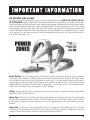
Kite Positions, Zone & Power
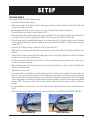
It is important to understand kiteboarding’s basic zones of power before you launch a kite. MANY OF THE ACCIDENTS THAT HAPPEN IN KITEBOARDING happen on land, and many also happen when kiteboarders put their kites in what is called neutral position.
Unfortunately, people often think that the kite is stable in neutral position. However, wind fluctuates-it gusts and lulls-and in neutral
position, something known as lofting can occur when wind fluctuates. When a kite luffs (or receives less wind in its foil), the kite
will move slightly away from the pilot. When a gust hits, the kite receives a surge of power, and often that surge of power is too
much for a kiteboarder standing with the kite high overhead. As a result, the kiteboarder may be lofted (lifted) into the air. Lofting
can be serious, but you may reduce the chances of lofting by understanding the power zones, and by avoiding putting your kite
in the neutral position while on land.
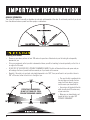
Neutral Position - This is the position just above the pilot’s head in the sky. If the pilot levels out the bar, the kite will gravitate
to the neutral position. However, it is difficult and dangerous to keep the kite in this position. Although in this position the kite
may feel steady and may feel like it has the least amount of power or pull, it is also the position in which on land the pilot is
most susceptible to lofting. On the water, the neutral position can be utilized to rest while you reel in your board, but on land, we
strongly suggest you do not utilize the neutral position. After launching, it is best to make your way to the water without delay.
Do NOT linger on land with the kite in neutral position. It is VERY dangerous.
Lofting – Lofting occurs when the kite is above the riders head in the neutral position. Instability in the wind can cause sudden
vertical force and lift a rider off of their feet.
Neutral Zone - This is the area that includes the neutral position and the area to the left and right of the pilot. It encompasses
the most upwind or windward positions in which to fly the kite. When flown here, the kite has less power or pull than when it
is in the power zone. However, use caution when the kite is in this zone, especially when on land, and especially in gusty wind
conditions.
Power Zone - This is the area in front and to the sides of the pilot, but excluding the neutral position and zones. It is the area
in which the kite has the most power and pull. When flown in this area, the kite can be powerful and dangerous, so avoid flying
your kite in this zone when learning. Use extreme caution when flying the kite in this zone.